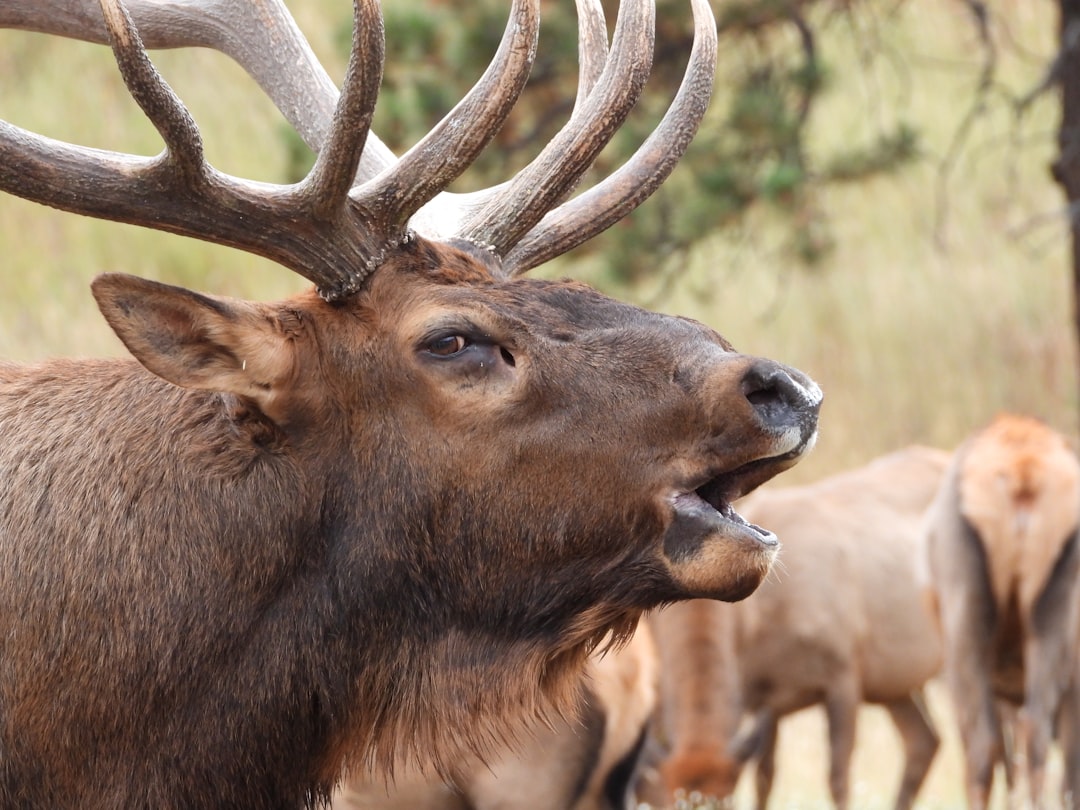
Calling Mature Herd Bulls: How to Pull a Dominant Elk Away from His Cows
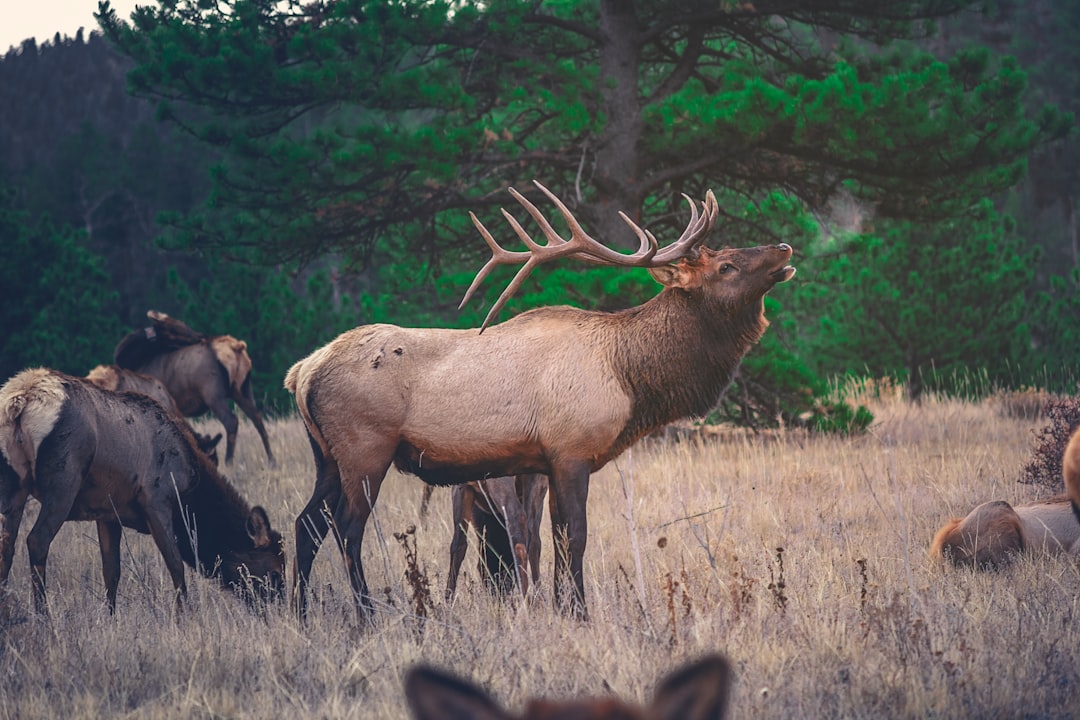
The bugle echoes across the timber, and your chest tightens when you hear it. A mature herd bull — the kind that makes your knees weak — is working his cows just over the ridge. You have two choices: watch from a distance or get aggressive and try to pull him away from his harem. Most hunters fail because they treat herd bulls like satellite bulls. A raghorn will sprint toward a bugle out of curiosity or aggression. A mature herd bull has cows, and he is not leaving them unless you give him a reason he cannot ignore.
Calling mature herd bulls is not about volume or perfect pitch. It is about understanding what motivates a dominant bull during peak rut and using that knowledge to create pressure he has to respond to. The strategy shifts depending on how locked down he is, how many cows he is holding, and whether satellite bulls are harassing him. When you read the situation correctly and execute the right sequence, you can pull a 350-inch bull out of his comfort zone and into bow range.
Why Mature Herd Bulls Ignore Most Calling
A herd bull has everything he wants. He is breeding cows, defending his harem from satellites, and burning thousands of calories doing it. When he hears a distant bugle, his first instinct is not to investigate — it is to round up his cows and move them away from the threat. If you sound like a young bull, he ignores you. If you sound like a distant rival, he pushes his harem deeper into the timber. The only calls that work are the ones that threaten his dominance or mimic the cows he is already chasing.
Most hunters make the mistake of bugling too much or too aggressively from too far away. A herd bull does not need to come find you — he already has company. Unless you sound like a legitimate threat that is too close to ignore, or unless you sound like a cow that is wandering away from his group, he will not budge. The key is getting close enough that he cannot afford to ignore you, then using a combination of cow calls and challenge bugles to make him commit.
Cow Calls Are the Foundation of Herd Bull Tactics
The most underrated tool for calling herd bulls is the cow call. While satellite bulls respond to bugles, herd bulls respond to the sound of cows — especially cows that sound like they are leaving. A mature bull does not want to lose a single cow during peak rut, and the sound of a cow drifting away from the herd triggers an instinct to gather her back. Start with soft mews and chirps, then escalate to estrus whines if he does not respond.
When you get within 200 yards of a herd, focus on cow calling first. Do not bugle unless you hear him working his cows hard or unless a satellite bull is pushing him. Mimic the sounds his cows are making — soft communication calls, location mews, or the higher-pitched estrus whines that sound like a cow looking for a bull. If he hears what sounds like a lone cow on the edge of his territory, he will often leave his harem briefly to collect her. That 30-second window is your shot opportunity.
If the herd is moving and you hear cows calling as they travel, match their rhythm. Call just enough to sound like a straggler, then go silent. Let him wonder where that cow went. A herd bull hates losing track of his cows, and if you make him think one is wandering, he will come looking. The goal is to sound like part of his harem, not like an intruder.
When to Use Challenge Bugles on Herd Bulls
Challenge bugles work when the bull is already fired up and defending his cows from satellites. If you hear him raking trees, thrashing brush, or screaming at other bulls, he is in fight mode. That is when a well-timed challenge bugle can pull him out of the herd. The key is making him think a rival is too close to his cows to ignore. A distant bugle gets ignored. A bugle at 150 yards that sounds aggressive and confident gets a response.
Your bugle needs to sound mature. Deep chuckles, a raspy tone, and a strong finish tell him this is not a raghorn he can bully. If you sound young or timid, he will push his cows away. If you sound like a legitimate threat that is moving in on his territory, he will either come fight or try to push you out. Either way, he is moving toward you instead of away. Follow the bugle with aggressive cow calls to make it sound like you have cows of your own. That combination — a dominant bugle plus the sound of cows — makes him think a rival bull is stealing part of his harem.
Do not over-bugle. One or two challenge sequences is enough. If he responds but does not commit, go silent and let him stew. Sometimes the best move is backing off 50 yards, cow calling softly, and making him think the rival bull is leaving with a cow. That jealousy factor can be enough to pull him out of the timber. Herd bulls hate losing, and if you make him think he is about to lose cows or territory, he will come looking.
Positioning and Wind Management
Calling alone will not pull a herd bull if your setup is wrong. Wind is everything. Elk have incredible noses, and if your scent drifts into that herd, the cows will take the bull with them and you will never see them again. Always set up with the wind in your face or with a crosswind that keeps your scent out of the drainage they are in. If the wind swirls, move. Do not hope it works out — it will not.
Get as close as you can without spooking the herd. If they are bedded or feeding in a meadow, circle to within 150 yards using terrain and timber for cover. The closer you are when you start calling, the less room the bull has to evaluate the situation from a distance. If you are 400 yards away, he has time to think. If you are 100 yards away and sound like a cow or a rival, he has to react. Set up near a pinch point, saddle, or funnel where he is likely to approach, and give yourself shooting lanes in multiple directions.
Patience is part of positioning. If you call and he bugles back but does not move, wait. Herd bulls do not always come sprinting in. Sometimes they move 20 yards, stop, rake a tree, bugle, and move again. It can take 30 minutes for a bull to cover 100 yards if he is nervous or if his cows are not cooperating. Do not assume he lost interest just because he went quiet. Stay ready, stay quiet, and let him work his way to you.
Reading the Herd and Adjusting Your Strategy
Every herd bull situation is different. If the bull is locked down with a hot cow, he is nearly impossible to call. She is ready to breed, he is focused on her, and nothing you say will pull him away. In that case, your best move is to follow the herd quietly and wait for the cow to go out of estrus. Once she is bred and he moves on to the next cow, he becomes callable again. Patience wins more herd bull encounters than aggression.
If the herd is being harassed by satellite bulls, the herd bull is on high alert. He is bugling constantly, chasing off rivals, and trying to keep his cows together. That is when challenge bugles and aggressive cow calling work best. You are adding to the chaos, and he cannot ignore another threat. Get close, sound dominant, and make him think you are stealing cows. The more pressure he is already under, the more likely he is to make a mistake and commit.
If the herd is calm and the bull is quiet, cow calls are your only play. He is not worked up, so a bugle will just push him away. Instead, sound like a lone cow on the edge of his territory. Call sparingly, move slightly away from the herd, and make him think a cow is wandering. That curiosity and the instinct to gather his harem is often enough to get him moving.
Common Mistakes That Cost Herd Bull Opportunities
The biggest mistake is calling too much. Herd bulls do not need constant reminders that you exist. One sequence every 10 to 15 minutes is enough. Over-calling makes you sound desperate or fake, and it gives the cows time to locate you and blow you out. Call, then wait. Let the silence work for you. The bull knows where you are — now you need to see if he is willing to commit.
Another mistake is giving up too early. Herd bulls are slow to respond, and they are cautious. If you call once, get a bugle back, and then nothing happens, most hunters assume it is over. In reality, the bull might be moving his cows, raking trees, or working his way toward you at a glacial pace. Give him time. Some of the best herd bull encounters take an hour or more to develop. If you are getting responses, stay in the game.
Bad wind management kills more setups than bad calling. You can sound perfect, but if a cow winds you, she will take the entire herd with her and the bull will not even know why. Always prioritize wind over everything else. If the wind is bad, do not call. Relocate, wait for the wind to shift, or come back the next morning. Calling into bad wind is a guaranteed failure.
How TAGZ Helps You Find Herd Bulls During Peak Rut
TAGZ gives you the tools to identify units where mature bulls hold harems during peak rut, so you are not wasting time in areas with low bull-to-cow ratios or heavy pressure. Use the platform to filter hunts by season dates that align with peak rut windows, compare terrain maps to find the drainages and benches where elk concentrate during breeding season, and review draw odds for units known for quality bulls. Track your preference points across multiple states and build a strategy that puts you in elk country when the calling is best.
Whether you are planning an OTC archery hunt in Colorado or applying for a limited-entry Utah tag, TAGZ helps you research units, analyze historical harvest data, and map out terrain features that hold elk during September. The better your research, the higher your odds of encountering a herd bull worth calling.
FAQ — Calling Mature Herd Bulls
What is the best call to use on a mature herd bull?
Cow calls are the most effective, especially estrus whines and soft mews that sound like a cow leaving the harem. Challenge bugles work if the bull is already fired up and defending his cows.
How close should I get before calling to a herd bull?
Get within 150 to 200 yards if possible. The closer you are, the less time the bull has to evaluate your calls from a distance, and the more likely he is to commit.
Will a herd bull leave his cows to respond to calling?
Sometimes. If he is locked down with a hot cow, he will not budge. If his cows are calm or if satellite bulls are pressuring him, he is more likely to investigate cow calls or respond to challenge bugles.
Should I bugle or cow call first when setting up on a herd?
Start with cow calls. Bugles can push a herd bull away if he is not already aggressive. Cow calls sound less threatening and can pull him in without spooking the cows.
How long should I wait after calling before moving?
Wait at least 30 to 45 minutes. Herd bulls often move slowly, and they may circle downwind to check you out. If you move too soon, you will bump him before he commits.
What do I do if the cows wind me and start leaving?
Stay put and stay quiet. Sometimes the bull will hang back for a few seconds to see what spooked them. If he does, you might get a shot. If not, let them go and relocate for another setup.
Continue Planning Your Hunt
Calling mature herd bulls is one of the hardest skills to master in elk hunting, but when it works, it is unforgettable. If you are planning your next archery elk hunt, use TAGZ to research units with strong bull-to-cow ratios, compare draw odds, and map terrain features that concentrate elk during the rut. Track your preference points across multiple states and build a strategy that maximizes your draw opportunities. Check out the TAGZ Insights blog for more elk hunting strategy articles, and explore TAGZ pricing to see how the platform helps you plan smarter hunts from application season through your time in the field.
Was this article helpful?
Previous
Why Herd Bulls Ignore Your Calls and What Actually Works
Herd bulls with cows have zero incentive to leave what they already have. Understanding their mindset reveals why standard calling fails and what tactics actually pull mature bulls off their harems.
Next
How to Call Silent Bull Elk During the Rut
Silent bulls often dominate elk herds without vocalizing. Learn proven calling strategies and setup tactics to trigger responses from non-bugling bulls during September archery hunts.