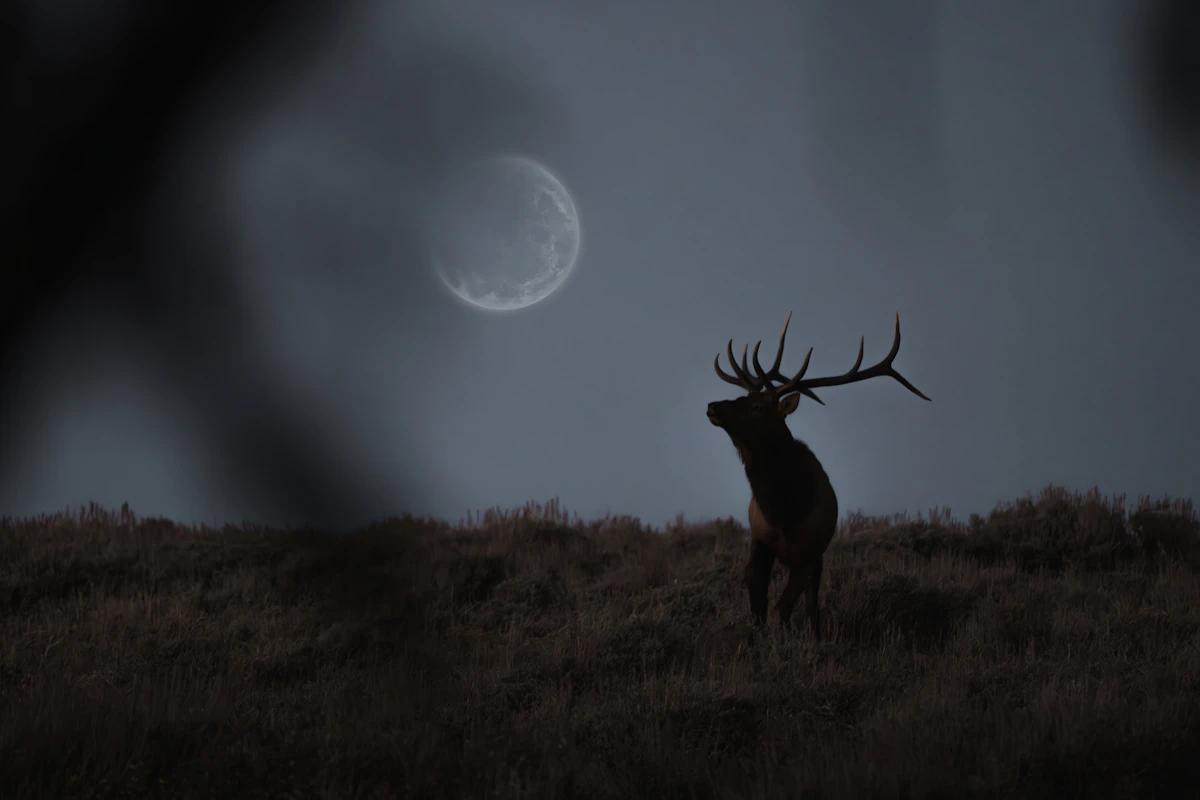
Calling During the Peak Rut: When Elk Bulls Are Most Vulnerable
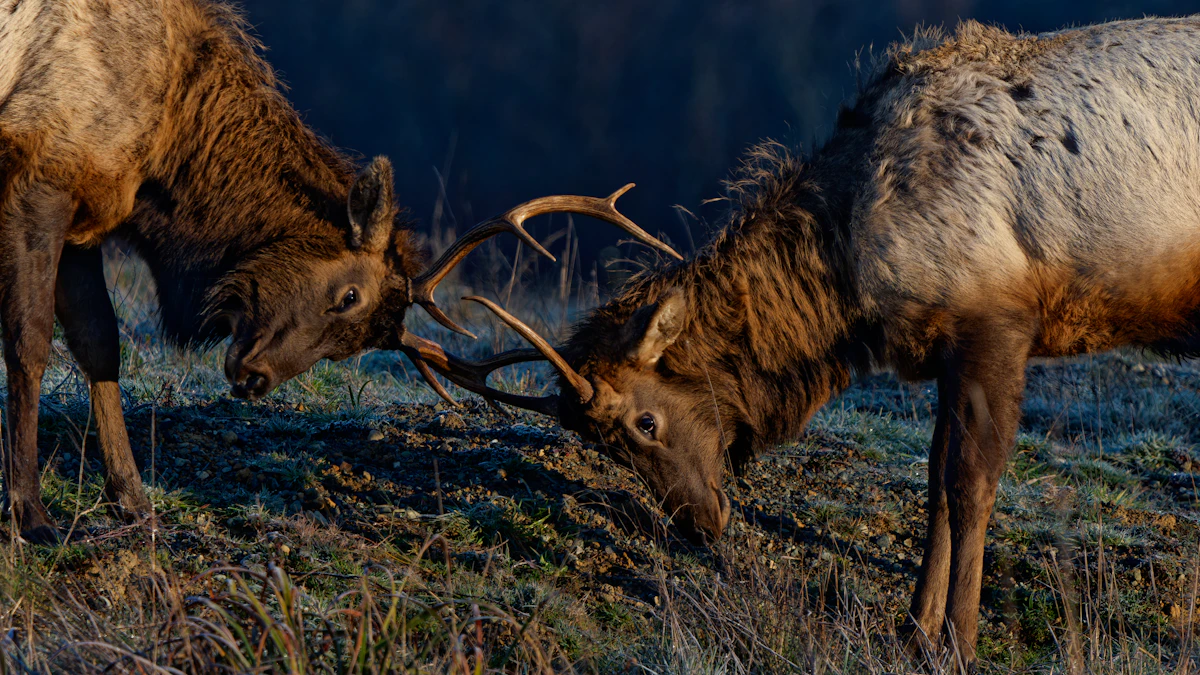
The peak rut is when bull elk are most vocal, most aggressive, and most vulnerable to calling. It is also when most hunters make critical mistakes that spook mature bulls or fail to pull them away from cows. Understanding how to call during this narrow window requires reading bull behavior in real time and adjusting your strategy based on what the elk are actually doing.
The peak rut typically runs from mid-September through the third week of the month across most of the Rocky Mountain West. In Colorado, New Mexico, and Wyoming, expect peak activity between September 15 and September 25. Montana and Idaho often peak slightly earlier, sometimes as early as September 10 in higher elevations. Oregon and Washington can run a week later depending on the unit.
Reading Bull Behavior Before You Call
Before you ever touch a call, spend time glassing and listening. Bulls behave differently depending on whether they are searching for cows, defending a harem, or responding to challenger bulls. A lone satellite bull will respond aggressively to bugles because he is looking for a fight or an opportunity to steal cows. A herd bull with cows locked down will often ignore distant bugles entirely unless you sound like an immediate threat.
Watch how bulls react to other elk. If a bull bugles and immediately moves toward the sound, he is aggressive and looking for competition. If he bugles but stays put, he is confident in his position and waiting for challengers to come to him. If he bugles once and goes silent, he may have cows nearby and does not want to advertise his location.
Glassing before calling also reveals cow groups. If you see cows without a visible bull, there is almost certainly a herd bull nearby. Calling aggressively near a hidden herd bull can pull him out, but only if your setup and wind are perfect. If he catches your scent or sees movement, he will push his cows away and go silent.
When to Bugle Aggressively
Aggressive bugling works best early in the peak rut when bulls are still establishing dominance and competing for cows. The first few days of peak activity are when satellite bulls are most willing to challenge herd bulls, and when herd bulls are most likely to respond to threats.
Use aggressive bugles when you hear multiple bulls bugling back and forth. This indicates competition is active and bulls are moving. Start with a location bugle to gauge interest, then follow up with a challenge bugle if a bull responds. Add raking sounds by thrashing a tree or brush with a stick to mimic a bull tearing up vegetation. This combination often triggers a response from aggressive bulls looking to defend their territory.
Bugle from a position where you can move quickly. Bulls that respond to aggressive calling often come in fast and cover ground. Set up with good visibility in multiple directions and be ready to adjust your position if a bull circles downwind. Always have a shooting lane prepared before you start calling.
If a bull responds to your first bugle but does not close the distance, do not immediately bugle again. Wait two to three minutes, then give a softer bugle or a cow call. Overcalling during aggressive sequences is one of the fastest ways to make a bull suspicious. Let silence work in your favor.
Switching to Cow Calls Mid-Rut
As the peak rut progresses and herd bulls lock down cows, aggressive bugling becomes less effective. Bulls that have gathered harems are focused on keeping their cows together and fending off satellite bulls, not chasing distant challengers. This is when cow calls become your primary tool.
Cow calls work because they exploit a bull's breeding instinct without triggering his defensive aggression. A soft estrus mew or a series of social cow chirps can pull a herd bull away from his group if he thinks a lone cow is nearby. Use cow calls when you know a bull has cows but will not respond to bugles.
The estrus call is the most effective cow sound during peak rut. It is a higher-pitched, drawn-out mew that signals a cow is ready to breed. Use it sparingly and only when you have confirmed a bull is nearby. Overcalling with estrus sounds can make a bull think multiple cows are in the area, which often causes him to round up his existing harem and leave instead of investigating.
Mix cow calls with occasional soft bugles to create the illusion of a satellite bull trying to steal a cow. This combination can trigger a herd bull's competitive instinct without making him feel like he is being directly challenged. The key is subtlety. You want the bull to think he can sneak in and claim an easy breeding opportunity, not that he is walking into a full-scale fight.
Calling to Satellite Bulls
Satellite bulls are younger or less dominant bulls that hang around the edges of herds looking for opportunities to breed. They are the most callable elk during the peak rut because they are actively searching for cows and willing to take risks that mature herd bulls will not.
Satellite bulls respond well to a combination of cow calls and soft bugles. They are not confident enough to challenge a mature herd bull directly, but they will investigate if they think a cow has separated from the herd. Use locator bugles to find satellite bulls, then switch to cow calls once they respond.
Be patient with satellite bulls. They often approach slowly and cautiously because they are used to being chased off by dominant bulls. Do not overcall or try to rush them. Let them work their way in at their own pace. If you push too hard, they will hang up just out of range or circle downwind.
Satellite bulls often travel in small bachelor groups early in the rut. If you call in one satellite bull, there may be others nearby. After filling a tag or passing on a shot, stay quiet and watch the area. Other bulls may continue searching for the source of the calling.
How to Handle Silent Bulls
Not every bull bugles during the peak rut, especially mature herd bulls that have learned to avoid vocal communication. Silent bulls are some of the hardest elk to hunt because they do not reveal their location through calling. The only way to consistently call in silent bulls is to set up in areas where you have confirmed their presence through sign, sightings, or behavior patterns.
Track fresh sign and focus on bedding areas, wallows, and heavily used travel corridors. Silent bulls still need to water, bed, and move between feeding and security cover. Once you have identified a high-probability area, use soft cow calls instead of bugles. Silent bulls are often silent because they are avoiding confrontation, but they will still investigate breeding opportunities if the calling sounds natural and non-threatening.
Use terrain to your advantage when calling to silent bulls. Set up where thermals and wind work in your favor, and where a bull has to expose himself to get a visual on your calling position. Silent bulls rely heavily on scent and sight, so perfect wind and concealment are critical.
If you are in an area with heavy hunting pressure, silent bulls may be call-shy because they have been educated by previous encounters. In these situations, reduce calling volume and frequency. A single soft cow call every 20 to 30 minutes is often more effective than aggressive sequences.
Adapting to Hunting Pressure
Hunting pressure changes how elk respond to calling, especially in heavily hunted units during the peak rut. Bulls that hear calls every day become conditioned to associate calling with danger. In high-pressure areas, less is more.
Call from unexpected locations instead of trails, ridgelines, or other obvious ambush points. Bulls that have been pressured learn to avoid areas where hunters typically set up. Move deeper into security cover or set up in thick timber where most hunters will not go.
Use natural terrain features to amplify calls instead of calling loudly. A bugle from a canyon bottom or a ridge saddle will carry farther and sound more natural than a loud bugle from an open meadow. Bulls in pressured areas are hypersensitive to calling that sounds out of place.
If you are hunting a unit with high hunter density, consider hunting the second half of the peak rut when pressure has pushed bulls into more remote areas. Many hunters focus on the first few days of peak activity, which means late-rut bulls in backcountry units see less pressure and remain more responsive to calling.
TAGZ helps you compare hunting pressure across units using historical draw data and terrain maps. Filter by weapon type and season to find less-pressured areas during the peak rut. Compare archery versus rifle seasons to identify units where you will face fewer hunters in the field. Track your preference points across multiple states so you can time your application for units that align with peak rut dates and low hunter density.
Setting Up for Success
Calling is only half of the equation. Setup and positioning determine whether a bull comes into range or hangs up. Always set up with the wind in your favor and multiple shooting lanes prepared. Bulls will circle downwind if given the chance, so anticipate their approach and adjust your position accordingly.
Use a caller and shooter setup when possible. One person calls from 30 to 50 yards behind the shooter, which allows the shooter to remain motionless while the bull focuses on the calling position. This setup is especially effective during the peak rut when bulls are moving quickly and scanning for threats.
Pay attention to thermals. Morning thermals drop into drainages, which means calling from higher ground can work in your favor as bulls approach from below. Evening thermals rise, so set up lower and let rising scent currents carry your scent away from approaching bulls.
Always have an exit strategy. If a bull responds but does not commit, or if you make a bad shot, you need to back out quietly without educating the bull. Pushing too hard after a failed calling sequence can ruin an area for days.
FAQ — Calling During the Peak Rut
When is the peak rut for elk? The peak rut typically runs from mid-September through late September across most western states. Colorado, Wyoming, and New Mexico peak around September 15–25, while Montana and Idaho can peak a week earlier at higher elevations.
Should I bugle or use cow calls during the peak rut? Both work, but timing matters. Aggressive bugles are most effective early in the peak rut when bulls are competing for cows. Cow calls work better mid to late rut when herd bulls have locked down harems and are less responsive to challenges.
How often should I call during the rut? Call sparingly. One location bugle or cow call sequence every 20 to 30 minutes is usually enough. Overcalling makes bulls suspicious, especially in pressured areas.
What is the best call for satellite bulls? Soft bugles combined with cow calls. Satellite bulls are looking for breeding opportunities but are cautious about confronting dominant bulls. A mix of sounds makes them think a cow has separated from a herd.
Do mature bulls bugle during the rut? Yes, but not always. Mature herd bulls often bugle less frequently than younger bulls because they are focused on defending cows rather than advertising their location. Silent bulls require different tactics like soft cow calling and ambush setups.
How do I call in pressured areas? Call less, move more, and set up in unexpected locations. Pressured bulls avoid obvious ambush points and become call-shy. Use natural terrain to amplify calls and reduce calling volume.
Can you call too much during the rut? Absolutely. Overcalling is one of the most common mistakes. Bulls hear unnatural calling patterns and either avoid the area or approach cautiously enough to detect you before you get a shot.
What should I do if a bull responds but will not come in? Stay patient and reduce calling. Wait several minutes between calls and consider moving closer to his position if wind and terrain allow. Sometimes silence is the best call.
Continue Planning Your Hunt
Understanding when and how to call during the peak rut is only part of successful elk hunting. Choosing the right unit, timing your application, and understanding draw odds all play a role in putting yourself in position during the peak rut window. TAGZ helps you compare units side by side using terrain maps, unit boundaries, and historical draw data. Track your preference points and bonus points across multiple states so you never miss a draw deadline. Whether you are chasing OTC tags or planning a trophy limited-entry hunt, TAGZ gives you the tools to make smarter decisions before you ever step into the field.
Explore more elk hunting strategies and draw insights at TAGZ Insights. Ready to start planning your next hunt? Check out TAGZ pricing and see how the platform simplifies multi-state applications, unit research, and hunt filtering by weapon, season, and species. Visit the TAGZ homepage to learn more about how the platform works, or dive into the product features to see how terrain breakdowns, public land information, and draw deadline tracking can help you hunt smarter.
Was this article helpful?
Previous
Best States for DIY Mule Deer Hunting | Public Land Buck Hunting Guide
The best DIY mule deer hunting state depends on your goals. Colorado and Wyoming offer incredible opportunity, Nevada and Utah are known for giant bucks, while Idaho and New Mexico provide excellent hunting without long-term point systems. TAGZ helps hunters compare draw odds, build application strategies, and choose the best mule deer hunt for their experience, budget, and goals.
Next
Best States for First-Time Western Hunters | Complete Beginner Guide
Choosing the right state is one of the most important decisions a new western hunter can make. Colorado, Idaho, Wyoming, Montana, and New Mexico provide some of the best combinations of opportunity, public land, and draw odds, making them excellent starting points for hunters looking to experience the West without waiting decades for a tag.