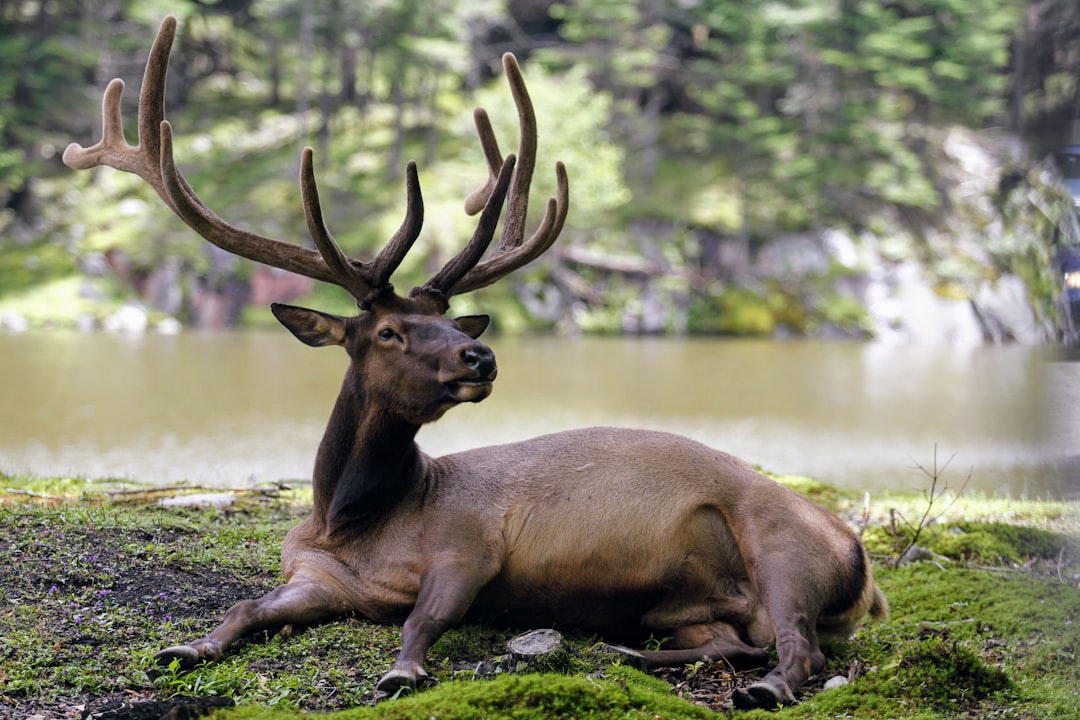
Why Bulls Hang Up at 80 Yards: The Frustrating Reality of Calling Elk
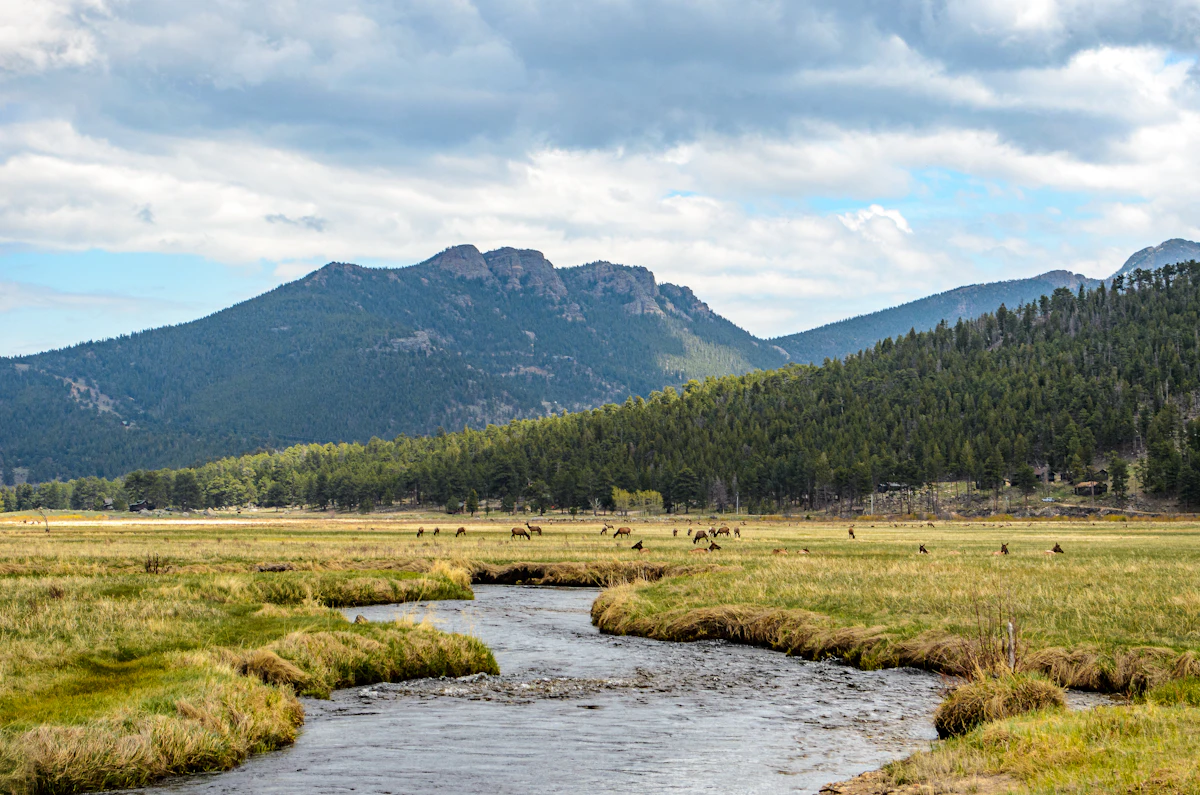
That bull screaming back at every note you throw, closing the distance with each exchange, then stopping dead at 80 yards and refusing to commit. You watch him rake a tree, bugle at the sky, and pace back and forth, but he will not take another step. After twenty agonizing minutes, he drifts away. You replay every call, every setup decision, wondering what went wrong. Nothing went wrong. You just met an elk being an elk.
The 80-Yard Threshold Is Not a Coincidence
Bulls that hang up almost always do it in a predictable range: 60 to 100 yards, with 80 being the frustrating sweet spot. This is not random. It is the distance where a bull can confirm a cow's presence visually or by scent while staying far enough to assess threats.
Elk evolved as prey animals in open country. Their survival depends on identifying danger before committing to an approach. At 80 yards in timber, a bull can hear and smell a cow but cannot see her clearly through the trees. His instincts tell him to wait for her to show herself or close the remaining distance. In his world, cows come to bulls. A cow that calls aggressively but refuses to move toward him triggers suspicion.
The problem is not your calling. The problem is that you are asking a mature bull to behave like a desperate satellite, charging in blindly. Herd bulls rarely do that. They have cows already. They want the new cow to join them, not the other way around.
Satellite Bulls vs. Herd Bulls: Two Different Games
Understanding which type of bull you are dealing with changes everything. Satellite bulls, typically younger or subordinate animals hanging on the edges of herds, will often commit fully to aggressive calling. They have nothing to lose and everything to gain. These are the bulls that sprint in silent and appear at 20 yards while you are still reaching for your release.
Herd bulls operate differently. They have invested energy establishing dominance and collecting cows. Running toward every sound risks leaving their herd unguarded for a rival to sweep in behind them. A herd bull's default response is to bugle back, posture, and wait. If the intruder or the new cow wants a piece of him, they can come prove it.
When a bull hangs up at 80 yards, bugles repeatedly, and starts raking trees, you are almost certainly dealing with a herd bull or a mature satellite who has learned caution. He is advertising his location, showing dominance, and expecting the cow to come to him. Every time you call back without moving closer, you confirm his suspicion that something is off.
Wind, Terrain, and Visibility Play Massive Roles
Bulls do not just hang up at random spots. They choose positions that protect them. Watch where a hung-up bull stops, and you will usually notice one or more of these factors:
- Downwind buffer: He stopped where the thermals or breeze let him scent-check the area between you. If he cannot smell cow, he will not commit.
- Visual lane: He picked a spot where he can see into the timber toward your calls. He is waiting for movement.
- Escape route: Behind him is often an opening or ridge that allows a quick exit if things go sideways.
Your setup matters more than your calling. If you set up where a bull has to cross a wide opening to reach you, walk straight into the wind, or lose his escape options, he will hang up every time. He did not survive multiple hunting seasons by ignoring those instincts.
Tactics That Actually Work
Knowing why bulls hang up is only useful if you can do something about it. These tactics will not guarantee success, but they dramatically improve your odds of getting a shot opportunity instead of a story about the one that would not commit.
Shut Up and Move
This is the most effective tactic and the hardest to execute. When a bull hangs up, stop calling entirely. Wait three to five minutes of dead silence, then have your partner stay put and keep the bull's attention with soft cow calls while you circle aggressively to cut the distance.
The goal is to get ahead of where the bull expects the cow to be. If he thinks the cow is finally moving toward him, he often takes those last critical steps. You need to be in position when he does.
Call Less, Mean More
Many hunters call too much when a bull hangs up. Every unanswered bugle or string of cow calls without movement tells him the situation is unnatural. Real cows do not stand in one spot screaming. They call, feed, move, and call again.
Switch to soft, infrequent contact sounds: single mews, feeding sounds, or subtle estrus whines. Make him strain to hear you. Curiosity kills more bulls than aggression.
Use a Decoy Strategically
A cow decoy placed 15 to 20 yards in front of your position can be the tipping point for a hung-up bull. He has been waiting for visual confirmation that a cow is actually there. A decoy provides it.
The risk is significant. If the bull approaches from an angle where he sees you before the decoy, or if he circles downwind first, you just educated him. Decoys work best in terrain that funnels an approach and when thermals are stable and in your favor.
Reposition Before the Encounter
The best fix for hang-ups is preventing them. If you hear a bull and have time before engaging, set up where he can approach with the wind at his back or crosswind, where terrain features give him cover to close distance, and where you are not asking him to cross any significant openings.
Study the drainage, anticipate his likely approach route, and put yourself where committing feels safe to him. The extra ten minutes spent on setup prevents the twenty-minute standoff that ends with him walking away.
When to Walk Away
Sometimes a bull is simply not callable, and continuing to pressure him makes things worse. If a herd bull has cows in sight, he has almost no reason to leave them for a cow he cannot see. If a bull has been hunted hard, he may have learned that aggressive calling sequences precede danger.
Recognizing a lost cause saves energy and, more importantly, saves that bull for another encounter. Back out quietly, note his location, and plan a different approach for the next morning. Ambush setups based on observed patterns kill more hung-up bulls than calling marathons.
For help identifying which units hold mature bulls and what kind of pressure they see, explore the draw odds tools on TAGZ to compare tag numbers and hunter density across units.
The Mental Game of Patience
Hung-up bulls test your discipline more than your calling ability. The urge to call more, call louder, or try something drastic is powerful when a screaming bull is just out of range. But desperation moves spook more elk than any other factor.
Accept that some encounters will not end in a shot. A bull that hangs up at 80 yards but does not blow out is a bull you can hunt again. A bull you pressure into a full sprint out of the basin is gone for days. Play the long game, learn from each encounter, and recognize that consistent close calls eventually convert into punched tags.
For more on improving your elk hunting strategy, check out related articles on TAGZ Insights covering unit selection, draw strategies, and in-the-field tactics.
FAQ — Bulls Hanging Up
Why do bulls always seem to stop at the same distance?
Bulls hang up at 60 to 100 yards because that range lets them scent-check and visually scan for the cow while maintaining a safe buffer from potential threats. It is instinctive, not coincidental.
Does calling louder help bring in a hung-up bull?
Rarely. Louder or more aggressive calling often increases suspicion because real cows do not stand in one place screaming without moving. Softer, less frequent calls or silence tends to work better.
Should I use a bugle or cow calls on a hung-up bull?
It depends on the bull. Herd bulls often respond better to subtle cow sounds that suggest a receptive female. Satellite bulls may respond to challenge bugles. If one approach is not working after five minutes, try the other.
Is it better to move toward a hung-up bull or wait him out?
Moving is usually more effective than waiting, but it must be done carefully. Ideally, one hunter holds the bull's attention while another circles to cut the distance. Moving straight toward him typically spooks him.
When should I give up on a hung-up bull?
If a bull has cows with him, has been answering but not closing for more than 20 minutes, or has started moving away, he is unlikely to commit. Back out quietly and consider a morning ambush based on his pattern instead.
Do decoys actually work on hung-up bulls?
They can be highly effective because they provide the visual confirmation the bull is waiting for. However, they are risky in swirling wind or open terrain where the bull might spot you before seeing the decoy.
Was this article helpful?
Previous
Best Beginner Elk Calling Setup: Essential Gear for Your First Hunt
Learn which elk calls every beginner needs, how to build a complete calling setup for under $150, and which techniques to master before your first September hunt.
Next
Where Do Elk Live? Complete Guide to Elk Habitat Across North America
Elk thrive in mountain forests, meadows, and grasslands across the western United States and Canada. Understanding their preferred habitat helps hunters identify productive units and plan successful hunts.