How Hunting Pressure Changes Elk Calling: Adapting Your Strategy When Bulls Go Silent
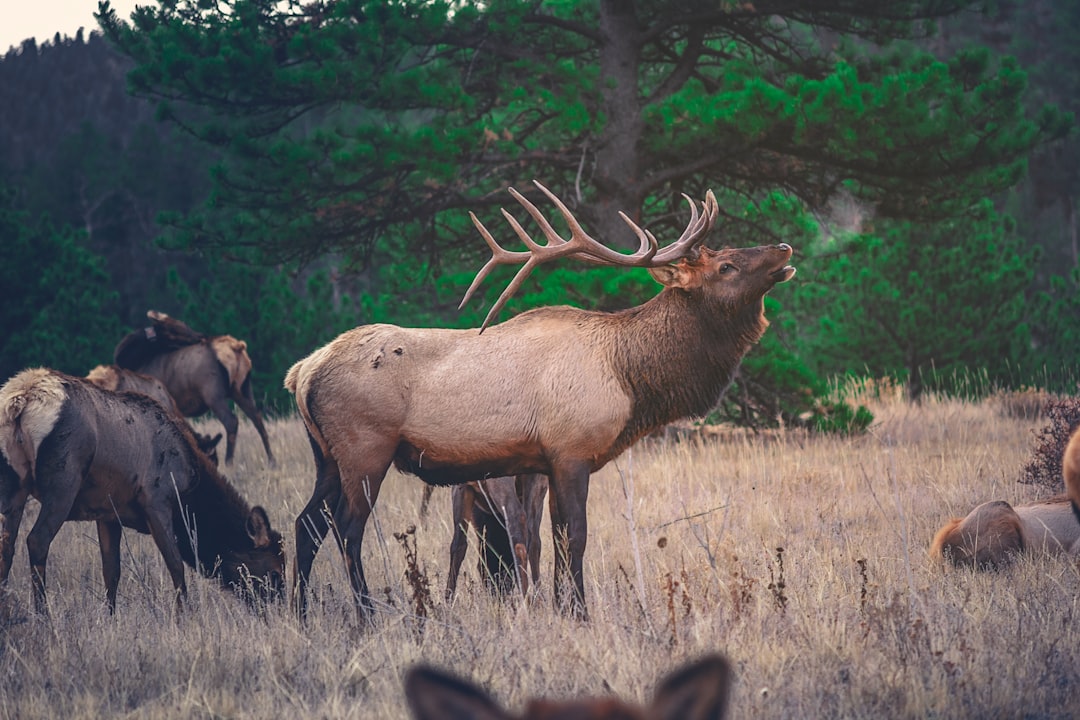
That screaming bull you heard on your scouting trip two weeks ago has gone quiet. He's still there, bedded in the same drainage, but now he won't answer your bugles. Welcome to pressured elk hunting, where the rules change by the hour and the hunters who adapt fill their tags.
Why Bulls Stop Talking
Elk aren't stupid. A mature bull that survives multiple hunting seasons learns that aggressive calling often precedes bad outcomes. Research from the Rocky Mountain Elk Foundation shows that bull vocalization rates can drop by 60-70% within the first three days of hunting pressure in accessible units.
The mechanism is straightforward: bulls that bugle freely get located, pursued, and killed. The survivors are the quiet ones. In heavily hunted units, you're selecting for elk that have learned to shut up.
But silence doesn't mean absence. Those bulls are still breeding, still moving, still responding to cow estrus cycles. They've just shifted from vocal communication to visual and scent-based breeding strategies. A pressured herd bull will tend his cows quietly, often bedding within 100 yards of them rather than announcing his presence to every hunter in the drainage.
The Pressure Timeline: What Changes and When
Understanding the progression helps you anticipate elk behavior rather than react to it.
Opening Week
The first two or three days often feel like the rut you dreamed about. Bulls respond to bugles, come to cow calls, and make mistakes. This window closes fast in units with road access. By day four, the dynamic shifts noticeably.
Mid-Season Lockdown
This is where most hunters struggle. Bulls have been called at, bumped, and shot at. They've heard the same tired sequences from every ridge. Satellite bulls that charged in early are dead or educated. Herd bulls are surrounded by cows and see no reason to leave them for a fight.
During this phase, aggressive calling usually pushes elk away. The standard advice to "call less and listen more" applies here, but it's incomplete. You need to change what you're saying, not just how often.
Late Season Recovery
As hunting pressure decreases in the final days, bulls often become slightly more vocal again, especially if the rut is still active. This late window rewards patience and persistence.
Adjusting Your Calling Vocabulary
Pressured elk respond to different sounds than unpressured elk. The challenge is matching your calling to what the elk are actually experiencing.
Ditch the Challenge Bugle
That aggressive bugle that worked opening morning now signals "hunter" to every bull in earshot. Pressured bulls have heard it repeatedly, always followed by the same sequence: bugle, crash through the timber, more bugling, human scent, danger.
Switch to non-threatening vocalizations. Young bull sounds, location bugles without the aggressive chuckle, and simple cow talk all avoid triggering the learned avoidance response.
Cow Calling That Actually Works
Most hunters cow call too frequently and too loudly. A pressured bull has heard the same cadence from multiple setups. Real cows don't mew every 30 seconds like a metronome.
Use irregular timing. Call once, wait seven minutes. Call twice in quick succession, then nothing for 15 minutes. Add feeding sounds, brush breaking, and the soft estrus whine that hunters rarely attempt. The goal is creating a soundscape that doesn't pattern-match to "hunter with a diaphragm."
The Power of Silence
Sometimes the best call is no call. If you know elk are in a drainage, setting up on a travel route or water source and simply waiting can outperform any calling strategy. Pressured bulls are listening for danger. Silence reads as safety.
Setup and Positioning Changes
Pressured elk don't just change their calling; they change their movement patterns and tolerance distances. Your setup needs to account for this.
Expect longer approach distances. A September bull might commit from 200 yards. That same bull in week three might hang up at 400 and circle downwind. Set up with shooting lanes at extended ranges and position your calling partner farther back than you think necessary.
Focus on terrain features that force elk into range. Saddles, bench edges, and pinch points between bedding and water become critical when you can't pull elk to you with calling alone. Tools like TAGZ's unit analysis features help identify these terrain advantages before you hit the field.
Timing Adjustments for Pressured Herds
When elk go nocturnal under pressure, midday hunting often outproduces prime time. Here's why: other hunters leave for lunch, reducing overall pressure. Bulls that have been in their beds since dawn may stand to stretch, water, or tend cows. The thermals stabilize, making scent management more predictable.
Consider hunting 10 AM to 2 PM aggressively while other hunters are driving to town for a burger. You'll have quieter woods and elk that have relaxed slightly from the morning push.
Unit Selection Matters More Than You Think
The best calling adjustment is hunting where elk haven't been hammered. Drawing a tag in a limited-entry unit with controlled pressure changes the entire equation. Bulls in these units often stay vocal throughout September because they haven't learned to associate bugling with danger.
This is where pre-season research pays dividends. Understanding draw odds and point requirements helps you build a multi-year strategy that puts you in front of unpressured elk instead of fighting educated bulls every season. Even analyzing OTC unit changes can reveal overlooked areas where pressure might be lighter than traditional hotspots.
Reading Real-Time Pressure Indicators
Learn to assess pressure levels in your hunting area and adjust accordingly.
Truck counts at trailheads tell you roughly how many hunters are in a drainage. Fresh boot tracks on trails indicate recent pressure. The frequency of distant bugles, shots, and human voices gives you real-time intel on competition.
When pressure indicators are high, go deeper, climb higher, and call softer. When the trucks thin out midweek, you can hunt more aggressively.
FAQ — Elk Calling Under Pressure
Why do elk stop bugling during hunting season?
Bulls learn that bugling attracts danger. After being called at and pursued repeatedly, they switch to silent breeding tactics, using scent and visual contact instead of vocalization to manage their harems.
Should I stop calling entirely when elk are pressured?
Not entirely, but you should call less frequently and with different sounds. Soft cow calls with irregular timing and non-aggressive vocalizations often work when challenge bugles fail.
What time of day is best for calling pressured elk?
Midday, between 10 AM and 2 PM, often produces when other hunters have left the woods. Bulls relax slightly, and the reduced human activity makes them more responsive.
Do pressured elk stay in the same areas?
Usually yes, but they shift to thicker cover and may become more nocturnal. They don't leave their home range; they just become harder to find and more cautious about responding.
Is it worth hunting OTC units with heavy pressure?
Yes, but you need to hunt differently than in limited-entry units. Go farther from roads, hunt unpopular days like midweek, and use low-pressure calling tactics. Success rates drop, but elk are still there.
How can I find units with less hunting pressure?
Look at draw odds and tag quotas, which correlate with hunter density. Research access difficulty and distance from population centers. Tools like the TAGZ platform help compare units and identify options with better hunter-to-elk ratios.
The Bottom Line
Pressured elk aren't unhuntable; they're just playing a different game. The hunters who adapt their calling strategy, timing, and expectations keep punching tags while others blame the elk for "not talking." Study the pressure timeline, adjust your vocabulary, and hunt the hours and locations other hunters ignore. The elk are still there. They're just listening more carefully than they're talking.
Was this article helpful?
Previous
Best Crossbows for Whitetail Deer Hunting in 2025
Choosing the right crossbow can make or break your whitetail season. This guide breaks down the top crossbows for different hunting styles, budgets, and state regulations, helping you find the perfect setup for treestand, ground blind, or spot-and-stalk hunting.
Next
How to Hunt Pressured Public Land Elk: Strategies That Work When Everyone Else Strikes Out
Pressured public land elk require different tactics than backcountry bulls. Learn how to hunt the margins, time your entry, use terrain to avoid crowds, and capitalize on post-opener patterns that consistently put mature bulls within range.