Calling Satellite Bull Elk: How to Target Second-Tier Bulls During the Rut
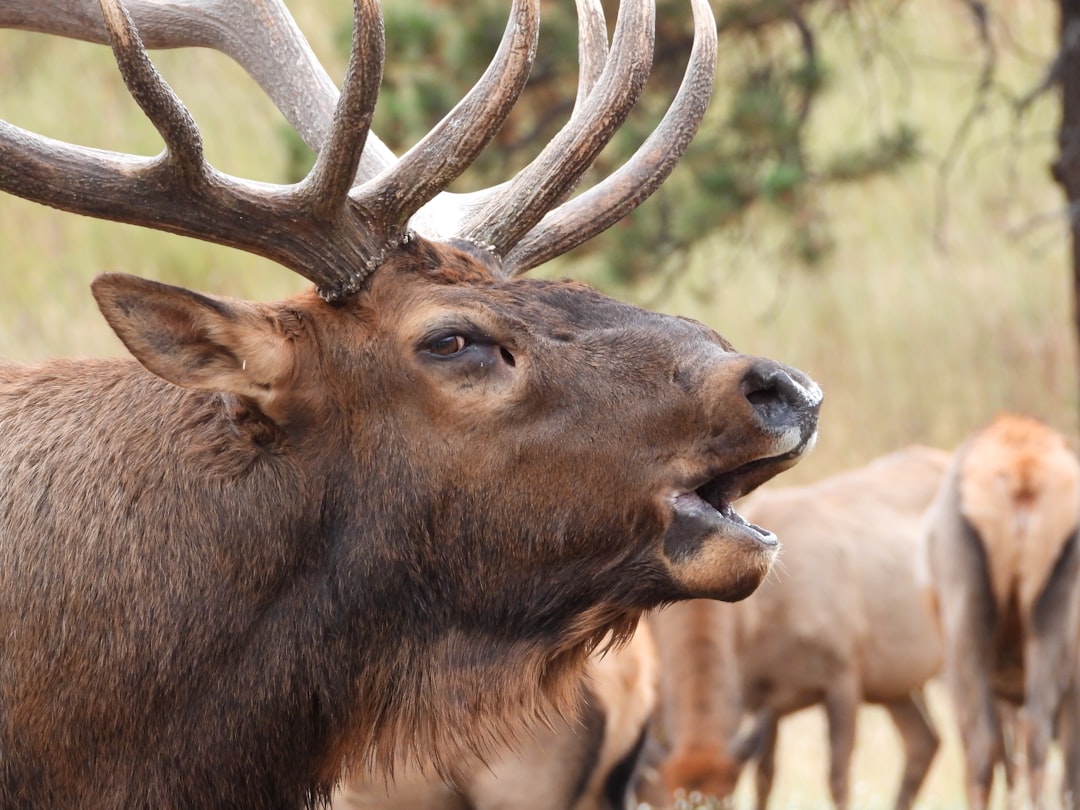
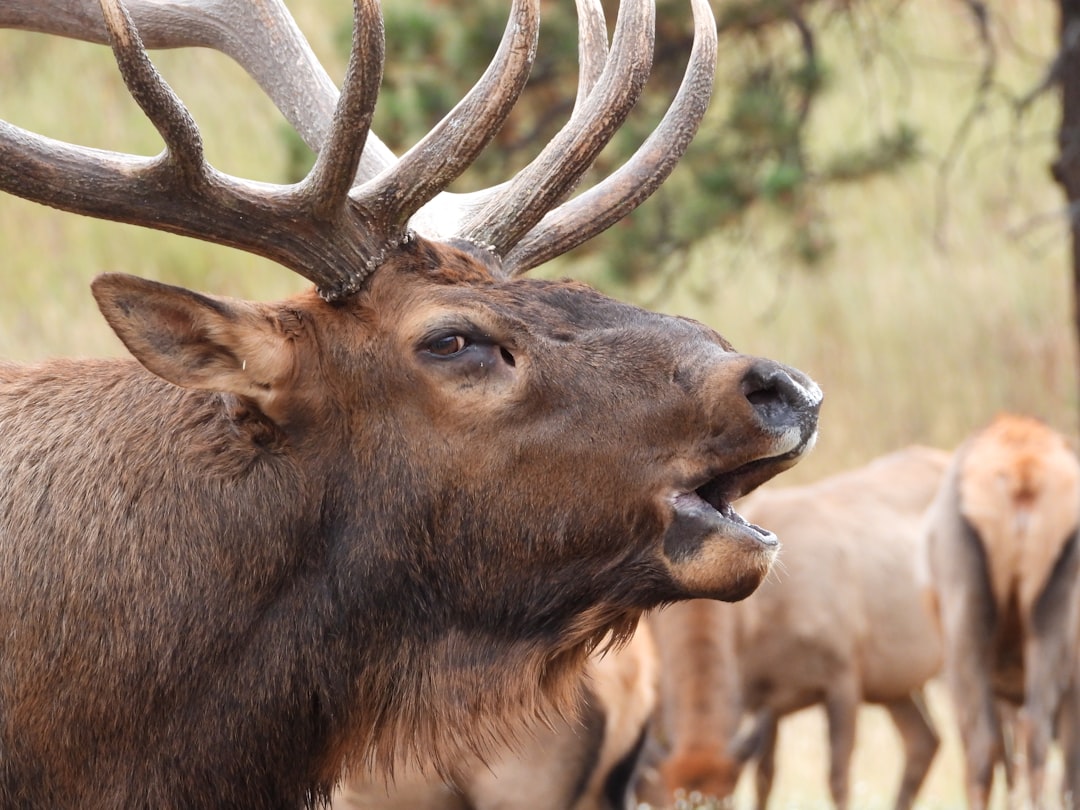
Every bowhunter dreams of bugling in a screaming herd bull, but the reality of September elk hunting often looks different. Dominant bulls with harems stay bedded during daylight, respond aggressively to calls only to hang up at 80 yards, or simply refuse to leave their cows. Meanwhile, satellite bulls—the second-tier males that orbit herd bull territories—offer some of the most consistent calling opportunities of the entire rut.
Satellite bulls are mature enough to be vocal and responsive but young or subordinate enough to lack their own harems. They patrol the edges of meadows and timber pockets, listening for vulnerable cows and waiting for the herd bull to make a mistake. For hunters willing to adjust their strategy, these bulls represent the best chance at a close encounter during peak rut.
What Are Satellite Bulls?
Satellite bulls are typically 4.5- to 6.5-year-old males that have not yet established dominance in the local elk hierarchy. They are sexually mature and highly motivated during the rut but cannot compete physically with older herd bulls. Instead of gathering cows, they shadow existing harems from 200 to 800 yards, bugling occasionally and testing the herd bull's control.
These bulls are not inferior animals. Many are 5x5 or 6x6 frames with heavy mass and respectable antler size. They simply lack the age, body weight, or social dominance to hold cows against more experienced bulls. This subordinate status makes them far more willing to respond to calls, investigate cow sounds, and move aggressively toward perceived competition.
Satellite bulls often travel alone or in small bachelor groups early in the rut, then shift to solitary orbits around active harems as September progresses. By mid-September, they are the most vocal and mobile elk in any drainage. While herd bulls may bugle 50 times from the same bedding area, satellite bulls are covering ground, checking timber edges, and actively seeking opportunities to breed.
Why Satellite Bulls Are Easier to Call
Herd bulls have everything to lose. They manage 15 to 30 cows, defend their position against multiple challengers, and spend most of their energy maintaining control. When a herd bull hears aggressive bugles, his first instinct is to keep his cows grouped and move them away from the threat. He will rarely abandon his harem to investigate a call unless he perceives a direct intrusion.
Satellite bulls have nothing to lose and everything to gain. They are searching for any breeding opportunity, and a single estrous cow represents their best chance at genetic success for the entire season. When they hear cow calls or a subdued bugle, they often respond immediately. Unlike herd bulls, which may circle downwind or hang up in thick cover, satellite bulls frequently commit to a direct approach.
This difference in behavior makes satellite bulls the highest-percentage target for bowhunters using calling setups. A well-placed cow call or locator bugle will pull a satellite bull across a canyon, through dark timber, or into bow range within minutes. The same call might only alert a herd bull to your presence and cause him to push his cows in the opposite direction.
How to Locate Satellite Bulls
Satellite bulls position themselves within hearing distance of herd bulls but rarely bed in the same drainage bottom or meadow complex. They occupy transition zones—timbered benches 300 yards above active wallows, secondary ridges parallel to main elk highways, or isolated finger draws that connect to larger basins. These positions allow them to monitor herd bull activity without triggering direct confrontations.
Glass the edges of meadows during the first and last 90 minutes of daylight. Satellite bulls often feed alone in small clearings adjacent to areas where larger herds are active. Look for single bulls that appear alert and responsive to distant bugles but not accompanied by cows. If you spot a lone bull raking trees, wallowing, or bugling from a ridgeline, you have likely identified a satellite.
Listening is just as productive as glassing. Satellite bulls bugle more frequently than herd bulls relative to their numbers. A distant bugle that sounds slightly higher-pitched, shorter in duration, or less aggressive than a mature herd bull often comes from a satellite. These bulls bugle to locate cows and announce their presence without directly challenging dominant males. When you hear multiple bulls bugling from different elevations or aspects, the solo bulls are your highest-probability targets.
Use locator bugles sparingly during morning glassing sessions. A single bugle from an exposed ridge can trigger responses from multiple satellite bulls. Listen carefully to the quality and frequency of replies. Bulls that bugle back immediately or multiple times within five minutes are actively searching and likely moving. Bulls that respond once then go silent are either bedding down or already tending cows.
Calling Strategies for Satellite Bulls
Cow calls are the most effective tool for pulling satellite bulls into bow range. Estrous cow chirps, mews, and light bugles signal availability without triggering the territorial aggression that makes herd bulls defensive. Start every setup with soft cow calls and only escalate to bugles if the bull shows interest but stalls at distance.
When a satellite bull responds to your initial calls, resist the urge to call aggressively. Let him cover ground on his own terms. If he bugles back and starts moving, go silent for 60 to 90 seconds. The uncertainty of a quiet cow will often pull him the final distance faster than continuous calling. If he stops bugling or appears to lose interest, hit him with a single estrous chirp or a soft mew sequence to restart his approach.
Position your caller 30 to 50 yards downwind or crosswind from your shooting position. Satellite bulls often circle to confirm what they heard, and separating caller from shooter allows you to intercept the bull while he focuses on the sound source. This tactic works especially well in timber where shooting lanes are limited and bulls frequently hang up just out of range.
If you encounter a satellite bull that bugles back but refuses to commit, try the silent treatment. After initial contact, go completely quiet for 10 to 15 minutes. Satellite bulls hate losing track of a perceived breeding opportunity. The silence creates doubt and often triggers them to push forward to reestablish contact. When you finally call again, use only a single cow chirp. The bull will often close the remaining distance immediately.
When to Use Aggressive Calling
Satellite bulls will sometimes respond to aggressive challenge bugles, especially early in the rut when bachelor groups are still intact and younger bulls are testing their rank. If you locate a lone bull or small group in a drainage without herd bull activity, a raking sequence followed by a medium-intensity bugle can trigger a competitive response.
Avoid aggressive calling near confirmed harems. Herd bulls will often push their cows away from the perceived threat, and satellite bulls will follow the herd rather than investigate your position. In these situations, cow calls work better because they suggest an isolated breeding opportunity away from the dominant bull.
If a satellite bull responds to cow calls but hangs up at 100 yards, consider adding a young bull bugle to the sequence. A higher-pitched, shorter bugle mimics a subordinate bull trying to steal the cow. This tactic can trigger enough competitive urgency to pull the satellite those final yards without spooking him into retreat. Pair the bugle with frustrated cow chirps to sell the scenario of a smaller bull trying to tend a cow.
Setup Locations for Satellite Bulls
Satellite bulls favor terrain that offers visibility and escape routes. They bed on benches where they can monitor activity below, feed in small clearings near heavy timber, and travel ridgelines that allow them to cover ground while staying concealed. Plan setups that intercept these travel patterns rather than forcing bulls to cross open ground or leave secure cover.
Inside corners where two drainages meet are high-percentage setup zones. Satellite bulls often travel the ridge between drainages to monitor both basins for herd activity. A caller positioned on the ridge with a shooter 40 yards downslope can intercept bulls moving toward the sound.
Transition zones between bedding and feeding areas work well during the first two hours of daylight. Satellite bulls often linger in these zones after herd bulls have pushed cows into bedding cover. Set up where trails converge near water sources, wallows, or rub trees. Use terrain features like fallen logs, rock outcrops, or thick brush to break your outline and provide shooting lanes.
Avoid calling from canyon bottoms unless you have confirmed bull activity in the immediate area. Satellite bulls rarely drop elevation to investigate calls when they can monitor from ridges above. Position yourself on benches or saddles where bulls naturally travel and where thermals are predictable. Morning thermals rise, so set up below where you expect bulls to be. Evening thermals fall, so move higher and call down into basins.
Reading Satellite Bull Behavior
Satellite bulls telegraph their intentions through body language and vocalization patterns. A bull that bugles back immediately and moves toward your position is fully committed. Stay quiet and let him come. A bull that bugles once then goes silent is either bedding or evaluating whether to respond. Give him 10 minutes of silence, then hit him with a single soft cow call.
Bulls that respond vocally but refuse to close distance are either winded you, spotted movement, or encountered terrain they are unwilling to cross. Reassess your position and consider relocating 200 yards to change the approach angle. Satellite bulls are opportunistic but not reckless. If something feels wrong, they will fade back into cover.
Watch for bulls that appear suddenly without bugling. Satellite bulls sometimes approach silently, especially later in the rut when they have been called to by hunters multiple times. If you hear footsteps, breaking branches, or see movement in thick cover, assume a bull is closing and prepare for a shot. Resist the urge to call again. Let the bull commit on his own.
How TAGZ Helps You Find Satellite Bull Opportunities
Planning a satellite bull hunt requires identifying drainages with active rut behavior but manageable hunting pressure. TAGZ helps you compare elk units side by side using terrain maps, unit boundaries, and public land layers. Filter by weapon type, season dates, and draw odds to find bowhunting opportunities during peak rut weeks when satellite bulls are most vocal.
Track your preference points and bonus points across multiple states so you never miss a draw deadline. Many western states offer over-the-counter archery tags or low-point limited-entry units with strong satellite bull activity. TAGZ shows you where these opportunities exist and helps you build a multi-state application strategy that maximizes your chances of hunting during September.
Use the terrain breakdown feature to identify the benches, saddles, and transition zones where satellite bulls bed and travel. Compare historical draw data to find units where you can hunt during the second or third week of September when satellite bulls are most responsive. Whether you are planning an OTC Colorado hunt or a Wyoming limited-entry bowhunt, TAGZ gives you the tools to make smarter decisions before you ever leave home.
Common Mistakes When Calling Satellite Bulls
Over-calling is the most common mistake. Satellite bulls will cover ground quickly when they hear cow calls, but continuous calling creates suspicion. Once a bull responds, let silence work in your favor. If he stops, wait at least 60 seconds before calling again.
Calling too aggressively near herd bulls wastes time and educates elk. Satellite bulls will follow the herd if the dominant bull pushes his cows away from your position. Focus on drainages where you hear solo bulls or multiple bulls without cow activity.
Ignoring wind and thermals kills more setups than bad calling. Satellite bulls will circle downwind to confirm what they heard. Always position yourself with wind in your favor and assume the bull will test your scent cone before committing fully.
Setting up in the wrong terrain makes it impossible for bulls to approach naturally. Avoid calling from canyon bottoms, wide-open meadows, or ridgetops where bulls feel exposed. Position yourself where bulls already want to be—near water, along travel corridors, or in transition zones between bedding and feeding areas.
FAQ — Calling Satellite Bull Elk
What is the best call for satellite bulls?
Cow calls are the most effective. Estrous chirps, mews, and soft bugles signal breeding opportunity without triggering the territorial aggression that makes herd bulls defensive. Start with cow calls and only escalate to challenge bugles if the bull stalls.
How far will a satellite bull travel to a call?
Satellite bulls will travel 400 to 800 yards or more if they believe a breeding opportunity exists. Bulls that respond vocally and start moving will often close the distance in 10 to 20 minutes if terrain and wind are favorable.
Should I use aggressive bugles on satellite bulls?
Aggressive bugles work early in the rut when bachelor groups are still intact, but cow calls are more effective once satellite bulls start orbiting harems. Near active herds, aggressive bugles will alert the dominant bull and push cows away.
What time of day are satellite bulls most responsive?
The first two hours after daylight and the last 90 minutes before dark are peak activity windows. Satellite bulls often linger in transition zones after herd bulls push cows into bedding cover, making mid-morning setups productive.
How do I tell the difference between a herd bull and a satellite bull?
Herd bulls bugle less frequently, sound deeper and more aggressive, and rarely move toward calls without hesitation. Satellite bulls bugle more often, respond quickly, and typically travel alone or without cows during daylight.
Can I call in multiple satellite bulls on the same setup?
Yes. Multiple satellite bulls often orbit the same harem or drainage. If you call in one bull and pass on the shot, wait 20 to 30 minutes before calling again. A second or third bull may respond to the same setup.
Continue Planning Your Hunt
Satellite bulls offer bowhunters the most consistent calling opportunities during the September rut, but success requires the right unit, the right dates, and a solid understanding of where these bulls position themselves relative to herd activity. Whether you are chasing over-the-counter tags in Colorado or planning a limited-entry bowhunt in Montana, finding units with good bull-to-cow ratios and manageable pressure is critical.
TAGZ helps you compare units side by side using terrain maps, unit boundaries, and historical draw data. Track your preference points and bonus points across multiple states so you never miss a draw deadline. Filter by weapon, season, and species to find the hunts that match your strategy and timeline. From OTC opportunities to trophy limited-entry tags, TAGZ gives you the tools to make smarter decisions and confidently plan western hunts from application season through the hunt itself.
Explore more elk hunting strategies and unit research tools at TAGZ Insights, compare draw odds and plan your next hunt at getmytagz.com, or learn how TAGZ simplifies multi-state applications at TAGZ Product.
Was this article helpful?
Previous
Why Bulls Suddenly Go Silent: Understanding Elk Vocal Behavior During the Rut
Elk hunters often face frustrating mid-rut silence when bulls stop bugling. Understanding the biological and environmental triggers behind these quiet periods helps hunters adapt tactics and stay in the game when the woods go dead.
Next
Soft Calling vs Aggressive Calling for Elk: When to Use Each Strategy
Elk respond differently to soft and aggressive calling depending on hunting pressure, herd dynamics, and bull temperament. Understanding when to use each approach dramatically improves your success during archery and rifle seasons.