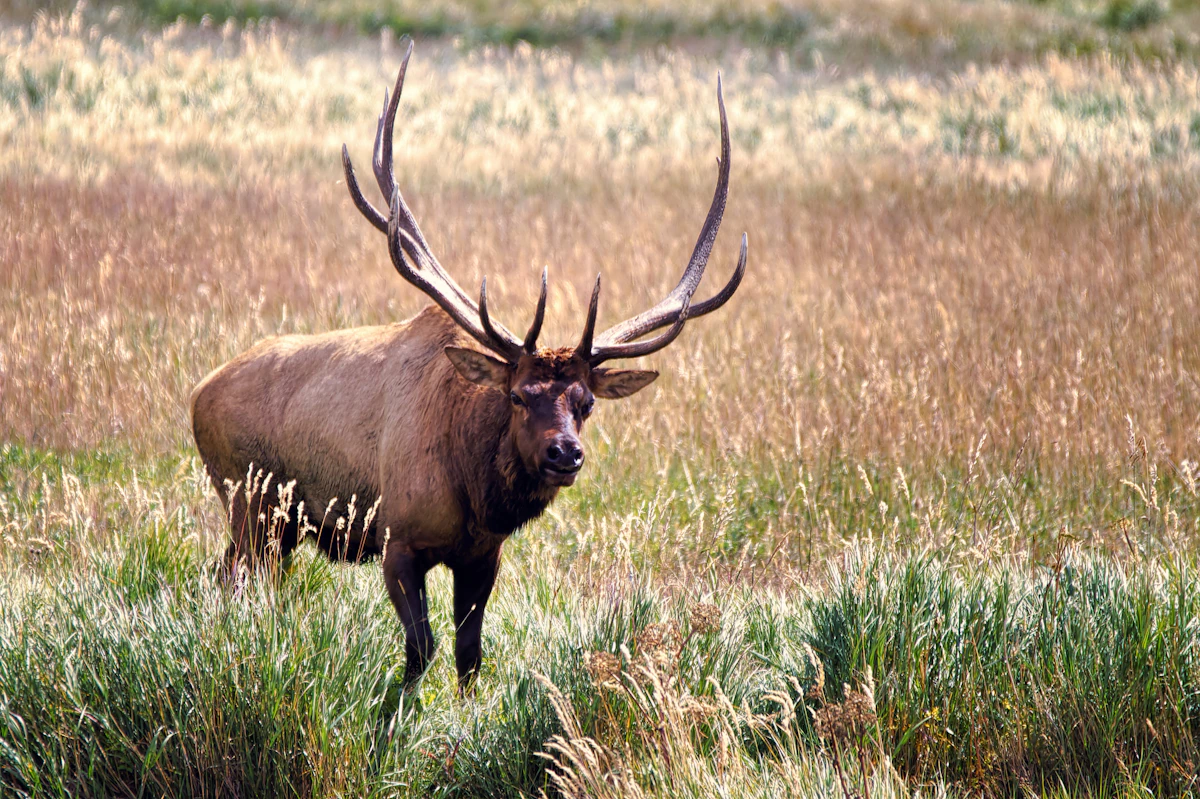
Best Public Land Whitetail States for DIY Hunters in 2025
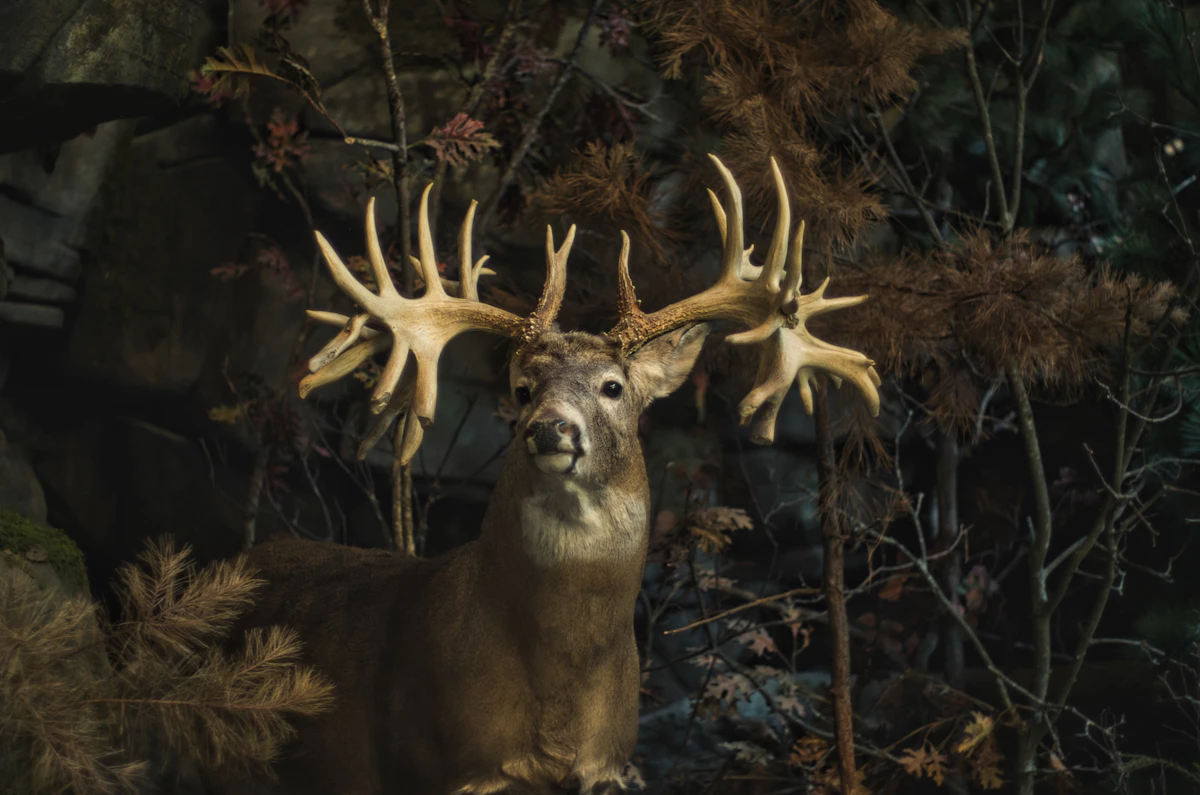
Public land whitetail hunting offers the most accessible path to trophy bucks for hunters without private leases. While Midwestern farm states dominate the Boone and Crockett record books, access to public ground varies dramatically. Kansas Wildlife Management Areas (WMAs) average 180-inch potential in the best units. Iowa walk-in properties deliver consistent 140-class bucks on 400,000 public acres. Illinois state forests and conservation areas hold Midwestern genetics with minimal draw restrictions.
This guide ranks the top public land whitetail states based on trophy potential, public acreage per hunter, tag availability, and terrain that concentrates deer during hunting season. Every state listed offers realistic opportunities for a mature buck without private permission or outfitter fees.
Kansas — Trophy Genetics Meet Walk-In Access
Kansas produces more 180-inch bucks per square mile than any other state, and 1.2 million acres of public land give nonresidents a legitimate chance at Midwestern giants. The Walk-In Hunting Access (WIHA) program adds 800,000 acres of enrolled private farmland across 105 counties, with the best properties concentrated in north-central and northwest Kansas.
Nonresidents draw archery permits through a preference point system, with most units requiring 3-5 points for guaranteed tags. Rifle permits demand 10+ points in premier units like Region 8 and 9, but archery hunters draw consistently in second-tier regions with trophy potential still exceeding 160 inches. The firearm season runs December 1-19, bracketing peak rut activity when mature bucks cruise CRP fields and creek bottoms.
Public land success depends on hunting midweek pressure windows and focusing on WIHA parcels with standing crops adjacent to timber corridors. Kansas bucks pattern quickly under weekend pressure but return to daylight movement by Tuesday. TAGZ maps show WIHA boundaries overlaid with terrain features, letting you identify overlooked properties where crop edges funnel into timbered creeks.
Iowa — Premium Draw Tags Worth the Wait
Iowa's limited nonresident allocation keeps pressure manageable while protecting the state's reputation for Boone and Crockett entries. Nonresidents face a preference point draw for any-sex archery tags, with current odds requiring 3-4 points for consistent draws. Party applications let groups pool points, improving odds for hunts planned years in advance.
Public land totals 400,000 acres across state forests, WMAs, and county conservation areas. Southern Iowa offers the heaviest timber and least hunting pressure, particularly in Stephens State Forest and the Loess Hills region. The late October through early January archery season brackets the November rut, when mature bucks abandon core areas to cruise doe groups.
Iowa bucks average 140-150 inches on public land, with 160-class deer realistic for hunters who scout thoroughly and hunt stands only when wind direction is perfect. Timber ridges connecting bedding thickets to agricultural fields produce the most consistent action during the rut. TAGZ tracks Iowa preference points automatically and alerts you 60 days before the June application deadline, ensuring you never miss a draw cycle.
Illinois — Liberal Tags and Overlooked Public Ground
Illinois sells over-the-counter archery permits to nonresidents with no draw or preference point system. The state offers 580,000 acres of public hunting land across state forests, conservation areas, and the extensive Shawnee National Forest in southern Illinois. Mature buck sightings on public land are common during the November rut, particularly in large timber blocks where hunter density stays manageable.
Northern Illinois holds stronger farm-country genetics, but southern Illinois public land offers better security cover and less fragmented habitat. Shawnee National Forest provides 280,000 contiguous acres where bucks reach full maturity without private land refuge. The October 1 through January 31 archery season gives hunters flexibility to chase cold fronts and rut phases without rushing applications months in advance.
Illinois bucks average 130-140 inches on public land, with 150-class deer achievable by focusing on bedding areas within large timber tracts rather than field-edge staging areas where pressure concentrates. Midweek hunts and mobile setups targeting transition corridors between bedding and feeding produce better results than permanent stands on obvious pinch points. Illinois accepts credit cards for instant tag purchase, making it the easiest Midwestern state for last-minute hunts when weather patterns align.
Missouri — High Success Rates and Abundant Public Access
Missouri offers nonresident archery tags over the counter with a 90-day continuous season running September 15 through January 15. The state manages 1 million acres of public hunting land, including extensive Mark Twain National Forest acreage in southern Missouri and numerous conservation areas statewide. Harvest success rates on public land exceed 30% for archery hunters, among the highest in the Midwest.
Northern Missouri borders Iowa and shares similar agricultural genetics, with mature bucks regularly scoring 140-150 inches. Southern Missouri holds less agricultural influence but offers vast public acreage where hunting pressure dissipates quickly beyond parking areas. The state allows two archery tags per season, giving hunters a second chance after early-season mistakes or the opportunity to fill a doe tag without burning their buck tag.
Missouri bucks respond well to aggressive calling and rattling during the November rut, particularly in public areas where hunting pressure pushes deer into nocturnal patterns. Hunters who set up deep in timber blocks rather than field edges consistently see more daylight buck movement. TAGZ filters Missouri conservation areas by acreage, terrain type, and historical harvest data, identifying overlooked properties where public land bucks reach maturity without constant pressure.
Wisconsin — Northern Genetics and Expansive Public Forests
Wisconsin manages 1.5 million acres of public hunting land, more than any other Midwestern state. Nonresidents purchase over-the-counter archery tags with no draw restrictions. The state's northern forests hold lower deer densities than agricultural regions but produce mature bucks exceeding 150 inches in counties bordering Michigan's Upper Peninsula.
The Wisconsin DNR manages extensive county forest land under a unique system where timber harvest creates edge habitat beneficial for deer while maintaining vast acreage open to public hunting. Northern counties like Bayfield, Iron, and Vilas offer the lowest hunter density and most forgiving terrain for still-hunting and spot-and-stalk approaches. The November rifle season pushes bucks into thick cover, making public land archery hunters during December the most likely to encounter mature deer during daylight.
Wisconsin bucks average 120-140 inches on public land, with genetics improving in southern agricultural counties where pressure also increases. The state allows baiting in most counties, giving hunters an edge in low-density northern forests where bucks travel miles between bedding and feeding areas. Hunters who focus on transition corridors between lowland bedding swamps and upland feeding areas during the late October pre-rut see the most consistent mature buck activity.
Nebraska — Underrated Draw Odds and River-Bottom Giants
Nebraska flies under the radar for most nonresident whitetail hunters despite producing multiple 170-inch bucks annually from public ground along the Platte, Niobrara, and Missouri river corridors. Nonresidents draw archery permits through a preference point system, with most units issuing tags to applicants with 1-2 points. The state manages 340,000 acres of public hunting land, with WMAs concentrated along river bottoms where mature bucks find security cover and agricultural food sources within tight corridors.
The Missouri River corridor in northeast Nebraska holds the state's best public land whitetail hunting, with bucks averaging 140-150 inches in counties bordering Iowa and South Dakota. Standing corn adjacent to timbered river bottoms creates natural funnels where bucks move predictably during the November rut. The archery season runs September 1 through December 31, giving hunters flexibility to hunt cold fronts and multiple rut phases.
Nebraska issues over-the-counter archery permits to residents, keeping nonresident allocations limited but draw odds favorable. Hunters who scout WMAs during summer and identify specific bedding-to-feeding transitions gain a significant advantage over hunters who arrive during season and hunt obvious field edges. TAGZ compares Nebraska draw odds across permit types and shows historical allocation trends, helping you decide whether to apply for archery, muzzleloader, or rifle permits based on your point total.
Ohio — Bonus Points and Diverse Public Habitat
Ohio sells nonresident archery tags over the counter with no draw restrictions and manages 600,000 acres of public hunting land across state forests, wildlife areas, and Wayne National Forest in southeastern Ohio. The state uses a bonus point system for gun permits, but archery hunters enjoy unrestricted access to some of the Midwest's most overlooked public land whitetail hunting.
Southeastern Ohio's Appalachian foothills hold mature bucks in the 140-150 inch range, with less agricultural influence than northern counties but far better security cover. Wayne National Forest provides 240,000 acres of contiguous public land where bucks reach full maturity without private land refuge. The October through February archery season brackets the entire rut period, and Ohio allows unlimited antlerless tags, making it ideal for hunters who want to fill the freezer while holding out for a mature buck.
Ohio bucks respond well to terrain-based setups where ridges funnel into creek bottoms and saddles concentrate travel between bedding and feeding areas. Public land pressure remains moderate compared to neighboring states, particularly on weekdays and in remote corners of large forest blocks. Hunters who use mobile setups and hunt specific wind conditions rather than burning stands on marginal days consistently see more mature bucks.
Application Strategy for Multiple States
Building preference points in Kansas and Iowa while hunting over-the-counter states like Illinois, Missouri, and Wisconsin maximizes opportunities for mature public land bucks. Kansas archery permits require 3-5 points in most regions, meaning a nonresident starting in 2025 draws consistently by 2028. Iowa demands 3-4 points for archery tags, putting first draws around 2028-2029 for new applicants.
While building points, hunt Illinois in October for early-season action, Missouri during the November rut, and Wisconsin during late December when rifle pressure pushes bucks back into daylight movement. This approach keeps you in the field every year while building toward premium Kansas and Iowa tags when you have the experience and scouting knowledge to maximize limited-draw opportunities.
TAGZ tracks preference points and bonus points automatically across all Midwestern states, sending alerts 60 days before application deadlines. The platform shows how many points you need for guaranteed draws in each state and projects future draw odds based on historical trends. Hunters who plan multi-state strategies three to five years in advance hunt better properties with less competition by targeting second-tier units that still produce mature bucks but draw with fewer points.
Stand Placement for Public Land Pressure
Public land whitetail hunting demands different stand placement strategies than private land. Mature bucks on pressured ground avoid field edges during daylight and concentrate movement in transition zones 100-300 yards off food sources. Ridges connecting bedding thickets to agricultural fields produce the most consistent mature buck activity during the rut, particularly when wind direction keeps your scent out of bedding areas.
Hang stands based on wind direction first, terrain features second, and sign third. Public land bucks pattern hunters faster than hunters pattern deer, and a single sit with wrong wind direction educates every mature buck within 300 yards. Mobile saddle hunting or lightweight climbing sticks let you adjust stand locations as wind shifts rather than burning permanent setups on marginal days.
Focus on inside corners where terrain forces deer to adjust travel routes, creating small funnels even in large timber blocks. Public land bucks avoid wide-open flats where they feel exposed to hunting pressure, instead choosing routes that offer multiple escape options and natural screening cover. TAGZ maps overlay terrain features with public land boundaries, letting you identify ridges, saddles, and creek bottoms that concentrate travel without requiring boots-on-the-ground scouting for every property.
Hunting Pressure Windows
Public land whitetail hunting success depends on identifying pressure windows when other hunters stay home. The first cold front after opening day, Thanksgiving week, and late December after Christmas consistently produce the lightest hunting pressure and best mature buck movement. Bucks return to daylight activity within 48 hours of pressure dropping, particularly if weather conditions create movement opportunities.
Midweek hunts from Tuesday through Thursday see dramatically less pressure than weekends across all public land states. Mature bucks that go nocturnal under weekend pressure shift back to late-morning and early-afternoon movement by Wednesday, particularly during the rut when doe estrus overrides pressure avoidance. Hunters who take vacation days for midweek hunts gain a significant advantage over weekend warriors competing for the same stands.
Hunt all-day sits during the November rut rather than morning and evening sessions. Mature bucks cruise doe groups from 10 a.m. to 2 p.m. when most hunters head to the truck for lunch. Pack food and water for 12-hour sits, and stay in the stand through midday lulls when mature bucks make mistakes. Public land bucks that avoid morning movement because of overnight pressure often show up at midday when they assume hunters have left the woods.
Scouting Without Burning Out Properties
Public land scouting requires gathering information without educating deer to human presence. Use trail cameras sparingly and only in locations you can check without contaminating primary hunting areas. E-scouting with TAGZ terrain maps and satellite imagery identifies travel corridors, bedding areas, and food sources without ever entering the woods during hunting season.
Boot scouting belongs in late winter and early spring when bucks have dropped antlers and shifted to post-season patterns. Look for rub lines connecting bedding to feeding areas, scrape lines along ridge edges, and trails entering thick bedding cover from multiple angles. Mature bucks on public land use the same core areas year after year but adjust exact travel routes based on hunting pressure and wind direction.
Save ground-truthing for late summer when you can verify terrain features and stand placement options without bumping deer during hunting season. Pre-hang stands in August so you can slip into position during season without clearing shooting lanes or making noise that alerts deer to setup changes. Public land bucks notice every human intrusion, and the less time you spend in the woods during season, the more likely mature deer move during daylight when you are hunting.
FAQ — Best Public Land Whitetail States
Which state is easiest for nonresidents to draw a whitetail tag?
Illinois, Missouri, and Wisconsin sell over-the-counter archery permits to nonresidents with no draw or point systems. You can purchase tags online and hunt within days of deciding to go.
How many preference points do I need for Kansas or Iowa?
Kansas archery permits require 3-5 points in most regions for consistent draws. Iowa demands 3-4 points for any-sex archery tags. Both states add one point per application year.
Can I hunt multiple states in the same season?
Yes. Hunt over-the-counter states like Illinois and Missouri during the rut while building points in Kansas and Iowa. This strategy keeps you hunting annually while working toward premium draw tags.
What is the best month for public land whitetail hunting?
November offers peak rut activity across all Midwestern states. Mature bucks cruise during daylight and abandon core areas to find receptive does. The second and third week of November produce the most consistent mature buck encounters.
How much public land access do I need for a successful hunt?
Properties exceeding 500 acres offer the best chance at mature bucks because deer can live their entire lives without leaving public ground. Smaller parcels work if they connect to larger habitat blocks through travel corridors.
Do I need private land for trophy whitetails?
No. Kansas, Iowa, and Illinois public land consistently produce bucks exceeding 150 inches. Success requires hunting midweek, focusing on pressure windows, and placing stands based on terrain rather than sign.
Should I use a ground blind or treestand on public land?
Treestands offer better visibility and scent control, but ground blinds work in areas where climbing is impractical. Use mobile setups rather than permanent stands so you can adjust to pressure and wind without leaving equipment that other hunters will find.
How does TAGZ help with multi-state planning?
TAGZ tracks preference points and bonus points across all states, alerts you before application deadlines, and compares draw odds for different permit types. The platform shows unit boundaries, terrain features, and public land access in one interface, eliminating the need to juggle multiple state websites.
Continue Planning Your Hunt
Public land whitetail hunting demands more scouting and patience than private land hunts, but the reward of taking a mature buck without leases or outfitter fees makes every cold morning worthwhile. TAGZ helps you compare units side by side using terrain maps, unit boundaries, and historical draw data. Track your preference points and bonus points across multiple states so you never miss a draw deadline. Whether you are chasing over-the-counter tags in Missouri or planning a trophy Kansas hunt, TAGZ gives you the tools to make smarter decisions before you ever step into the field.
Explore detailed draw odds, unit maps, and public land information at TAGZ. Read more hunt planning strategies on the TAGZ Insights blog. Compare membership options and start tracking your points at TAGZ Pricing. See how the platform simplifies multi-state applications at TAGZ Product.
Was this article helpful?
Previous
Afternoon Elk Bedding Patterns: Where Bulls and Cows Rest During Midday
Elk retreat to predictable bedding areas during afternoon hours to ruminate and escape midday heat. Understanding these patterns helps hunters position for evening movements and increases success during midday stalks.
Next
Best Draw Weight for Elk Hunting: What You Really Need
Choosing the right draw weight for elk hunting balances arrow energy, accuracy, and shooter comfort. Most adult hunters succeed with 60-70 pounds, but your ideal weight depends on draw length, shooting form, and practice commitment.