Afternoon Elk Bedding Patterns: Where Bulls and Cows Rest During Midday
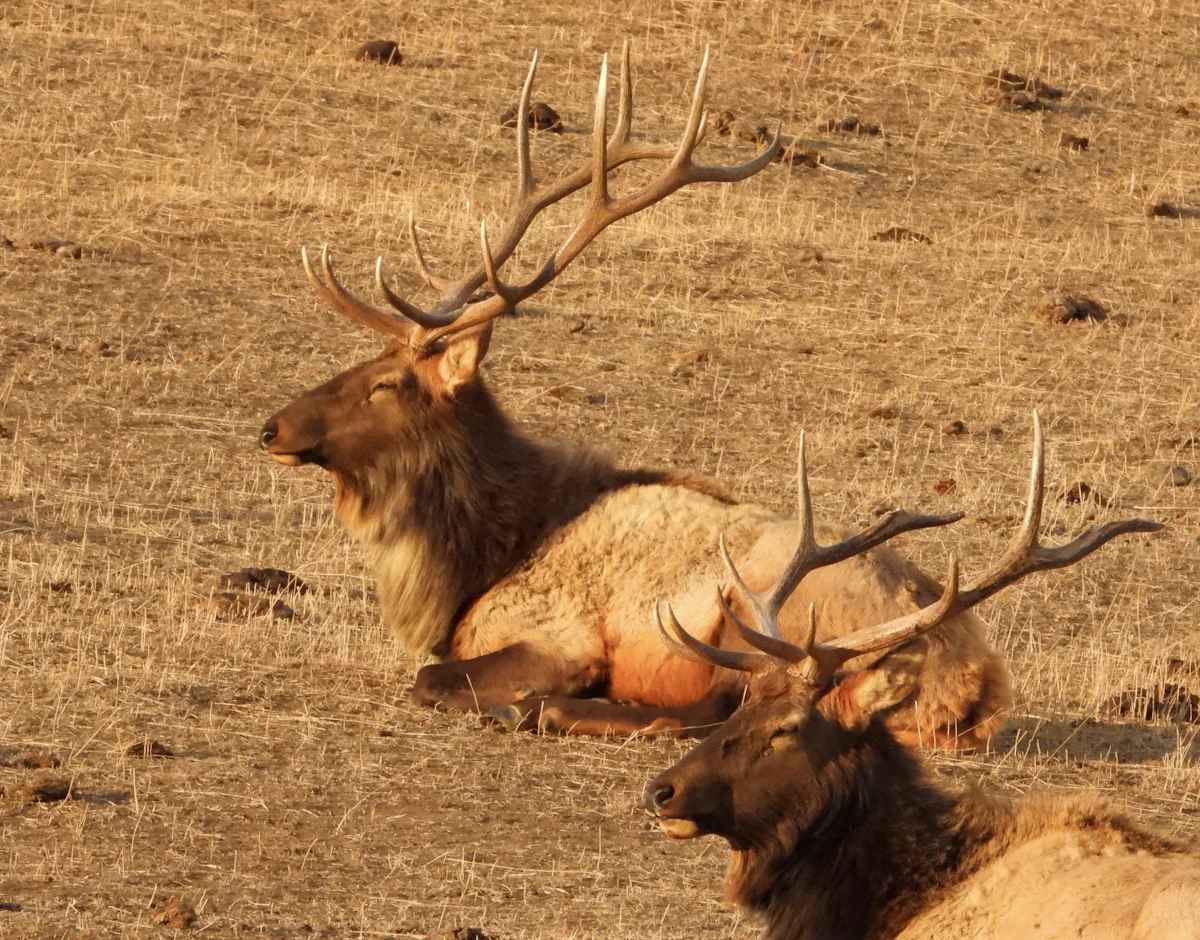
Elk spend roughly half their day bedded, with the longest rest periods occurring during afternoon hours between 10 AM and 4 PM. Understanding where elk choose to bed during these midday hours is critical for hunters planning evening setups or attempting midday stalks. Bulls and cows follow predictable patterns based on terrain, weather conditions, and hunting pressure that repeat across Western mountain ranges.
Why Elk Bed During Afternoon Hours
Elk are ruminants that must regurgitate and rechew their food multiple times to extract nutrients. This process requires extended rest periods where elk lie down to ruminate. After morning feeding sessions that typically end between 9 and 11 AM, elk move to bedding areas where they will spend 4 to 6 hours resting before evening feeding begins.
Afternoon bedding also helps elk thermoregulate during warm weather. Elk have thick coats designed for cold mountain winters, making them vulnerable to heat stress during September and early October hunts. Bedding in shaded, cool locations during the hottest part of the day is a survival behavior, not just a preference.
Hunting pressure intensifies afternoon bedding behavior. In heavily hunted units, elk learn to bed in locations that offer security from human intrusion. They choose bedding sites that provide visibility of approaches, difficult access terrain, or dense cover that makes silent stalking nearly impossible.
North-Facing Slopes and Thermal Cover
North-facing slopes are primary afternoon bedding locations across the West. These slopes receive less direct sunlight, staying 10 to 15 degrees cooler than south-facing exposures during midday hours. Elk instinctively move to these cooler aspects after morning feeding, especially during September hunts when temperatures remain warm.
Thermal cover on north slopes provides both shade and security. Mature timber stands with 40 to 70 percent canopy closure create ideal bedding conditions. Elk can see through the timber to detect approaching threats while remaining concealed from view. Doug fir, lodgepole pine, and spruce forests are preferred species because they maintain year-round foliage that blocks sunlight.
The transition zone where north slopes meet ridgelines is particularly attractive. Elk bed just below ridgelines where they can monitor thermals rising from valley floors while maintaining escape routes over the top. This positioning allows elk to smell danger approaching from below while keeping visual surveillance on approaches from above.
Timbered Pockets and Dark Timber Sanctuaries
Small timbered pockets within larger basins serve as bedding magnets during afternoon hours. These isolated timber stands of 5 to 20 acres often hold multiple elk because they provide security in otherwise exposed terrain. Bulls prefer these pockets during the rut because they can hold cows in a confined area while monitoring for approaching rivals.
Dark timber sanctuaries offer maximum security for pressured elk. These are dense timber stands where sunlight barely penetrates the canopy and deadfall makes walking nearly impossible without noise. Elk bed in dark timber when hunting pressure increases because they know most hunters avoid these miserable stalking conditions. These sanctuaries often hold the most mature bulls in a unit precisely because they are so difficult to hunt effectively.
Bedding in timber allows elk to use their hearing advantage. In open terrain, elk rely heavily on vision to detect threats. In timber, their superior hearing becomes the primary defense. Any snapping twig or rustling clothing alerts bedded elk long before a hunter gets within shooting range.
High Elevation Ridges Above Treeline
Elk in alpine units often bed on high ridges above treeline during afternoon hours. This behavior seems counterintuitive because these exposed locations lack shade, but they provide unmatched security advantages. Elk bedded on ridges can see approaching threats from all directions across open alpine terrain.
Wind patterns make high ridge bedding extremely secure. Thermals rise from valley floors during afternoon hours, carrying scent upward to bedded elk. Any hunter approaching from below broadcasts their scent hundreds of yards in advance. Elk monitor these thermals constantly while bedded, swiveling their ears and noses to sample the rising air currents.
High bedding locations also provide escape advantages. Elk can drop off either side of a ridge when threatened, using terrain to break visual contact within seconds. They often bed just below the ridgeline on the lee side, protected from prevailing winds while maintaining surveillance over the windward approach.
Water Sources and Wallows
Elk rarely bed directly adjacent to water sources, but afternoon bedding areas are typically within 200 to 400 yards of creeks, springs, or wallows. This proximity allows elk to drink during midday hours without extensive travel. Bulls during the rut maintain bedding areas near wallows they frequent, reducing the distance they must move while tending cows.
Seeps and springs in timbered areas create premium bedding zones. These small water sources provide drinking opportunities while the surrounding timber offers thermal cover and security. Elk bed in a circle around these water sources, with each animal positioned to monitor different approach angles.
Wallows influence bedding site selection more than hunters realize. Bulls bed downwind of wallows during the rut, positioning themselves to intercept approaching cows or rival bulls. The mud-covered scent from wallowing coats their bodies and hair, creating additional olfactory camouflage while bedded.
Feeding Area Proximity and Distance
The distance between morning feeding areas and afternoon bedding sites varies by hunting pressure and terrain. In unhunted areas, elk may bed within 200 yards of feeding areas, simply moving into adjacent timber. In pressured units, elk travel 1 to 2 miles between feeding and bedding zones, putting significant distance between themselves and human activity.
Elk almost never bed in the same location where they feed. Even in units with minimal pressure, elk instinctively separate feeding and bedding activities. This behavior evolved as predator avoidance because wolves and mountain lions pattern elk by observing feeding areas. Elk that bed near feeding sites become predictable targets.
Evening feeding areas are typically closer to afternoon bedding sites than morning feeding areas. Elk bed in locations that allow easy access to evening feed without crossing exposed terrain during daylight. This positioning means hunters glassing evening feeding areas should study the nearest timber and north slopes for bedding zones.
How Bulls Bed Differently Than Cows
Mature bulls bed alone or in small bachelor groups outside the rut, choosing more secure locations than cow groups. Bulls select bedding sites with excellent visibility and multiple escape routes because their larger body size makes them slower to react when surprised. They bed where they can see threats approaching from 100 yards or more.
During the rut, herd bulls bed within their cow groups but position themselves on the downwind side. This placement allows bulls to monitor approaching rivals by scent while keeping cows in visual range. Bulls rarely lie down for extended periods during peak rut, instead standing or bedding in short sessions while constantly monitoring their harems.
Cow groups bed in tighter clusters than bulls, often within 20 to 50 yards of each other in the same timber stand. This grouping behavior provides collective security, with multiple sets of eyes, ears, and noses monitoring for danger. Cow groups use sentries while bedded, with at least one cow remaining standing to watch approaches while others ruminate.
Weather Impacts on Bedding Location
Rain and snow dramatically change afternoon bedding patterns. During precipitation, elk bed in thicker timber where canopy cover blocks rain or snow. They move to spruce and fir stands rather than aspen or pine because conifer canopies shed moisture more effectively. Bedded elk position themselves on the lee side of ridges to escape wind-driven precipitation.
Extreme heat pushes elk to the coolest available locations regardless of security concerns. During hot September days, elk abandon exposed ridges entirely and concentrate in shaded creek bottoms, north-facing timber, and high-elevation snowmelt basins. These thermal refuges become predictable bedding locations during heat waves.
Wind direction determines exact bedding placement within chosen areas. Elk always bed where prevailing afternoon winds carry scent from likely approach angles. In units where thermals rise predictably each afternoon, elk bed on upper slopes facing valley bottoms. When afternoon winds blow consistently from one direction, elk bed on downwind slopes facing into the wind.
How Hunting Pressure Alters Bedding Behavior
The first weekend of archery or rifle season immediately changes elk bedding patterns in accessible units. Elk abandon bedding areas near roads and trails, moving to locations requiring 2 to 4 miles of hiking to reach. This shift happens within 48 hours of season opening as elk quickly associate human scent and noise with danger.
Pressured elk bed in nastier terrain than undisturbed elk. They choose steep, loose shale slopes that make silent approaches impossible. They select blowdown patches where deadfall creates physical barriers to walking. They bed in swamps, alder thickets, and oakbrush where visibility is less than 20 yards. These locations are miserable for hunters but provide maximum security for elk.
Consistent pressure from multiple hunters causes elk to abandon traditional bedding areas entirely. In popular OTC units, elk shift bedding zones every 3 to 5 days during the season, never establishing predictable patterns. They bed during morning hours and feed at night, reversing their natural activity cycles to avoid human encounters.
Reading Terrain for Bedding Predictions
Topographic maps reveal likely bedding areas before you ever hike the unit. Look for north-facing slopes between 8,000 and 10,000 feet with timbered pockets marked on the map. Identify ridges that drop into multiple drainages, providing escape routes in several directions. Mark benches and saddles below ridgelines where elk can bed with visibility advantages.
Density of contour lines indicates bedding terrain quality. Moderate slopes where contour lines are spaced 50 to 100 yards apart allow comfortable bedding while steep slopes compressed into tight contour bands are less attractive. Elk prefer bedding where they can lie down comfortably on moderate slopes rather than perching on steep terrain.
Historic aerial imagery and satellite photos available through TAGZ show vegetation density and timber cover that indicate bedding locations. Dark green areas within mixed terrain represent thick canopy cover where elk bed. Compare multiple years of imagery to identify permanent timber stands that provide consistent bedding across seasons.
Timing Your Approach to Bedded Elk
Elk are most vulnerable during the first 30 minutes after bedding, before they fully settle and establish surveillance. Hunters who can position themselves along travel corridors between feeding and bedding areas during this transition window intercept elk before they establish security. This requires pre-dawn hiking to reach ambush points before elk leave feeding areas.
Midday stalks on bedded elk demand perfect conditions: steady wind, damp ground for quiet walking, and overcast skies that reduce visibility of movement. Attempt these stalks only when you have strong intelligence on exact bedding locations from previous scouting. Blind stalking into likely bedding areas without confirmed elk locations results in bumping elk far more often than getting shooting opportunities.
Evening hunting near bedded elk is often more productive than trying to reach them during midday. Position yourself between known bedding areas and evening feeding zones 2 to 3 hours before dark. Elk leaving bedding areas move cautiously but predictably along the same routes repeatedly, creating interception opportunities without dangerous midday stalks.
Using TAGZ to Identify Bedding Terrain
TAGZ helps you compare units side by side using terrain maps that show elevation, aspect, and vegetation cover critical for predicting bedding locations. Study north-facing slopes and timbered ridges using the interactive unit maps before you ever apply for a tag. Filter units by terrain features that match proven bedding characteristics in the elevation and vegetation zones where elk concentrate during your hunt dates.
Track your preference points and bonus points across multiple states so you can target units with the bedding terrain that matches your hunting style. Draw deadline tracking ensures you never miss application windows for units where terrain analysis reveals prime bedding habitat. Whether you are planning a DIY backpack hunt or a trophy limited-entry tag, understanding bedding patterns before the season starts gives you a critical advantage.
TAGZ consolidates public land boundaries and access points with terrain features so you can identify bedding areas that are actually accessible within your tag restrictions. Compare historical draw data for units with large roadless areas and extensive north-facing slopes where elk bed undisturbed during afternoon hours. Make smarter draw decisions by understanding how terrain influences elk behavior in each unit before you burn points.
FAQ — Afternoon Elk Bedding Patterns
What time do elk typically bed down in the afternoon?
Elk typically bed between 10 AM and 11 AM after morning feeding ends. They remain bedded for 4 to 6 hours, usually standing and moving toward evening feeding areas between 3 PM and 5 PM depending on hunting pressure and weather conditions.
Do elk bed in the same location every afternoon?
Elk often return to the same general bedding areas repeatedly when undisturbed, using the same north-facing timber stands or ridge systems throughout the season. However, they shift exact bedding spots within those areas by 50 to 200 yards based on daily wind direction and recent human activity.
How close to water do elk bed during afternoon hours?
Elk typically bed 200 to 400 yards from water sources, close enough to drink during midday hours without extensive travel but far enough to avoid predators that pattern water holes. Bedding areas are almost always within easy walking distance of creeks, springs, or wallows.
Can you successfully hunt bedded elk during midday?
Yes, but only under perfect conditions including steady wind, damp ground for silent stalking, and confirmed knowledge of exact bedding locations. Blind stalking into likely bedding areas without intelligence usually results in bumping elk at long range before you see them. Most hunters have better success positioning between bedding and feeding areas during transition periods.
Do bulls and cows bed in different locations?
Mature bulls outside the rut bed alone or in small bachelor groups in more secure locations with better visibility than cow herds use. During the rut, bulls bed within their cow groups but position themselves on the downwind side. Cow groups bed closer together in tighter clusters for collective security.
How does hunting pressure change afternoon bedding patterns?
Hunting pressure pushes elk to bed farther from roads and trails, typically 2 to 4 miles into backcountry terrain within the first weekend of season. Pressured elk also choose nastier terrain including steep shale slopes, blowdown patches, and thick brush where human access is difficult and noisy.
What terrain features indicate afternoon bedding areas?
North-facing slopes between 8,000 and 10,000 feet with mature timber cover are primary indicators. Look for timbered benches just below ridgelines, isolated timber pockets within larger basins, and dark timber stands with dense canopy closure shown on satellite imagery. Moderate slopes where contour lines space evenly are preferred over steep terrain.
Do elk bed above or below treeline during afternoon hours?
Both, depending on hunting pressure and weather. In alpine units with minimal pressure, elk bed on high ridges above treeline for maximum visibility and security. In most hunted units, elk prefer bedding in timber just below treeline where they have shade, thermal cover, and concealment while maintaining access to alpine feeding areas.
Continue Planning Your Hunt
Understanding afternoon bedding patterns is just one piece of successful elk hunting. TAGZ helps you identify units with the terrain features that create predictable bedding locations before you ever apply for a tag. Compare units side by side using detailed terrain maps, elevation profiles, and vegetation data that reveal where elk bed during midday hours across Western states.
Track your preference points and bonus points across multiple states with TAGZ so you can target units where terrain analysis shows extensive north-facing slopes and timbered ridges in your preferred elevation zones. Never miss a draw deadline with automated tracking that reminds you when to apply for tags in units where you have decoded bedding patterns through map study.
Whether you are chasing OTC tags in Colorado or planning a trophy limited-entry hunt in Nevada, TAGZ gives you the tools to make smarter decisions before you step into the field. Filter units by weapon type, season dates, and terrain characteristics to find hunts that match your style of hunting bedded elk. Start planning your next hunt at getmytagz.com.
Explore more elk hunting strategies and unit breakdowns on the TAGZ Insights blog. Compare draw odds and analyze hunt statistics with detailed filtering tools available through TAGZ membership plans. Learn how the platform simplifies western hunt planning at getmytagz.com/product.
Was this article helpful?
Previous
Best Draw Weight for Elk Hunting: What You Really Need
Choosing the right draw weight for elk hunting balances arrow energy, accuracy, and shooter comfort. Most adult hunters succeed with 60-70 pounds, but your ideal weight depends on draw length, shooting form, and practice commitment.
Next
Best Public Land Whitetail States for DIY Hunters in 2025
Kansas, Iowa, Illinois, Missouri, and Wisconsin lead the nation for public land whitetail hunting, offering trophy potential, accessible land, and liberal tag opportunities. This guide breaks down draw systems, public acreage, and stand placement strategies for each state.