The Different Sounds Elk Make Explained: A Complete Guide for Hunters
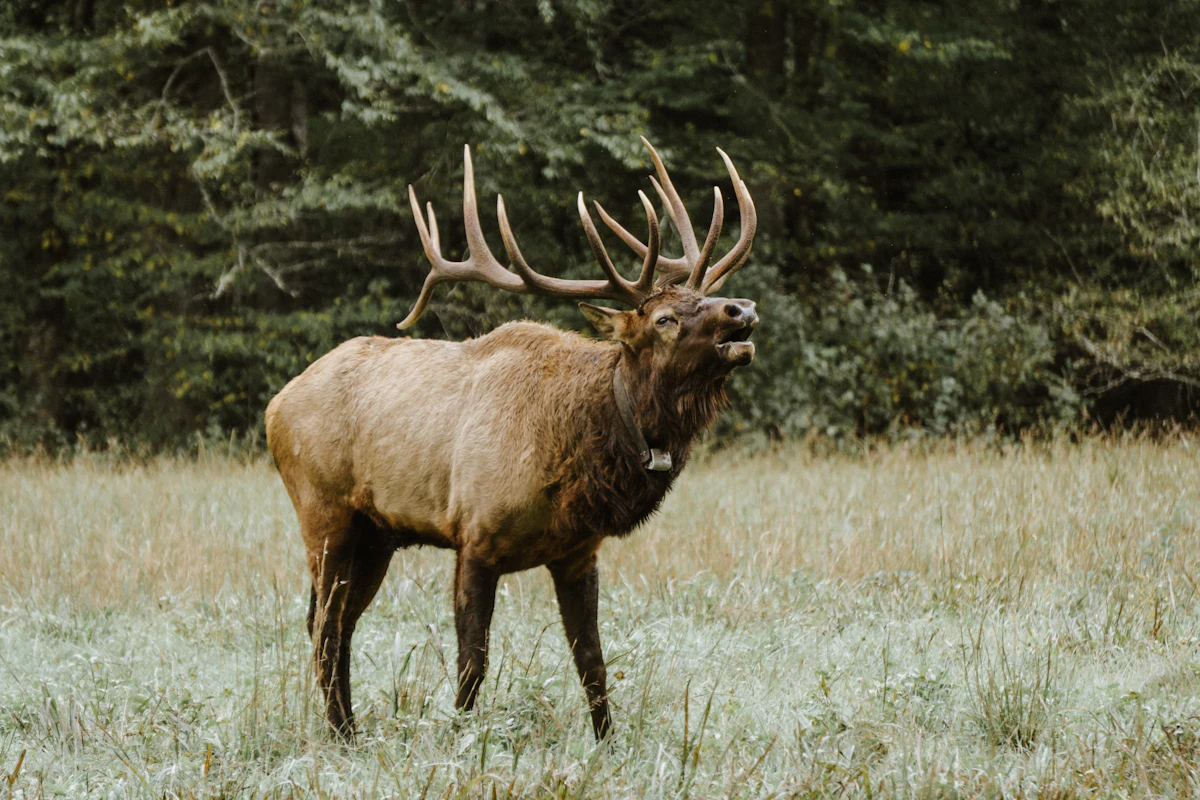
Elk are among the most vocal big-game animals in North America, and their sounds tell a story if you know how to listen. Bulls bugle to announce dominance, cows mew to keep the herd together, and calves chirp to stay close to their mothers. Each vocalization serves a purpose, and understanding these sounds gives hunters a tactical advantage when planning setups, calling sequences, and stalking strategies during the rut and beyond.
This guide breaks down every major elk sound, what triggers it, and how to use that knowledge in the field. Whether you are chasing a herd bull in September or scouting late-season meadows in November, recognizing these vocalizations helps you read elk behavior and make smarter hunting decisions.
The Bugle: Dominance, Location, and Challenge
The bugle is the signature sound of a rutting bull elk. It starts as a low growl, builds into a high-pitched scream, and often ends with grunts or chuckles. Bulls bugle to announce their presence, advertise their dominance, and challenge rival males. A mature herd bull bugles to warn satellite bulls away from his cows, while younger bulls sometimes bugle to test their status without committing to a fight.
Bugles peak during the rut, typically mid-September in most western states, but bulls can bugle from late August through early October depending on elevation and weather. Cooler mornings and evenings trigger the most vocal activity. Bulls also bugle when they lose cows, when they hear another bull, or when they are moving between bedding and feeding areas.
Hunters use bugles to locate bulls from a distance and to provoke responses during calling sequences. A bugle tells you a bull is in the area, but the tone and frequency reveal his confidence. Aggressive, repetitive bugles from the same drainage often indicate a herd bull defending cows. Sporadic bugles from different locations suggest satellite bulls cruising for opportunities.
TAGZ helps you identify prime bugling zones by mapping public land boundaries, analyzing terrain features like ridgelines and meadows where bulls vocalize most, and tracking historical harvest data to confirm where mature bulls have been killed during peak rut dates. Compare units side by side to find areas with consistent bugling activity and manageable hunting pressure.
Chuckles and Grunts: Aggression and Confidence
Chuckles and grunts are short, rhythmic sounds bulls make immediately after a bugle or while tending cows. Chuckles sound like a series of low, staccato grunts, often described as "uh-uh-uh-uh." Bulls chuckle when they are aggressive, confident, or fired up. A bull chuckling behind cows is warning other bulls to stay away. A bull chuckling toward a call is telling you he is coming in ready to fight or investigate.
Grunts are deeper and slower, often used when bulls are moving through timber, pushing cows, or trailing a hot cow. Mature bulls grunt more than younger bulls, and the sound carries a tone of authority. If you hear grunting without bugles, a herd bull is likely tending cows and not interested in vocalizing unless challenged.
Hunters can mimic chuckles to sound more realistic after a bugle or to convince a bull that another male is nearby. Chuckling during a calling sequence adds aggression and confidence, which can pull in a bull that otherwise might hang back. Grunts work well in close quarters, especially when setting up near a bedding area or when trying to stop a bull for a shot.
Cow Calls: Mews, Chirps, and Contact Sounds
Cow elk use mews and chirps to communicate with the herd, locate calves, and signal their location to bulls. A mew is a soft, nasal sound that rises slightly at the end, similar to a calf's chirp but lower in pitch. Cows mew constantly during the rut to stay in contact with other cows and to signal receptiveness to bulls. A single mew might mean "I am here," while a series of mews often indicates the herd is moving or regrouping.
Chirps are higher-pitched and shorter, used primarily by calves to locate their mothers. Calves chirp frequently when separated from the herd or when the group is moving through thick timber. Cows respond with mews to guide calves back, creating a back-and-forth rhythm that keeps the herd cohesive.
Hunters rely on cow calls more than any other vocalization because they sound non-threatening and pull bulls into range without spooking satellite bulls or alerting the herd. Cow calling works throughout the rut and even into late September when bulls stop bugling but still respond to cows. A well-timed mew can stop a bull at 40 yards or convince a herd to move toward your position.
TAGZ maps terrain features like benches, saddles, and transition zones where cow herds bed and feed, giving you precise locations to practice cow calling setups. Use unit boundaries and public land overlays to identify areas where calling pressure is lower and bulls respond more aggressively to cow sounds.
Barks: Alarm and Danger Signals
Elk bark when they sense danger. A bark is a sharp, loud, single-note sound that punches through the air like a dog's warning bark. Cows bark most often, usually when they detect movement, hear an unfamiliar sound, or smell something wrong. Once one cow barks, the rest of the herd goes on alert, and the group often moves quickly toward cover.
Bulls rarely bark, but when they do, it signals serious alarm. A barking bull has likely spotted or winded you, and the hunt is over unless you can reposition and intercept the herd's escape route. Barks carry a long distance, so if you hear one while setting up, freeze and wait. Sometimes the herd will settle and return to feeding if they do not confirm the threat.
Hunters should avoid triggering barks by moving slowly, staying downwind, and choosing setups with good cover. If you hear a bark, do not immediately call back. Wait several minutes, then try a soft cow mew to reassure the herd. Aggressive calling after a bark almost always pushes the herd out of range.
Squeals and Screams: Cow Receptiveness and Bull Fights
Squeals are high-pitched, drawn-out sounds cows make when they are ready to breed. A receptive cow squeals to signal her status to nearby bulls, often triggering intense competition among multiple males. Squealing cows attract herd bulls and satellite bulls, creating chaotic, high-energy moments during peak rut.
Bulls also produce screaming or squealing sounds during fights. When two bulls clash, they grunt, squeal, and rake their antlers together in a chaotic mix of aggression and dominance testing. These sounds carry far and often pull in other bulls looking to challenge the winner or steal cows during the distraction.
Hunters rarely need to mimic squeals, but recognizing them in the field helps you understand herd dynamics. If you hear squealing, multiple bulls are competing, and positioning yourself between the fight and the escape route can put you in range of a bull moving to cut off cows.
Raking and Thrashing: Non-Vocal Communication
While not a vocalization, the sound of a bull raking his antlers against trees and brush is a critical auditory cue. Bulls thrash vegetation to mark territory, release aggression, and advertise their presence. Raking sounds like cracking branches and scraping bark, often accompanied by grunts or chuckles.
Hunters can replicate raking by dragging a stick or branch through deadfall, which adds realism to a calling sequence and convinces bulls that another male is nearby. Raking works best in combination with bugles and chuckles, especially when trying to pull a reluctant bull out of heavy cover.
TAGZ helps you locate prime raking zones by identifying transition corridors, saddles, and ridgelines where bulls move between bedding and feeding areas. Use terrain breakdowns to find thick timber pockets where bulls feel secure enough to thrash and vocalize without pressure.
How to Use Elk Sounds in Your Hunting Strategy
Understanding elk sounds matters most when you can apply that knowledge in the field. Start by locating bulls early in the morning with locator bugles from high points. Listen for responses, then move toward the sound while staying downwind. Use terrain to your advantage by setting up in funnels, benches, or meadow edges where bulls naturally travel.
Once you locate a bull, match your calling to his mood. If he bugles aggressively, answer with a bugle and chuckle to challenge him. If he bugles once and goes quiet, switch to soft cow mews to sound non-threatening. If he has cows and refuses to leave them, circle downwind and call from a position that forces him to come to you or risk losing cows to a rival.
Pay attention to time of day and weather. Bulls bugle most during cool mornings and evenings. Midday calling works in heavy timber where bulls bed with cows. Overcast days and light rain increase vocal activity because elk feel more secure moving and vocalizing without the intensity of direct sun.
TAGZ simplifies hunt planning by tracking draw odds, preference points, and bonus points across multiple states. Filter units by weapon type, season dates, and terrain features to find areas where elk vocal activity peaks during your hunt dates. Compare units side by side using historical harvest data and public land boundaries to maximize your chances of encountering vocal, callable bulls.
When Elk Stop Making Sounds
Elk go silent for several reasons, and recognizing the shift helps you adjust tactics. After the rut, bulls stop bugling and chuckling, relying instead on quiet grunts and movement to interact with cows. Late-season bulls vocalize less because they are recovering from the rut and focusing on feeding rather than breeding.
High hunting pressure also silences elk. Bulls that hear too many calls or experience close encounters with hunters often shut down and refuse to respond. In heavily pressured units, bulls may bugle only once or twice per morning, if at all. Cows still mew, but the herd becomes more cautious and less responsive to calling.
Hunters in pressured areas should rely on glassing, stalking, and ambush setups rather than aggressive calling. Use terrain to predict travel routes, set up near water sources, and wait for elk to move naturally rather than trying to pull them with calls. TAGZ maps public land boundaries and terrain features to help you identify low-pressure zones where elk still respond to calls and vocalize freely.
FAQ — Elk Sounds and Vocalizations
What does an elk bugle sound like?
An elk bugle starts as a low growl, rises into a high-pitched scream, and often ends with grunts or chuckles. It sounds like a combination of a whistle and a roar.
Do cow elk bugle?
No. Only bulls bugle. Cows produce mews, chirps, and barks but do not have the vocal anatomy to bugle like bulls.
What does it mean when an elk barks?
A bark signals alarm. Cows bark when they detect danger, and the sound puts the entire herd on alert. Once an elk barks, the herd usually moves quickly toward cover.
When do elk make the most noise?
Elk are most vocal during the rut, typically mid-September, with peak activity occurring during cool mornings and evenings. Bulls bugle, chuckle, and grunt most aggressively during this period.
Can you call elk outside the rut?
Yes. Cow calls work year-round because elk use mews and chirps to communicate regardless of season. Bulls respond less aggressively after the rut, but cows still answer calls.
What is the best elk call for beginners?
A simple cow call. Cow mews are easy to produce, sound natural, and work throughout the rut and beyond. Mastering cow calls before attempting bugles improves success rates and reduces the risk of sounding unnatural.
Continue Planning Your Hunt
Elk vocalizations give hunters a tactical edge, but success depends on putting yourself in the right unit at the right time. TAGZ helps you compare draw odds, track preference points and bonus points across multiple states, and filter units by terrain, weapon type, and season dates. Use unit maps, historical harvest data, and public land overlays to identify zones where elk vocalize freely and respond to calls without heavy pressure.
Whether you are chasing a herd bull in Colorado, calling satellite bulls in Montana, or hunting late-season transitions in Idaho, TAGZ simplifies the research and gives you confidence before you ever step into the field. Explore hunt planning tools, compare units side by side, and track draw deadlines so you never miss an opportunity.
Visit TAGZ Insights for more hunting strategy articles, check out the TAGZ platform to start planning your next hunt, or review pricing options to access the full suite of draw odds, point tracking, and terrain analysis tools. Start making smarter decisions today at getmytagz.com.
Was this article helpful?
Previous
Lip Bawl Bugles Explained: When and Why Bulls Make This Sound
The lip bawl bugle is one of the most misunderstood elk vocalizations. Understanding when bulls use this distinctive call and what it signals can help hunters decide whether to respond aggressively or back off.
Next
Calling Elk in Open Country: Proven Strategies for Wide-Open Terrain
Calling elk in open country demands different tactics than timber hunting. Learn how to use terrain, wind, and strategic positioning to bring bulls into range when timber and cover are scarce.