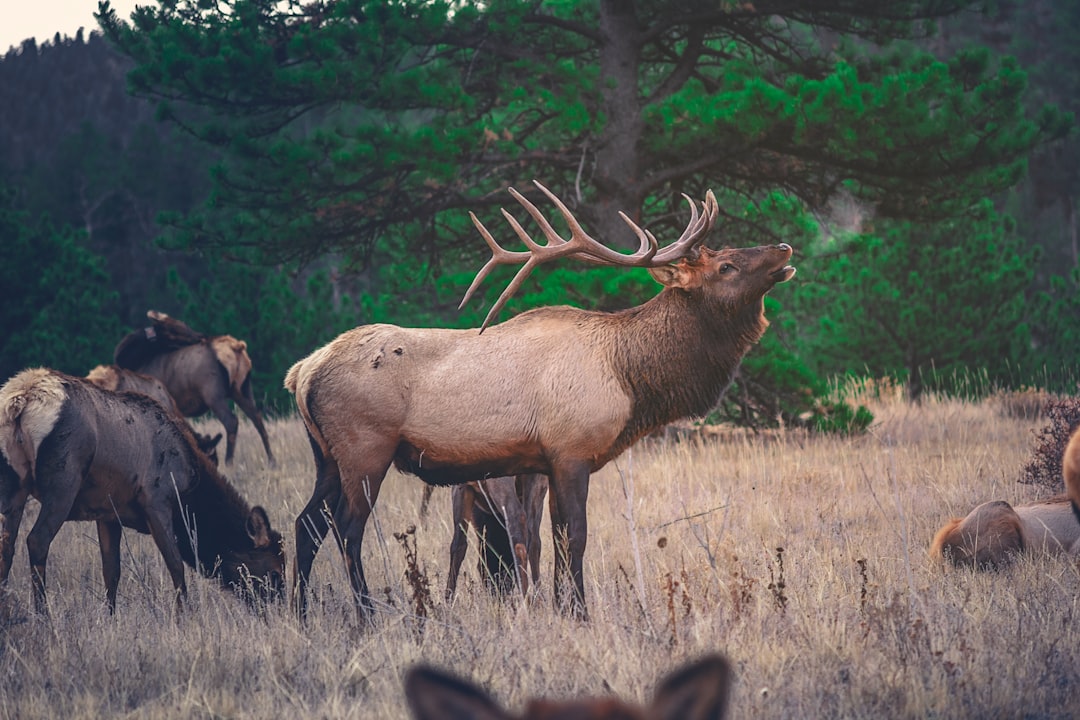
Calling Elk in Open Country: Proven Strategies for Wide-Open Terrain
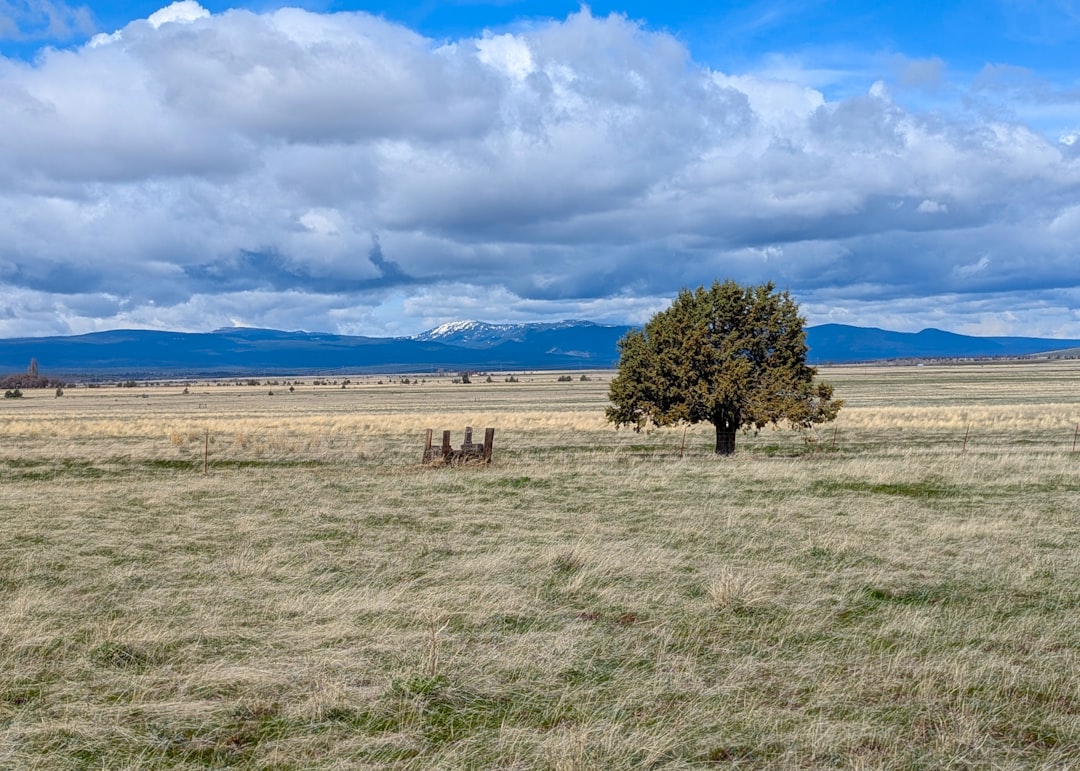
Calling elk in open country feels like chess on a mountainside. You can see for miles, the bull can see just as far, and every move matters. Unlike timber hunting where thick cover masks your approach and hides your setup, open-country elk calling requires you to think three moves ahead. The good news? Bulls in open terrain are often more vocal, more visible, and more willing to cover ground when they hear the right sounds. The challenge is making sure they cover ground toward you instead of circling downwind or hanging up just outside your effective range.
This guide breaks down the fundamentals of calling elk across sagebrush flats, alpine basins, and open ridgelines where concealment is limited and wind direction determines success or failure.
Why Open Country Changes the Calling Game
In thick timber, a bull might commit to a call from 200 yards away because he cannot see the source. He pushes through deadfall and dark timber expecting to find a cow or rival bull just ahead. In open country, that same bull can glass your position from half a mile away. If he sees terrain that does not match the sound, spots movement that does not belong, or catches a thermal carrying your scent, he will circle, hang up, or disappear over the next ridge.
Open terrain also amplifies sound differently. Your calls carry farther, which can be an advantage when trying to locate distant bulls at first light. But it also means you are broadcasting your position to every elk within earshot. A bull that hears you might respond from a ridge two drainages over, then move toward you along a route you never anticipated. Reading terrain and predicting how elk will navigate open country becomes as important as the calling sequence itself.
The lack of cover also limits your setup options. You cannot hide behind a spruce tree while a bull closes the distance. Instead, you need to use terrain features like ridgelines, rock outcroppings, brush pockets, and shallow draws to break up your outline and control the bull's approach angle.
Wind Direction is Everything in Open Country
Wind management in open country is not a best practice. It is the entire foundation of your setup. Thermals rise in the morning as the sun heats the ground, then reverse and fall in the evening as temperatures drop. Mid-day winds in open basins can swirl unpredictably, especially in complex terrain with multiple ridges and drainages. A bull might start his approach into a clean headwind, then catch your scent 300 yards out when a thermal shifts.
Before you make a single call, study the wind. Use a wind checker or milkweed seed to confirm direction at ground level, then watch how thermals behave as the sun climbs. In the early morning, position yourself on the downhill side of where you expect a bull to appear. As thermals rise, your scent moves uphill and away from the approach route. In the evening, reverse this strategy and set up above where you expect the bull to come from so falling thermals carry your scent downhill and away.
If you are calling from a ridgetop or saddle where wind direction is shifting constantly, be prepared to abandon the setup and reposition. A bull that catches your scent once will not give you a second chance that day. In open country, wind discipline matters more than how well you can run a bugle tube or cow call.
Use Terrain to Control the Bull's Approach
Open country does not mean flat country. Even in wide-open basins, small terrain features can hide your position and funnel a bull toward your setup. Look for shallow draws, rock outcroppings, sagebrush pockets, or slight rises that block a bull's view until he is inside your effective range. The goal is to position yourself so the bull cannot see you until the final 50 to 100 yards.
If you are bowhunting, this becomes even more critical. You need the bull to commit fully before he has a chance to study your position. One effective strategy is to set up just below a ridgeline or rise where a bull has to crest the top before he can see you. Call from that position so the sound appears to come from just over the ridge. When the bull tops out, he expects to see the source immediately, giving you a narrow window to draw and shoot before he processes what he is looking at.
For rifle hunters, terrain control still matters but the equation changes. You can take advantage of longer shooting distances, but you still want to use terrain to predict where the bull will stop or pause. Bulls often hesitate at the edge of a meadow, just before cresting a rise, or when they reach a saddle. If you can predict those pause points based on terrain, you can set up with a clear shooting lane already ranged and ready.
Match Your Calling Volume to the Distance
In open country, sound carries. A full-volume bugle can reach across multiple drainages, which is useful for locating bulls at first light but less useful when trying to bring a bull the final 200 yards. Once you have a bull responding and moving toward you, scale back your volume and frequency. Over-calling in open terrain is one of the fastest ways to spook a bull that can see for miles.
If a bull is 800 yards out and bugling hard, match his intensity with aggressive bugles and challenge calls. This keeps him fired up and moving your direction. As he closes to 400 yards, start mixing in softer cow calls and mews. This shifts the dynamic from confrontation to curiosity. The bull is no longer charging in to fight. He is searching for the cow he heard.
When the bull reaches 200 yards and you can see him glassing your position, go quiet or use very soft, subtle calls. A single mew or chirp is often enough to pull him those final yards. If you keep hammering on a bugle tube when he is already committed, you risk making him suspicious. Bulls in open country expect to see what they are hearing. If the sound does not match the terrain or the situation, they will hang up.
Positioning for the Shot: Rifle vs. Bow
Rifle hunters have more flexibility in open-country setups because effective range extends to 300 yards or more depending on skill and conditions. This allows you to call from ridgelines or elevated positions where you can glass multiple approach routes and take the shot as soon as the bull enters rifle range. The trade-off is that bulls can also spot you more easily at those distances, so concealment and movement discipline still matter.
Bowhunters face a harder problem. You need the bull inside 60 yards, ideally closer, and you need him distracted or stopped when you draw. In open country, this usually means calling from a position where terrain hides you until the final approach. Rock piles, sagebrush clusters, shallow folds in the ground, and small rises all become critical setup features. If you are hunting with a partner, one person can call from 50 to 75 yards upwind or off to the side while the shooter sets up along the likely approach route. This splits the bull's attention and gives the shooter a better chance at an undetected draw.
Another bowhunting strategy is to use a decoy in open country. Bulls that are reluctant to commit fully will often close the distance to investigate a visible cow or raghorn decoy. Position the decoy 20 to 30 yards upwind of your shooting position so the bull focuses on the decoy while you draw. This works best in the pre-rut and early rut when bulls are more curious than aggressive.
Reading Bull Behavior in Open Terrain
Bulls in open country often behave differently than timber bulls. They are more visible, more vocal, and more willing to cover ground quickly when they hear a challenge bugle or estrus cow call. But they are also more cautious because they can see farther and assess threats from greater distances.
If a bull responds to your initial locator bugle but then goes silent, he may be moving toward you without vocalizing. In timber, you can track his approach by listening for breaking branches or hooves on duff. In open country, you often will not hear him until he is close. Set up with a clear view of likely approach routes and glass constantly. Bulls will sometimes circle downwind, stop on a distant ridge to study your position, or move parallel to you while staying just out of range.
If a bull hangs up 300 to 400 yards out and refuses to commit, resist the urge to keep calling. Instead, try going silent for five to ten minutes. Sometimes the absence of sound creates more curiosity than continued calling. If that does not work, reposition 100 to 150 yards and call again from a new location. This can reset the bull's perception and make him think the elk he heard has moved, triggering a chase response.
Common Mistakes in Open Country Calling
The biggest mistake hunters make in open country is over-calling. When you can see for miles and a bull is visible on a distant ridge, the temptation is to keep bugling to hold his attention. But bulls in open terrain are watching and listening. If your calling sequence does not match realistic elk behavior, or if the bull never sees the source of the sound, he will lose interest or become suspicious.
Another mistake is ignoring terrain when setting up. Calling from the middle of a wide-open flat with no cover gives the bull no reason to commit. He can see there is nothing there. Instead, position yourself near terrain breaks, brush pockets, or rises that provide visual concealment and create a logical reason for the bull to investigate.
Finally, many hunters underestimate how far sound carries in open basins. A bugle that works perfectly in dense timber can sound unnatural and overly loud in open country. Practice using softer, more natural tones, and adjust your calling intensity based on distance and terrain.
TAGZ Helps You Find Open Country Elk Units
Planning an open-country elk hunt starts with identifying units that match your hunting style and offer quality public land access. TAGZ helps you compare units side by side using terrain maps, unit boundaries, and historical draw data. Track your preference points and bonus points across multiple states so you never miss a draw deadline. Whether you are chasing OTC tags or planning a limited-entry hunt in wide-open alpine basins, TAGZ gives you the tools to make smarter decisions before you ever step into the field.
Filter hunts by weapon, season, and terrain type to find units with the open country characteristics you are looking for. Study public land access, elevation profiles, and vegetation types so you can predict where bulls will be and how they will respond to calling setups.
FAQ — Calling Elk in Open Country
How far can elk hear a bugle in open country?
A full-volume bugle can carry over a mile in calm conditions across open basins and ridgelines. Wind, terrain features, and thermal movement affect how far sound travels.
Should I call louder in open country than in timber?
Not necessarily. While sound carries farther in open terrain, over-calling or using unnatural volume can make bulls suspicious. Match your calling intensity to the distance and situation.
What is the best terrain feature for setting up in open country?
Ridgelines, shallow draws, rock outcroppings, and sagebrush pockets all provide visual concealment and help control a bull's approach angle. Position yourself where the bull cannot see you until he is inside effective range.
How do I handle swirling winds in open basins?
Monitor thermals constantly using a wind checker. In the morning, set up downhill from where you expect the bull to approach so rising thermals carry your scent away. In the evening, reverse this and position yourself uphill.
Can I use a decoy when calling elk in open country?
Yes. Decoys work well in open terrain because bulls can see them from greater distances. Position the decoy 20 to 30 yards upwind of your shooting position to split the bull's attention and create a draw opportunity.
What should I do if a bull hangs up out of range?
Go silent for five to ten minutes to create curiosity. If that fails, reposition 100 to 150 yards and call from a new location to reset the bull's perception and trigger a chase response.
Was this article helpful?
Previous
The Different Sounds Elk Make Explained: A Complete Guide for Hunters
Elk communicate through distinct vocalizations year-round, from bugles and chuckles to mews and barks. Understanding what each sound means helps hunters locate bulls, identify herd dynamics, and time their setups during the rut.
Next
Best States for Hunting Roosevelt Elk: Where to Chase the Biggest Bulls
Roosevelt elk offer the largest-bodied bulls in North America, but hunting them means navigating limited tags, thick rainforest terrain, and highly competitive draws. Here's a state-by-state breakdown of where to apply and what it takes to punch a Roosevelt tag.