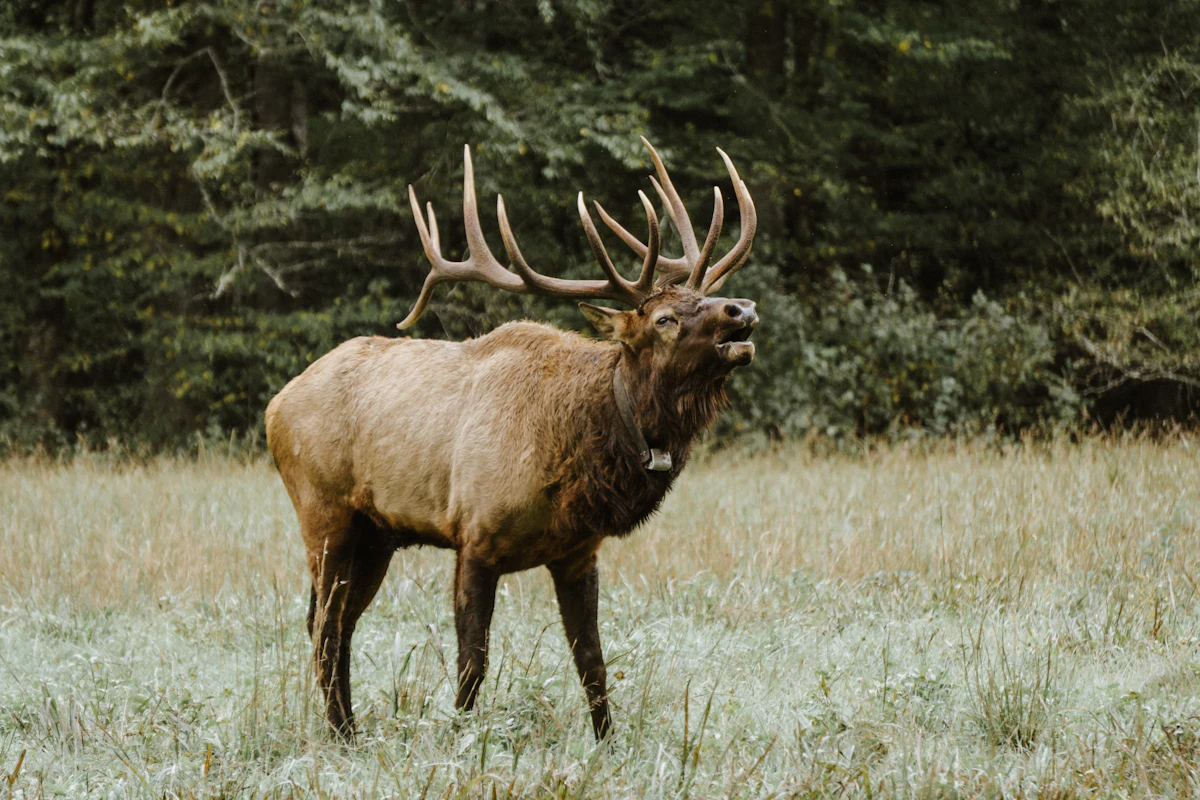
Lip Bawl Bugles Explained: When and Why Bulls Make This Sound
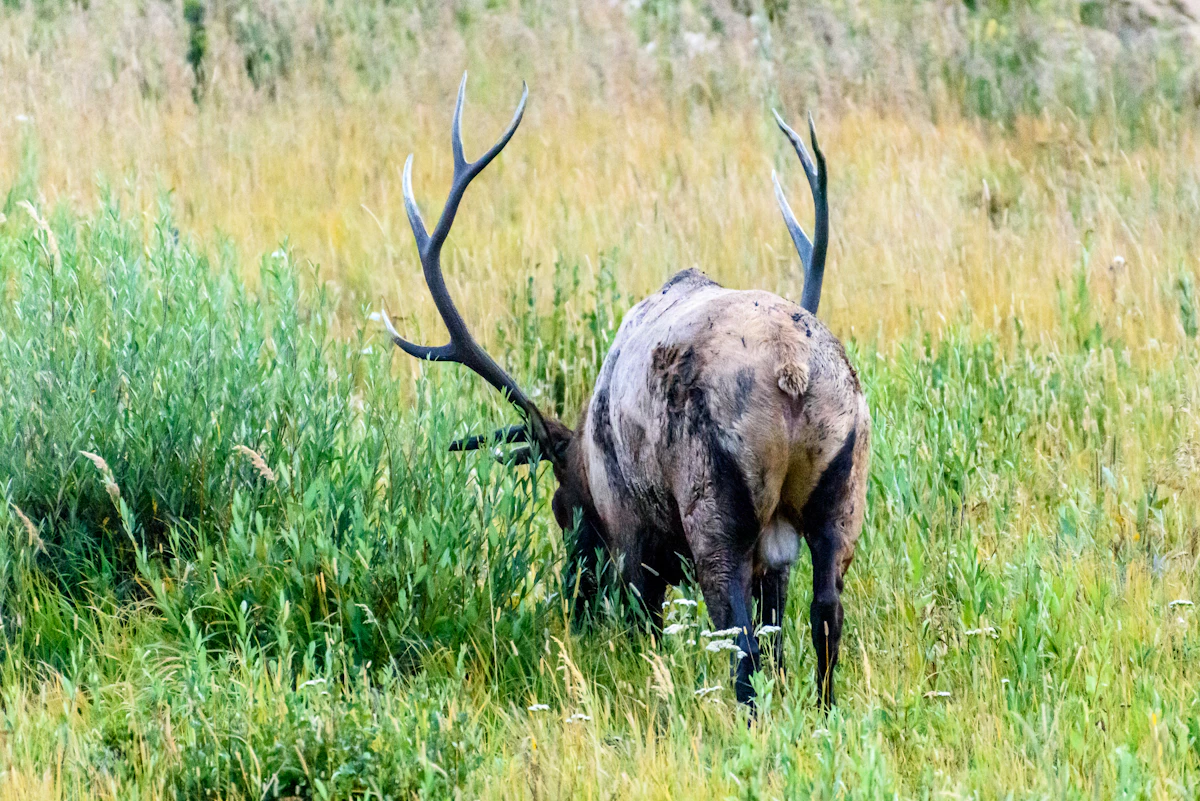
The lip bawl bugle stops most hunters in their tracks the first time they hear it. That raspy, guttural sound cutting through the timber doesn't fit the clean, whistling bugles from TV hunting shows. But once you understand what a lip bawl actually communicates, you'll recognize it as one of the most useful sounds a bull can make for a caller trying to close the distance.
What a Lip Bawl Bugle Actually Sounds Like
A lip bawl is a bugle that starts or ends with a deep, throaty growl rather than the classic high-pitched whistle. Some bulls produce it by vibrating their lips loosely, creating an almost motorboat-like rumble. Others add guttural chuckles or grunts mid-bugle. The overall effect sounds aggressive, primal, and far less polished than the bugles you hear on most diaphragm call packaging.
The key distinction is texture. A standard location bugle is clean and carries across canyons to announce presence. A lip bawl adds attitude. It's the difference between a bull saying "I'm here" and a bull saying "I'm here, and I'm not backing down."
Mature bulls use lip bawls more frequently than younger bulls, though age alone doesn't guarantee it. Herd bulls under pressure from satellites often add lip bawl elements to their bugles as confrontations escalate. Satellite bulls challenging for breeding rights do the same. The common thread is elevated aggression or stress.
When Bulls Use Lip Bawl Bugles
Context matters more than the sound itself. A lip bawl at first light when a herd bull is gathering cows means something different than a lip bawl at midday after a satellite has been pushing him for hours.
Early Season and Pre-Rut
Before cows start cycling, bulls are still establishing dominance hierarchies. Lip bawls during this phase often signal posturing between bulls that haven't yet sorted out who's boss. If you're hearing lip bawls in early September, you're likely near multiple bulls jockeying for position. This can be prime time to call aggressively because the pecking order isn't settled.
Peak Rut
During the breeding peak, a herd bull's lip bawl usually means he's being pressured. Satellites are circling, cows are cycling, and he's stretched thin trying to breed and defend simultaneously. This is the classic scenario where aggressive calling works because the bull is already keyed up and may charge in to eliminate a perceived rival.
A satellite bull's lip bawl during peak rut often signals frustration. He wants to breed but keeps getting pushed off. These bulls can be unpredictable, sometimes charging toward calling and sometimes hanging up at distance, unwilling to risk another beating from the herd bull.
Post-Rut
Late-season lip bawls are less common but still occur. Bulls that are exhausted and beaten down may still respond to calling, but their bugles often lose the aggressive edge. If you're hearing strong lip bawls in late September or early October, you've likely found a bull that's still actively engaged, which is valuable information when most of the rut activity has tapered off.
How to Respond When You Hear a Lip Bawl
The worst mistake hunters make is hearing a lip bawl and immediately matching it with the most aggressive calling they can muster. Sometimes that works. Often it backfires.
Read the Situation First
Before you respond, ask yourself what you actually know. Is this a herd bull with cows, or a lone satellite? Is he coming toward you or moving away? Did he bugle in response to your calling, or was he already fired up before you made a sound?
If a bull lip bawls in direct response to your calling and immediately starts closing distance, you've hit the right nerve. Keep doing what you're doing, but be ready, because he may come fast.
If a bull lip bawls but holds position or moves laterally, he's likely a herd bull assessing whether you're a real threat worth leaving his cows for. In this scenario, switching to cow calls or going silent often works better than escalating. Let him think there's a cow with the challenger. That's a more tempting target than another bull.
Matching Intensity
There's a time for matching a lip bawl with your own aggressive bugle, and it's usually when you're committed to closing distance regardless of what happens. If you're set up in a good ambush position and the bull is at 200 yards, throwing a raspy lip bawl back at him can trigger a charge.
But if you're caught in the open or not ready for a shot, escalating vocally can pin you down. The bull commits to coming, and you're stuck trying to draw on an animal that's laser-focused on finding the source of the sound.
For more on reading bull behavior and adjusting your approach, check out the calling strategies breakdown on TAGZ Insights.
Producing a Lip Bawl on a Diaphragm Call
Most hunters learn to bugle with clean, controlled air pressure. Producing a convincing lip bawl requires the opposite, loosening your lips and adding raspiness through inconsistent airflow.
Start with your standard bugle, then drop your jaw slightly and let your lips vibrate loosely against each other as you push air. The goal is controlled sloppiness. You want the sound to break up and growl without completely falling apart.
Adding chuckles at the end of a lip bawl bugle increases realism. These are short, grunting sounds produced by pulsing your diaphragm while maintaining tongue pressure on the reed. Practice stringing three to five chuckles together after your bugle trails off.
External reed calls and bite-and-blow bugles can produce excellent lip bawls with less technique. The Phelps AMP and similar calls are designed to add rasp naturally. If you're struggling with diaphragm lip bawls, an external call might be your shortcut.
Common Mistakes When Hunting Lip Bawl Bulls
The biggest error is assuming every lip bawl means "come and get me." Some bulls lip bawl as a warning to stay away, not an invitation to fight. If a bull gives you a lip bawl and then goes silent, he may have decided you're not worth engaging. Pushing harder often just educates him.
Another mistake is over-calling once you've gotten a response. A single aggressive bugle that triggers a lip bawl response is a win. You don't need to keep hammering. Let the bull's curiosity or aggression bring him the rest of the way while you focus on positioning for a shot.
Finally, don't forget that a lip bawl is just one data point. Pay attention to cow calls, the sounds of the herd moving, branch breaking, and other bulls in the area. The lip bawl tells you about one animal's emotional state. The full picture determines your next move.
Using TAGZ to Find Units Where Aggressive Calling Works
Bull-to-cow ratios, hunting pressure, and unit size all affect how responsive bulls are to calling. Units with higher bull ratios tend to produce more vocal competition during the rut. Units with heavy pressure often hold call-shy bulls that won't respond to anything.
TAGZ product tools let you filter units by harvest data, draw odds, and historical pressure metrics. If you're specifically hunting for a vocal, rut-crazed experience, prioritizing units with lower hunter density and decent bull ratios will improve your odds of encountering bulls willing to engage.
For detailed draw odds analysis and unit comparisons, visit the TAGZ homepage or explore current pricing options to access the full platform.
FAQ — Lip Bawl Bugles
What causes a bull to lip bawl instead of bugle normally?
Elevated aggression or stress. Lip bawls typically occur when bulls are actively competing for cows, being pressured by satellites, or responding to what they perceive as a direct challenge.
Do only mature bulls make lip bawl sounds?
No. While mature herd bulls use lip bawls frequently, younger satellite bulls also produce them when challenging dominant animals or feeling territorial pressure.
Should I always respond aggressively to a lip bawl?
Not always. If the bull is already closing distance, stay ready and let him come. If he's holding position with cows, switching to cow calls or going silent often pulls him in better than escalating.
Can I make a lip bawl sound with a diaphragm call?
Yes. Loosen your lips, drop your jaw, and allow inconsistent airflow to create a raspy, growling texture. External reed calls can also produce excellent lip bawls with less technique.
Is a lip bawl a good sign when I'm hunting?
Usually. It means the bull is engaged and emotional, which makes him more likely to respond to calling. However, some bulls lip bawl as a warning to stay away, so watch his movement and body language for context.
What time of the rut produces the most lip bawl activity?
Peak rut, when herd bulls are stretched thin defending cows and satellites are actively challenging. Pre-rut sparring sessions also produce lip bawls as bulls establish hierarchy.
Was this article helpful?
Previous
Best States for DIY Shiras Moose Hunting: Where to Apply and What to Expect
Shiras moose tags are notoriously hard to draw, but some states offer better odds and more accessible hunts than others. Here's where DIY hunters should focus their applications.
Next
The Different Sounds Elk Make Explained: A Complete Guide for Hunters
Elk communicate through distinct vocalizations year-round, from bugles and chuckles to mews and barks. Understanding what each sound means helps hunters locate bulls, identify herd dynamics, and time their setups during the rut.