Best Trophy Elk Units Across the West — And the Sleeper Units Smart Hunters Are Actually Drawing (2026)
Introduction
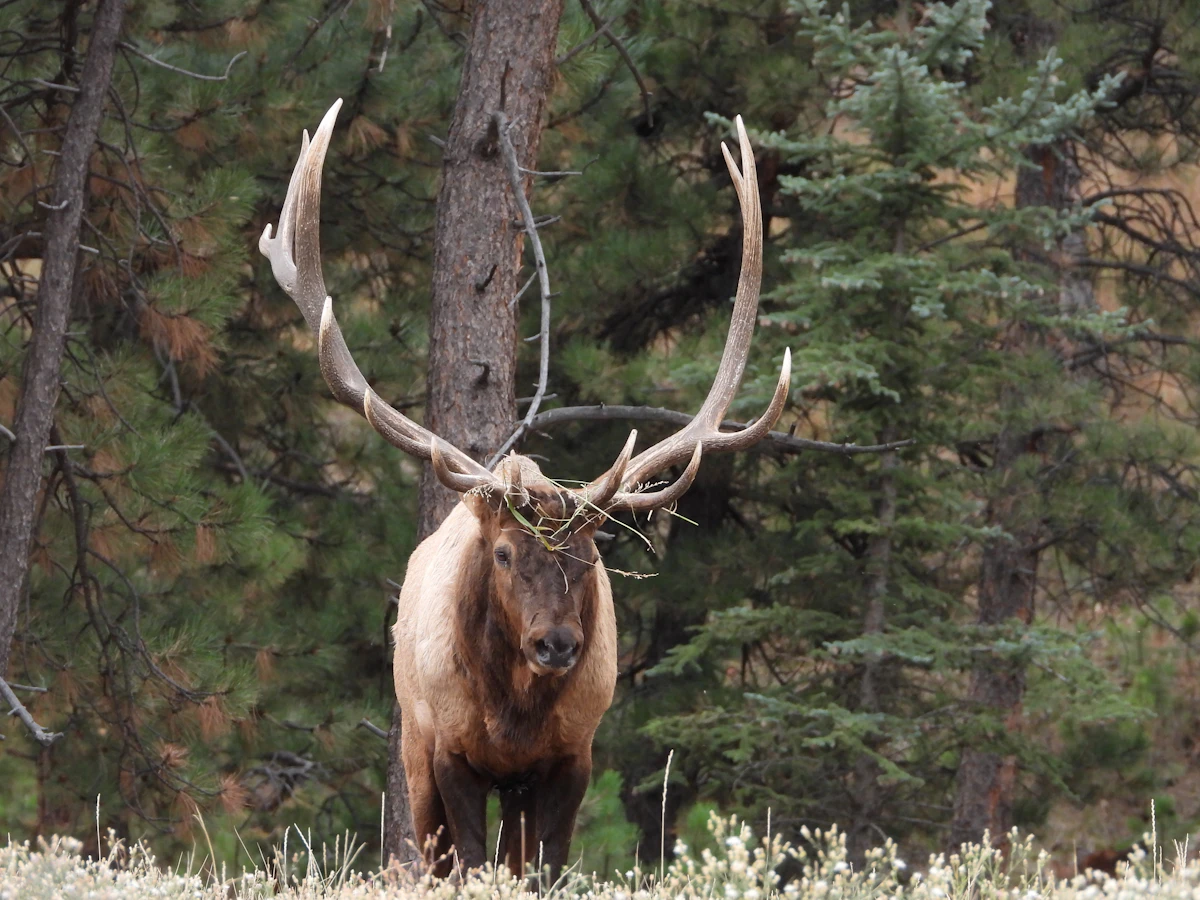
Everyone wants to hunt a top-tier elk unit out West, but most guys are chasing the same handful of units without realizing how long it’ll actually take to draw them. There’s nothing wrong with putting in for trophy units, but if that’s your only plan, you’re going to spend a lot more time applying than hunting. The real move is understanding both sides of the equation—the premium units that take years to draw, and the sleeper units that still hold good bulls and give you a realistic shot to get out there sooner.
Colorado — Trophy Units vs Real Opportunity
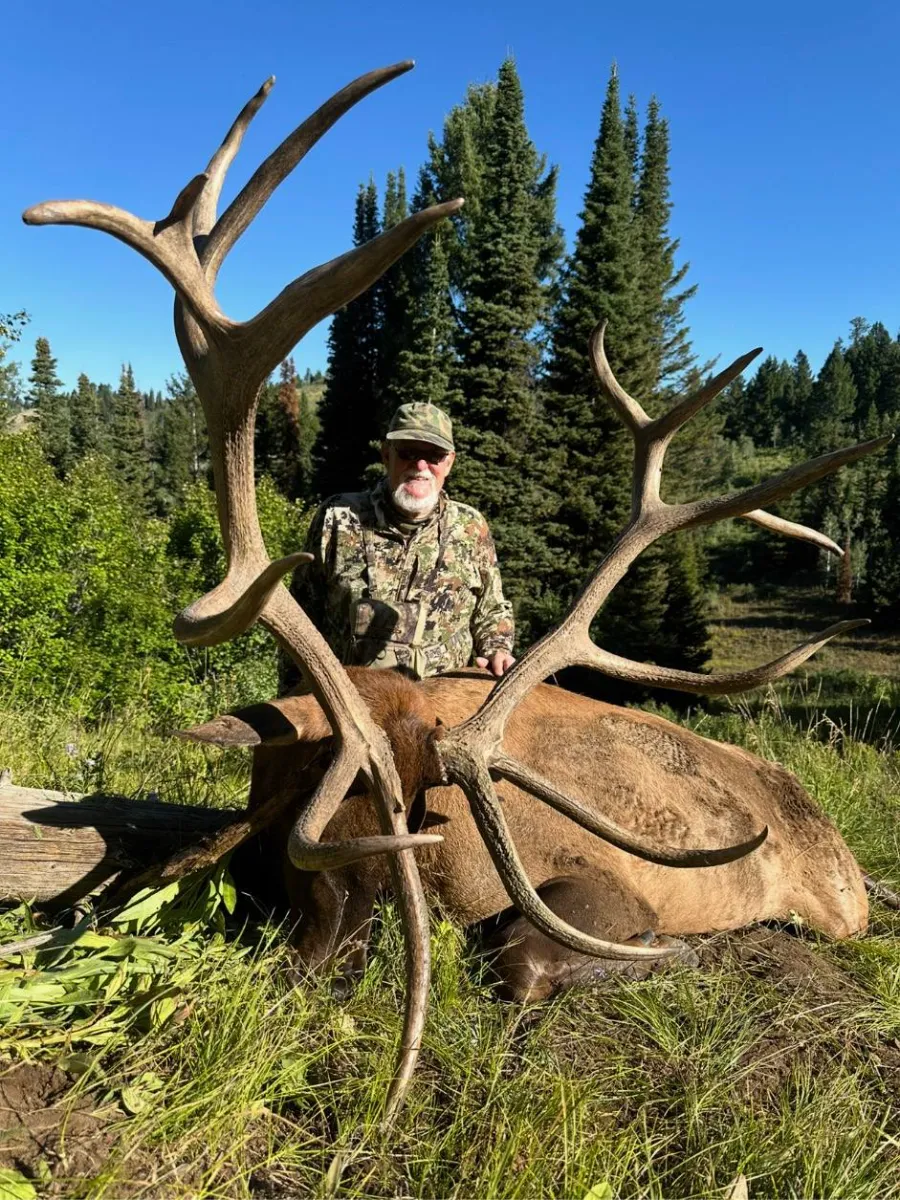
Colorado quietly does it all. It has the most elk in the country and still produces some serious bulls if you know where to look. Units 1, 2, 10, and 201 are the well-known trophy areas. These are managed for age class, and they consistently turn out bulls in that 330–350 range and better. The downside is simple—you’re waiting decades in a preference point system to draw them.
Where things open up is outside those headline units. The Lake City area—Units 66, 67, and 76—is a perfect example of a sleeper zone that still holds strong elk numbers and enough age class to turn up a good bull. Down in the southwest corner, Units 70, 71, and 711 are another pocket that doesn’t get nearly the same attention but consistently produces solid bulls in big, rugged country.
Even units like 20, 21, 40, and 49 fall into that middle ground where you can realistically draw them and still have a quality hunt. You’re not giving up as much as people think—you’re just trading hype for opportunity. Colorado rewards patience, but it really rewards guys who know when to step off the “top unit” train and go hunt.
Arizona — Giants, But a Long Game
Arizona is built for giant bulls. Units 9, 10, and 23 are as good as it gets if you’re chasing something special, with bulls pushing well into the 370–400 class showing up every year. The bonus point system means you’ll be in it for the long haul, even though there’s always technically a chance.
There are still quieter options if you’re willing to look past the obvious. Units 1 and 27 don’t get the same level of attention but can produce solid bulls and be slightly more attainable depending on the year. Arizona isn’t about volume—it’s about playing the long game and hoping your number comes up.
Utah — Premium Tags With Mid-Tier Options
Utah is known for its limited-entry elk hunts, and units like the San Juan, Boulder, and Wasatch are as good as advertised. When you draw one, you’re stepping into a hunt with real top-end potential.
But there are levels to it. Mid-tier units like the Book Cliffs, Nine Mile, and parts of Fishlake don’t get nearly the same attention, yet they still hold elk and can produce good bulls. They’re not easy to draw, but they’re more realistic than the top-tier units. Utah is competitive across the board, so even the sleepers require a plan.
Wyoming — Consistency With True Sleeper Value
Wyoming is one of the most balanced elk states out there. Areas 7, 30, and 124 have a long history of producing big bulls and get most of the attention because of it. But like every state, the real opportunity often sits just outside those headline areas.
Area 16 is a perfect example of that. It doesn’t get talked about much, but it’s classic Wyoming elk country with a mix of open basins, timber, and broken terrain that holds elk throughout the season. It’s not a managed trophy area, but it consistently produces bulls in that 280–320 range, with bigger ones showing up for hunters who put the time in.
The biggest advantage of Area 16 is that it sits in a realistic draw range. It’s not a max-point area, but it’s also not something everyone can draw every year, which helps keep pressure manageable. For non-residents especially, it’s the kind of place that fits into a smart strategy—something you can draw in a reasonable timeframe while still hunting quality elk country.
Beyond Area 16, Wyoming’s general tag system and overlooked limited quota areas offer even more opportunity. A lot of hunters skip over these in favor of chasing big-name areas, but that’s where you can still find consistency if you’re willing to put in the work.
New Mexico — The Wildcard
New Mexico stands on its own because there are no points. Areas like 16A, 16D, and 34 are well known for producing big bulls, and every year someone draws one of those tags with zero history in the system. That alone makes it one of the most exciting states to apply in.
There are also sleeper areas like 13, 15, and 36 that don’t get as much attention but still offer a quality hunt. Because everything is random, these areas can be just as valuable depending on your approach. New Mexico is the wildcard—you take your shot every year and see what happens.
The Strategy Most Hunters Miss
The biggest mistake hunters make is going all-in on trophy areas without a backup plan. It sounds good to chase top-tier tags, but if that’s all you’re doing, you’re sitting out more seasons than you’re hunting. The better approach is balance. Apply for those premium areas every year, but build the rest of your strategy around tags you can realistically draw.
That’s where places like the Lake City units in Colorado, the southwest corner, Wyoming Area 16, and other overlooked areas come into play. They may not have the same reputation, but they’re the reason some hunters are in the mountains every fall while others are still waiting.
Final Thoughts
The best elk areas in the West are real, and they live up to the hype—but they come at a cost, and that cost is time. If you’re willing to play the long game, they’re worth applying for. Just don’t let that be your only plan.
The sleeper areas are what keep you hunting. They’re where experience is built, and where a lot of solid bulls still come from every year. At the end of the day, the smartest hunters aren’t just chasing the biggest bulls—they’re putting themselves in a position to hunt as often as possible while still giving themselves a shot at something special.
Was this article helpful?
Previous
States That Use Hunting Draw Systems (And How They Actually Work)
Every major hunting state uses a draw system, but Idaho now requires non-residents to apply instead of buy, while states like Wyoming rely heavily on points and pay-to-apply structures.
Next
Best Elk Units in Arizona (2026) — Resident vs Non-Resident Breakdown
Arizona elk units like 9, 10, 1, and 23 offer top-tier bulls. Residents have better odds and more access, while non-residents face limited tags and a long-term draw strategy.