Colorado Hunting 2026: Gunnison OTC Elk Changes and What It Means for Hunters
Colorado is heading into 2026 with some real changes, and if you're planning to hunt this fall, it's worth taking the time to understand what's new instead of relying on last year's strategies. The biggest shift most hunters are already hearing about is what's happening in the Gunnison Basin. For years, that area has been a fallback option when other plans didn't pan out. If you didn't draw, you could still head there and hunt elk. That safety net is disappearing.
Why the Gunnison Change Matters More Than You Think
Second- and third-rifle bull elk tags in parts of the Gunnison Basin are moving from over-the-counter to limited draw. This isn't just a regulation change, it's a clear signal of where things are headed. When opportunity shifts in one area, it doesn't just affect that specific location—it impacts hunting pressure across the entire state.
 Hunters who relied on Gunnison will now need to look elsewhere, leading to more people in other OTC units, increased competition, and faster changes in draw odds. Areas that once felt like reliable backup options will feel different in 2026. Colorado still offers a lot of elk hunting opportunities, but it's more complex than before. Showing up without a plan will be a challenging way to hunt moving forward.
Colorado Elk Hunting Becomes More Structured
Colorado has long been known for its accessible elk hunting. OTC tags allowed hunters to participate every year without building points. While this remains part of the system, it is shrinking. As pressure mounts, the state is clearly trying to manage both hunter experience and herd health. This means more limited licenses, more defined hunt structures, and fewer places where you can just buy a tag and go.
For both residents and nonresidents, this shifts the way you need to think about planning a hunt. Instead of relying on traditional fallback options, hunters must be more strategic in their planning.
It's Not Just Elk The Whole System Tightens
Even though elk is getting the most attention, this shift affects other species as well. Mule deer hunters are already facing point creep and changing expectations. Whitetail hunting remains available but requires more focus on access and habitat. Pronghorn continues to offer strong opportunities, but it's still a draw system that rewards planning. Bear, moose, sheep, and goat each follow their own rules, demanding careful attention to details that were once easier to overlook.
In other words, 2026 isn't about one big rule change. It's about a system becoming more precise. Hunters need to be aware of the broader implications across various species and adjust their strategies accordingly.
The Opportunity Is Still There, It Just Looks Different
One constant is that Colorado still offers abundant hunting opportunities. What's changed is where that opportunity appears. Tags aren't confined to the primary draw anymore. Leftover tags, reissued licenses, and second-choice options are becoming increasingly important. Hunters who stay alert after the draw often find opportunities others miss.
This is especially true in a year where more people are competing for fewer obvious options. Being vigilant and flexible in exploring these alternatives can lead to successful outcomes.
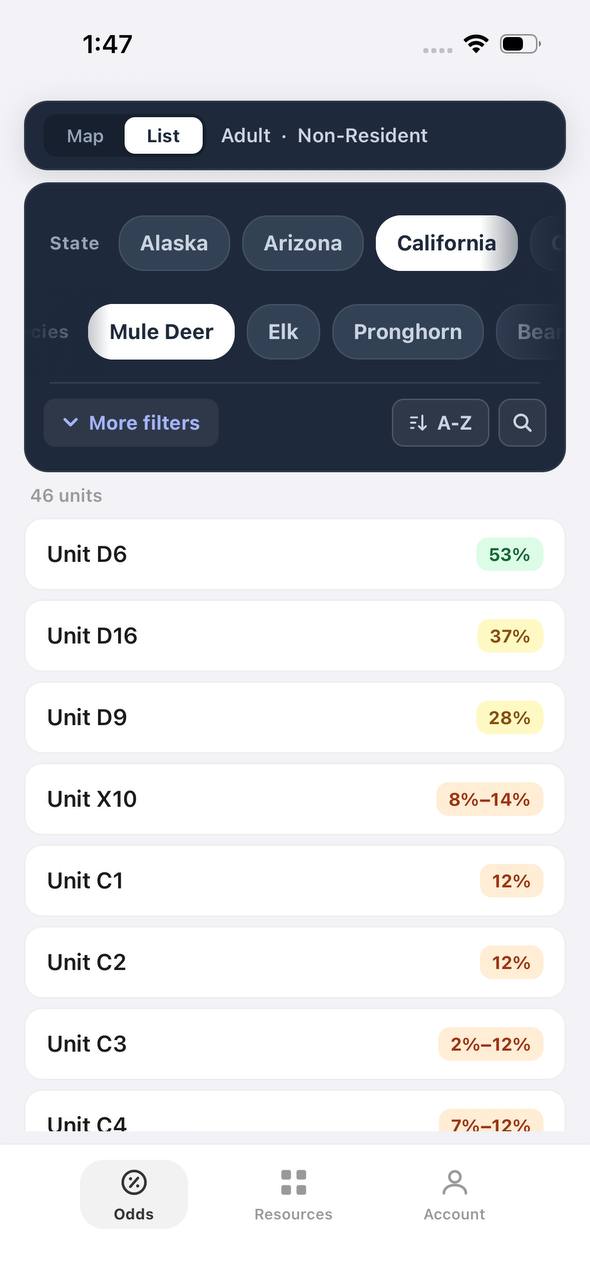
Free to join
Download mobile app
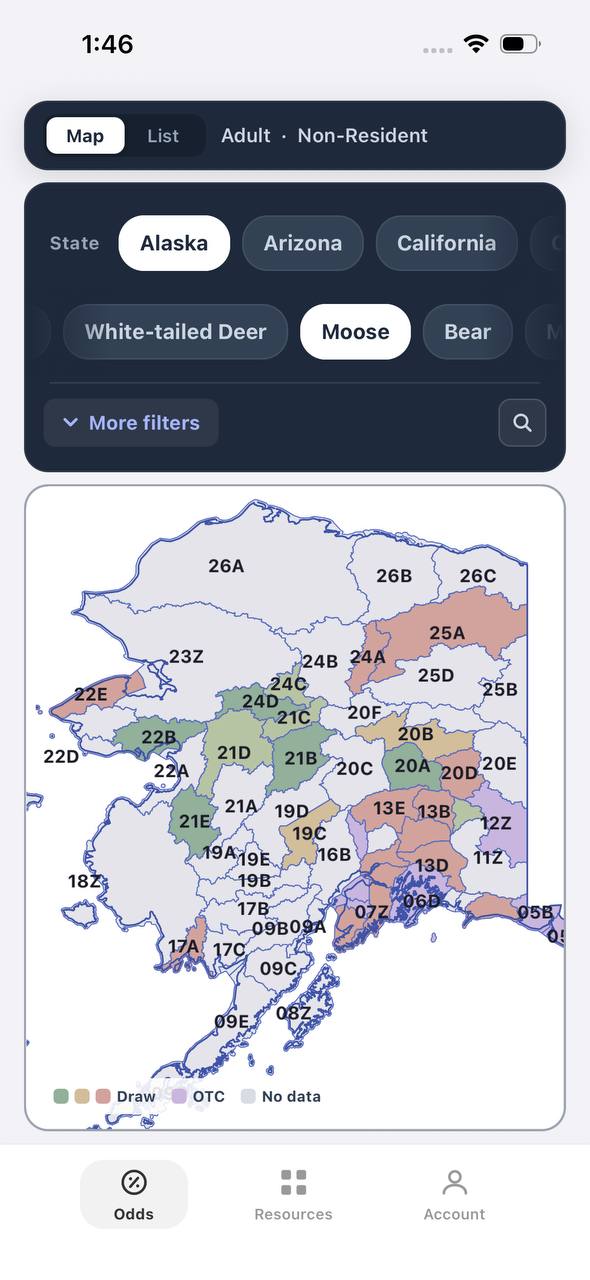
- Detailed draw odds
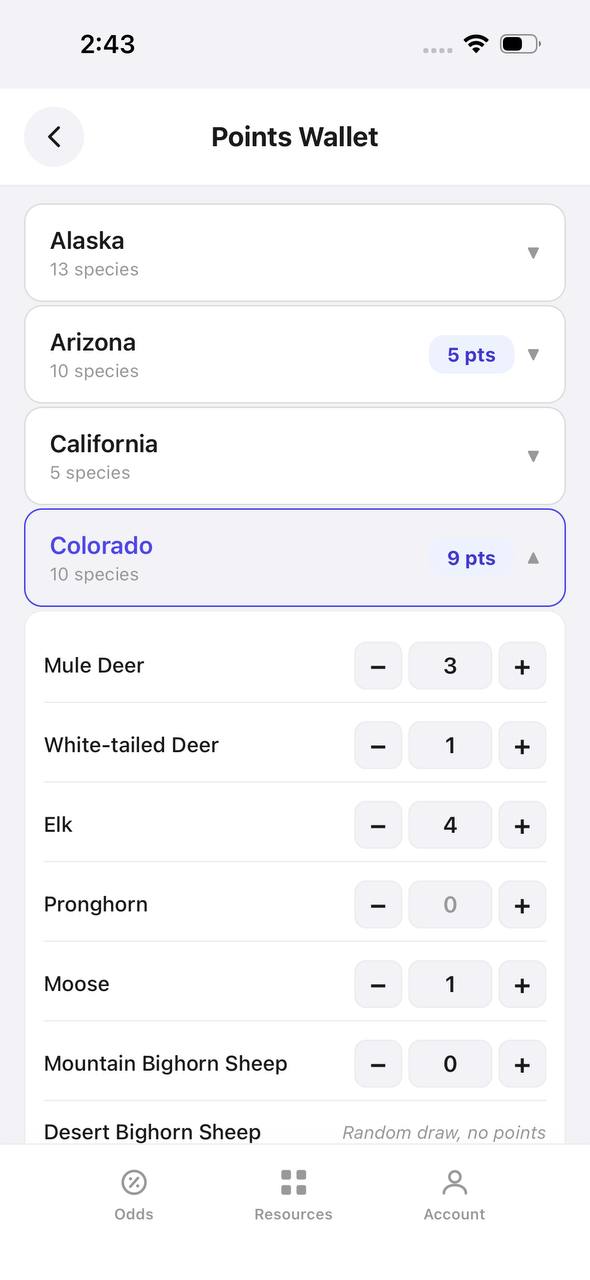
- Point tracking
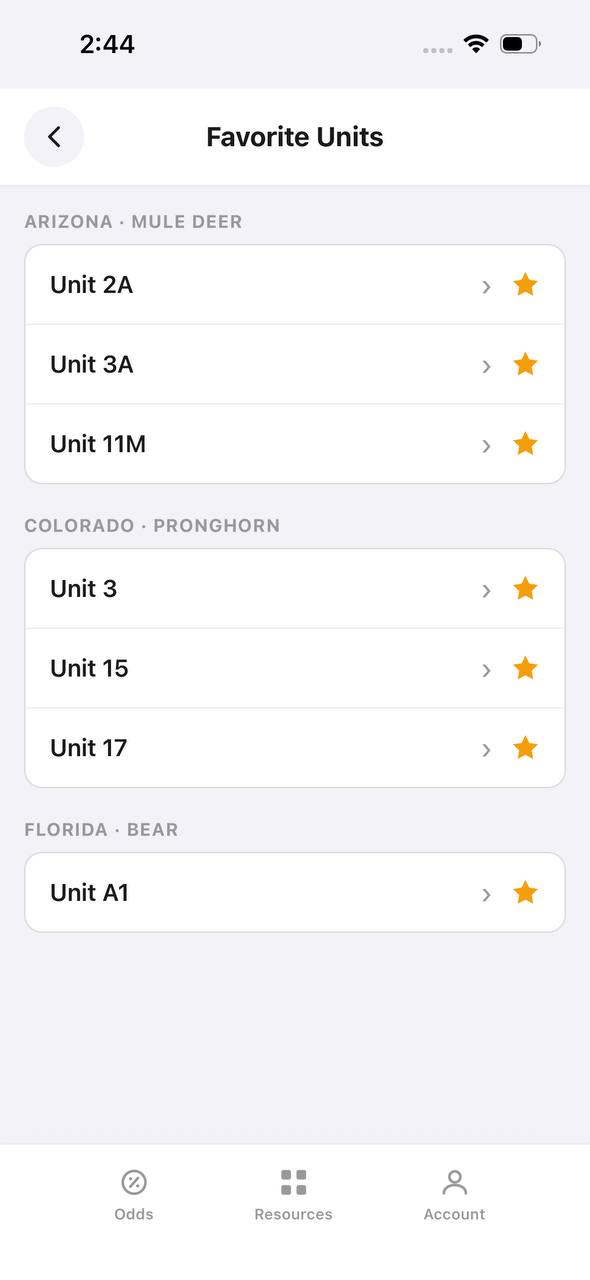
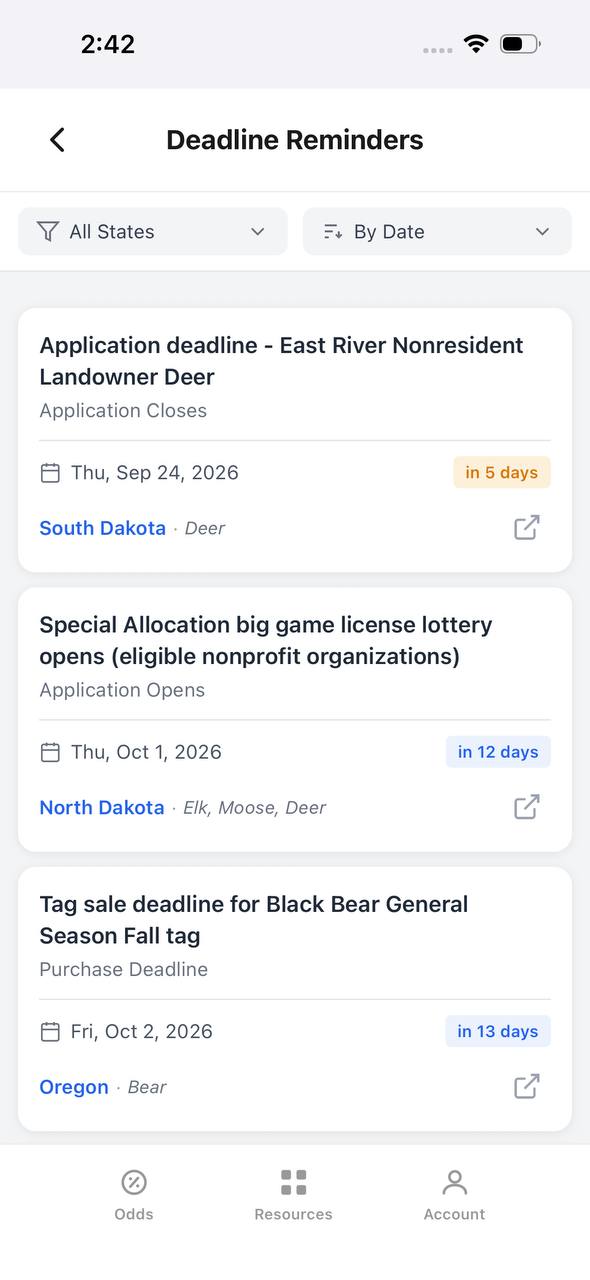
- Deadline reminders
- 18 states covered

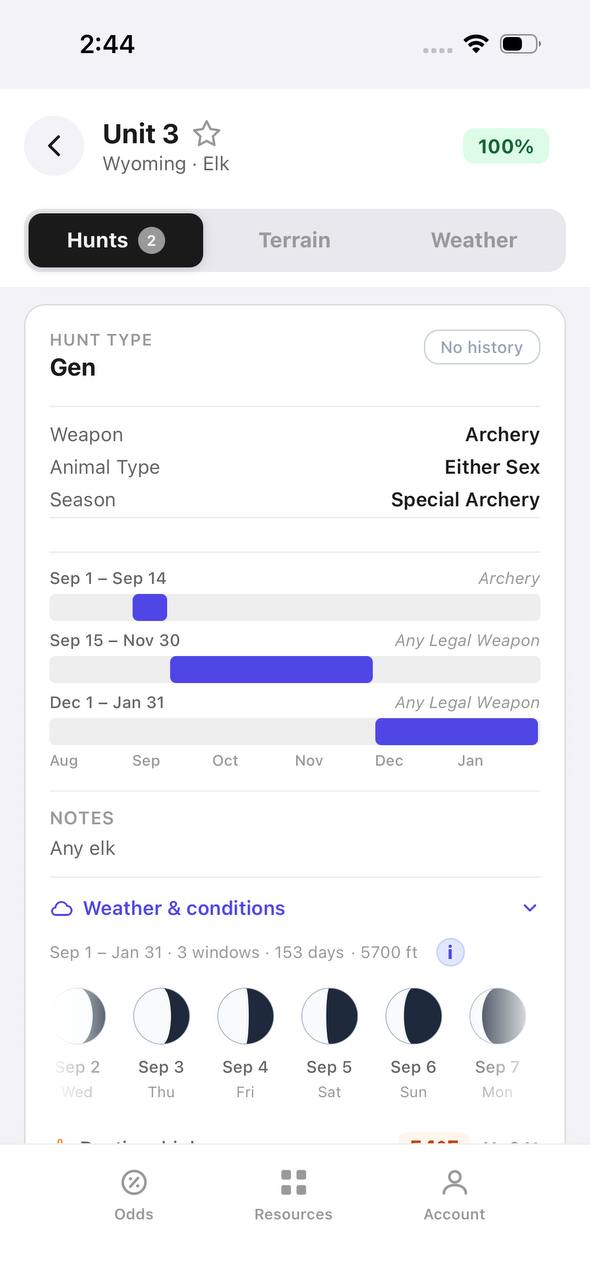
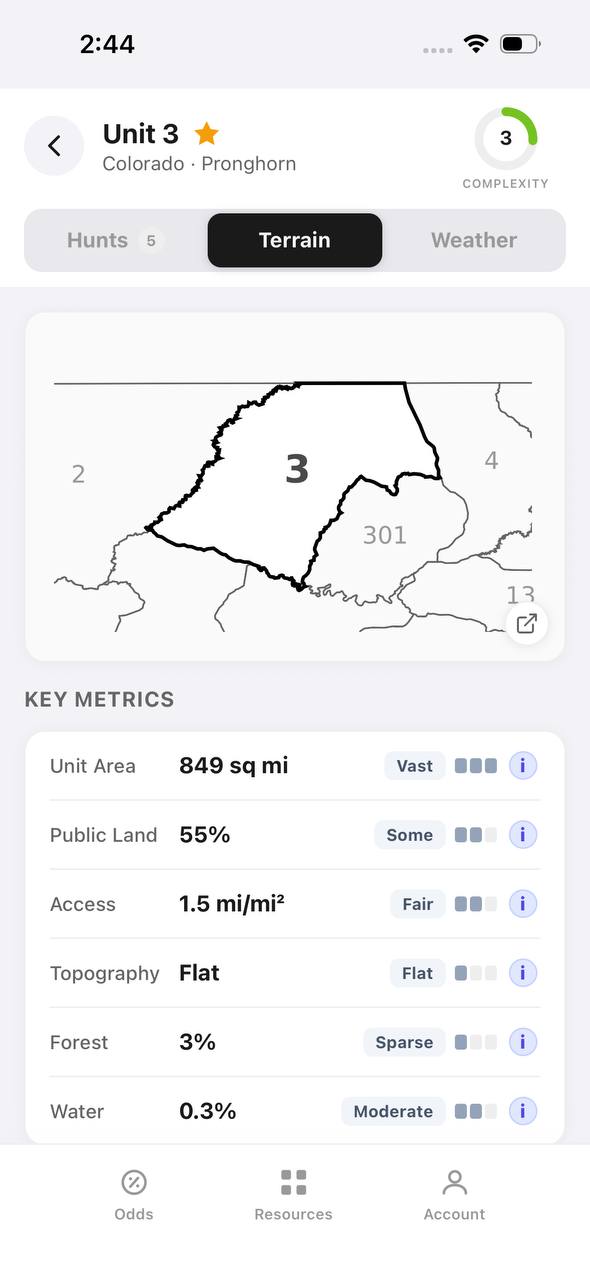
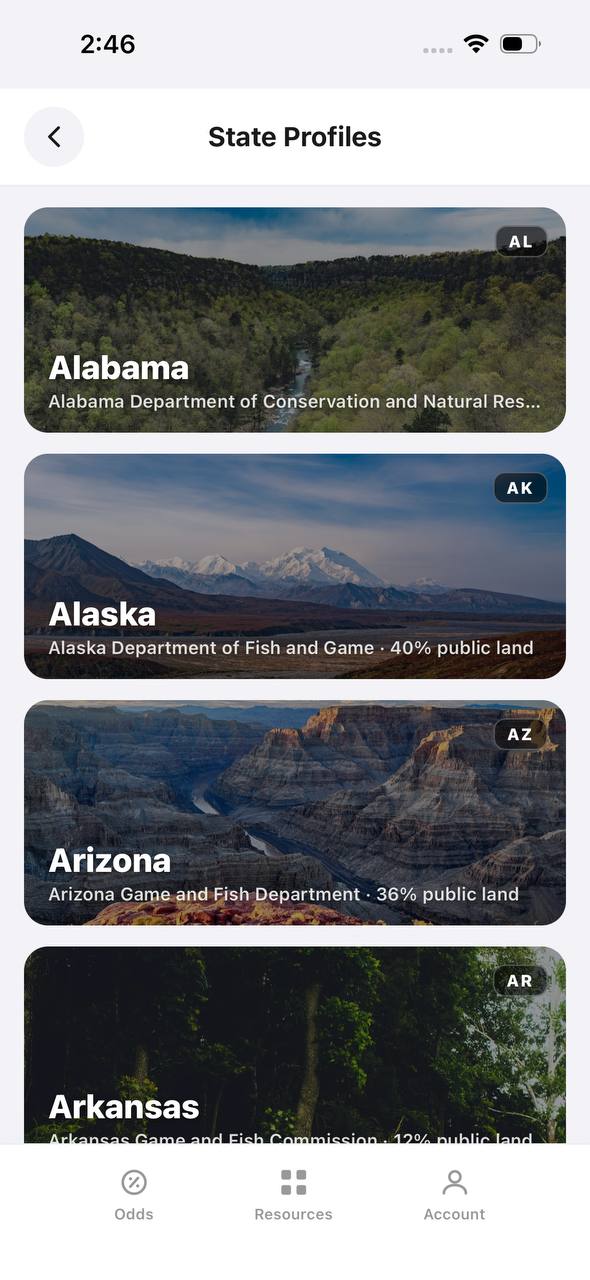
Free to join
Download mobile app
- Detailed draw odds
- Point tracking
- Deadline reminders
- 18 states covered
Free to join
Download mobile app
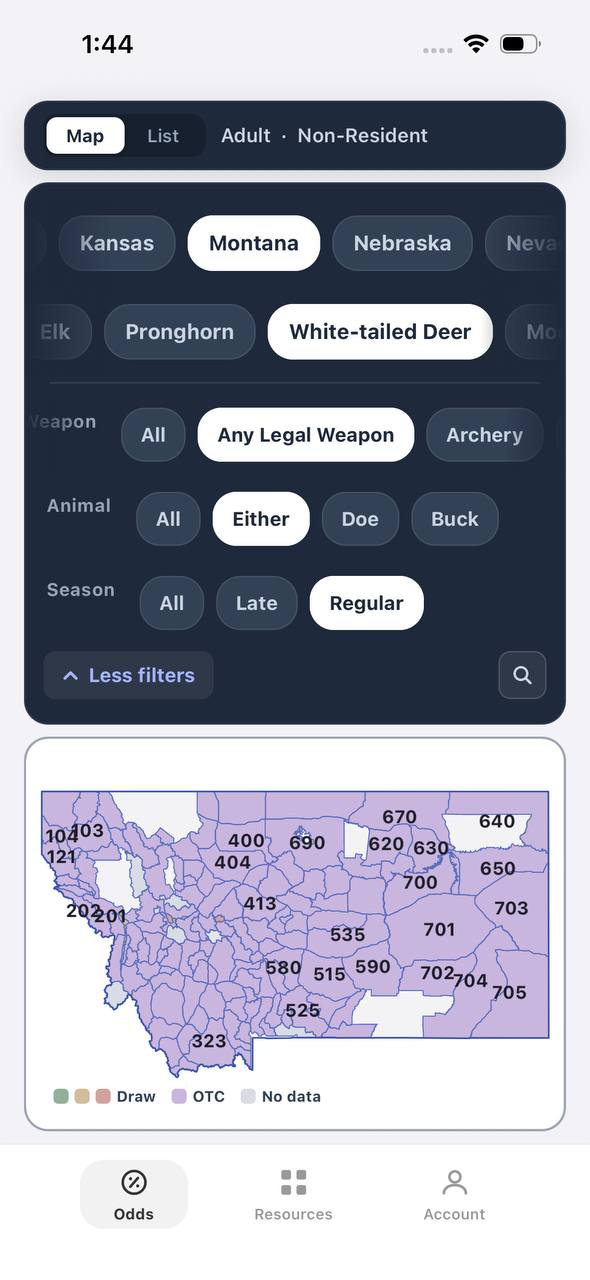
- Detailed draw odds
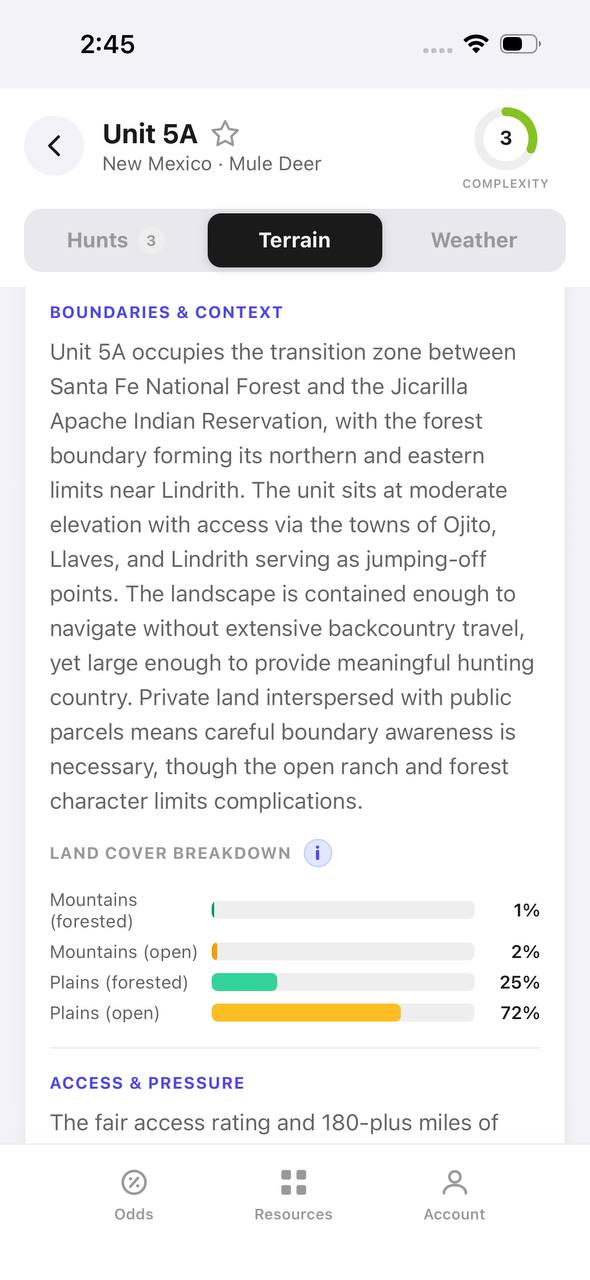
- Point tracking
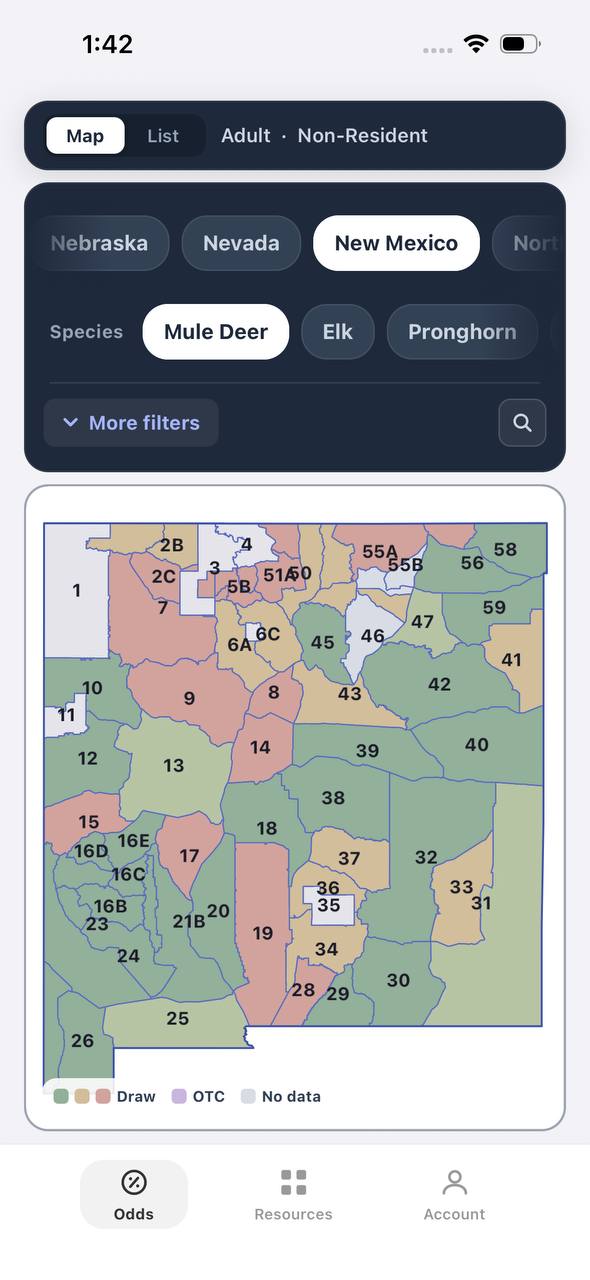
- Deadline reminders
- 18 states covered
Focus for Hunters in 2026
Entering this season, the greatest difference lies in how much planning matters. Instead of following the crowd, it makes more sense to consider pressure, access, and timing. Units that seem average on paper can be excellent if they're less crowded or easier to navigate. Conversely, popular units can feel overwhelming if everyone congregates in the same spots.
Hunters who take time to understand how tags are changing, how pressure is shifting, and how access actually works will have a much better experience. Being informed and adaptable is key to navigating the evolving landscape of Colorado hunting.
Final Thoughts
Colorado hasn't lost its hunting opportunities in 2026. It has simply become more selective about how those opportunities are distributed. The Gunnison change is the clearest example, but it's not the only one. The overall trend is toward more structure, more planning, and fewer easy fallback options.
For some hunters, this is frustrating. For others, it's an advantage. When the system tightens, hunters who pay attention are the ones who tend to stand out.
Was this article helpful?
Previous
I Waited 10 Years for a Colorado Mule Deer Tag… Was It Worth It?
After waiting a decade for a coveted Colorado mule deer tag, the reality did not match the expectation. Discover the lessons learned about patience, expectations, and the value of frequent hunting experiences.
Related
Understanding Colorado Elk Country
Understanding Colorado Elk Country breaks down realistic elk planning around terrain, access, pressure, scouting, and hunter behavior so TAGZ readers can build a practical western hunt plan instead of chasing hype.
Next
Beginner Elk Hunt Across the West: Ultimate Guide for First-Time Success
First-time elk hunters in the West face tough conditions, changing regulations, and a steep learning curve. Here’s how to prepare, hunt smarter, and avoid common mistakes for a better shot at success.