The Biggest Mistakes DIY Elk Hunters Make (And How to Avoid Them)
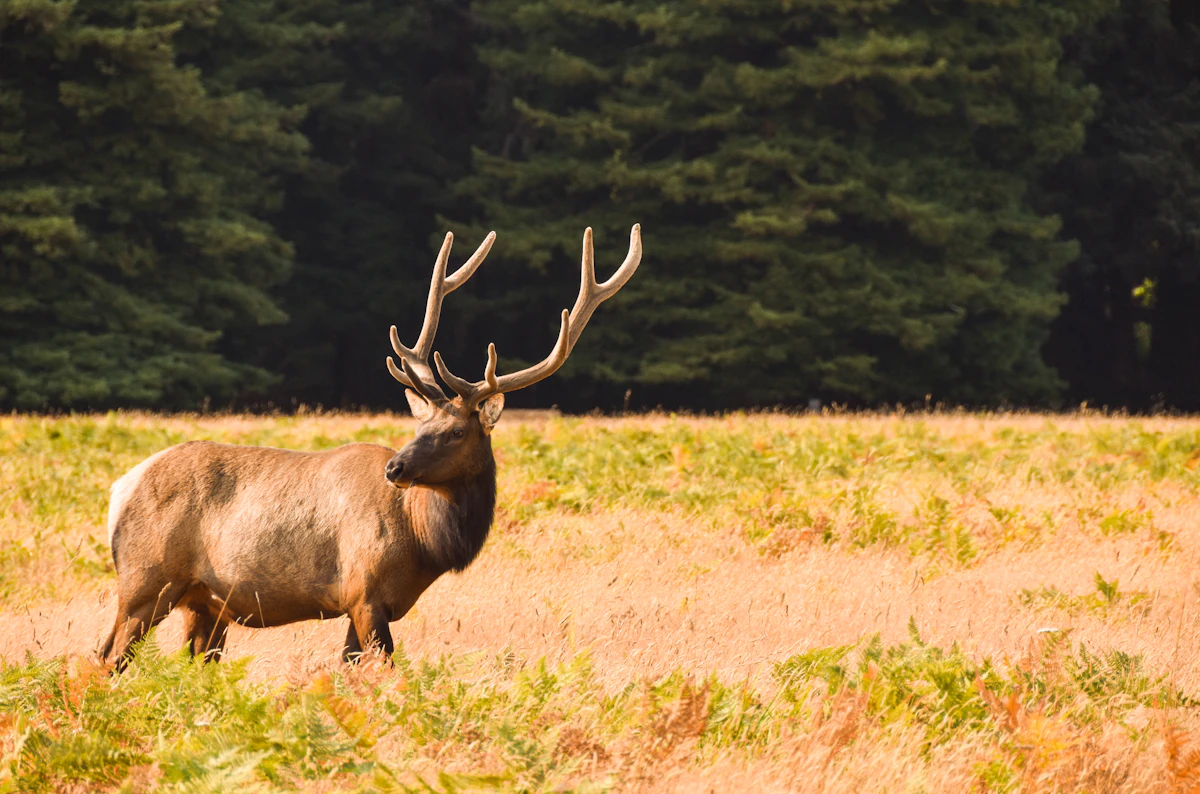
Most DIY elk hunters do not fail because they picked the wrong unit or drew a bad tag. They fail because they show up unprepared, hunt the wrong terrain at the wrong time, and quit too early when the work gets hard. Elk hunting is physically brutal, mentally exhausting, and humbling for anyone who underestimates what it takes to succeed without a guide.
The good news is that most mistakes are completely avoidable. Hunters who learn from others' failures, put in the work before the season, and stay disciplined in the field consistently punch tags while others go home empty-handed.
Picking Units Based on Draw Odds Instead of Hunt Quality
Many first-time elk hunters prioritize easy-to-draw tags over actual hunt quality. They chase leftover licenses or guaranteed-draw OTC units without researching elk density, public land access, or hunting pressure. Drawing a tag means nothing if you show up to a unit with terrible access, few elk, and 500 other hunters.
Before you apply, compare historical harvest success rates, public land percentage, and terrain difficulty. Units with 100% draw odds often have horrible success rates for a reason. TAGZ helps you filter units by weapon type, season dates, and terrain features so you can compare hunt quality side by side instead of blindly chasing the easiest draw.
A tag that takes two or three preference points in a quality unit will produce far better results than a guaranteed-draw unit with 8% success rates and limited public land access.
Showing Up in Terrible Physical Condition
Elk live in steep, high-elevation terrain that punishes unprepared hunters. Most DIY hunters drastically underestimate how hard it is to hike 5 miles uphill at 9,000 feet while carrying 40 pounds of gear. By day three, their legs are shot, their lungs are burning, and they are stuck hunting within 500 yards of the truck.
Elk do not hang out near roads during rifle season. If you cannot get 2 miles from the trailhead, you will be competing with every other hunter who also cannot go deep. The elk that survive opening weekend are the ones that pushed into the nastiest, steepest terrain where most hunters will not follow.
Start training at least three months before your hunt. Hike with a weighted pack on steep terrain. Build your legs, lungs, and mental toughness so you can hunt hard all day without falling apart. Hunters in good shape hunt longer, cover more ground, and recover faster between days.
Ignoring Pre-Season Scouting and E-Scouting
Many DIY hunters show up on opening day with no idea where elk are actually living. They drive around glassing random hillsides, hoping to stumble into animals. That approach works occasionally, but it wastes time and burns daylight when you should be hunting.
Spend time e-scouting before the season using satellite imagery, topographic maps, and unit boundaries. Identify water sources, north-facing slopes, thick timber patches, and transition zones between feeding and bedding areas. Look for benches, saddles, and finger ridges where elk naturally travel.
If possible, scout in person a week or two before the season opens. Find fresh sign, glass bedding areas at first light, and confirm where elk are actually living. Hunters who show up with a plan based on real intel hunt smarter and waste far less time guessing.
TAGZ provides terrain maps, unit boundaries, and public land overlays so you can identify huntable areas and plan access routes before you ever leave home. Knowing where you can legally hunt and where terrain funnels elk movement gives you a massive advantage over hunters who show up blind.
Poor Glassing Skills and Impatience
Most elk hunters do not glass long enough or thoroughly enough. They scan a hillside for two minutes, see nothing, and move on. Meanwhile, a bedded bull is tucked under a tree 800 yards away, completely invisible unless you slow down and grid the terrain methodically.
Good glassing takes time and discipline. Set up in a high vantage point at first light and systematically glass every shadow, tree line, and opening. Use quality optics and a stable tripod. Look for horizontal lines, flicking ears, antler tines, and anything that breaks the natural pattern of the landscape.
Patience wins elk hunts. Hunters who sit and glass the same basin for two hours often spot elk that other hunters walked right past. If you are constantly moving, you will spook more elk than you ever see.
Hunting Only the Easy Terrain
Elk go where the pressure is not. During rifle season, that means steep, nasty terrain far from roads and trails. Most hunters stick to easy ridges and flat timber because the hard country is exhausting. That is exactly why elk survive there.
If you want to kill a mature bull on public land, you have to be willing to hunt terrain that other hunters avoid. That means hiking steeper, going deeper, and glassing the hellish north-facing slopes that look too thick to hunt. Elk bed in dark timber during the day, and they do not care how hard it is for you to get there.
Hunters who consistently fill tags are the ones willing to suffer through brutal terrain and long pack-outs. If you are not willing to go there, you are limiting yourself to the elk that every other hunter is chasing.
Calling Too Much and at the Wrong Times
Elk calling works during the rut, but most hunters overdo it. They cow call every five minutes, bugle at mid-day, and blow every setup by calling too aggressively. Elk are not stupid. A mature bull has heard bad calling from hunters his entire life, and he knows when something does not sound right.
During early September, use bugles and cow calls to locate bulls at first light and last light. Once you locate a bull, move closer and set up before calling again. During late September and October, use soft cow calls and mews to coax elk out of thick timber. Save aggressive bugling for situations where a bull is fired up and responding.
Outside the rut, calling rarely works. Rifle hunters should focus on glassing, stalking, and setting up where elk naturally travel. Bugling at a bedded bull in November will send him running the other direction.
Quitting Too Early in the Hunt
Many DIY hunters pack it in after three or four days because they have not seen elk and they are tired. Elk hunting is a grind, and the hunters who stay the entire season are the ones who punch tags. The best opportunities often happen mid-week when pressure drops and elk start moving again.
Bulls that survive opening weekend become nocturnal for a few days, then slowly start feeding and moving during legal shooting hours again. Hunters who are still in the field on day five or six often have the mountain to themselves while everyone else is driving home.
Staying mentally tough through tough days is what separates successful DIY hunters from the guys who go home empty-handed. If you drew a tag, hunt the entire season. Elk behavior changes daily, and the best day of your hunt might be the last one.
Failing to Track Preference Points and Plan Multi-Year Strategies
Many hunters apply randomly each year without tracking their points or planning long-term. They waste preference points on bad units, forget to apply in certain states, and never build a coherent strategy for drawing quality tags.
Successful DIY hunters treat the draw system like a chess game. They know exactly how many points they have in each state, which units become realistic at certain point levels, and when to burn points versus keep building. They apply strategically across multiple states to maximize draw opportunities every year.
TAGZ tracks your preference points and bonus points across all western states so you never lose track of where you stand. Compare draw odds by point level, filter units by hunt quality, and plan a multi-year strategy that maximizes your chances of drawing the tags you actually want.
Hunters who plan ahead draw better tags, hunt better units, and kill more elk than hunters who apply randomly and hope for the best.
FAQ — DIY Elk Hunting Mistakes
What is the biggest mistake first-time elk hunters make? Poor physical conditioning. Most underestimate how brutal the terrain is and burn out by day three, limiting where they can hunt.
Should I prioritize draw odds or hunt quality when choosing a unit? Hunt quality always wins. A tag that takes two points in a good unit will produce far better results than a guaranteed-draw unit with terrible success rates.
How far from the road do I need to hunt elk on public land? At least 1.5 to 2 miles during rifle season. Elk that survive opening weekend push into steep, remote terrain where most hunters will not follow.
Does elk calling work outside the rut? Rarely. During rifle season, focus on glassing and stalking instead of calling. Mature bulls go silent after the rut and rarely respond to calls.
How long should I glass a single area before moving on? At least 30 to 60 minutes if the terrain looks good. Elk are masters at hiding, and most hunters move too quickly without glassing thoroughly.
What is the most important gear for a DIY elk hunt? Quality boots, a reliable pack, and good optics. You will spend all day on your feet, and spotting elk from a distance is critical for success.
How do I avoid hunting the same areas as everyone else? Go deeper, hunt steeper terrain, and avoid obvious trailheads. Most hunters stick to easy access points, so elk push into the nasty country where fewer hunters go.
When is the best time to hunt elk during rifle season? Mid-week after opening weekend pressure drops. Elk that went nocturnal on day one or two slowly return to normal movement patterns by day five.
Continue Planning Your Hunt
Avoiding these mistakes will immediately improve your odds of success on DIY elk hunts, but smart planning starts long before you step into the field. TAGZ helps you compare units side by side using terrain maps, unit boundaries, and historical draw data. Track your preference points and bonus points across multiple states so you never miss a draw deadline or waste points on the wrong unit.
Whether you are chasing OTC tags or planning a trophy limited-entry hunt, TAGZ gives you the tools to make smarter decisions before you ever step into the field. Compare harvest success rates, filter by weapon type and season dates, and build a long-term draw strategy that maximizes your opportunities every year.
Learn more at TAGZ or explore our full library of western hunting strategy articles on the TAGZ Insights blog. Ready to start planning your next hunt? Check out TAGZ pricing options or dive into the product features that help thousands of hunters draw better tags and plan smarter hunts.
Was this article helpful?
Previous
Soft Calling vs Aggressive Calling for Elk: When to Use Each Strategy
Elk respond differently to soft and aggressive calling depending on hunting pressure, herd dynamics, and bull temperament. Understanding when to use each approach dramatically improves your success during archery and rifle seasons.
Next
Ground Blind Hunting Tips: Setup, Concealment & Shot Success
Master ground blind hunting with proven setup strategies, scent control techniques, and shot placement tips. Learn when blinds outperform tree stands and how to maximize your concealment for close-range opportunities on whitetails, elk, and western big game.