Best States for DIY Shiras Moose Hunting: Where to Apply and What to Expect
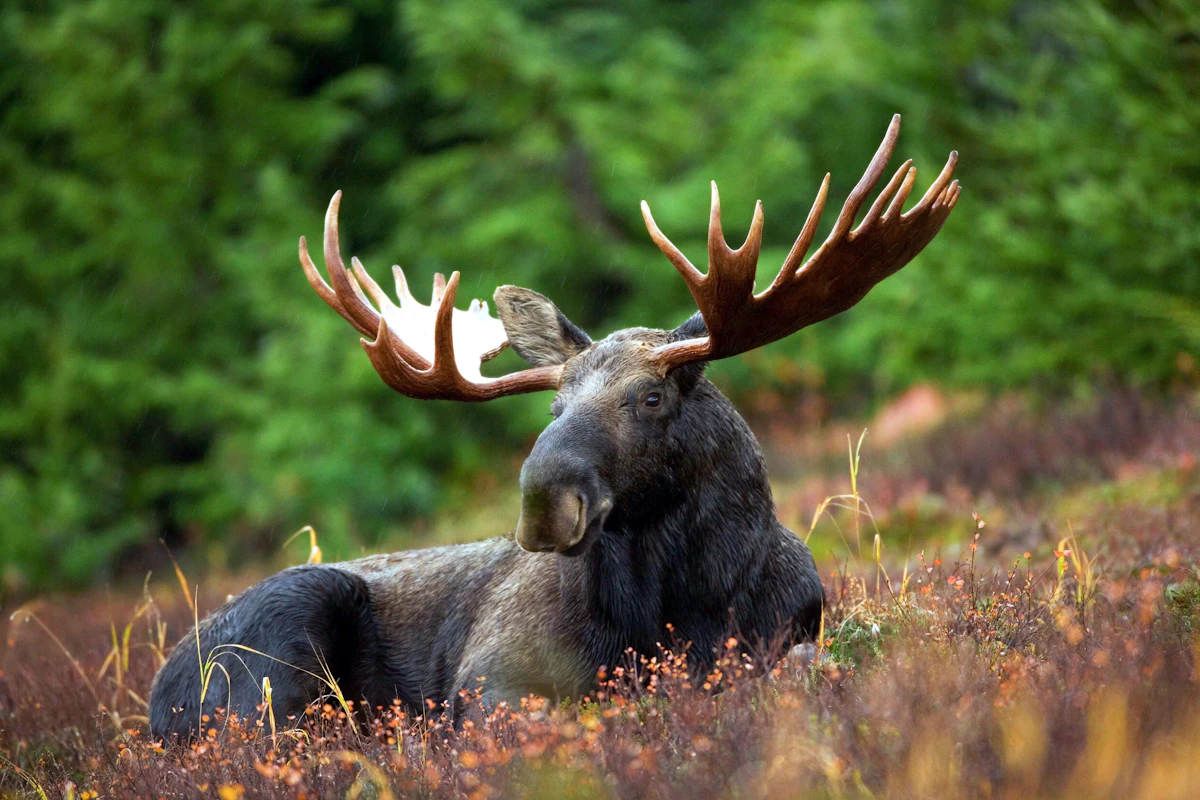
Shiras moose are the smallest of North America's three moose subspecies, but they're arguably the most accessible for DIY hunters willing to put in the legwork. Found across the northern Rockies from Utah to Montana, these animals live in terrain that doesn't require bush planes or expensive outfitters to access. The problem isn't the hunting itself — it's getting a tag.
Every western state managing Shiras moose runs a limited-entry draw, and demand far exceeds supply. But not all draws are created equal. Some states offer hundreds of tags annually with reasonable odds for patient applicants. Others hand out a handful of permits to residents only. If you're serious about putting a Shiras moose on the ground without hiring a guide, you need to understand where your best chances lie and how to structure a multi-state strategy.
Wyoming: The Gold Standard for DIY Moose Hunting
Wyoming issues more Shiras moose tags than any other state — typically 300 to 400 annually split between residents and nonresidents. The state dedicates a portion of its permits specifically to nonresidents, which is critical because most western states either exclude nonresidents entirely or lump them into a tiny quota.
The catch is Wyoming's preference point system and escalating costs. A moose license runs over $2,000 for nonresidents, and you'll likely need 15 to 25 preference points to draw the better units. That's a multi-decade commitment if you're starting from zero. However, Wyoming also offers a random draw component, meaning a small percentage of tags go to applicants regardless of points. First-time applicants do occasionally beat the odds.
Wyoming's moose habitat spans the western half of the state, with prime units in the Gros Ventre, Wyoming Range, and Bighorn Mountains. Public land access is generally excellent, and the terrain — while rugged — is manageable for fit hunters willing to hike. Bull-to-cow ratios in well-managed units remain strong, and 40-inch bulls are realistic targets for DIY hunters who scout thoroughly.
For a deeper breakdown of how preference points work across species, check out
Product Preview | TAGZ
Montana: Tough Odds but Worth the Application
Montana manages solid Shiras moose populations across the western third of the state, but tag allocation is stingy. The state issues roughly 300 to 400 moose permits annually, with most going to residents. Nonresidents compete for approximately 10% of the total, and the preference point system means serious wait times.
Montana's moose units cluster in the Bitterroot, Swan Range, and areas near Glacier and Yellowstone. Access varies dramatically by unit — some offer walk-in public land opportunities, while others require navigating checkerboard ownership patterns. Do your homework before applying.
One advantage Montana offers is relatively low application fees compared to the license cost. You can accrue points affordably while waiting for odds to swing your way. Montana also allows combination hunting, so if you draw a moose tag, you can chase deer and elk on the same trip with a general license.
If you're building a long-term strategy that includes Montana, see Product Preview | TAGZ for guidance on stacking applications across multiple states.
Idaho: Overlooked Opportunity for Patient Hunters
Idaho flies under the radar for moose hunting, partly because the state doesn't widely publicize its draw and partly because controlled hunt regulations can feel opaque to out-of-state applicants. But Idaho holds healthy Shiras populations in the Clearwater, Salmon, and eastern border regions near Yellowstone.
The state issues around 1,000 moose tags annually — more than most hunters realize. However, the nonresident quota is limited, and Idaho's point system isn't as straightforward as Wyoming's. You'll need to study zone-specific regulations carefully.
Where Idaho shines is public land access. The state contains vast tracts of national forest and BLM ground, and moose often concentrate in riparian zones and willow flats that are reachable on foot. For DIY hunters comfortable with backcountry travel, Idaho delivers.
Application deadlines and fee structures differ from neighboring states, so don't assume anything. Review Product Preview | TAGZ to keep your timeline straight.
Utah: A Sleeper Pick with Unique Advantages
Utah isn't the first state that comes to mind for moose hunting, but the Shiras population along the Wasatch Range and northern mountains is healthy and well-managed. The state issues fewer than 200 moose permits annually, but Utah's bonus point system gives every applicant a realistic shot — eventually.
Utah's system weights your odds based on accumulated points, but it doesn't guarantee tags to max-point holders. This randomization means first-time applicants can draw, though odds remain long. The upside is you're not competing against applicants with 25 points who mathematically must draw before you.
Utah moose units often feature excellent road access for retrieval, which matters when you're packing out 500 pounds of meat and a heavy rack without a bush plane or horse string. The state also permits rifles during most moose seasons, giving DIY hunters flexibility in weapon choice.
Free to join
Download mobile app
- Detailed draw odds
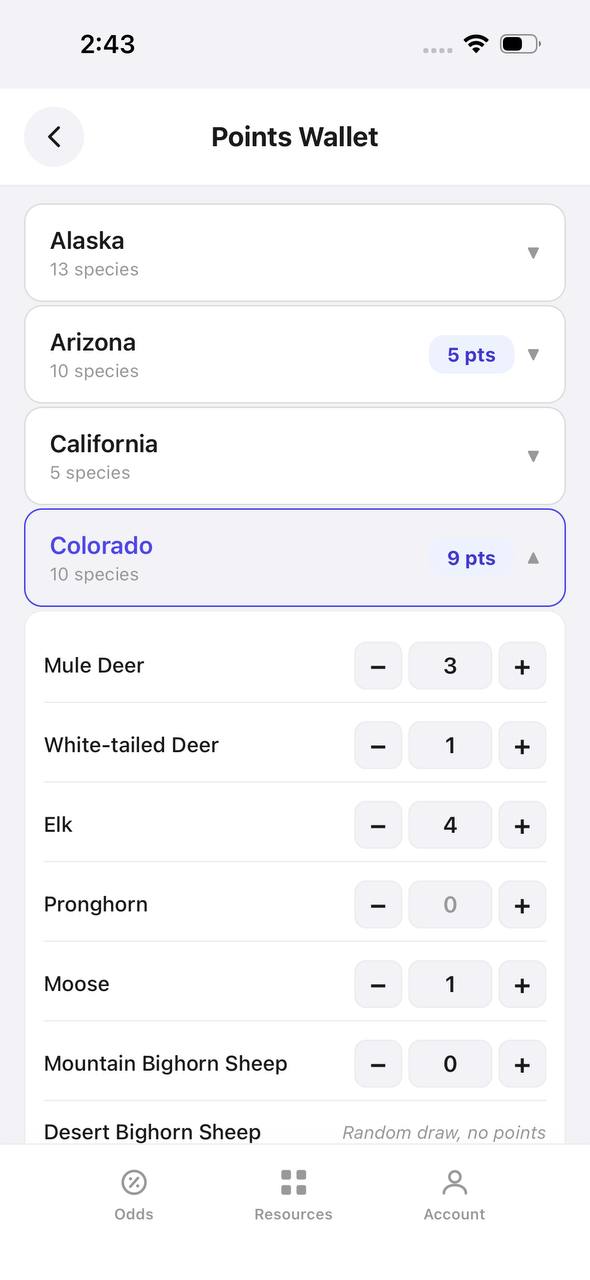
- Point tracking
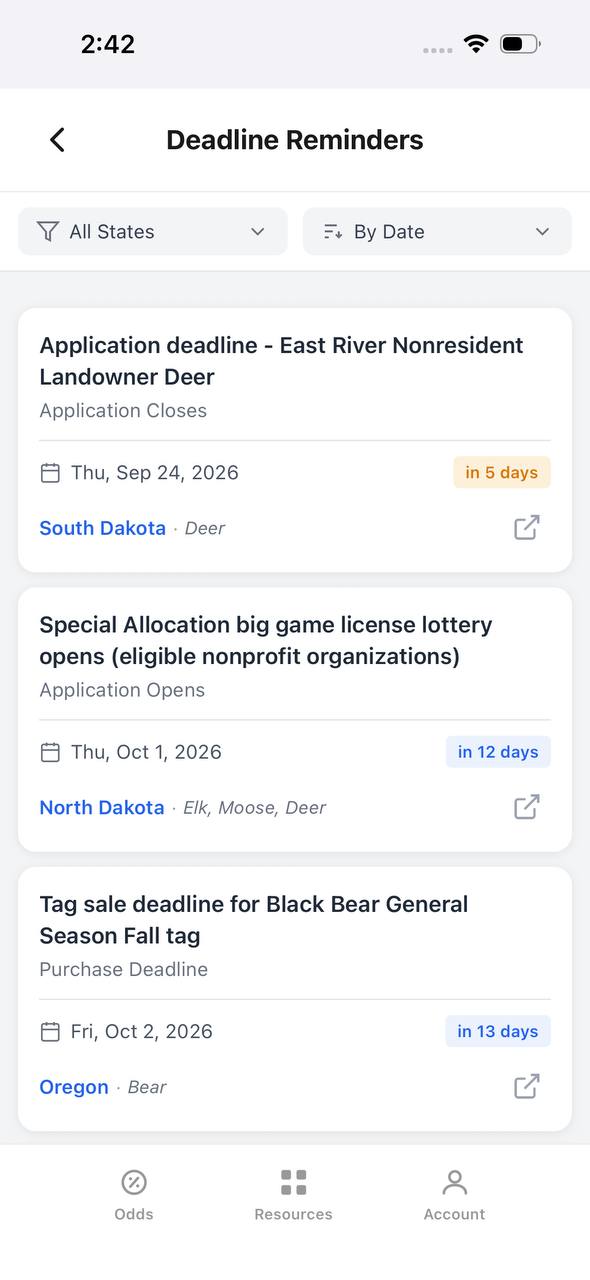
- Deadline reminders
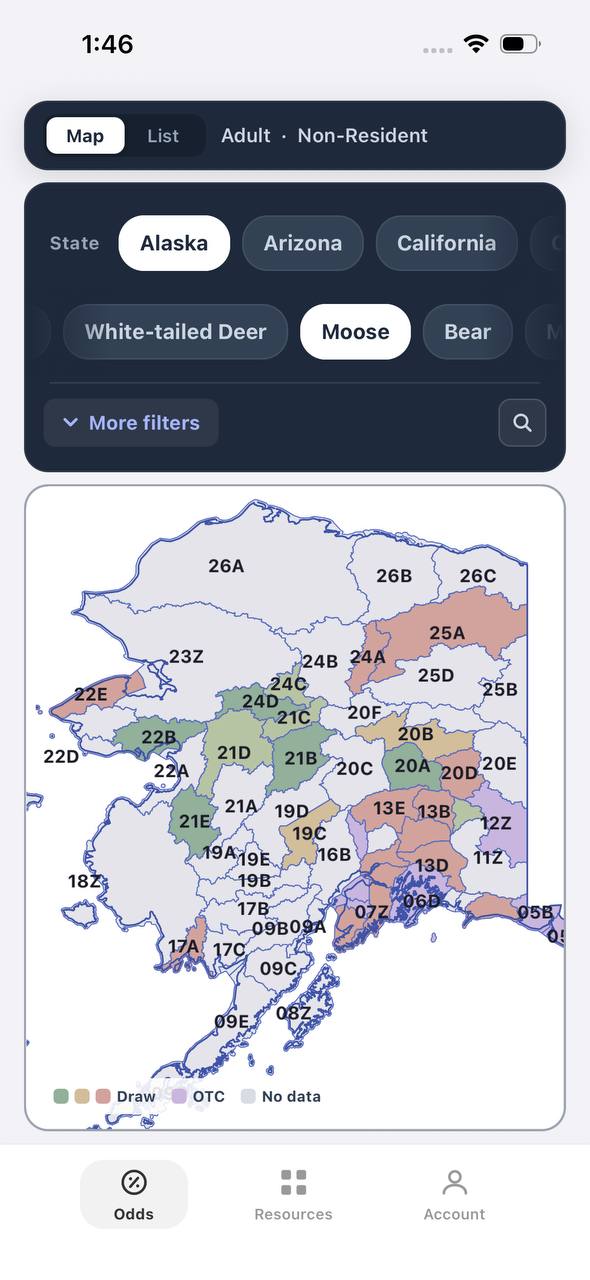
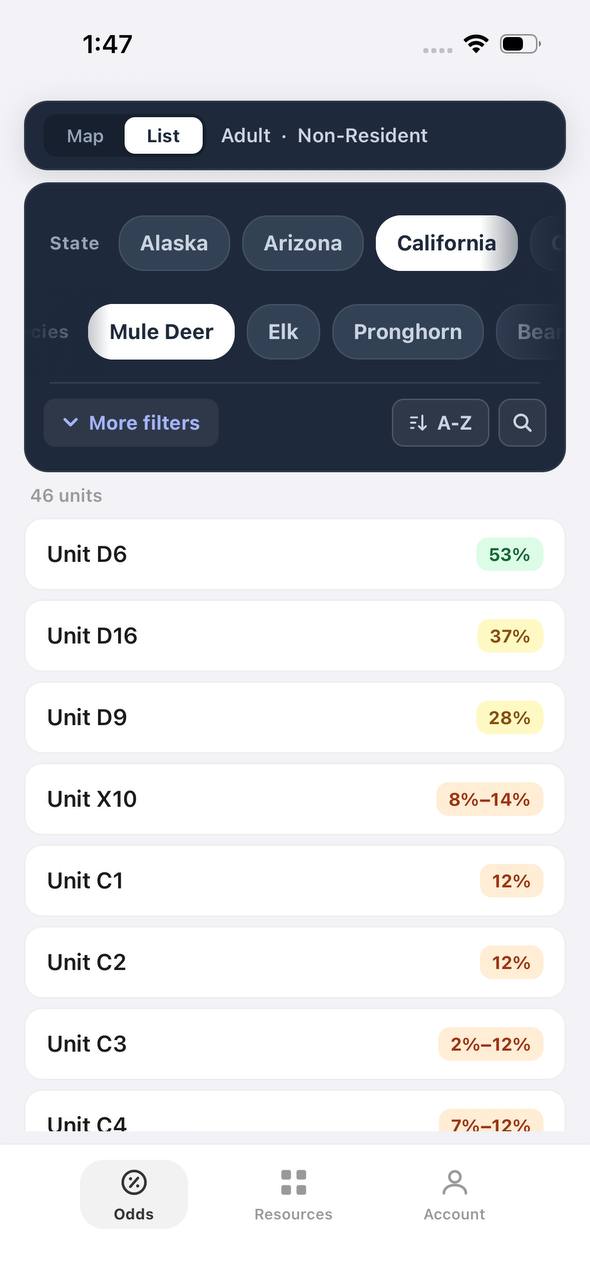
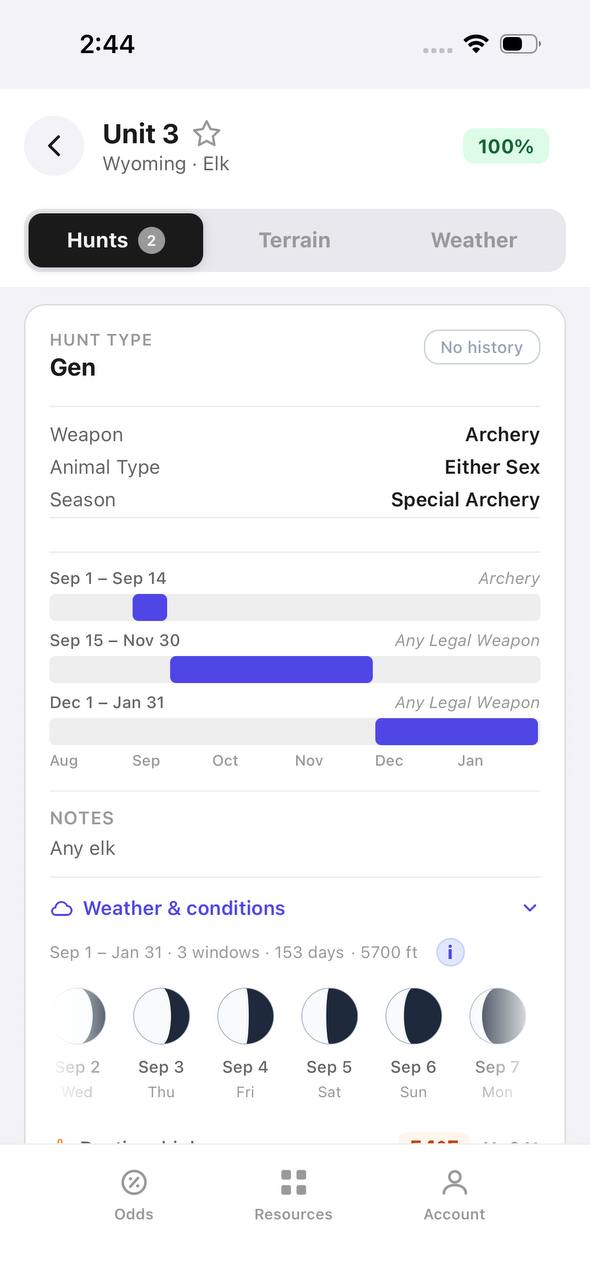
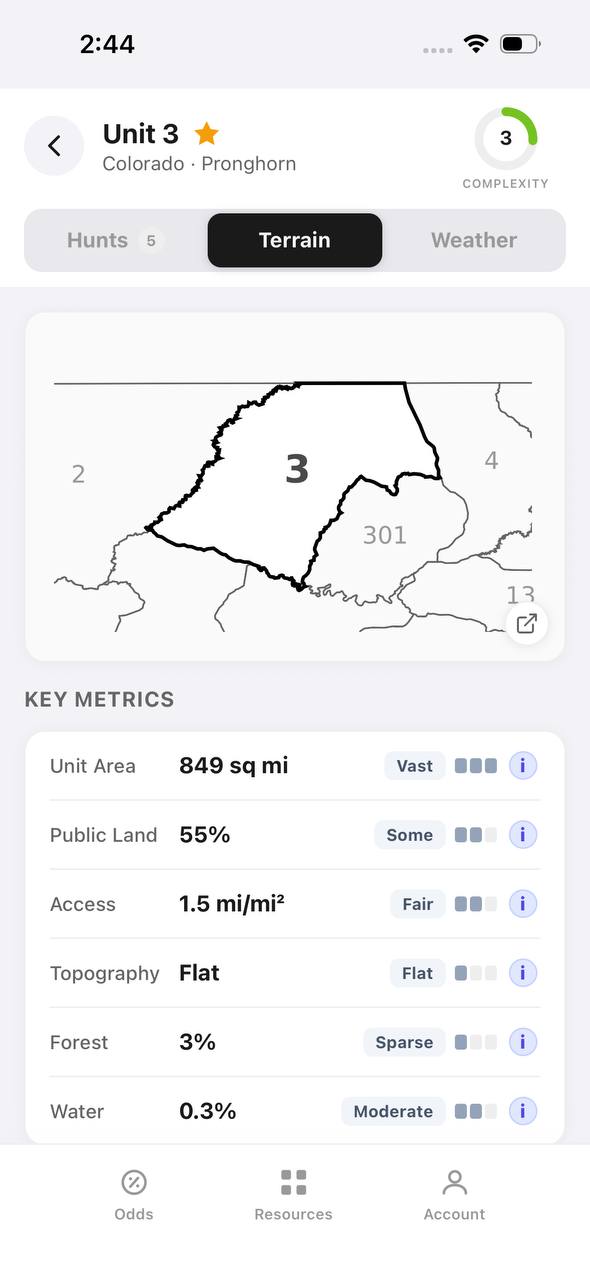
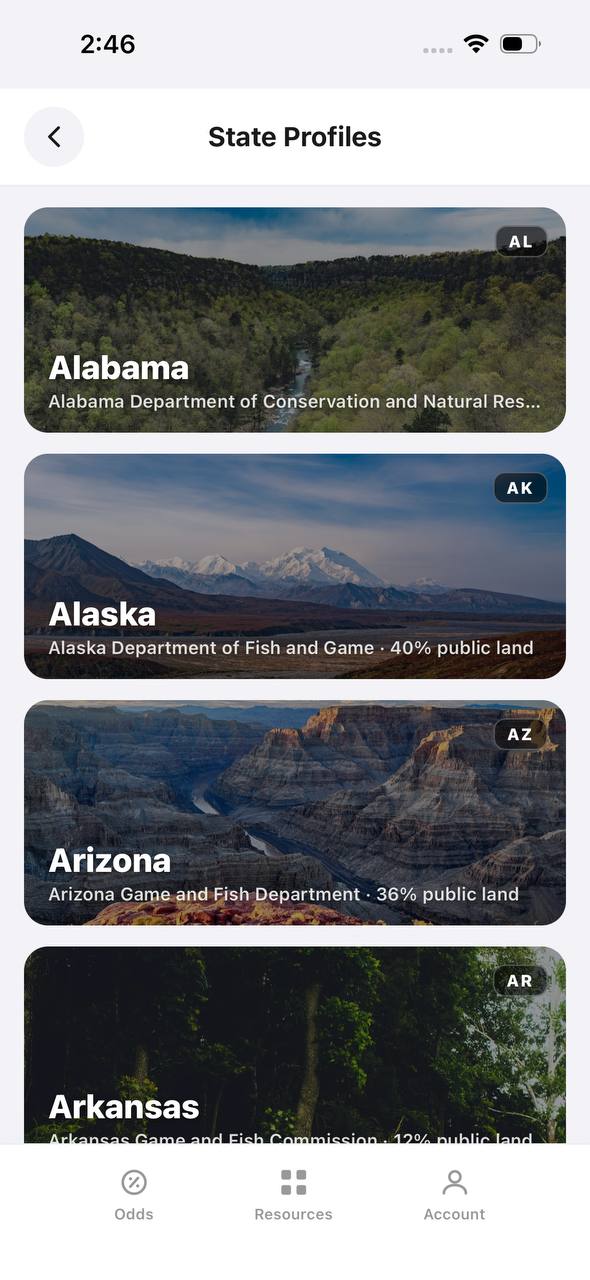
- 18 states covered

Free to join
Download mobile app
- Detailed draw odds
- Point tracking
- Deadline reminders
- 18 states covered
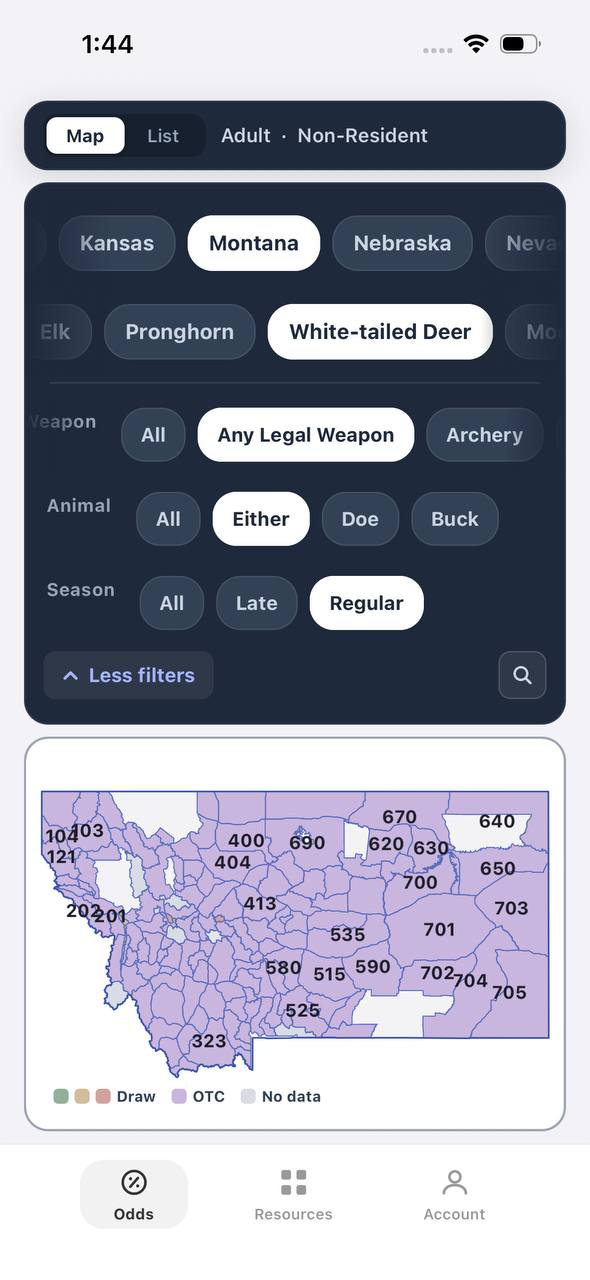
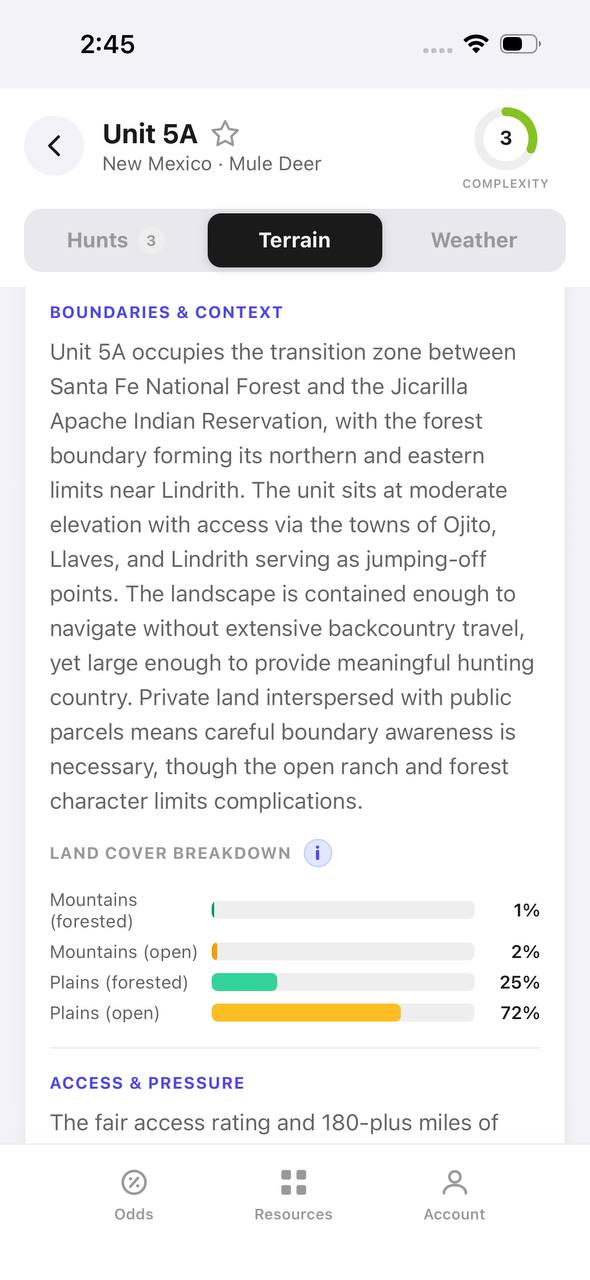
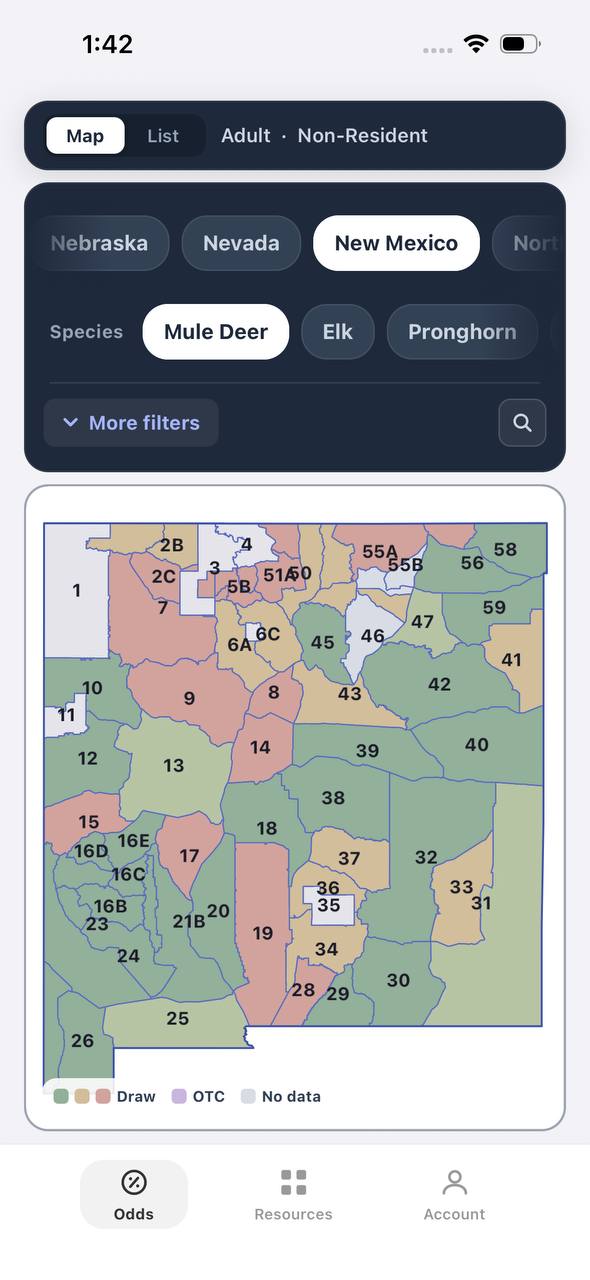
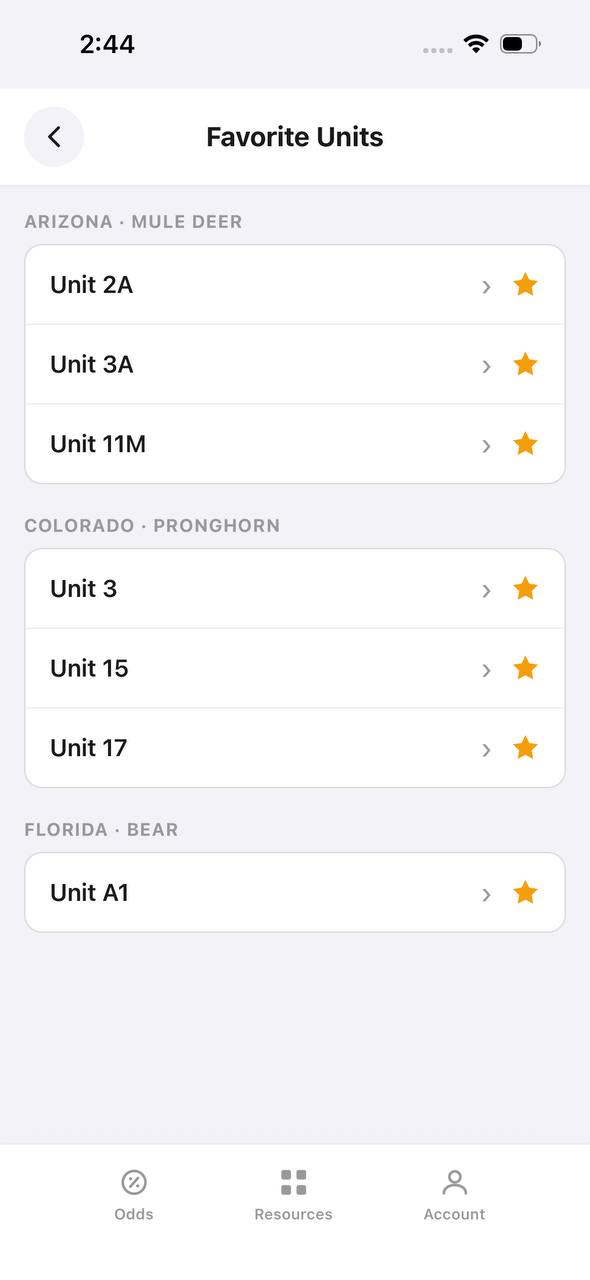
Free to join
Download mobile app
- Detailed draw odds
- Point tracking
- Deadline reminders
- 18 states covered
Colorado: Limited Tags but Growing Herds
Colorado reintroduced moose in the late 1970s, and the population has expanded steadily since. The state now issues around 300 to 400 moose licenses annually, primarily in North Park, the Laramie River drainage, and the Grand Mesa.
Colorado's weighted point system functions similarly to Utah's, meaning random draw luck can beat point creep. Nonresidents pay steep application and license fees, but the quality of bulls in units like GMU 18 and GMU 181 justifies the investment for hunters who draw.
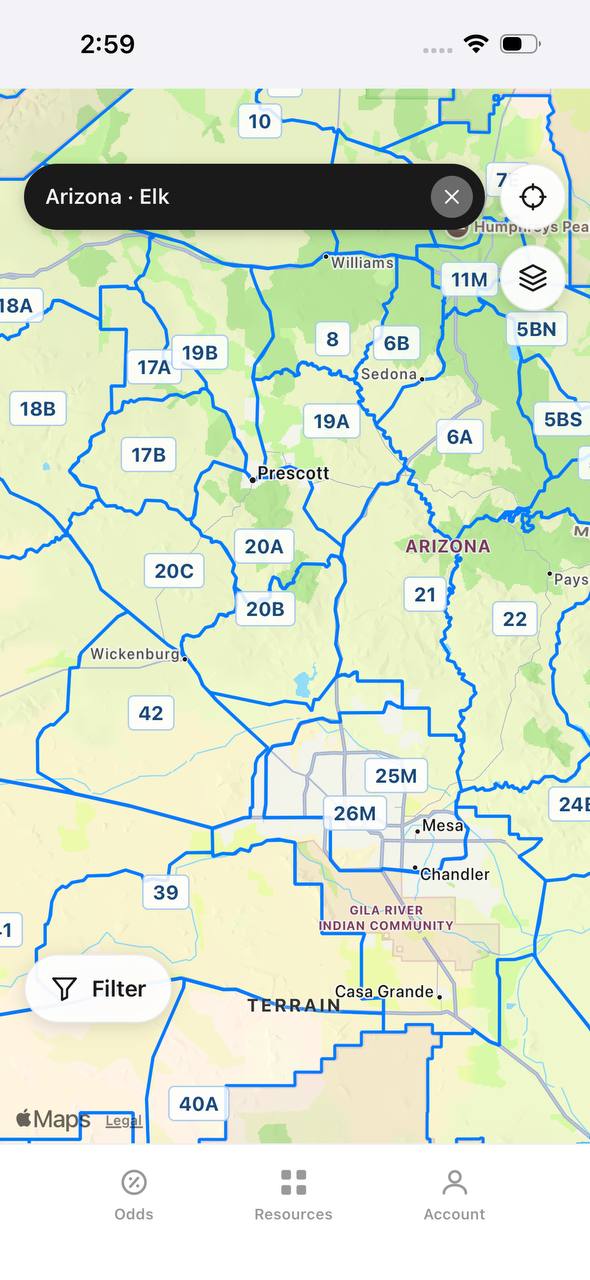
Public land access in Colorado moose units varies. Some areas feature extensive national forest and state trust lands, while others require permission from private landowners. Scout via OnX or TAGZ maps before committing to a unit.
For help analyzing specific unit data, see Idaho Game Units | TAGZ
Building a Multi-State Moose Strategy
No single state offers good enough odds to bet everything on one application. The smart play is applying across multiple states simultaneously, accumulating points where systems allow, and staying ready to hunt when random luck strikes.
Prioritize Wyoming and Idaho for nonresident opportunity. Add Montana, Utah, and Colorado for point accumulation and bonus-weighted draws. Budget for annual application fees across all five states — it's the cost of staying in the game.
Also consider timing. If you draw a moose tag in one state, you may need to drop other applications that year to focus on scouting and preparation. A once-in-a-lifetime tag deserves your full attention.
Gear and Preparation for DIY Moose Hunts
Shiras moose live in wet, boggy terrain — willows, beaver ponds, and creek bottoms. Waterproof boots and gaiters aren't optional. You'll also need serious meat-hauling capacity. A 700-pound bull yields 350 to 400 pounds of boneless meat. Plan multiple pack trips or bring friends.
Optics matter for locating moose in thick cover. Quality binoculars in the 10x42 range and a spotting scope for field judging bulls will save you miles of unnecessary hiking. Moose aren't spooky like elk, but they can vanish into willows quickly once alerted.
For rifle hunters, a flat-shooting caliber in the .30-06 to .300 Win Mag range handles moose cleanly. Shot distances are often under 200 yards in timber and willows, so don't over-prioritize long-range capability at the expense of quick handling.
FAQ — DIY Shiras Moose Hunting
Which state has the best odds for nonresident moose tags?
Wyoming offers the most nonresident tags and a dedicated nonresident quota, making it the most accessible for out-of-state DIY hunters despite long point creep.
How many years does it take to draw a Shiras moose tag?
Expect 15 to 25 years in Wyoming's best units. Utah and Colorado's weighted systems can reward random applicants sooner, but average wait times still range from 10 to 20 years.
Can I hunt Shiras moose on public land without a guide?
Yes. Wyoming, Idaho, Montana, and Colorado all have units with substantial public land access suitable for DIY hunting with proper scouting.
What's the biggest mistake DIY moose hunters make?
Underestimating meat retrieval logistics. Moose are massive, and getting 400 pounds of meat out of boggy terrain without a plan leads to spoilage and wasted opportunity.
Is a Shiras moose hunt worth the 20-year wait?
For hunters who value the challenge, solitude, and trophy quality of a DIY backcountry moose hunt, absolutely. The tag is rare, but the experience is unmatched.
Should I apply for multiple states each year?
Yes. Applying across Wyoming, Montana, Idaho, Utah, and Colorado maximizes your cumulative odds and keeps you in multiple point pools simultaneously.
Shiras moose hunting rewards patience, preparation, and a willingness to play the long game across multiple state draws. Start accumulating points now, study your target units, and when that tag finally arrives, you'll be ready to make it count. For unit-by-unit draw odds and application tracking, explore Product Preview | TAGZ to build your strategy.
Was this article helpful?
Previous
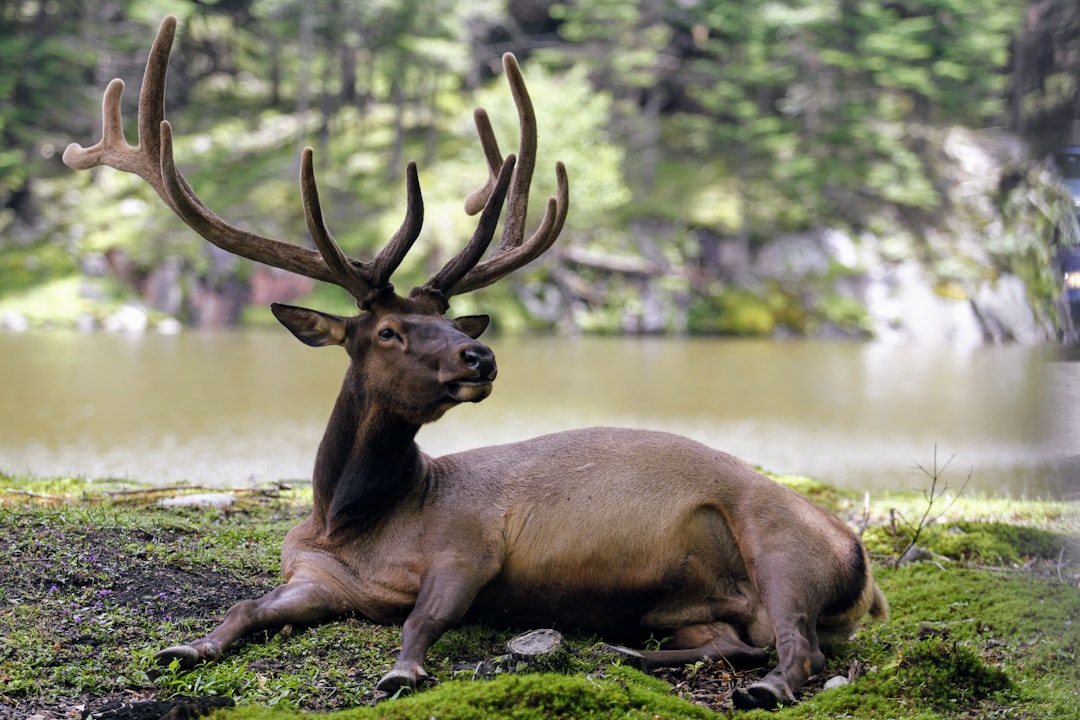
How Elk Communicate Throughout the Day: A Hunter's Guide to Vocalizations and Body Language
Elk use a complex system of bugles, barks, mews, and body language that shifts dramatically from dawn to dusk. Understanding these communication patterns gives hunters a tactical edge for calling setups and predicting elk movement.
Related
Lip Bawl Bugles Explained: When and Why Bulls Make This Sound
The lip bawl bugle is one of the most misunderstood elk vocalizations. Understanding when bulls use this distinctive call and what it signals can help hunters decide whether to respond aggressively or back off.
Next
Calling Elk in Dark Timber: Proven Tactics for Tight-Cover Bulls
Calling elk in dark timber demands close-range setups, aggressive calling sequences, and reading wind in confined spaces. This guide covers proven techniques for locating, calling, and closing the distance on bulls in dense lodgepole, spruce, and fir stands where visibility drops to yards, not hundreds.