How to Choose Your First Western Hunt: A Practical Guide for New Hunters
Your first Western hunt should be one you can actually pull off. That means matching your budget, physical fitness, and available time to a realistic combination of state, species, and hunt type. Too many first-timers aim for a once-in-a-lifetime elk hunt in a premium unit and end up overwhelmed, underprepared, or stuck waiting years to draw. Start with a hunt that teaches you the system and puts you in the field.
Start With Species: What Do You Actually Want to Hunt?
Western big game includes everything from pronghorn antelope to mountain goats, but for a first hunt, your realistic options narrow quickly. Elk and mule deer are the most accessible species with the most available tags. Pronghorn is another solid beginner option in states like Wyoming and Montana, offering high draw odds and forgiving terrain.
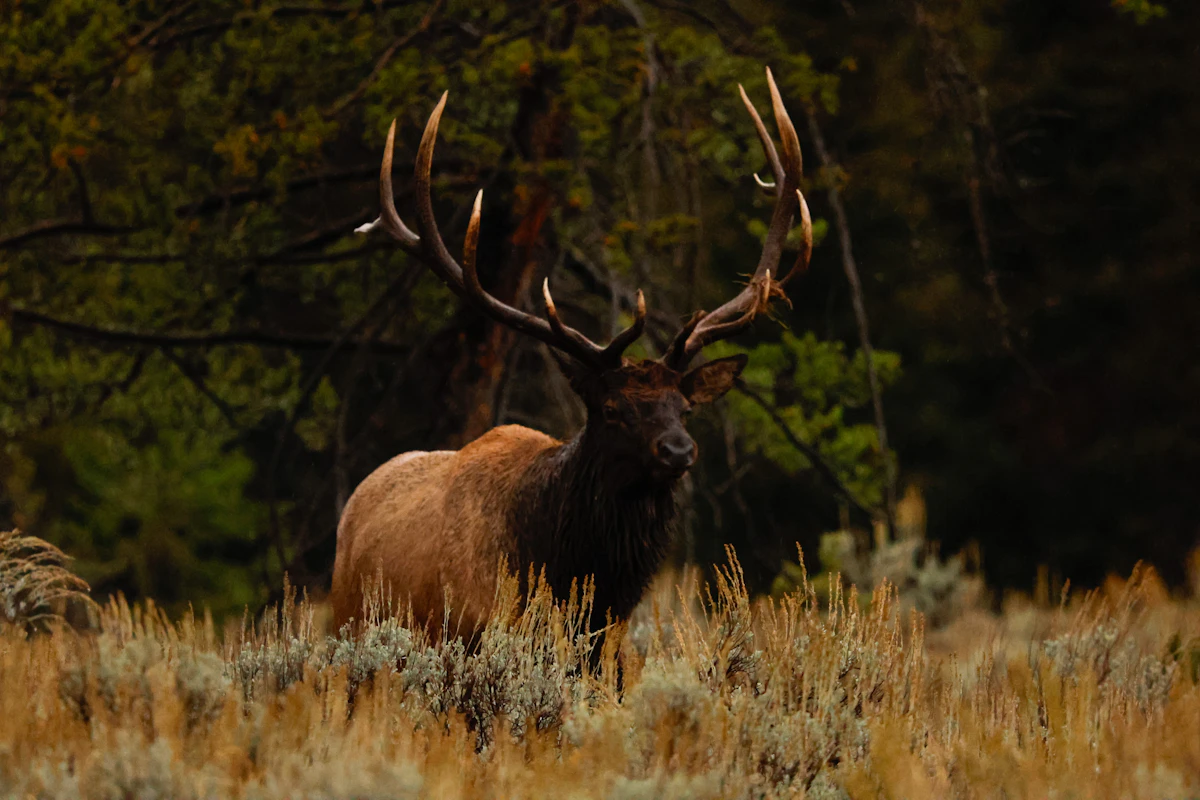
Elk hunting is the dream for most newcomers, but it demands more from you physically, logistically, and financially. Mule deer hunts are generally easier to plan and execute, especially in lower-elevation units. Pronghorn offers wide-open country, high success rates, and a gentler introduction to Western hunting.
Ask yourself what you actually want from this experience. If you need meat in the freezer, pronghorn or a cow elk tag gives you better odds. If you want the challenge and the adventure, a bull elk hunt in OTC country will test you in every way. Be honest about what success looks like for your first trip.
OTC vs. Draw Hunts: Understanding Your Tag Options
Western states use two main systems to distribute tags: over-the-counter (OTC) and limited-draw. OTC tags are sold without a lottery, typically available online or at license vendors until they sell out or the season ends. Draw tags require you to apply during a specific window and hope your name gets pulled.
For a first Western hunt, OTC tags are almost always the smarter play. Colorado offers OTC elk tags for most units during archery and rifle seasons. Idaho sells OTC deer and elk tags in general units. These options let you hunt this year without gambling on a draw.
Draw hunts offer better hunting quality, lower pressure, and often higher success rates, but they introduce uncertainty. If you apply for a limited-entry Utah elk tag with 5% draw odds, you might wait a decade. That's fine as a long-term strategy, but it's no way to get started.
If you want to learn more about navigating the draw system, check out Product Preview | TAGZ for a complete breakdown.
Picking a State: Where Should You Go?
Each Western state has different regulations, costs, and hunting cultures. Here's a quick comparison of beginner-friendly options:
Colorado offers the most OTC elk opportunity in the West. Public land is abundant, and you can hunt without applying months in advance. The tradeoff is pressure, especially during rifle season.
Idaho provides OTC general tags for deer and elk in many units. It's less crowded than Colorado and has excellent public land access.
Montana uses a combination license system for nonresidents that includes a general elk tag, but availability is limited and the process is competitive. It's worth understanding before you commit.
Wyoming requires draw applications for most deer and elk, but pronghorn tags are relatively easy to draw in many units. It's a great state for a first antelope hunt.
New Mexico is draw-only for most species, but first-time applicants get a bonus in the draw. If you're patient, it's worth starting your point journey early.
For a deeper dive into each state's system, see Insights | TAGZ on TAGZ Insights.
Budget and Logistics: What Will This Actually Cost?
A DIY Western hunt costs less than most people think, but more than you might hope. Here's a rough breakdown for a nonresident elk hunt:
- License and tag: $600 to $900 depending on state
- Travel: $300 to $800 for fuel or flights
- Lodging or camping: $0 to $500 depending on your setup
- Food and incidentals: $150 to $300
- Meat processing and shipping: $300 to $600 if successful
All in, a DIY elk hunt runs $1,500 to $2,500 for most hunters. Guided hunts start around $4,000 and climb quickly from there. For a first hunt, going DIY teaches you more and keeps costs manageable.
Don't forget time. A proper Western hunt requires at least five to seven days in the field, plus travel. Trying to cram it into a long weekend is a recipe for frustration.
Physical Preparation: Can You Handle the Terrain?
Western hunting is harder than Midwestern or Eastern hunting in one specific way: elevation. Hunting at 8,000 to 10,000 feet will humble you if you're not prepared. Add steep terrain and heavy packs, and you'll understand why fitness matters.
Start training at least three months before your hunt. Focus on hiking with a weighted pack, stair climbing, and building your cardio base. If you can hike five miles with 40 pounds on your back without stopping, you're in decent shape for most hunts.
If you're not confident in your fitness, choose a hunt that doesn't punish you for it. Pronghorn hunting in Wyoming or mule deer in sagebrush country requires far less climbing than a Colorado high-country elk hunt.
Setting Realistic Expectations
Your first Western hunt probably won't end with a bull elk on the ground. National success rates for OTC elk hunts hover around 10 to 20 percent for rifle hunters and lower for archery. That doesn't mean you failed. It means you're learning.
Go into your first hunt with process goals: learn to read terrain, figure out how to glass effectively, understand elk movement patterns, and get comfortable in the backcountry. If you punch your tag, that's a bonus. If you don't, you'll come back better prepared.
Many experienced Western hunters will tell you their first trip was mostly about making mistakes. That's how it works. The hunters who succeed long-term are the ones who treat each season as education.
For more on what to expect in the field, read What First-Time Western Hunters Get Wrong on TAGZ Insights.
A Recommended First Hunt
If you're still unsure where to start, here's a simple recommendation: hunt OTC archery elk in Colorado. You can buy your tag without applying, public land is plentiful, and September in the mountains during the rut is an experience you won't forget. Yes, it's challenging. Yes, you might not fill your tag. But you'll learn more in one week than you would in months of reading.
Alternatively, a Wyoming pronghorn hunt offers easier logistics, high success rates, and a chance to experience Western hunting without the physical demands of elk country. Draw odds are favorable in many units, and you can often draw a tag in your first year of applying.
FAQ — First Western Hunt
What's the easiest Western species to hunt as a beginner?
Pronghorn antelope. High tag availability, open terrain, and strong success rates make it the most forgiving introduction to Western hunting.
Should I go guided or DIY for my first hunt?
DIY if you're comfortable with self-reliance and want to learn the process. Guided if you want higher success odds and less logistical stress, but expect to pay significantly more.
How far in advance do I need to plan?
For OTC hunts, a few months is sufficient. For draw hunts, you need to apply during the state's application window, which can be six to nine months before the season.
Is it worth buying preference points before my first hunt?
Yes for states you plan to hunt long-term. Points cost little and build toward future opportunities. See Insights | TAGZ for details.
What's the biggest mistake first-time Western hunters make?
Overestimating their fitness and underestimating the terrain. Train hard and pick a hunt that matches your current ability, not the hunter you hope to become.
Can I realistically hunt elk on public land without a guide?
Absolutely. Thousands of hunters fill tags on public land every year. It takes more effort, scouting, and willingness to hike past the crowds, but it's entirely doable.
Start Building Your Plan
The best first Western hunt is one you actually take. Pick a species that excites you, choose a state with accessible tags, and commit to a date. Use TAGZ to compare draw odds, research units, and build a strategy that fits your goals. Your first hunt won't be perfect, but it will be the foundation for every hunt that follows.
Was this article helpful?
Previous
How to Build a Five-Year Western Hunting Application Strategy
A structured five-year application plan helps Western big-game hunters maximize point accumulation, secure quality tags, and avoid costly mistakes that derail long-term goals.
Next
Calling Elk Post-Rut: Strategies for Late-Season Success
Post-rut elk abandon bugling but still respond to strategic calling. Learn which vocalizations work after the rut, when to stay silent, and how to capitalize on feeding patterns and herd dynamics when bulls have gone quiet.