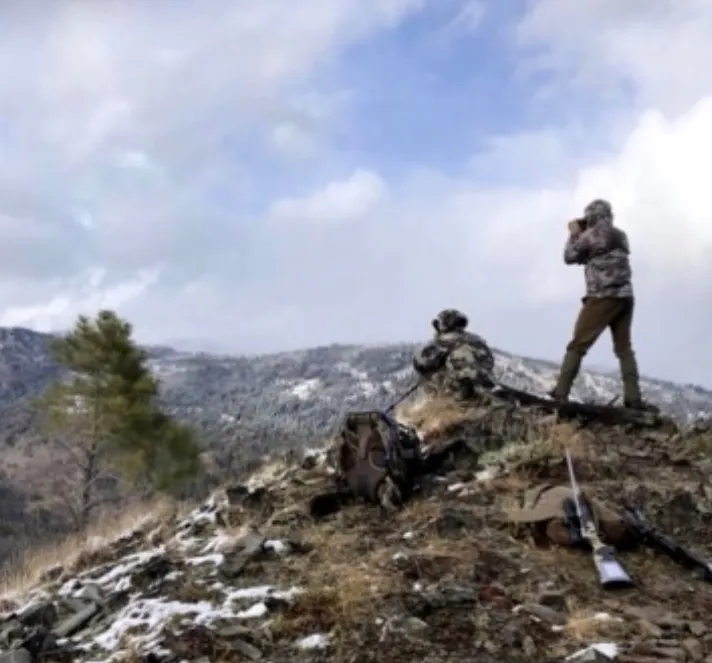
What Different Elk Bugles Mean: A Hunter's Guide to Reading Bull Talk
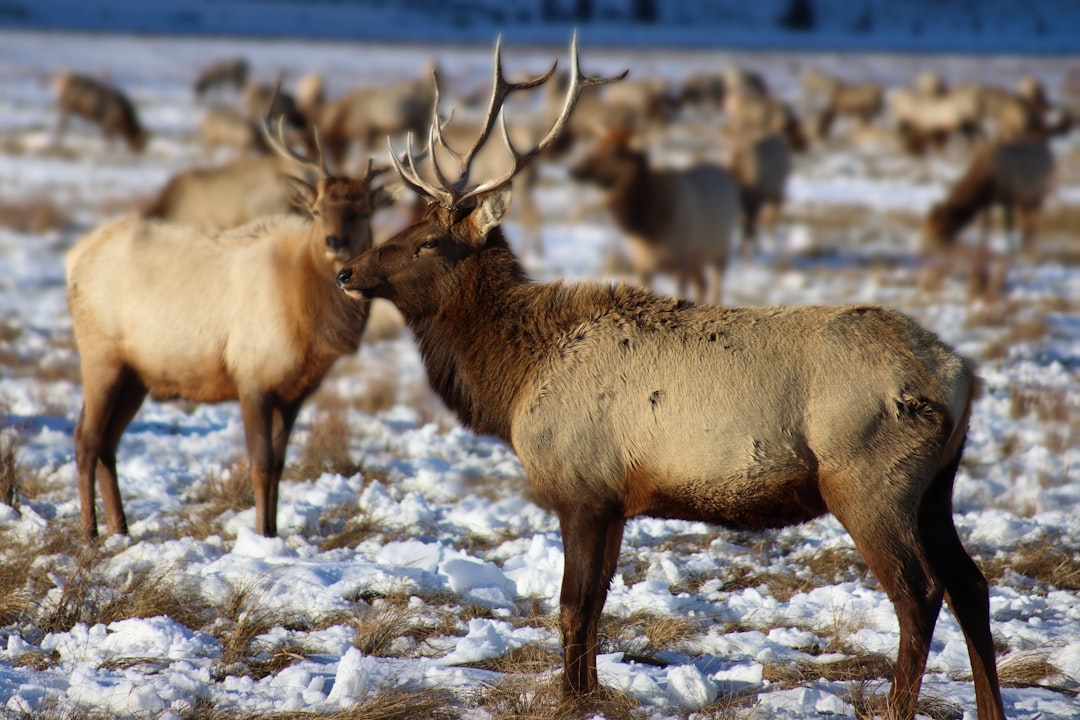
A bull elk's bugle is not just noise. It is information — broadcast across a mountainside for any creature smart enough to listen. For hunters willing to learn the language, those screams, grunts, and chuckles reveal where a bull is, what he wants, and how close he is to committing to a fight or a cow.
The Anatomy of a Bugle
Before breaking down what different bugles mean, it helps to understand what you are hearing. A classic bugle starts with a low growl, rises into a high-pitched scream, and often ends with a series of grunts called chuckles. Not every bugle contains all three elements, and that variation tells you something.
Young bulls often produce cleaner, higher-pitched bugles without much depth or chuckling. Mature herd bulls tend to have raspy, broken screams with aggressive chuckling that sounds almost like laughter. The raspiness comes from years of use and vocal cord damage — think of it as the elk equivalent of a gravel voice.
When you hear a bugle, note the pitch, the length, the presence of chuckles, and the urgency. These details matter more than volume.
Location Bugles: The Check-In Call
The most common bugle you will hear is a location bugle. This is a bull announcing his presence and listening for a response. Location bugles tend to be drawn out, moderately pitched, and spaced several minutes apart. The bull is not worked up — he is simply checking in.
Hunters often mistake location bugles for disinterest. In reality, a bull throwing location bugles is actively searching. He wants to know where other bulls are, where cows might be, and whether anything has changed since his last call.
Responding to a location bugle with a similar call can start a conversation. The risk is low. If the bull bugles back and begins closing distance, you have his attention. If he goes silent or moves away, he either pegged your location and is uninterested, or he is circling downwind to verify what he heard.
Challenge Bugles: The Fight Is On
A challenge bugle is unmistakable once you have heard one. It is aggressive, rapid, and often stacked — meaning the bull cuts off his own bugle to start another before the first one finishes. The chuckles are fast and hard, sometimes overlapping the scream itself.
Challenge bugles happen when a bull believes a rival is threatening his cows or his territory. A herd bull being harassed by a satellite bull will throw challenge bugles to warn him off. Two evenly matched bulls working toward a fight will exchange them like verbal punches.
For hunters, challenge bugles signal a bull that has lost some of his caution. His focus has narrowed to the threat. If you can position yourself as that threat — or slip in while he is focused on another bull — your odds improve significantly. This is where understanding draw odds and unit pressure helps you find areas with enough bulls to create competition.
The Chuckle: More Than a Footnote
Chuckles deserve their own attention. These rapid grunts at the end of a bugle communicate dominance and aggression. A bull with long, drawn-out chuckles is advertising his size and fitness. Short, clipped chuckles may indicate a younger bull or one that is less confident.
Some hunters focus so much on the scream that they ignore the chuckle. That is a mistake. If you are calling to a bull and his chuckles are getting faster and longer, he is escalating. If they are shortening or disappearing, he may be losing interest or getting suspicious.
Chuckles also help with locating bulls in thick timber. Sound travels strangely in heavy cover, and the scream portion of a bugle can bounce off ridges and seem to come from multiple directions. Chuckles are lower-pitched and more directional — use them to pinpoint a bull's true location.
Cow Calls and Estrus Whines
Not every important elk vocalization is a bugle. Cow calls — the mews, chirps, and estrus whines — drive bull behavior during the rut just as much as rival bulls do.
A basic cow mew is a contact call. Cows use it to stay in touch with the herd, and bulls listen for it constantly. When you hear soft mewing from multiple directions, you are near a herd. When a bull responds to your cow call instead of your bugle, he is looking for company rather than a fight.
Estrus whines are different. These are longer, more plaintive calls that indicate a cow is ready to breed. Bulls respond to estrus whines with urgency — often abandoning caution to locate the source. Using an estrus whine when a bull is already interested can pull him those last fifty yards into range.
Knowing when to bugle and when to cow call is critical. If a bull is henned up with cows, challenging him may just make him push his herd away from you. A subtle cow call can make him think a cow is wandering off, which he cannot tolerate. Understanding these dynamics is part of building a complete hunt strategy before you ever set foot in the field.
Glunking: The Sound of a Committed Bull
Glunking is a deep, resonant grunt that bulls make when they are tending cows or moving through their herd. It sounds almost like a hollow drumbeat and indicates a bull that is relaxed but possessive.
A glunking bull is usually with cows. He is not responding to threats — he is simply maintaining his presence. Hearing glunks tells you a herd bull is close and likely visible if you can move into position without spooking the cows.
Hunters sometimes mistake glunking for a distant bugle or dismiss it as unimportant. Learn to recognize it. A glunking bull is a bull you can work on — but you will need patience and a careful approach.
Reading the Silence
Sometimes the most important thing an elk tells you is nothing at all. Silence after a bugle exchange can mean several things: the bull is coming in quietly, he has lost interest, or he has winded you and is gone.
Experienced bulls often close the last hundred yards without making a sound. They have learned that bugling their exact position invites arrows. If a bull was hot and suddenly goes silent, do not assume he left. Nock an arrow, control your breathing, and watch your shooting lanes.
Conversely, silence after you have been aggressive with your calling may mean you pushed too hard. Backing off, relocating, and trying softer cow calls can sometimes re-engage a bull that felt the setup was wrong.
Putting It All Together
The best elk hunters are fluent in bull conversation. They know that a location bugle is an invitation, a challenge bugle is a commitment, and an estrus whine is a closer. They listen to chuckles for aggression cues and glunks for proximity. They respect silence as information, not absence.
Building this fluency takes time in the field. Record bugles when you can. Play them back and break them apart. Compare what you heard to what the bull did next. Over multiple seasons, patterns emerge.
Combining vocalization skills with solid unit research and tag planning gives you advantages on both sides of the equation — you are in the right place, and you know what to do when a bull opens his mouth.
FAQ — Elk Bugles and Vocalizations
What does a location bugle sound like?
A location bugle is typically drawn out, moderate in pitch, and followed by silence as the bull listens for a response. It lacks the urgency and rapid chuckles of a challenge bugle.
How can I tell if a bull is mature by his bugle?
Mature bulls usually have raspy, broken screams with deep, aggressive chuckles. Young bulls tend to produce cleaner, higher-pitched bugles with fewer or shorter chuckles.
Should I bugle or cow call to a herd bull?
Cow calling is often more effective on herd bulls. A bugle challenges him, which may cause him to push his cows away. A cow call suggests one of his cows is leaving, which he will usually investigate.
Why did a bull go silent after bugling aggressively?
He may be closing distance quietly, circling downwind to scent-check you, or he may have detected something wrong with the setup. Stay ready and watch your lanes.
What is glunking and what does it mean?
Glunking is a deep, rhythmic grunt bulls make when tending cows. It signals a relaxed but possessive bull that is likely with a herd and may be workable with patience.
Do elk bugles mean the same thing in early season versus peak rut?
Not always. Early-season bugles are often more tentative and exploratory. Peak-rut bugles carry more urgency and aggression as competition for cows intensifies.
For hunters serious about improving their odds across multiple states and seasons, TAGZ pricing options make it easy to access the draw data and unit insights that complement your time learning elk talk in the timber.
Was this article helpful?
Previous
Ground Blind Hunting Tips: Setup, Concealment & Shot Success
Master ground blind hunting with proven setup strategies, scent control techniques, and shot placement tips. Learn when blinds outperform tree stands and how to maximize your concealment for close-range opportunities on whitetails, elk, and western big game.
Next
How to Build a Five-Year Western Hunting Application Strategy
A structured five-year application plan helps Western big-game hunters maximize point accumulation, secure quality tags, and avoid costly mistakes that derail long-term goals.