How Water Affects Elk Movement: Real-World Insight for Western Hunters
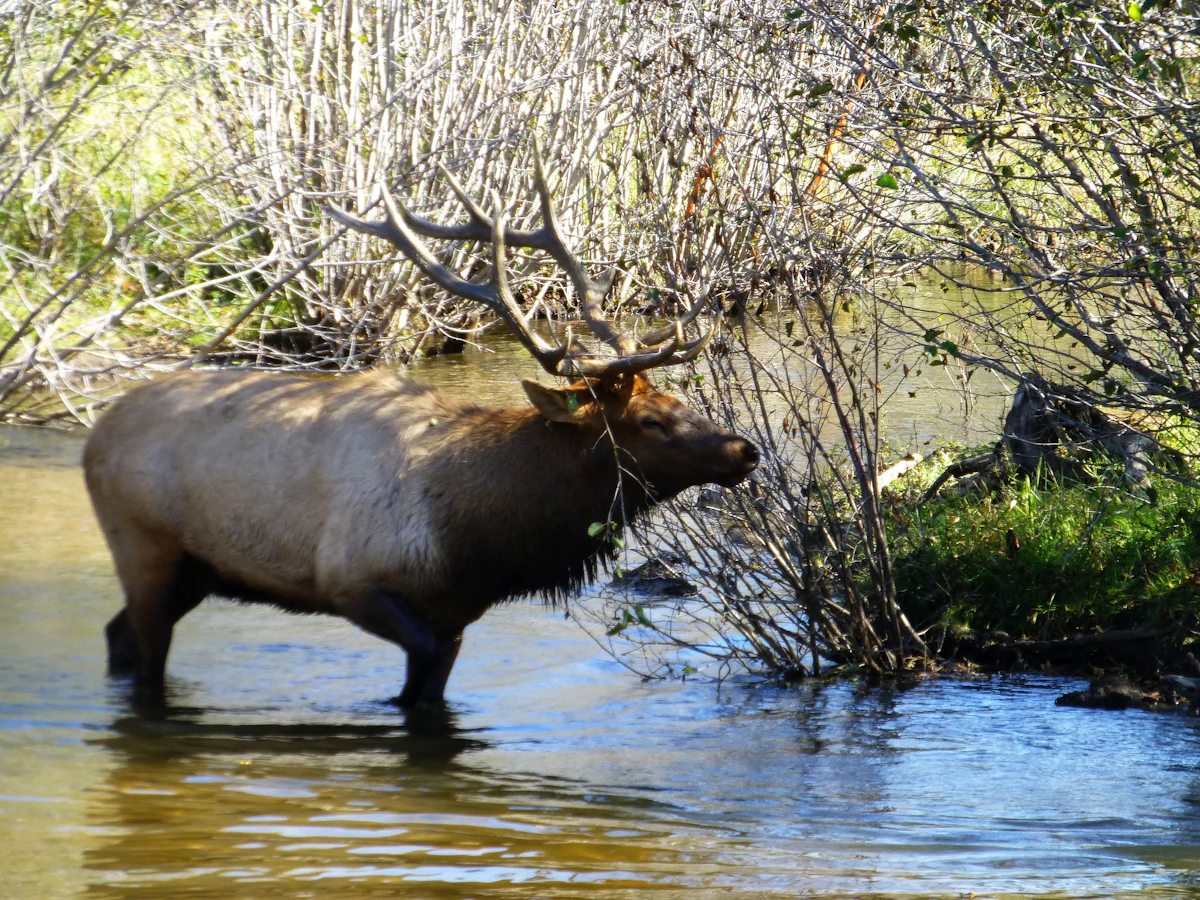
Water shapes where elk spend their time, but it’s rarely as simple as parking by a tank and waiting. Understanding how elk actually use water, especially across the dry West, will make or break a hunt.
More Than Just a Thirsty Herd: Elk and Water in the West
Most western elk live in country where water is scattered, seasonal, or hard to access. Elk need to drink daily when it’s hot, but they don’t move around with a canteen. Instead, they plan their entire day around water—sometimes bedding close, sometimes making big loops to hit a secluded spring at night.
In dry units, water can be the biggest limiting factor and will concentrate elk movement more than food or cover. In wet years or high-elevation country with seeps and creeks everywhere, water matters less. If you’re hunting a drought year, pay extra attention to stock tanks, wallows, and any live water. During wet seasons, don’t expect elk to stack up around the obvious ponds.
Pressure, Access, and Hidden Water: Where Elk Really Go
If you can drive to a pond, so can everyone else. Elk know it, too. The heaviest hunting pressure always forms around easy-access water sources. Mature bulls and herds will often avoid these spots during daylight, especially after opening weekend.
Elk prefer secluded, hard-to-reach water—think steep-cut seeps, springs buried in deadfall, or muddy wallows tucked in dark timber. They’ll travel surprising distances at night to drink in peace. The best way to find these spots is boots-on-the-ground scouting, but topo maps and satellite imagery (especially with a tool like TAGZ) can help you spot likely seeps and springs before you ever set foot in the unit.
Terrain and Timing: When Water Really Matters
Early archery and September hunts are prime time for water-based strategies. Elk are vocal, covering miles, and heat drives them to drink regularly. Sitting a waterhole can work if you’ve found one that isn’t hammered by other hunters.
Come October and later, elk move less for water—cooler temps let them get by with dew, frost, or what they find in their feed. Water is still important, but bedding cover and pressure start to trump thirst.
Scouting and Planning: How TAGZ Makes It Easier
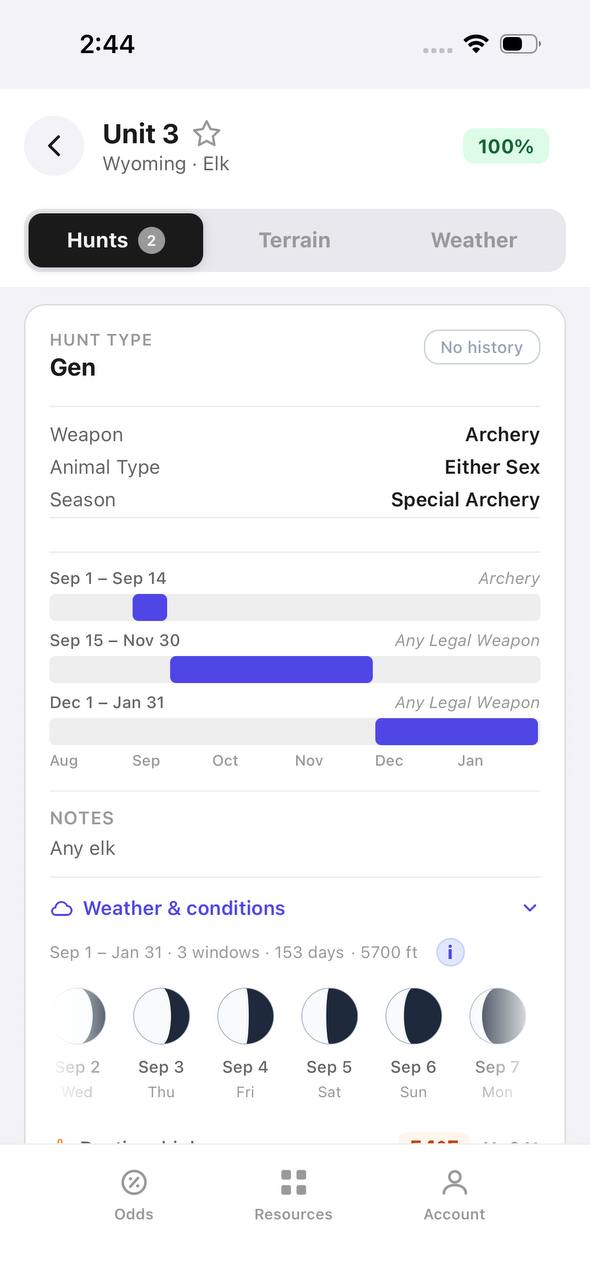
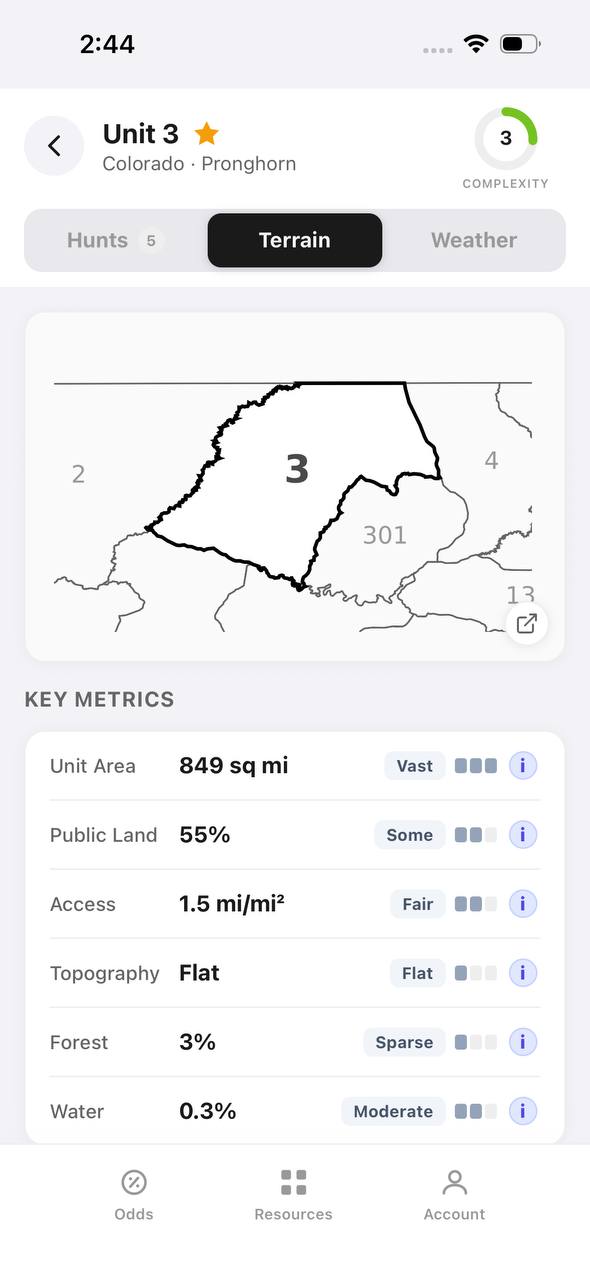
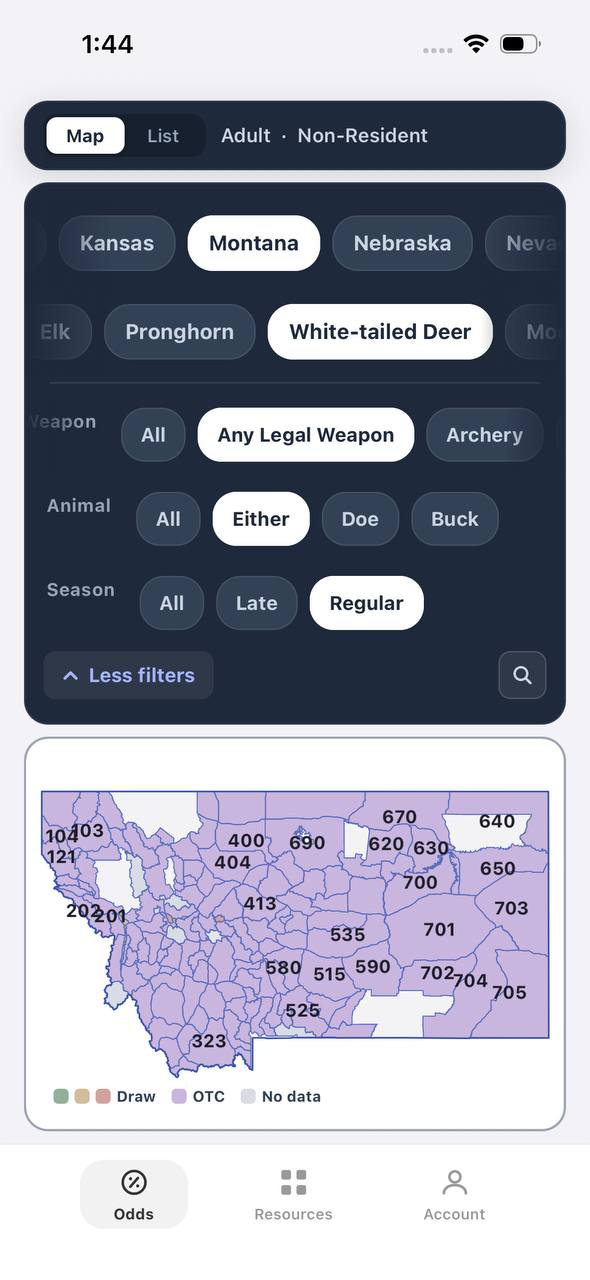
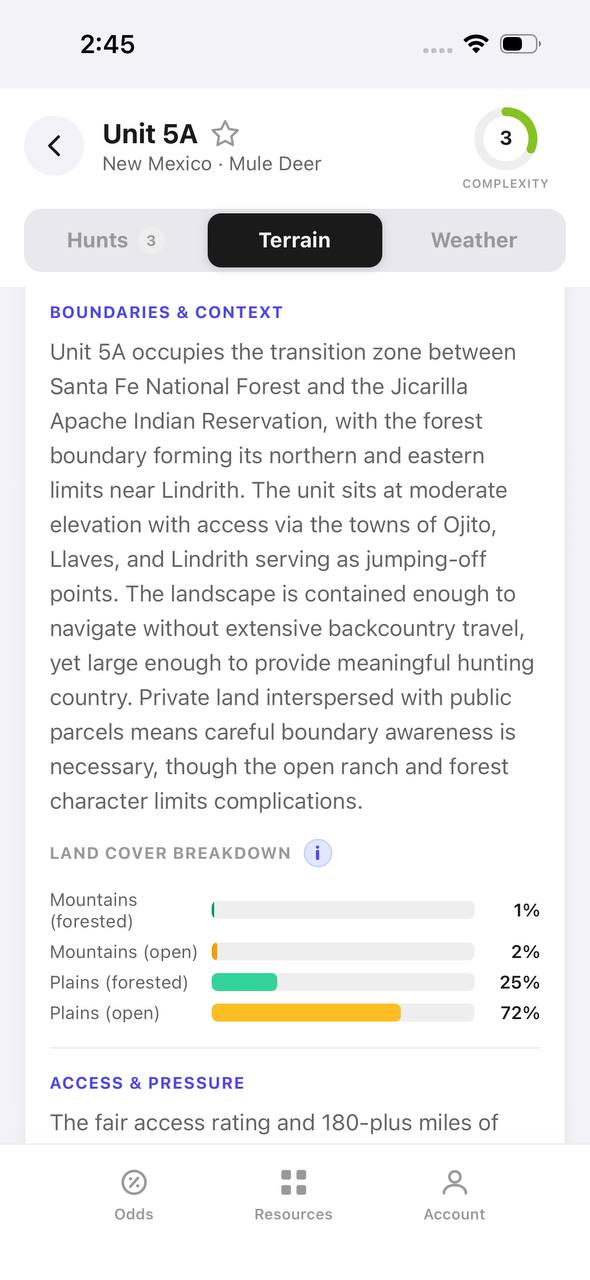
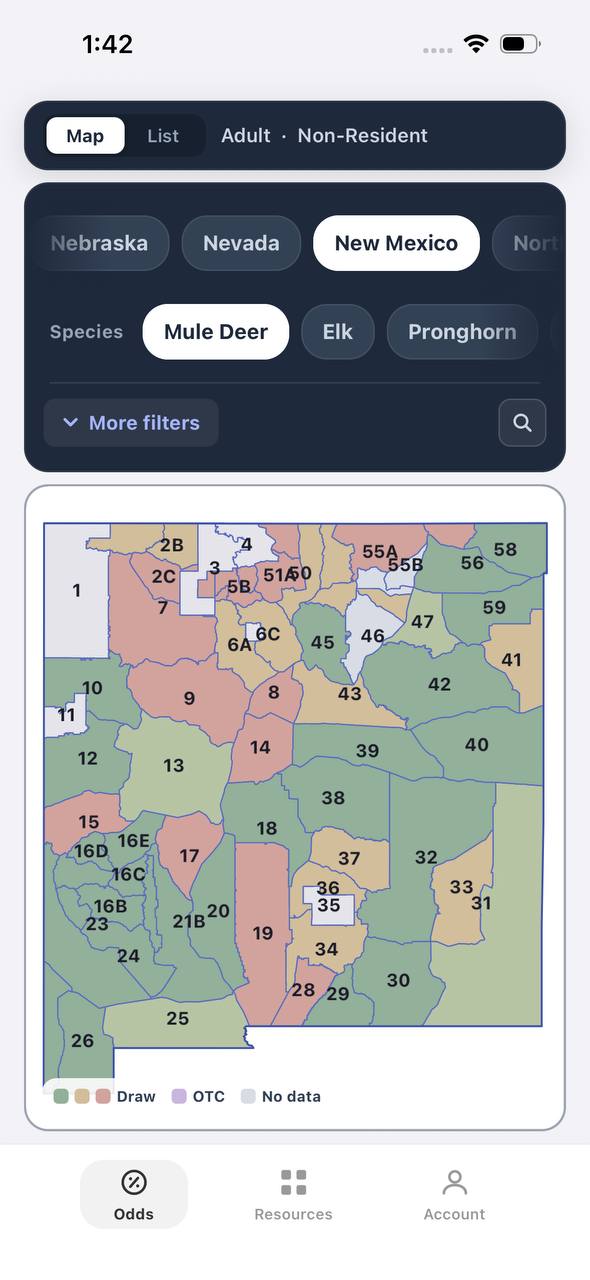
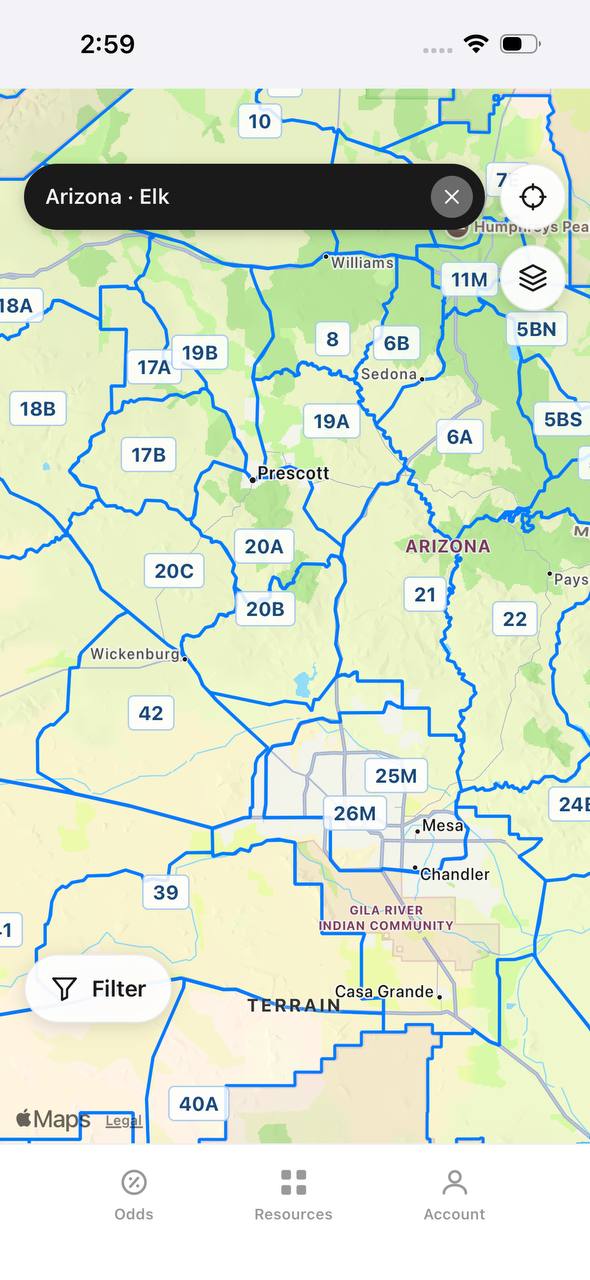
Locating overlooked water sources takes time and miles—unless you use the right tools. TAGZ lets you layer maps, compare satellite images, and even mark historic seeps or wallows shared by other hunters. That cuts down on wasted boot leather and helps you focus on water where elk actually feel safe.
Free to join
Download mobile app
- Detailed draw odds
- Point tracking
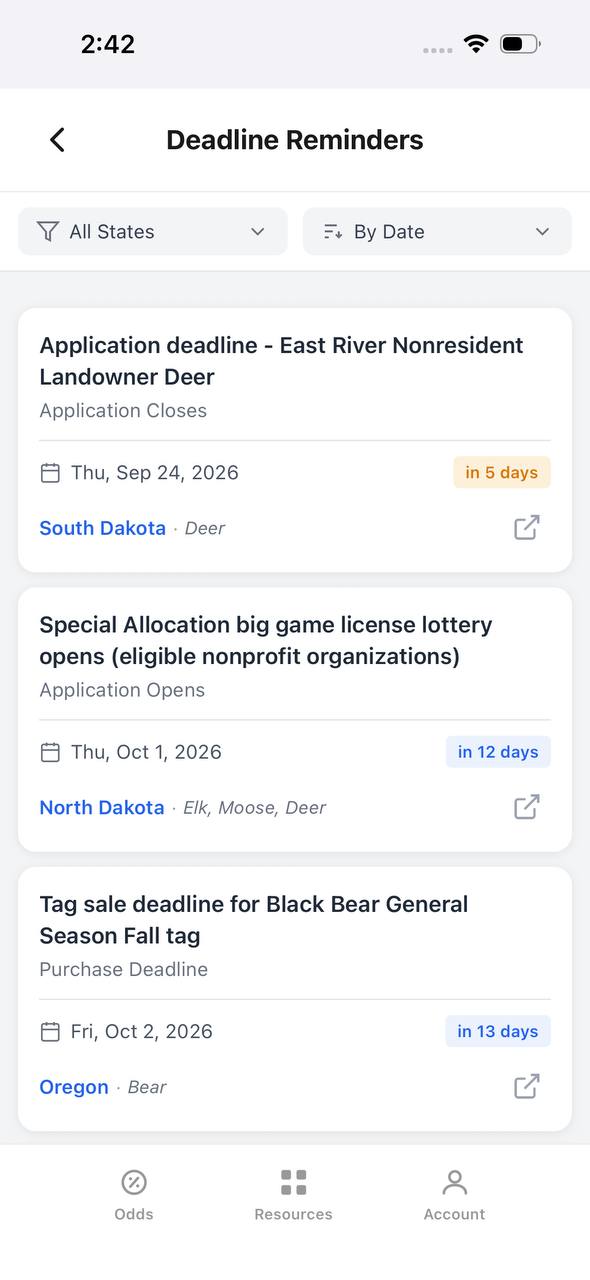
- Deadline reminders
- 18 states covered

Free to join
Download mobile app
- Detailed draw odds
- Point tracking
- Deadline reminders
- 18 states covered
Free to join
Download mobile app
- Detailed draw odds
- Point tracking
- Deadline reminders
- 18 states covered
Frequently Asked Questions: Elk, Water, and Hunting Strategy
Q: Do elk always bed close to water?
Not always. In hot, dry conditions or with calves, they’ll bed closer. But elk may bed miles away and travel to water at night if pressured.
Q: Is sitting water always a good tactic?
Only if the water source is secluded or rarely hunted. If it’s near a road, expect nocturnal activity or empty sits after opening weekend.
Q: How do I find hidden water sources?
Look for subtle drainages, springs marked on topo maps, or dark green patches on satellite imagery. Scout them in person if possible.
Q: Does water affect rutting activity?
Yes—bulls will wallow more near water, and cows congregate where they can drink and feed safely. But vocal rut activity can still happen away from obvious water if pressure is high.
If you want to dig deeper, check our guide to locating overlooked elk bedding areas and archery elk pressure strategies.
Was this article helpful?
Previous
Best Broadheads for Elk Hunting — Fixed Blade vs Mechanical Guide
Both fixed blade and mechanical broadheads can kill elk effectively, but many experienced elk hunters continue to trust fixed blades like G5 Montecs and Iron Will for their reliability, penetration, and durability.
Related
Colorado GMU 4 Elk Hunting Guide
Colorado GMU 4 is an opportunity-style unit where hunters who understand pressure can still find elk without pretending it is secret country. This guide breaks down terrain, access, pressure, scouting, and practical elk strategy so hunters can build a realistic plan before committing time or points.
Next
How to Field Judge Muskox — Complete Muskox Hunting Guide
Field judging muskox revolves around boss development, horn drop, horn sweep, and age. Mature bulls display massive bosses and heavy horn characteristics that separate them from younger animals, making maturity the primary factor when evaluating trophy quality.