Ground Blind Hunting Tips: Setup, Concealment & Shot Success
Ground blinds have revolutionized hunting by giving archers and rifle hunters a concealed, comfortable platform that eliminates the physical demands of tree stands. Whether you are sitting over a waterhole in Nevada, a pinch point in Colorado timber, or a whitetail travel corridor back home, success in a ground blind comes down to location, concealment, and discipline. Get these fundamentals right, and you can draw within feet of game that never knows you are there.
Why Ground Blinds Work
Ground blinds excel in situations where tree stands are impractical or illegal. Western hunts over water sources, alpine meadows, and open sagebrush flats rarely offer suitable trees. Many units prohibit tree stand use on public land. Ground blinds solve both problems while offering advantages even when trees are available. They hide your full silhouette, contain scent better than an elevated position, and allow seated comfort during all-day sits. Elderly hunters, those with injuries, and anyone uncomfortable with heights gain full access to prime hunting locations. For bowhunters especially, the ability to draw undetected inside a blind creates shot opportunities that would be impossible from an open tree stand.
Blind Selection and Features
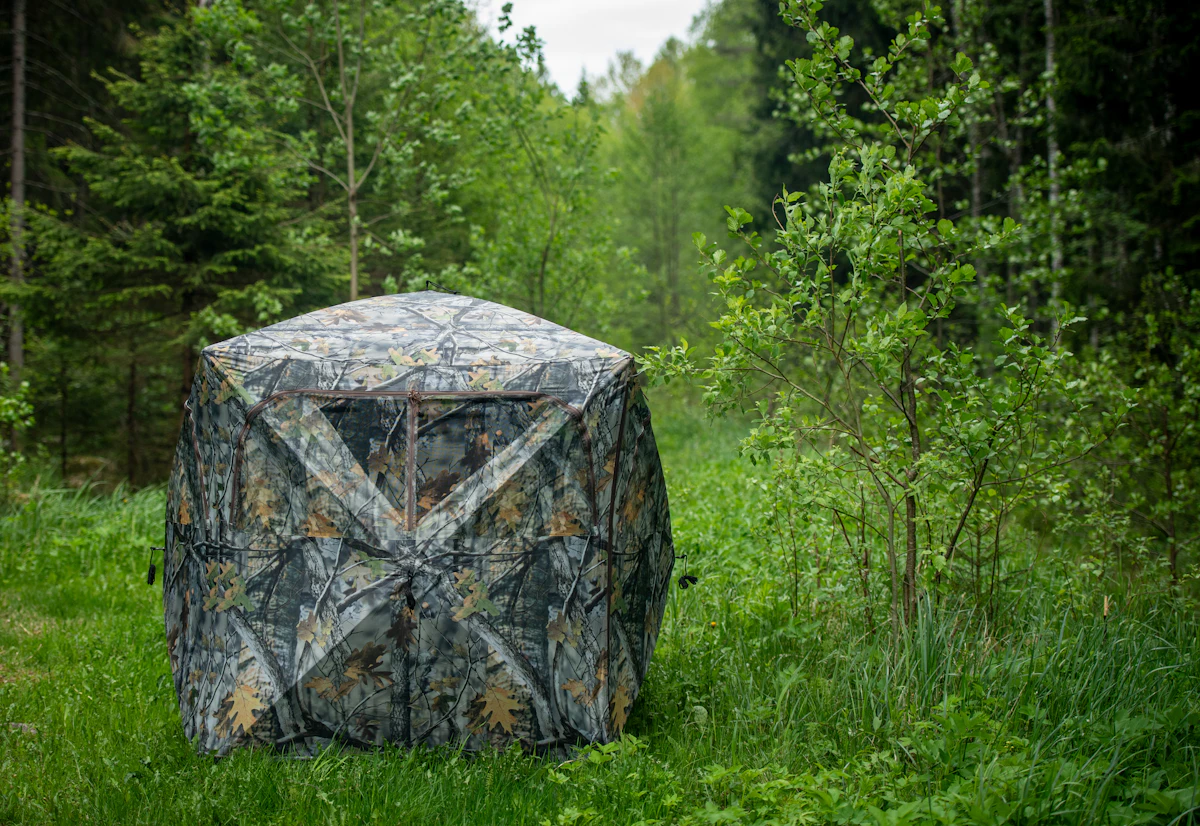
Hub-style pop-up blinds dominate the market for good reason. They set up in under five minutes, pack down to a manageable size, and provide 360-degree shooting windows. Look for models with silent window systems — Velcro and noisy zippers spook game at close range. Black interiors are essential; light-colored walls silhouette your movement. A low-profile design reduces visual impact, and a brushed or camo exterior blends faster than solid colors. Size matters for weapon choice. Bowhunters need enough interior width to draw without bumping walls. Rifle hunters benefit from smaller blinds that are easier to conceal and faster to set up on mobile hunts. Consider weight if you are packing into backcountry or moving locations frequently. Some hunters permanently anchor large blinds over established food plots or water sources, while others prefer lightweight models for run-and-gun public land hunts.
Location is Everything
Your blind location determines whether you see game or sit empty. For whitetails, focus on funnels between bedding and feeding areas, field edges where multiple trails converge, and staging areas just off primary food sources. Elk and mule deer require different thinking. Water is king in arid western units — set up 20 to 40 yards downwind of active water sources and expect close encounters. Wallow edges during the rut, saddles connecting feeding and bedding areas, and openings along heavy timber edges all concentrate elk movement. Antelope hunters should position blinds near the only water for miles or along fence crossings where animals consistently pass. Scout thoroughly before committing to a location. Game cameras confirm activity timing and approach routes, but boots-on-ground scouting reveals terrain features, wind patterns, and sight lines cameras miss.
Setup Timing and Concealment
The biggest ground blind mistake is setting up too late. Animals notice new objects in their core areas. Ideally, place blinds two to four weeks before your hunt, allowing game to accept them as part of the landscape. If you lack that luxury, set up at least three days ahead and brush aggressively. Use natural vegetation from the immediate area — nothing looks more out of place than pine boughs in sagebrush country. Attach brush to the blind using zip ties, paracord, or the blind's integrated loops. Break up the blind's outline completely, paying special attention to the roof and base where hard edges stand out. Some hunters cut the bottom six inches of surrounding grass and drape it over the blind's lower edge, creating a seamless transition. On bare ground or snow, consider a snow cover or natural camo blind that disappears against the background. Position shooting windows toward expected approach routes, but keep rear and side windows available for unexpected angles. Place the blind's back toward thick cover or a terrain feature that breaks your outline from behind.
Wind and Scent Management
Ground blinds contain scent better than tree stands, but they are not scent-proof. Wind direction determines blind placement more than any other factor. Set up with prevailing winds carrying your scent away from expected approach routes. In complex terrain where thermals shift, morning hunts require different setups than evening sits. Use a wind indicator — milkweed seeds, powder, or a lightweight ribbon attached to your bow — to monitor real-time wind shifts. Inside the blind, scent control remains critical. Wash hunting clothes in scent-free detergent, store them in sealed bags, and dress at your truck to minimize contamination. Avoid eating inside the blind, especially strong-smelling foods. Many hunters place a scent-eliminating wafer or ozone generator inside the blind, though nothing replaces playing the wind correctly. For afternoon hunts in mountainous terrain, expect thermals to drop as evening approaches — what worked at 2 PM may turn against you by 5 PM. Be ready to abandon a setup if the wind betrays your position.
Movement Discipline and Shot Preparation
Animals tolerate ground blinds, but they do not tolerate movement inside them. Even with full concealment, sudden motion through window openings sends game fleeing. Move only when an animal's head is down feeding, behind cover, or looking away. Draw your bow or shoulder your rifle in slow, controlled movements. For bowhunters, pre-position your bow in a holder or across your lap with an arrow nocked, ready to draw when opportunity allows. Rifle hunters should pre-adjust shooting sticks or use a window-mounted rest before game arrives. Clear shooting lanes by trimming waist-high brush that might deflect an arrow or block a clean bullet path, but leave enough natural cover to hide the blind. Practice shooting from a seated position at various angles before hunting. Many misses happen because hunters misjudge range or cant their bow when shooting through a small window. Use a rangefinder to mark distances to landmarks around the blind — that cottonwood is 23 yards, the rock is 34, the trail junction is 41. When game appears, you will have instant range confirmation.
Blind Hunting for Different Species
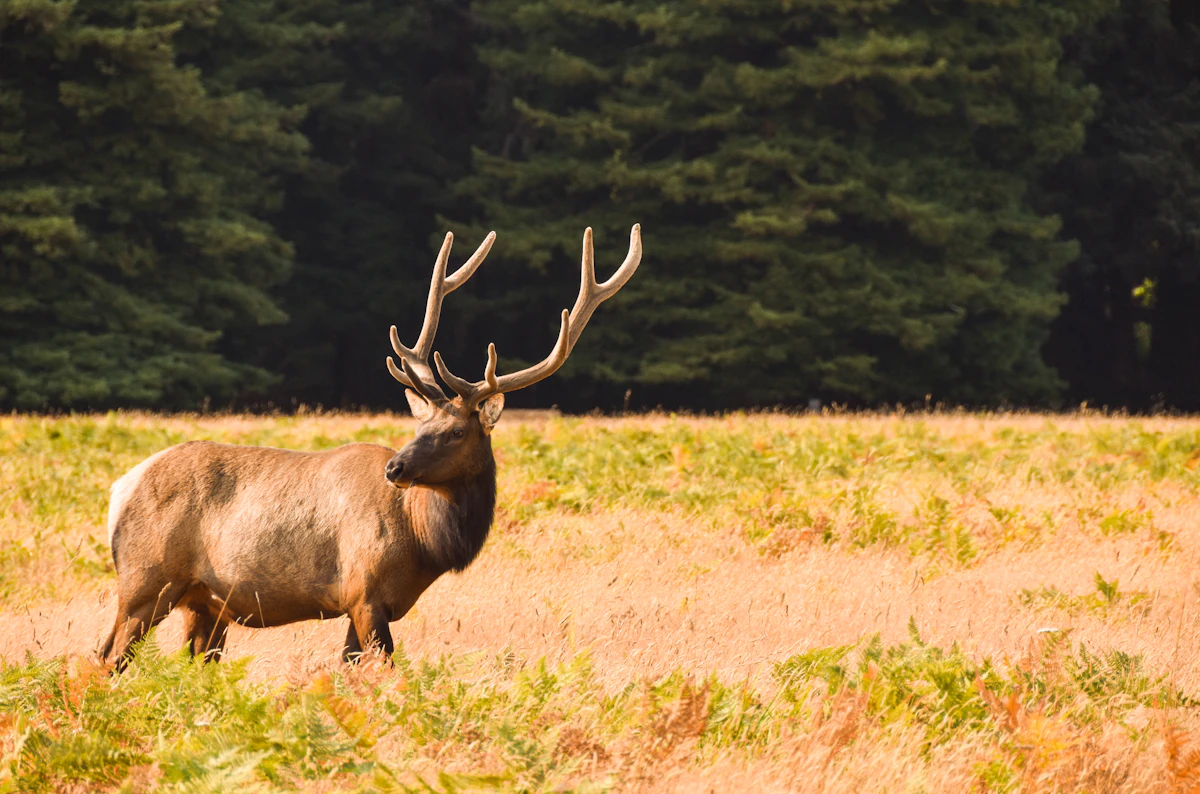
Whitetails approach cautiously, often circling downwind before committing. Position blinds with a slight offset from the primary trail so deer pass within range before reaching your scent cone. Rattling and calling from inside a blind can pull bucks within bow range during the rut. Elk are less blind-shy than whitetails but rely heavily on wind. Set up tight to water or wallows — within 20 yards if possible — and expect shots at less than 30. Cow calling from a blind during September can turn a passing bull, but bugling rarely works at close range; it triggers alarm rather than curiosity. Mule deer and antelope are hyperaware of their surroundings. Set up at least 40 yards from water, giving them space to approach comfortably. These species often water at midday in hot weather, making ground blinds ideal for all-day sits when tree stand hunters have long since abandoned their posts. Black bears respond well to bait or scent trails leading past blinds. Position 20 to 30 yards from bait, with a slight elevation change if possible; bears feel more comfortable approaching from above.
Common Ground Blind Mistakes
The most frequent error is setting up too close. Crowding a water source or trail spooks game before they reach shooting range. Give animals room to approach naturally, trusting your weapon's effective range. Another mistake is over-brushing, which creates an unnatural mound that screams human presence. Use just enough vegetation to break the blind's outline, then stop. Hunters also fail to account for sun position — a blind with afternoon sun directly behind it projects your silhouette through the fabric. Position blinds with the sun at your back or side. Many hunters neglect to trim shooting lanes, discovering too late that a sapling deflects their arrow or a branch blocks their sight picture. Finally, impatience kills ground blind hunts. Animals often take an hour or more to work within range. Checking your phone, fidgeting, or repositioning constantly broadcasts your presence. Commit to stillness, trust your setup, and let game come to you.
Ground Blind Gear Essentials
Beyond the blind itself, several items dramatically improve success. A quality cushioned seat pad or hunting chair turns a six-hour sit from misery to manageable. Shooting sticks or a window-mounted rest steady your rifle and keep movement minimal when game appears. For bowhunters, a bow holder or magnetic arrow rest keeps equipment ready without requiring awkward repositioning. Scent-eliminating spray, wind indicators, and a rangefinder are non-negotiables. Zip ties, paracord, and pruning shears facilitate setup and adjustment. A small backpack or cargo pocket organizes calls, tags, and snacks within reach. Binoculars on a harness allow glassing without setting them down and losing them in the blind's chaos. In cold weather, a propane heater or insulated clothing keeps you functional during dawn sits, but avoid heaters that produce strong odors or cast light visible through blind fabric. Many western states experience rapid temperature swings — prepare for 30-degree mornings and 70-degree afternoons by layering clothing you can shed silently.
Mobile Ground Blind Strategies
Permanent blind setups work for private land and controlled environments, but public land hunting often demands mobility. Lightweight hub blinds weighing under 15 pounds allow aggressive strategies. Set up the night before a hunt or during mid-day lulls, targeting fresh sign or recent sightings. This approach requires speed — practice setting up your blind in under five minutes. Skip elaborate brushing; rely on the blind's camo pattern and natural shadows. Hunt the evening sit, pack out at dark, and relocate based on what you learned. Mobile ground blind hunters excel at reacting to changing conditions, hunting pressure, and game movement patterns. TAGZ helps you identify public land units with lower hunting pressure and terrain features that concentrate game movement. Compare units side by side using terrain maps, unit boundaries, and public land overlays. Track your scouting locations and blind setups digitally so you never lose a productive spot. Whether you are planning a ground blind ambush over a Montana waterhole or targeting pressured Colorado elk, TAGZ gives you the research tools to make smarter setup decisions before you ever pull a tag.
Combining Ground Blinds with Other Tactics
Ground blinds work best as part of a larger strategy, not a standalone tactic. Use them to anchor your hunt while remaining flexible. Many successful hunters set a ground blind over a high-probability location — water, a pinch point, or a food source — then spend mornings spot-and-stalk hunting before returning for afternoon blind sits. This approach maximizes time in the field and adapts to animal behavior. During rifle seasons, a ground blind near camp provides a low-effort option for rest days or when weather grounds aggressive hunting. Bowhunters during September elk ruts often call from a blind, using the concealment to draw bulls into close range without getting busted by satellite bulls circling downwind. Combining ground blinds with trail cameras creates a powerful system. Cameras reveal timing, approach routes, and individual animal patterns, allowing you to set a blind with precision. When a mature buck or bull appears on camera consistently, you hunt from a blind rather than gambling on a mobile setup.
When to Abandon a Ground Blind
Not every blind setup works, and knowing when to cut your losses saves wasted time. If three sits produce zero sightings, reevaluate your location. Game patterns shift due to weather, hunting pressure, or seasonal changes. A waterhole productive in August may dry up by September. A trail used heavily in pre-rut may go quiet once does enter estrus. Similarly, if animals consistently approach from outside your shooting lanes, relocate the blind 20 yards to intercept their actual route. Wind is non-negotiable. If your blind location requires a perfect 10-mph west wind that never materializes, find a better spot. Similarly, if thermals make your setup unhuntable during prime evening hours, adjust to a morning-only location. Ground blinds offer incredible advantages, but they demand honest assessment. TAGZ tracks draw deadlines and preference point totals across multiple states so you never waste a year applying for the wrong tags. Use the same analytical approach with your ground blind setups — track what works, abandon what fails, and continuously refine your strategy based on real field results.
FAQ — Ground Blind Hunting
How far in advance should I set up a ground blind?
Two to four weeks before hunting allows game to accept the blind as part of the environment. If you lack that time, set up at least three days ahead and brush heavily to break up the blind's outline.
What is the best distance to set a ground blind from a water source?
For elk and mule deer, 20 to 40 yards works well. For whitetails, antelope, and warier species, 30 to 50 yards gives them comfort while keeping shots within effective range.
Can you use a ground blind for rifle hunting?
Absolutely. Ground blinds conceal movement, provide shooting rests, and offer weather protection. They work especially well on western hunts where long sits over water or open terrain are standard.
Do ground blinds hold scent inside?
They contain scent better than tree stands but are not scent-proof. Always set up with wind in your favor. Scent control inside the blind and playing the wind correctly are both essential.
Should you brush in a ground blind completely?
No. Use just enough natural vegetation to break up hard edges and blend the blind into the landscape. Over-brushing creates an unnatural mound that attracts attention rather than hiding the blind.
How do you prevent game from seeing movement inside a ground blind?
Move only when the animal's head is down, behind cover, or looking away. Use black interiors, keep windows partially closed until ready to shoot, and avoid sudden movements. Pre-position your weapon and shoot from a seated position.
Was this article helpful?
Previous
When to Stop Calling — Knowing When Elk Won't Respond
Calling elk is one of the most effective tactics during the rut, but overcalling or calling at the wrong time can spook bulls and ruin your hunt. Learn when to go silent, recognize signs elk have lost interest, and adapt your strategy to save the setup.
Next
The Biggest Mistakes DIY Elk Hunters Make (And How to Avoid Them)
DIY elk hunters often fail because of poor unit selection, inadequate physical preparation, and unrealistic expectations. Learn the most common mistakes that sabotage elk hunts and how to avoid them before your next application.