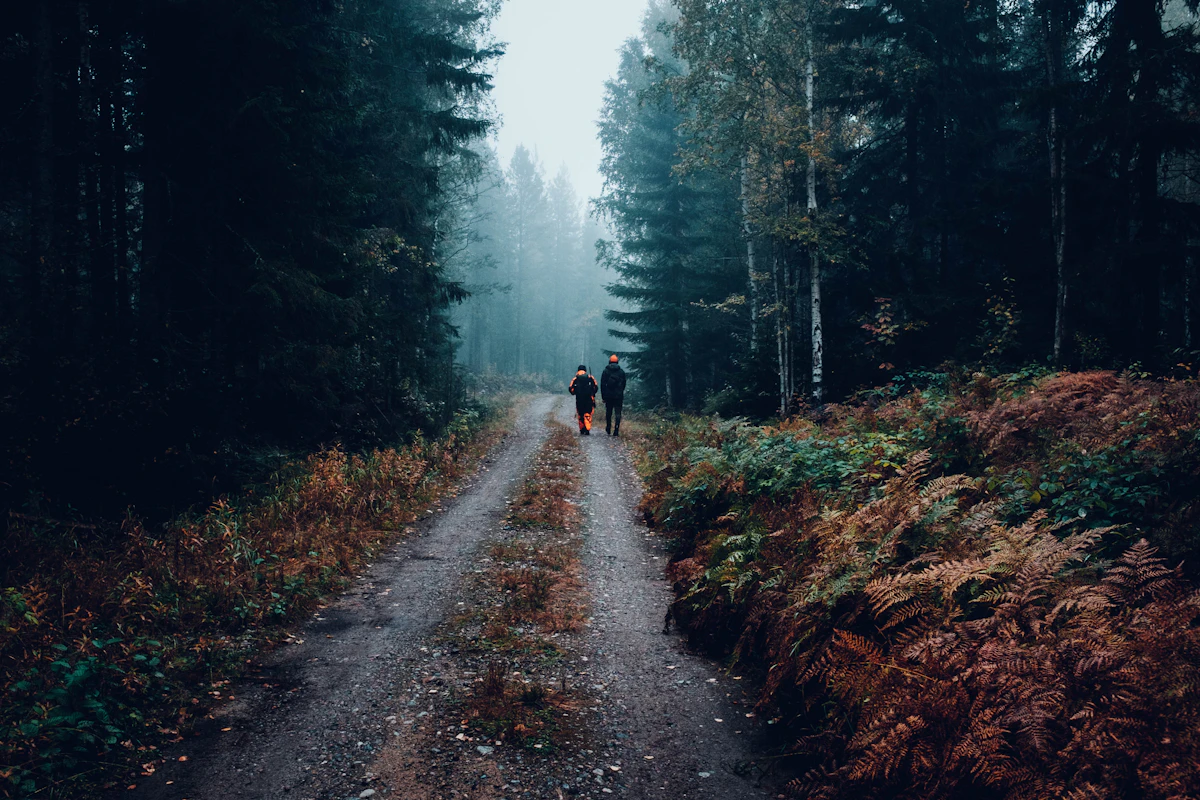
Calling Elk Post-Rut: Strategies for Late-Season Success
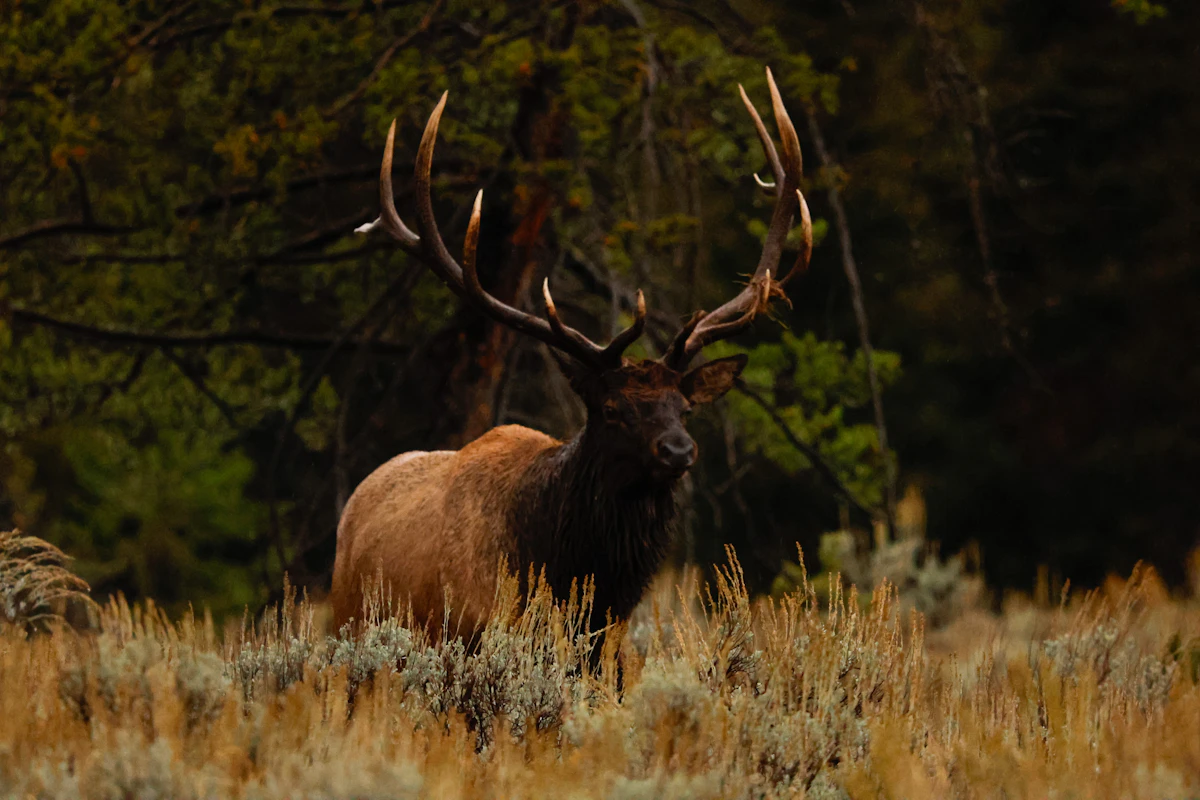
The bugling stops. The wallows dry up. Bulls that screamed at every challenge in September now ghost through dark timber without a sound. Post-rut elk hunting feels like a different game because it is. But elk still talk after the rut, and hunters who adjust their calling strategies can turn quiet November forests into filled tags.
The post-rut period runs roughly from late October through November, after peak breeding ends but before deep snow pushes herds to winter range. Bulls have lost 15-20% of their body weight. They are exhausted, beat up, and focused on recovery rather than reproduction. Cows have been bred and are forming maternal groups. The social structure that drove September's chaos has dissolved into survival mode.
Calling during this window requires reading elk behavior like a tracker reads sign. You are not triggering testosterone-fueled aggression. You are exploiting loneliness, herd instability, and the year-round need elk have to know where other elk are. The tactics that worked during the rut will spook post-rut bulls. The hunters who adapt are the ones who punch late-season tags.
Why Post-Rut Calling Works at All
Elk are social animals every month of the year. Even when breeding is over, they communicate constantly through mews, chirps, barks, and occasional bugles. Post-rut bulls do not go completely silent. They go selectively silent. They stop advertising their presence to rivals, but they still respond to sounds that signal food, safety, or other elk.
Cows remain vocal throughout the post-rut. They use mews and chirps to maintain contact within feeding groups, especially in thick timber where visual contact is limited. A lost cow will call persistently until she reconnects with the herd. Bulls respond to these sounds because they are still looking to join cow groups, even if breeding opportunities have passed.
Location bugles still happen, just far less frequently. A mature bull might bugle once at first light to announce his presence or answer a distant challenge, but it is a territorial statement, not a breeding advertisement. These bugles are shorter, less aggressive, and often delivered from thick cover rather than open ridges.
The key difference is that post-rut elk are pressure-sensitive. They have been called at, shot at, and pushed around for weeks. Any vocalization that sounds aggressive, unnatural, or out of place will send them running. You are not trying to provoke a fight. You are trying to sound like a non-threatening elk who belongs in the area.
Cow Calls That Actually Work
Cow vocalizations are the foundation of post-rut calling. Bulls associate cow sounds with food, safety, and group stability. A realistic cow mew or chirp rarely spooks elk, even in heavily hunted units. The challenge is sounding natural in timing, tone, and volume.
Single mews are the safest starting point. One or two soft mews imitate a cow checking her surroundings or signaling her location to nearby herd members. These work best when elk are feeding in timber or transitioning between bedding and feeding areas. Space them 5-10 minutes apart. If elk are close, they will often mew back or appear silently to investigate.
Lost cow sequences are more aggressive but can pull bulls from long distances. This is a series of 4-8 increasingly urgent mews, mimicking a cow separated from the herd and trying to relocate. Use this sparingly and only when you are confident elk are in the area but not responding to soft calls. Bulls respond because lost cows represent easy companionship, not because they are looking to breed.
Chirps and feeding sounds add realism when you are set up in ambush. Elk make dozens of subtle chirps and grunts while feeding. If you are calling in thick timber or near known feeding areas, mixing in these sounds between mews makes your setup sound like a small group of cows rather than a lone caller. This lowers the bull's guard.
Avoid estrous calls completely. Cows are not in heat during the post-rut, and estrous squeals sound unnatural. Bulls that have been fooled by estrous calls during September will recognize the mismatch and avoid the area. Stick to contact mews, lost cow sequences, and herd talk.
When to Use a Location Bugle
Location bugles are high-risk, high-reward in the post-rut. Done right, they can locate bulls that will not respond to cow calls. Done wrong, they educate every elk within earshot and shut down the area.
Use location bugles only at first light or last light, when bulls are most likely to bugle naturally. A single short bugle or chuckle works better than a long challenge scream. You are trying to sound like a bull announcing his presence, not challenging anyone to a fight. If a bull answers, note his location and move into position without calling again.
Never bugle aggressively or repeatedly. Post-rut bulls are not looking for fights. An aggressive bugle sequence tells them a dominant bull is in the area, and their instinct is to avoid confrontation. A single location bugle might get a response. Three bugles in a row will clear the drainage.
Combine bugles with cow calls strategically. If you get a response to a location bugle, switch immediately to soft cow mews. This tells the bull there are cows in the area, not just another bull. Bulls are far more likely to investigate cows than engage another bull during the post-rut.
Skip bugles entirely in high-pressure areas. If the unit has seen heavy hunting pressure, bulls have heard every bugle variation in the book. Cow calls are less recognizable as hunter tactics and more likely to get responses without spooking elk.
Reading Silence and When to Stop Calling
Post-rut elk often respond by going silent. A bull that was moving and feeding will freeze and listen. If he does not like what he hears, he will slip away without making a sound. Learning to recognize this silence is critical.
If you call and the forest goes dead silent, stop calling immediately. That silence means elk heard you and are evaluating whether you are real. Your next move should be stillness. Wait 20-30 minutes. If elk were nearby and unsure, they will often resume feeding or moving after the threat seems to pass. Moving or calling again will confirm their suspicions.
Watch for visual responses instead of vocal ones. Post-rut bulls frequently come to calls without making a sound. They appear in thick cover, circle downwind, or watch from a distance. Set up with good visibility and stay on a stand longer than feels natural. Bulls might take an hour to work into range.
If elk respond with alarm barks, leave the area. A bark means you have been identified as a threat. Staying or calling more will only push elk out of the drainage. Mark the location, back out quietly, and return the next day with a different approach.
Capitalizing on Feeding Patterns
Post-rut elk are calorie-driven. They are recovering body condition and preparing for winter. This makes feeding areas and transition routes more predictable than during the rut, when bulls abandon feeding to chase cows.
Set up near food sources, not bedding areas. Elk move to feed in the morning and evening. Calling from a position between bedding and feeding increases your chances of intercepting elk already on the move. A soft cow mew from this position sounds natural because elk are expecting to hear other elk in the area.
Glass feeding areas at first and last light before calling. If you can locate elk visually, you can determine group size, sex ratio, and mood before committing to a calling sequence. Bulls feeding alone or trailing small cow groups are the best targets. Large groups are harder to call away from safety in numbers.
Use terrain to funnel elk toward your setup. Post-rut elk prefer easy walking routes and avoid unnecessary elevation gain. If you can set up at a saddle, bench, or transition zone where multiple drainages converge, calling becomes more effective because elk are already moving through the area.
Herd Dynamics and Satellite Bulls
Post-rut herd dynamics shift dramatically. Mature bulls often separate from cow groups entirely and form bachelor groups or go solo. Younger satellite bulls, however, remain loosely associated with cow herds, hoping for late-breeding opportunities or simply avoiding the loneliness of going solo.
Target satellite bulls with cow calls. These are typically 2.5 to 4.5 year old bulls that were pushed out during the rut by dominant herd bulls. They are less call-shy, more willing to investigate, and often respond aggressively to lost cow sequences because they see an opportunity to join a herd without confrontation.
Avoid calling directly at large cow groups. Cows are protective of their space during the post-rut and will often lead the group away from unfamiliar sounds. If you see a large group of cows, set up 200-400 yards away and call softly. A satellite bull trailing the group may break off to investigate.
Mature bulls require patience. A 6-year-old bull that survived September and October by staying quiet will not come running to calls. He might respond with a single bugle or mew, then wait for you to come to him. If you get a response from a mature bull, resist the urge to call more. Move toward the response and set up in a position where he can see or scent your setup if he decides to investigate.
Terrain and Timber Considerations
Post-rut elk use terrain differently than they do during the rut. They prioritize cover, thermal regulation, and easy access to food over the open ridges and wallows they used during breeding season.
Call from thick timber, not open meadows. Elk feel safer in cover during the post-rut. A call coming from a meadow sounds out of place. A call from dark timber sounds like an elk doing what elk do. Set up on the edge of thick cover with shooting lanes cut or cleared, and call from within the timber.
Use elevation changes to your advantage. Elk often bed on benches or north-facing slopes where they can thermoregulate and see downhill. Calling from below these areas can pull bulls downhill, especially if you sound like a lost cow in distress. Uphill calls are harder because elk do not like to climb unnecessarily during the post-rut.
Pay attention to wind and thermals. Post-rut elk are even more scent-conscious than they were during the rut. A bull will not respond to calls if the wind is wrong, no matter how realistic you sound. Set up with the wind or thermals in your favor and assume elk will circle downwind before committing.
Timing Your Calling Sequences
Timing is everything in post-rut calling. Elk are most vocal and mobile during the first and last two hours of daylight. Midday calling rarely works unless elk are actively feeding or you are in a transition zone.
Start with soft cow mews at first light. This is when elk are moving from bedding to feeding areas. A few soft mews spaced 10-15 minutes apart can stop a bull already on the move. If you get no response after 45 minutes, move to a new location rather than calling more frequently in the same spot.
Use lost cow sequences mid-morning if you are hunting bedding areas. Bulls are often bedded but not asleep during mid-morning. A persistent lost cow sequence can pull a bull out of his bed, especially if he is bedded alone and craving social interaction.
Save location bugles for last light. This is when mature bulls are most likely to bugle naturally. A single short bugle 30 minutes before dark can locate a bull for the next morning's hunt without educating him. Mark the response, back out, and return at first light with a cow-calling setup.
Common Mistakes That Educate Elk
Post-rut elk have been called at for weeks. They know what hunter calls sound like, and they know how to avoid them. Avoiding these mistakes keeps you from becoming part of the problem.
Overcalling is the biggest mistake. One or two calls every 10-15 minutes is enough. More than that sounds unnatural. Real elk do not call constantly. They call, listen, and move. Match that rhythm.
Calling too loudly is a close second. Post-rut elk are often closer than you think. A cow mew that carries 400 yards is too loud if elk are bedded 150 yards away. Start soft. You can always call louder if needed.
Calling from the same spot repeatedly educates elk. If you set up in the same location two mornings in a row and call, elk will pattern you. Move 200-300 yards each day and vary your calling approach.
Using the same cadence every time makes your calls recognizable. Real elk vary their timing and tone. Some mews are short and sharp. Others are long and drawn out. Mix it up.
How TAGZ Helps You Find Post-Rut Opportunities
Post-rut hunts often happen in units with extended seasons or later draw dates. TAGZ helps you identify which units offer November opportunities and compare terrain, success rates, and public land access across multiple states. You can filter hunts by season dates to find units where the post-rut window aligns with your schedule.
Many hunters overlook late-season tags because they assume elk are too pressured or the weather is too unpredictable. TAGZ shows you which units have lower hunting pressure during November and where elk transition from high country to winter range. You can use unit maps to scout feeding areas, bedding zones, and transition routes before you ever step into the field.
Tracking preference points and bonus points across states ensures you are not missing late-season opportunities. Some states offer better draw odds for November hunts than September hunts. TAGZ keeps all your point totals and application deadlines in one place so you can maximize your chances of drawing a tag when elk are less vocal but just as huntable.
FAQ — Post-Rut Elk Calling
Do elk respond to calls after the rut ends?
Yes, but they respond to different sounds and are far more selective. Cow calls work better than bugles, and elk often investigate silently rather than vocalizing back.
What is the best call for post-rut elk?
Soft cow mews and lost cow sequences are the most effective. These sounds are non-threatening and mimic natural herd behavior elk expect to hear during November.
Should I bugle at all during the post-rut?
Yes, but sparingly and only as a location tool at first or last light. A single short bugle can locate bulls without spooking them. Aggressive bugling will push elk out of the area.
How often should I call during the post-rut?
Call every 10-15 minutes at most. Post-rut elk are call-shy and will recognize unnatural calling patterns. Less is more, and silence often works better than overcalling.
Why do elk go silent after I call?
Elk freeze and evaluate when they hear calls in heavily hunted areas. If they do not like what they hear, they leave without making a sound. Stop calling and wait 20-30 minutes to see if they resume movement.
Can you still hunt elk successfully in November?
Absolutely. Post-rut elk are more predictable around feeding areas and less scattered than during the rut. Hunters who adjust their tactics to match elk behavior can have excellent success in November.
Continue Planning Your Hunt
Post-rut elk hunting rewards patience, subtlety, and hunters who adapt to changing behavior. Whether you are hunting an over-the-counter tag or a limited-entry unit, success comes from understanding how elk use terrain and communicate after the chaos of September ends.
TAGZ helps you compare late-season hunts across multiple states using terrain maps, unit boundaries, and historical draw data. Track your preference points and bonus points so you never miss a draw deadline. Whether you are chasing November bulls or planning your next application strategy, TAGZ gives you the tools to make smarter decisions before you ever step into the field.
Explore hunt opportunities and start planning your next post-rut elk hunt at getmytagz.com. Read more western hunting tactics and unit breakdowns on the TAGZ Insights blog. Compare features and find the plan that fits your hunting goals at TAGZ Pricing.
Was this article helpful?
Previous
South-Facing vs North-Facing Slopes for Elk — Where to Hunt
South slopes and north slopes hold elk at different times of year based on forage, temperature, and cover. Learn how to read terrain and position yourself where elk will be feeding or bedding throughout the season.
Next
How to Choose Your First Western Hunt: A Practical Guide for New Hunters
Choosing your first Western hunt means balancing species, state, and hunt type against your budget, fitness, and timeline. This guide breaks down the key decisions so you can pick a hunt that sets you up for success, not frustration.