How to Find Elk on Public Land: Real Strategies for Western Hunters
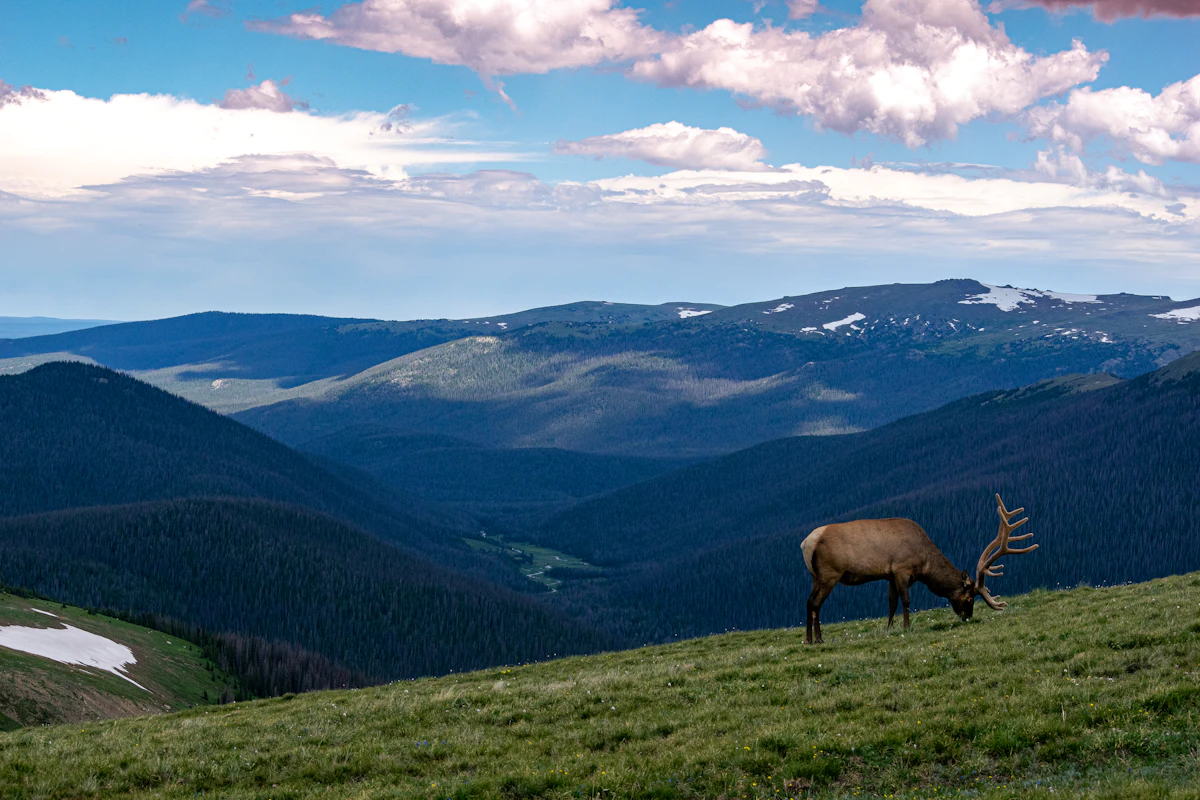
Finding elk on public land comes down to knowing where elk actually go when pressured, reading country the right way, and putting in the work before and during the season. There’s no magic shortcut, but there are proven tactics that separate real success from empty tags.
Understanding Elk Behavior and Pressure
Public land elk are survivors, and they don’t act like the bulls you see on private ranches or YouTube highlight reels. The first thing to understand is elk respond fast to human pressure. Opening weekend, trailheads are packed, and easy-access meadows fill with orange. Elk know this, and they start shifting to rougher, overlooked spots—north-facing timber, steep benches, and thick cover far from major trails.
When you’re looking at a new unit, ask yourself: Where would I go if I was an elk trying to avoid people? Elk will move at night to feed, then bed in secure cover. The more pressure, the more daylight activity drops, and the farther they’ll travel to stay safe. If you’re not finding fresh sign—tracks, droppings, rubs—keep moving. Elk sign is your best real-time intel on their whereabouts.
Reading Terrain: Where Elk Actually Live
Don’t just hunt "elk country"—hunt where elk are right now. On public land, that’s usually not the postcard meadows every hunter can see from a trailhead. Instead, focus on:
- North or northeast slopes with dark timber and benches
- Hidden pockets above or below obvious access points
- Steep, broken country most folks avoid
- Patchy burns or old logging cuts with new growth
Use maps and on-the-ground scouting to find water sources, secluded bedding areas, and travel corridors. In dry years, small springs can be magnets. During rifle seasons, elk often hug the thickest cover during daylight. Don’t be afraid to bushwhack a bit—sometimes all it takes is going a ridge farther than the next guy.
Scouting, Access, and Hunter Behavior
Boots-on-the-ground scouting is still king. E-scouting gets you close, but walking the country reveals game trails, wallows, and hunting pressure signs. Mark every hunter camp and boot track you see. If a spot looks too easy or has a fresh ATV trail, it’s probably burned out.
Think about your approach: are you hiking in before daylight or bumping elk out on your way? Sometimes midday hunts pay off when other hunters are back at camp. Watch wind and thermals—elk rely on their noses more than their eyes.
Setting Realistic Expectations
Public land elk hunting is tough. Most hunters don’t fill tags every year. But with solid preparation, an open mind, and grit, you can find elk. Focus on learning from each hunt, not just punching a tag. The more you understand elk and how they use public land, the more consistent you’ll become.
Free to join
Download mobile app
- Detailed draw odds
- Point tracking
- Deadline reminders
- 18 states covered

Free to join
Download mobile app
- Detailed draw odds
- Point tracking
- Deadline reminders
- 18 states covered
Free to join
Download mobile app
- Detailed draw odds
- Point tracking
- Deadline reminders
- 18 states covered
How TAGZ Simplifies Planning
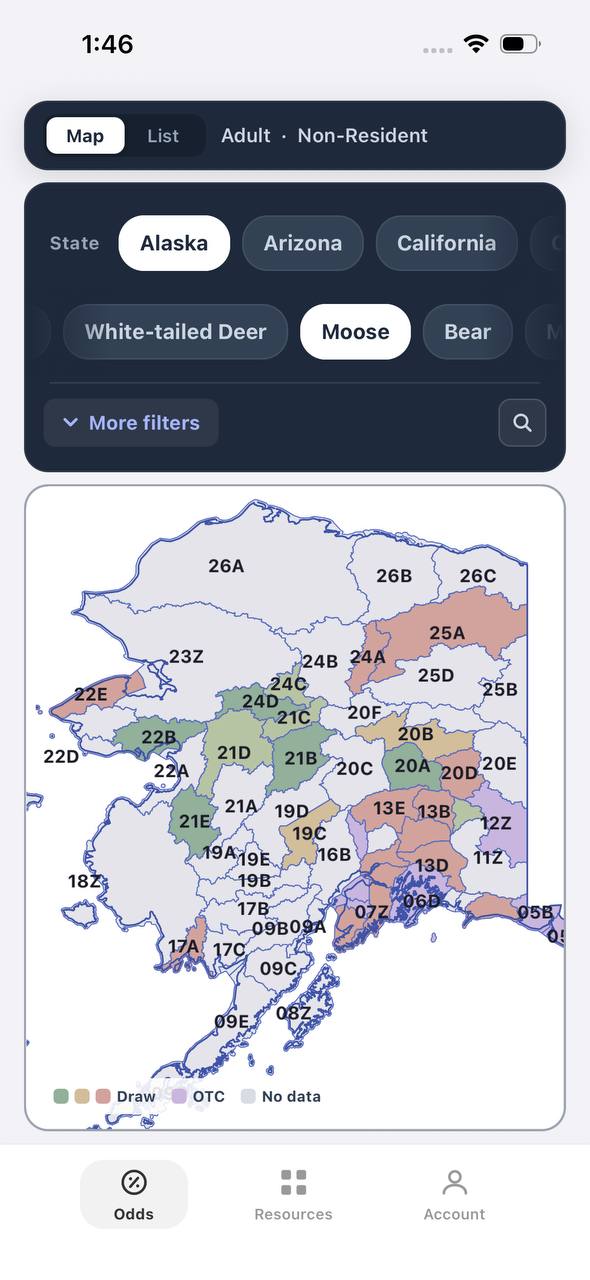
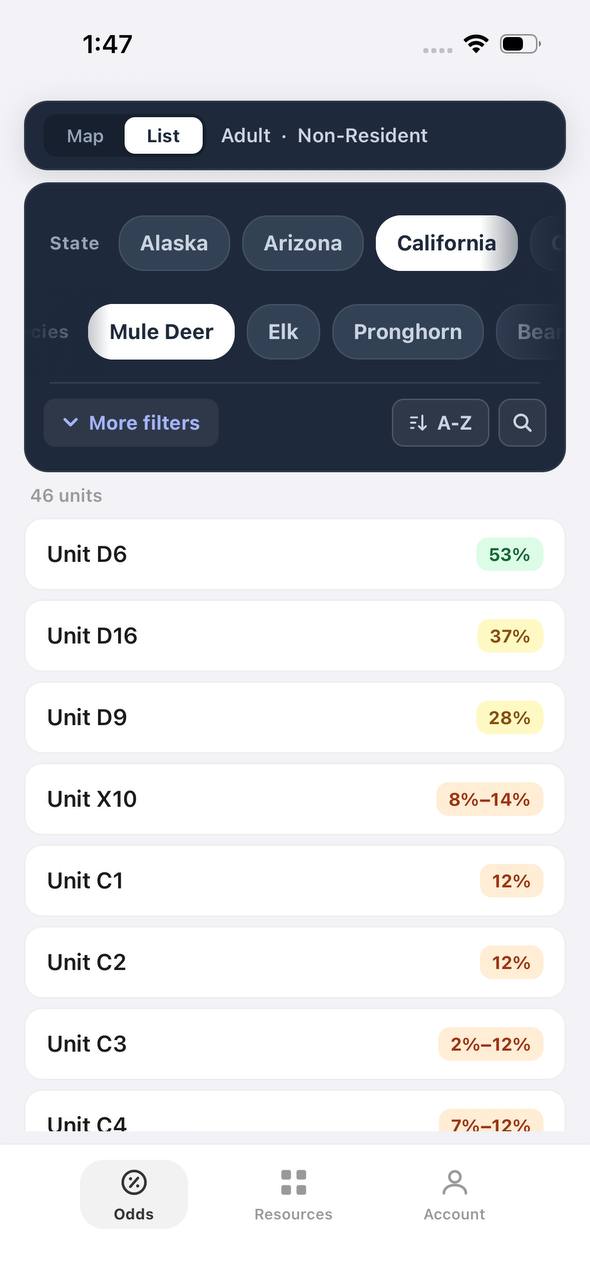
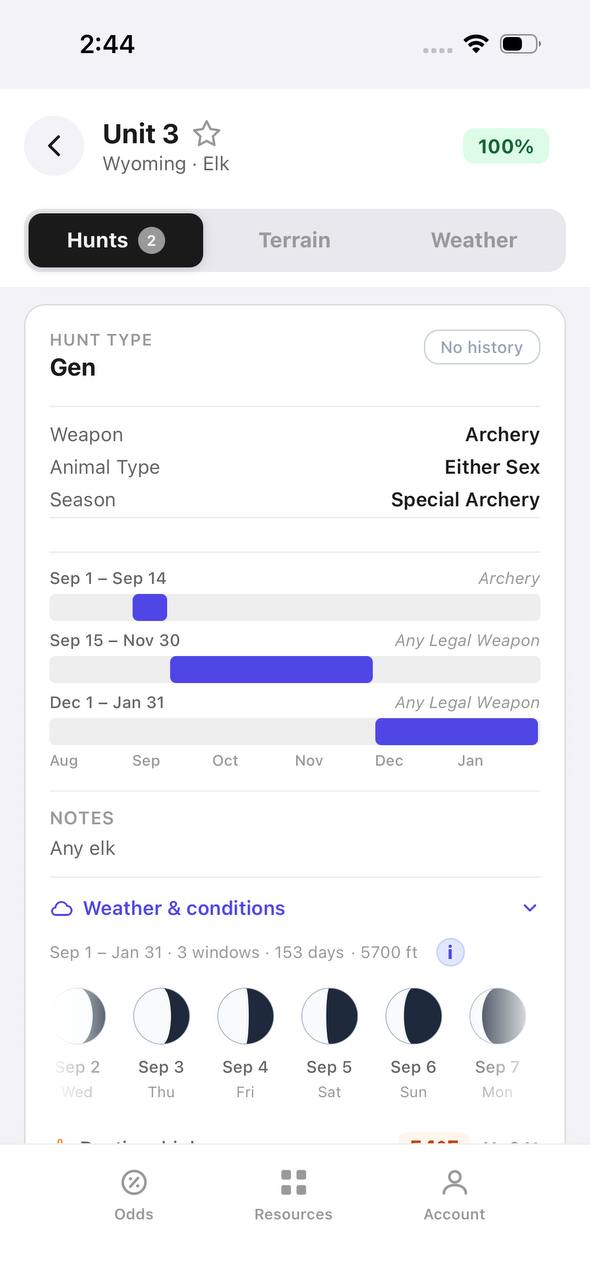
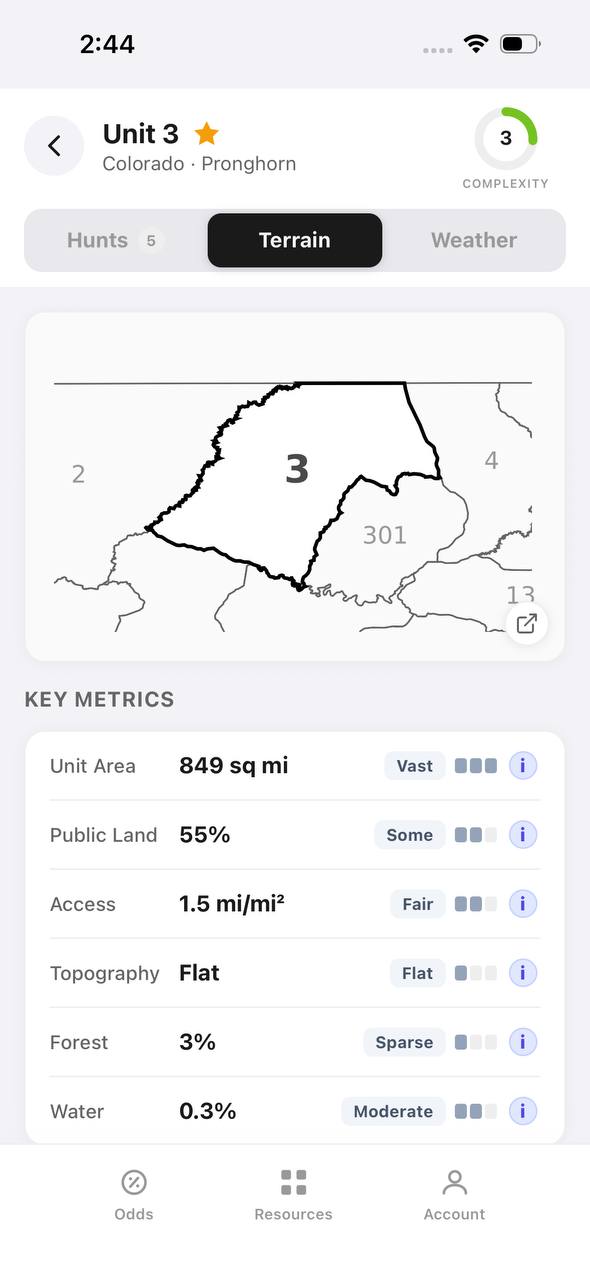
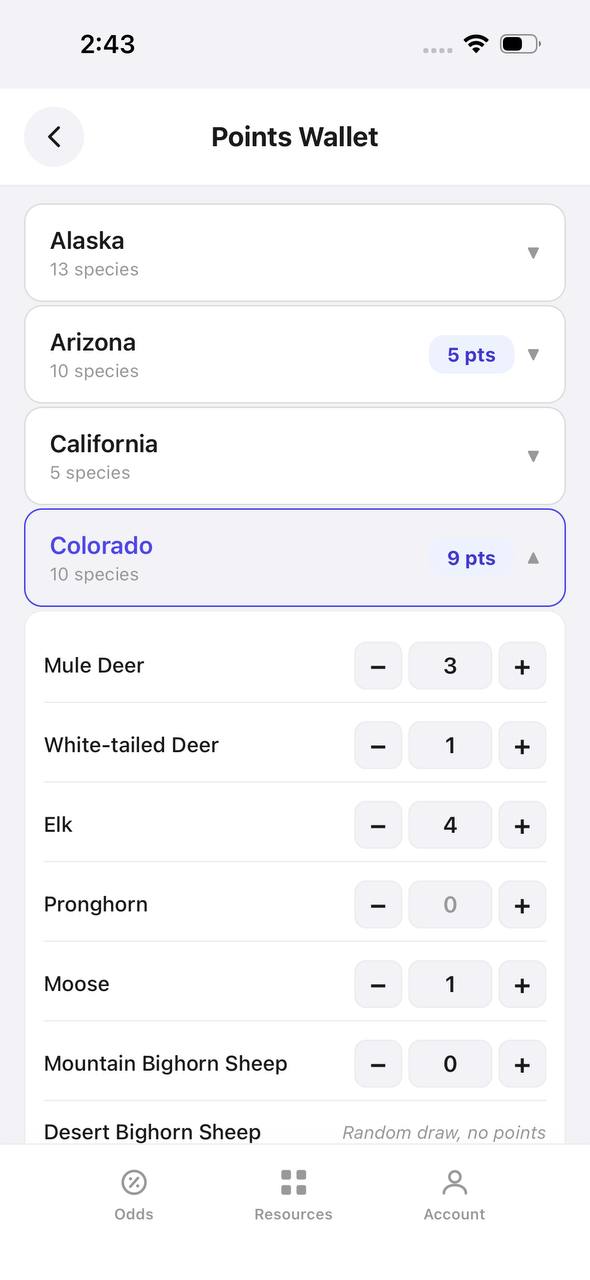
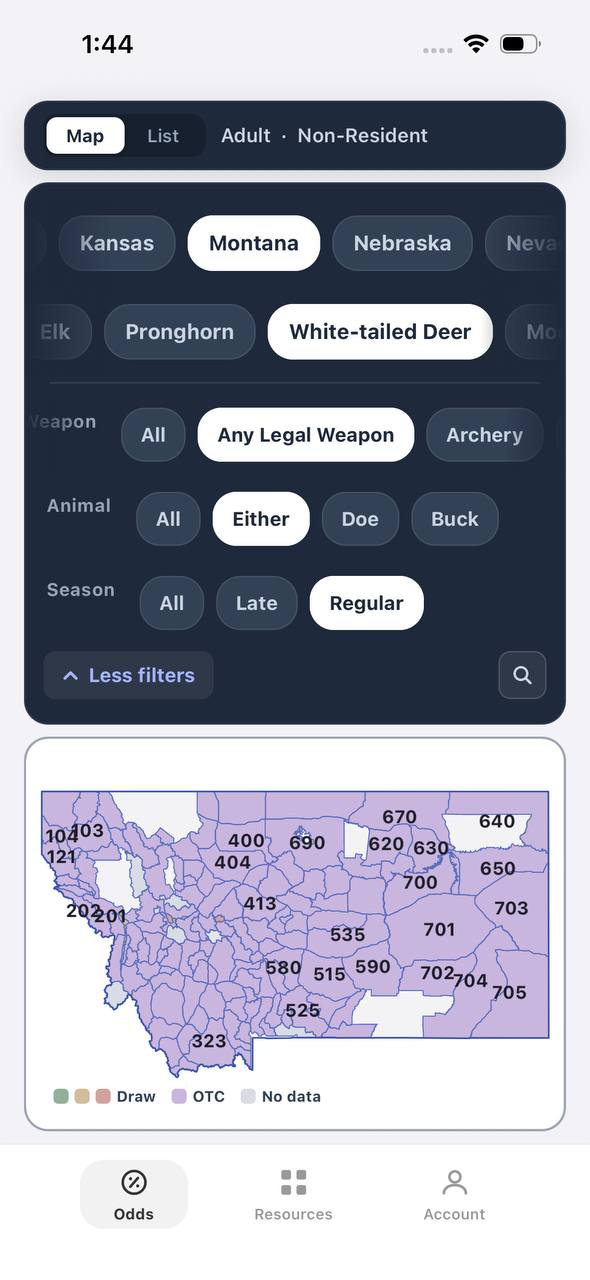
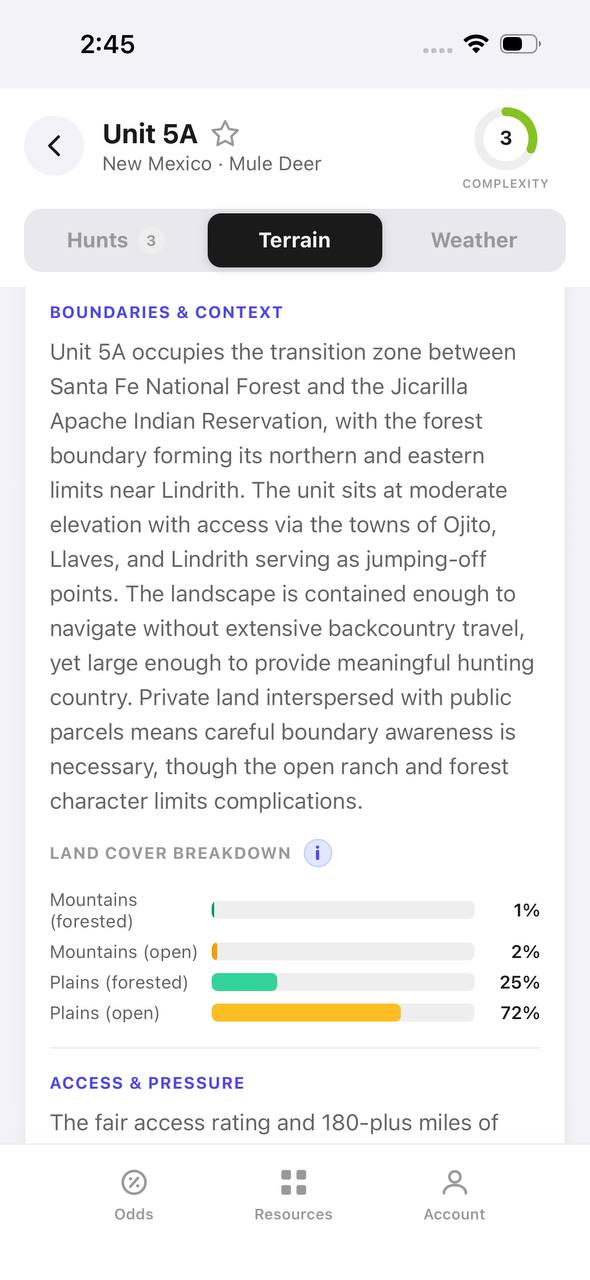
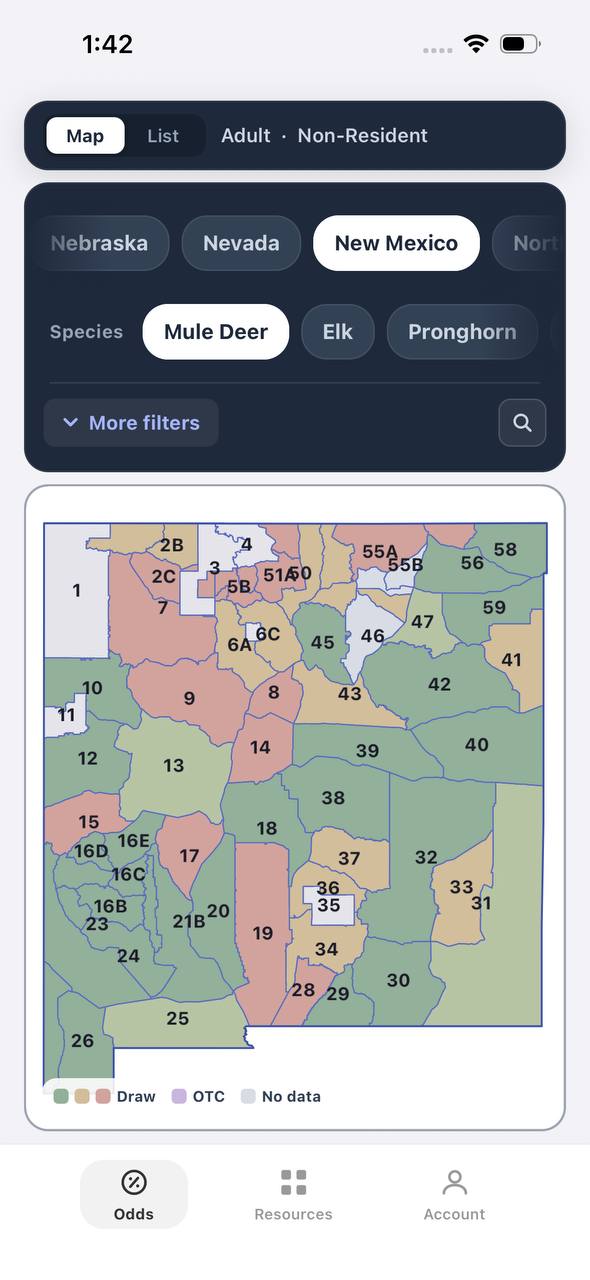
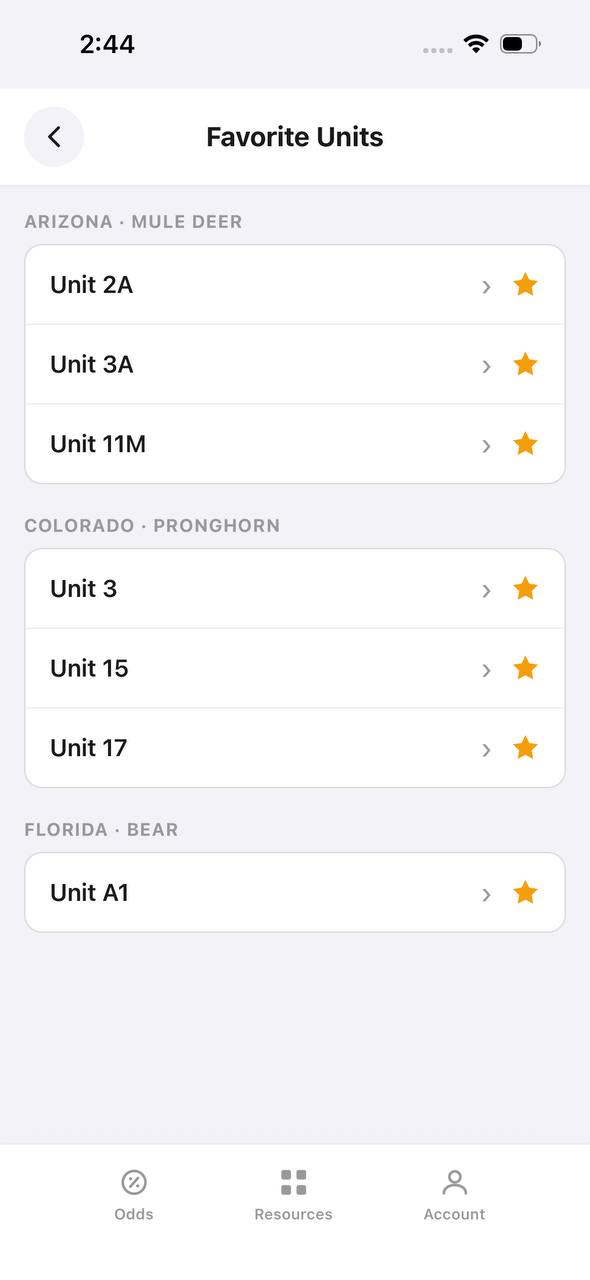
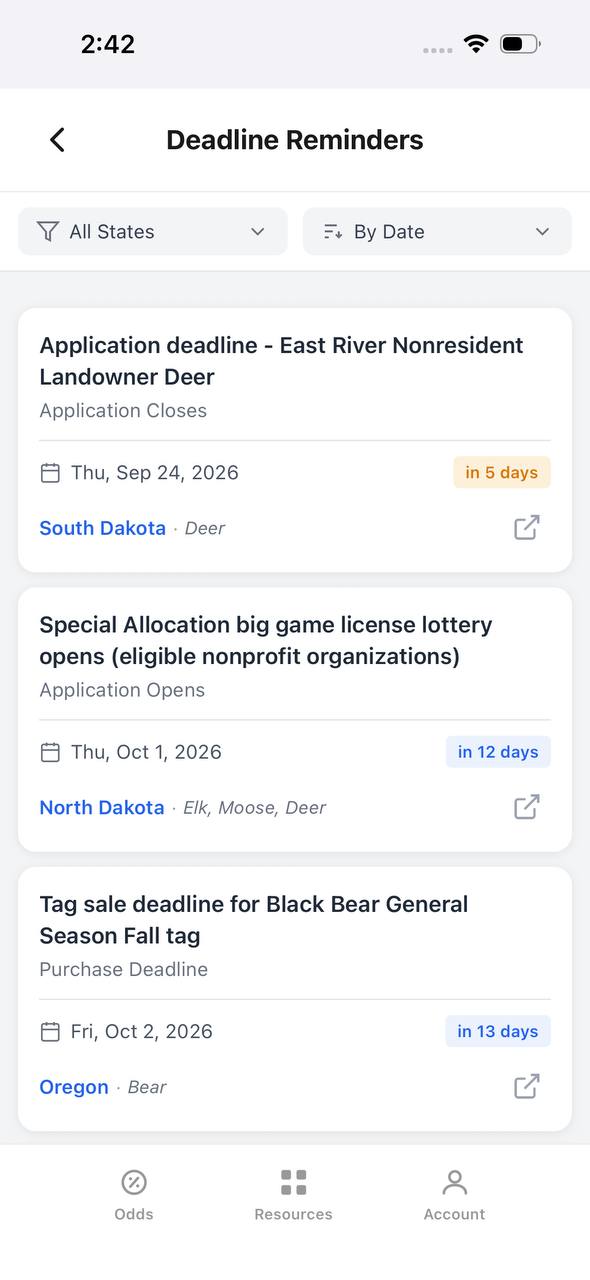
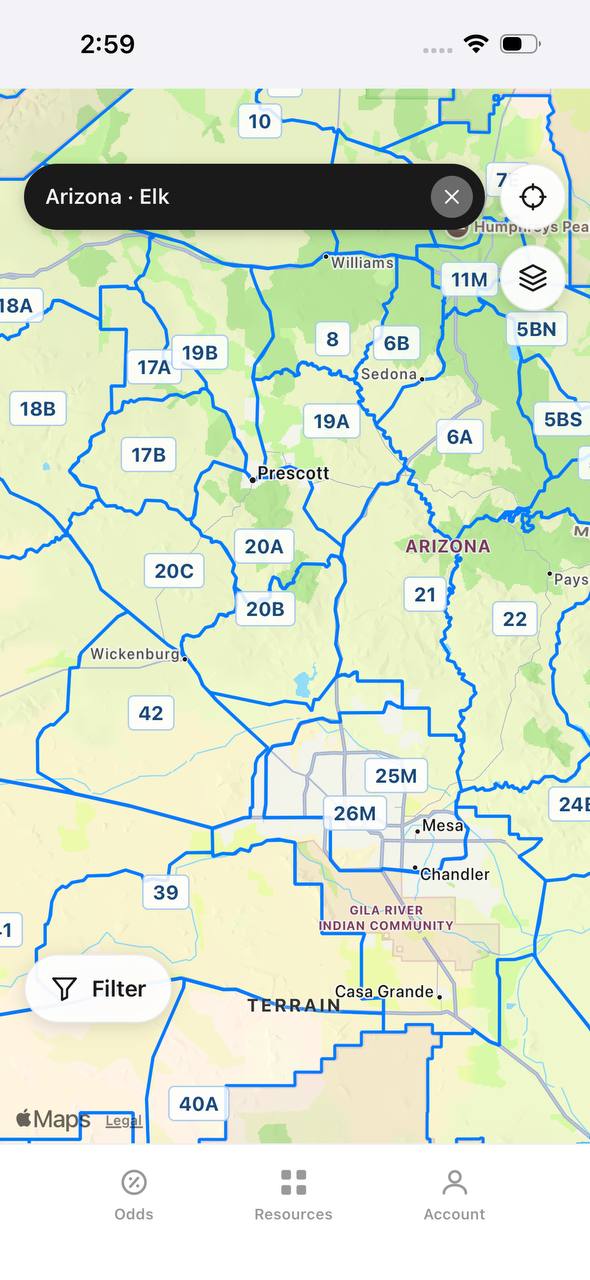
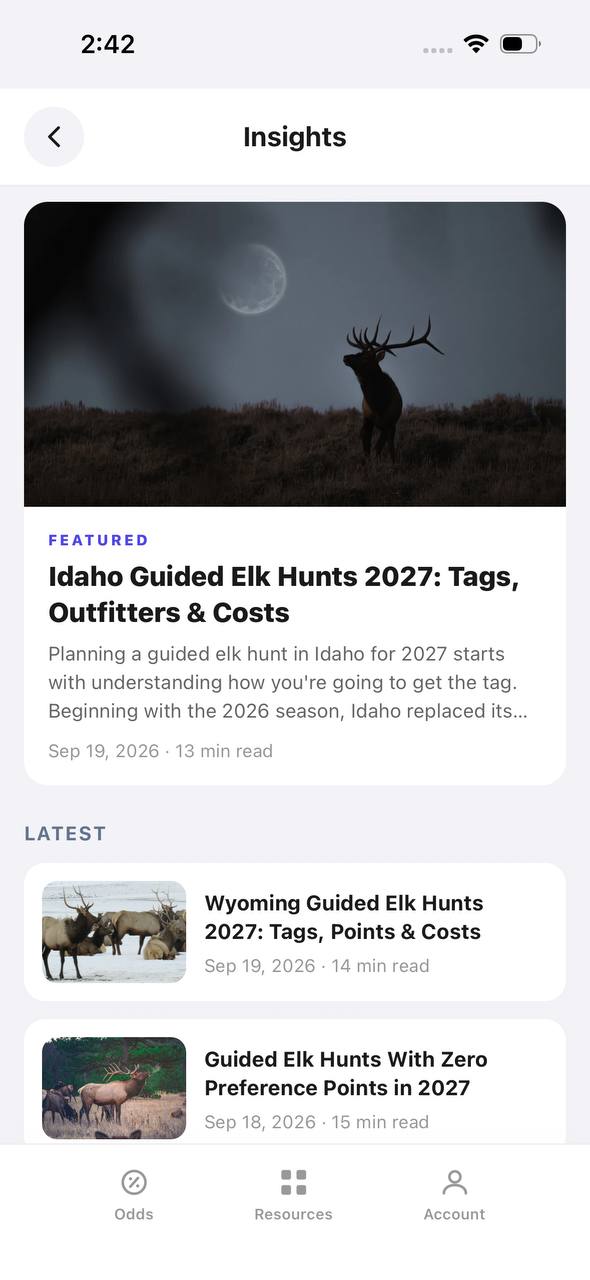
Sorting through endless units, draw odds, and access headaches can be overwhelming. That’s where TAGZ comes in—use it to compare units, analyze pressure, and map out realistic hunt plans that fit your style and time. The right data helps you spend less time guessing and more time finding elk.
Common Questions About Finding Elk on Public Land
How far from roads do I need to hike?
- Sometimes, a mile gets you away from pressure, but in popular units, you might need to go 3+ miles or find overlooked pockets closer to the road most folks miss.
Are OTC units worth hunting?
- Absolutely, if you’re realistic. Expect more hunters and pressured elk. Focus on midweek hunts or late seasons for better odds.
How important is scouting?
- Crucial. Every hour you spend learning the land pays off. Even a quick preseason hike can reveal elk trails, bedding, or pressure points.
What gear matters most?
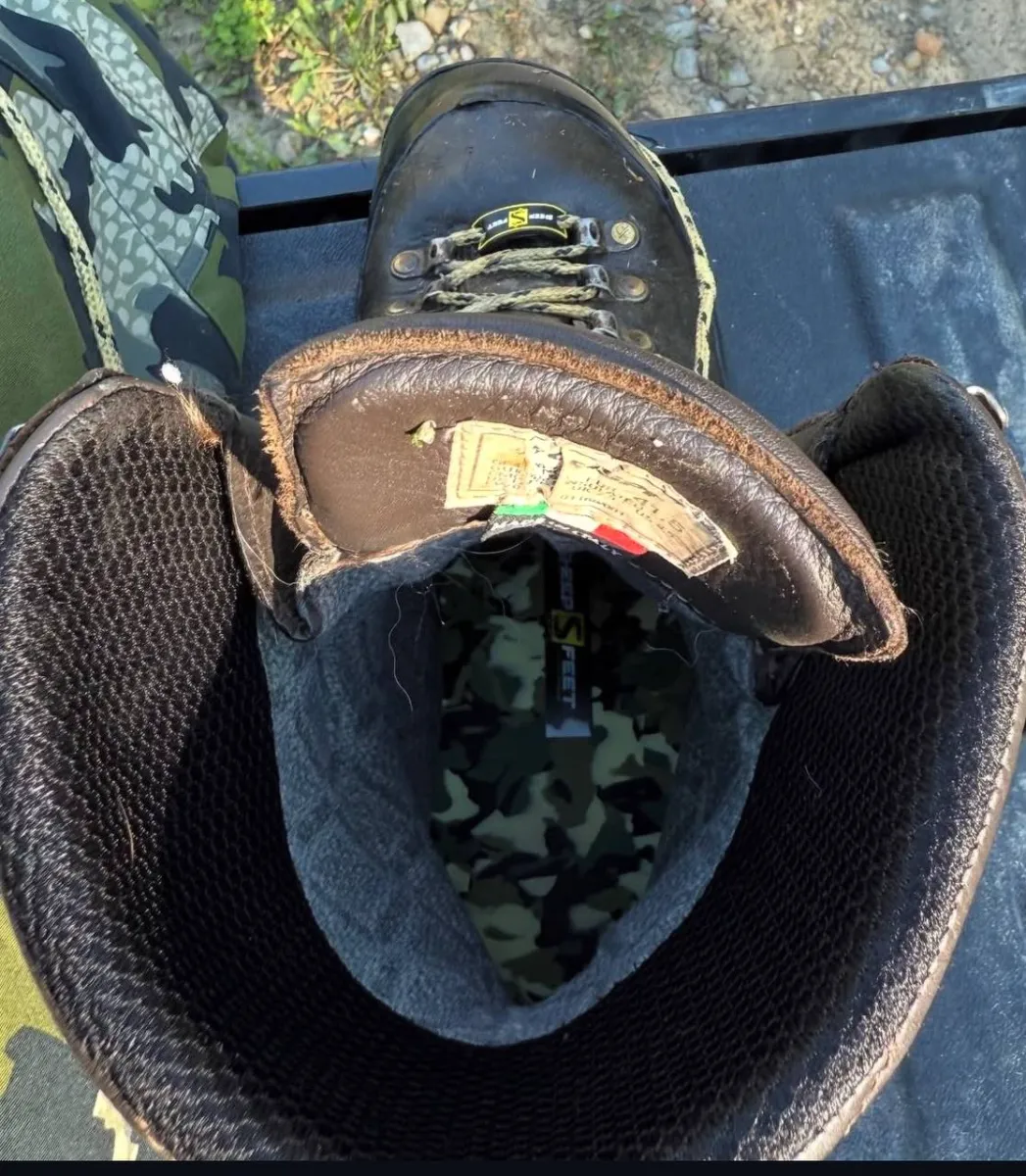
- Boots, optics, mapping apps, and patience. You can go light, but don’t skimp on navigation and glassing tools.
For more on picking the right unit, check out our guide on choosing the best OTC elk units in Colorado.
Was this article helpful?
Previous
Colorado GMU 54 Elk Hunting Guide
Colorado GMU 54 is a mountain elk unit where weather, migration, and hunting pressure can make the same drainage hunt completely different week to week. This guide breaks down terrain, access, pressure, scouting, and practical elk strategy so hunters can build a realistic plan before committing time or points.
Related
Best Optics for Elk Hunting — Binoculars, Spotting Scopes & Glassing Strategy
The best elk hunters spend more time behind optics than behind boot leather. Quality binoculars, a tripod, and a disciplined glassing strategy allow hunters to cover more country, save energy, and locate elk before making a move.
Next
Best Boots for Elk Hunting — Complete Western Hunting Boot Guide
Quality hunting boots are one of the most important pieces of western hunting gear. Proper fit, support, break-in, and upgrades like Sheep Feet custom orthotics can help hunters stay comfortable and effective throughout demanding elk hunts.