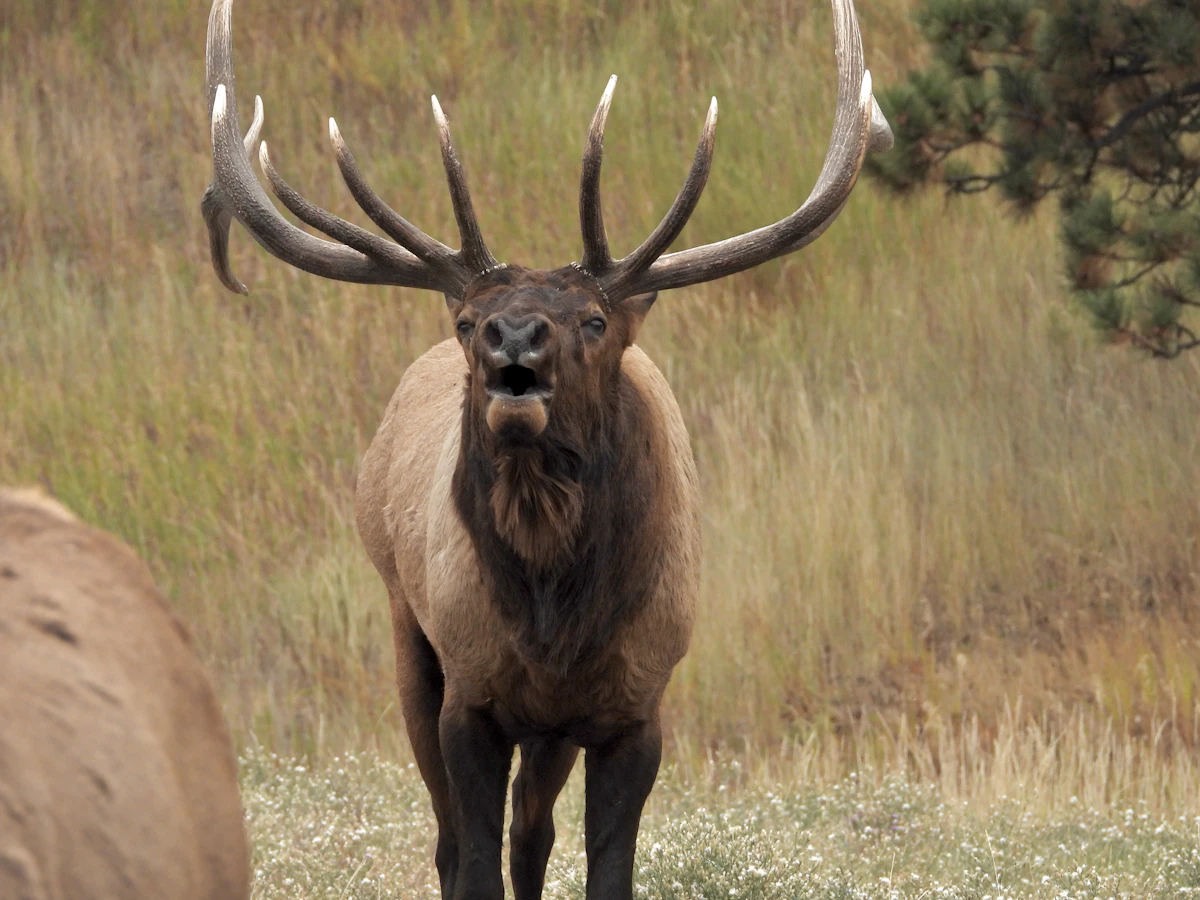
How to Call Elk for the First Time: A Complete Guide for New Hunters
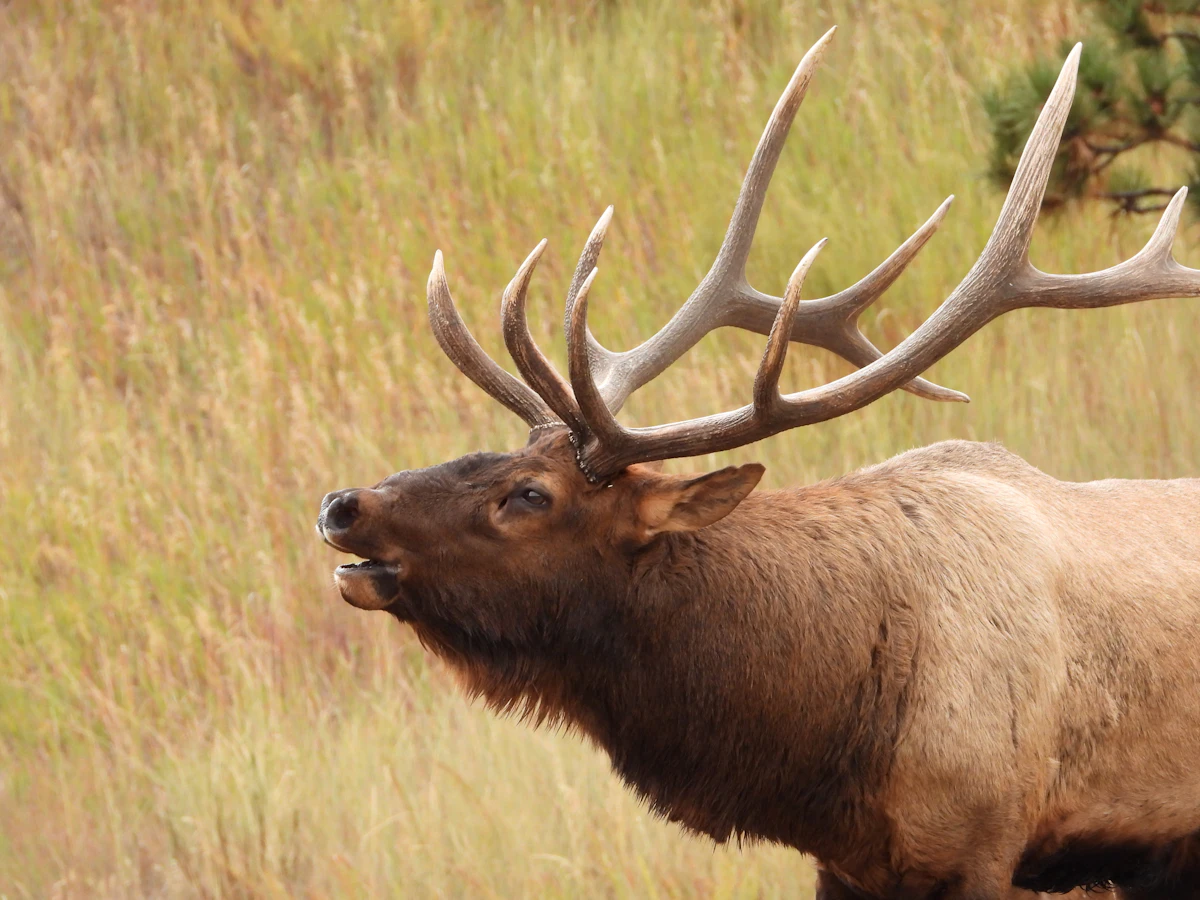
You bought a cow call, watched a few YouTube videos, and now you are staring at the elk woods wondering what to do next. Calling elk is not rocket science, but it requires understanding what you are saying in elk language and when to say it. Most first-time callers make the same mistakes — calling too much, calling too loud, or calling from the wrong spot. This guide walks you through the fundamentals so you can call with confidence instead of hoping for the best.
Start with Cow Calls, Not Bugles
Every beginner wants to rip a bugle because it sounds cool and feels like real elk hunting. Resist that urge. Cow calls are your foundation. Bulls respond to cow calls throughout September and October, from the pre-rut through the tail end of breeding season. A simple mew or estrous whine works in almost every situation.
Bugles intimidate bulls as often as they attract them. A mature herd bull may interpret your bugle as a challenge and push his cows away from you. Satellite bulls sometimes respond, but they are already nervous and will hang up at 200 yards if something feels wrong. Start with cow calls. Once you understand how elk respond to different sounds, add bugles strategically.
Choose Simple, Proven Calling Gear
You do not need five calls hanging around your neck. A diaphragm call and an external reed call cover 95 percent of situations. Diaphragm calls keep your hands free and allow you to call while drawing your bow or shouldering your rifle. They take practice but offer the most realistic cow sounds once you get comfortable.
External reed calls like the Primos Hoochie Mama or Phelps EZ Estrus are beginner-friendly and produce convincing cow mews with minimal practice. If a diaphragm frustrates you during practice sessions at home, grab an external call and head to the woods. You can refine your diaphragm skills throughout the season.
Practice at home until you can make three sounds — a soft location mew, a medium-volume social mew, and a high-pitched estrous whine. That is your entire playbook for the first few hunts.
Understand What Elk Are Saying
Elk communicate constantly. Cows mew to stay in contact with the herd. Calves chirp when they lose sight of their mothers. Bulls chuckle to assert dominance and bugle to announce their presence. Before you start calling, spend time listening. Glass feeding elk in the evening and pay attention to how often they vocalize, what sounds they make, and how other elk respond.
Location mews are soft, single-note sounds cows use to check in with each other. These work when you suspect elk are nearby but have not heard or seen them yet. Social mews are slightly louder and often grouped in twos or threes. Cows make these sounds when moving through timber or feeding in a meadow. Estrous whines are high-pitched, drawn-out calls that signal a cow is ready to breed. Bulls respond aggressively to estrous whines during peak rut.
The key is matching your calling intensity to the situation. Soft calls work when elk are close. Louder calls cover more ground when you are prospecting new country or trying to locate a distant herd.
Set Up Before You Call
Calling from a bad position ruins more opportunities than poor calling technique. Elk have incredible hearing and will pinpoint your location within seconds of your first call. If you call from an open ridge or a spot with no shooting lanes, the bull will circle downwind, catch your scent, and disappear before you ever see him.
Find a setup with good visibility, multiple shooting lanes, and cover that breaks up your outline. Sit with the wind in your face or quartering away from the direction you expect elk to approach. If you are bowhunting, position yourself 20 to 40 yards from your calling partner so the bull focuses on the caller while you draw.
Never call while walking unless you are trying to cover ground quickly and locate distant elk. Stop, set up, and commit to the spot for at least 20 minutes after calling. Bulls often take their time approaching, especially later in the season when they have been pressured.
Start Soft and Build Intensity
Most beginners call too loud right out of the gate. Elk have sharp hearing and will respond to soft calls from hundreds of yards away if the wind is right. Start with a single location mew. Wait three to five minutes. If nothing responds, try a short sequence of two or three social mews. Wait another five minutes. Gradually increase volume and intensity only if you get no response.
If a bull bugles back, resist the urge to hammer him with aggressive calling. Give him a soft cow call to confirm your location, then go silent. Let him close the distance. Bulls that respond immediately are already interested. Overcalling makes them suspicious.
If a bull bugles but does not move toward you, he is either with cows or testing whether you are real. Try an estrous whine to pull him away from his herd. If that does not work, reposition closer to him and call again from a new location. Sometimes bulls will not leave their cows, but they will respond if you move into their comfort zone.
Common Mistakes First-Time Callers Make
Calling too much ranks as the number one mistake. Elk do not vocalize nonstop in the wild. A cow separated from the herd might call every few minutes, but constant calling sounds unnatural. Call, wait, listen. Patience wins more often than persistence.
Calling from skylines or open terrain is another common error. Elk feel vulnerable in the open and prefer to stay in cover. If you call from a ridgetop, a bull will expect to see you standing there. When he does not, he assumes something is wrong and hangs up or circles downwind.
Ignoring wind direction kills more setups than bad calling. Elk trust their noses above everything else. You can make perfect cow sounds, but if the bull catches your scent, the hunt is over. Always set up with the wind in your favor, even if it means repositioning and losing a few minutes.
Calling at the wrong time of day also limits success. Elk are most vocal during the first hour of daylight and the last hour before dark. Midday calling can work, especially in heavily timbered country where elk bed in thick cover, but your odds improve dramatically during peak activity periods.
Practice Calling Sequences
A calling sequence is a series of sounds that mimics natural elk communication. Start with a single location mew. If nothing responds after five minutes, try a sequence of three social mews spaced two seconds apart. Wait another five minutes. If still nothing, add an estrous whine and go silent for 10 minutes.
If a bull bugles, respond with a single cow call and stop. Let him do the work. If he bugles again without moving closer, give him another soft mew. If he still will not commit, try raking a tree or bush with a stick to mimic a bull thrashing his antlers. This sometimes triggers a territorial response.
If a bull approaches silently, watch for movement and get ready. Not every bull announces himself with a bugle. Some slip in quietly, especially later in the season. Keep your calls soft and your movements minimal once you know a bull is nearby.
Use Terrain and Timber to Your Advantage
Elk move along natural travel corridors — benches, ridges, saddles, and drainage bottoms. Set up along these features and call into areas where elk feel comfortable. Thick timber, aspen groves, and dark north-facing slopes hold bedded elk during midday. Glass these areas in the morning and listen for bugles before deciding where to call.
If you are hunting pressured public land, avoid calling near roads or trailheads. Bulls in these areas have heard every call in the book and will not respond unless the setup is perfect. Move deeper into the backcountry where elk feel safe and are more likely to respond to calling.
Calling across canyons can work, but be prepared to cover ground quickly if a bull responds from the opposite side. Elk will not cross a canyon to investigate a single cow call. You need to move toward him or call aggressively enough to make him think you are worth the effort.
When to Stop Calling and Start Hunting
If you have called for 30 minutes with no response, move to a new location. Sitting in one spot all day hoping for a miracle rarely works. Cover ground, glass, listen, and call from multiple setups throughout the day. Elk move constantly during the rut, and a drainage that was silent at sunrise might be full of bugles by mid-morning.
If you bump a herd while moving, resist the urge to chase them immediately. Let them settle for 30 minutes, then circle ahead and set up in their escape route. Call softly to see if the herd bull will respond. Pushed elk often regroup quickly, and a well-timed cow call can pull the bull back into range.
If you are hunting a specific drainage or basin, learn the terrain before you start calling. Walk the area in the off-season, mark shooting lanes on your GPS, and identify bedding areas, feeding zones, and travel routes. The more you know about where elk move, the better you can anticipate where to set up and when to call.
How TAGZ Helps You Plan Your Elk Hunt
TAGZ helps you compare elk units side by side using terrain maps, unit boundaries, and historical draw data. Track your preference points and bonus points across multiple states so you never miss a draw deadline. Whether you are chasing OTC tags or planning a trophy limited-entry hunt, TAGZ gives you the tools to make smarter decisions before you ever step into the field. Filter hunts by weapon type, season dates, and draw odds to find the unit that matches your experience level and calling strategy.
FAQ — Calling Elk for the First Time
What is the easiest elk call for beginners?
An external reed call like the Primos Hoochie Mama or Phelps EZ Estrus. These require minimal practice and produce realistic cow sounds with simple breath control.
Should I bugle or cow call when I first start?
Cow call. Bulls respond to cow sounds throughout the entire season, while bugles can intimidate mature bulls or alert them to pressure. Master cow calls first, then add bugles strategically.
How long should I wait between calls?
Three to five minutes after a single call, five to ten minutes after a calling sequence. Elk do not vocalize constantly in the wild, and overcalling makes you sound unnatural.
What do I do if a bull bugles back but will not come closer?
Give him a soft cow call to confirm your location, then go silent. If he still will not commit, reposition closer to him and call again. Some bulls will not leave their cows unless you move into their territory.
How close should I let a bull get before I stop calling?
Stop calling once you confirm the bull is moving toward you. Let him close the distance on his own. Overcalling at close range makes bulls suspicious and can cause them to hang up just out of range.
Can I call elk successfully on public land?
Yes, but you need to hunt deeper and smarter. Pressured bulls have heard every call and will not respond unless your setup is perfect. Move away from roads, call softer, and focus on areas with minimal hunting pressure.
Continue Planning Your Hunt
Ready to find your next elk hunt? TAGZ helps you research units, track draw odds, and plan applications across multiple states. Compare terrain, unit boundaries, and public land access so you know exactly where to hunt before you apply.
Explore TAGZ Insights for more elk hunting strategies: https://www.getmytagz.com/insights
See how TAGZ simplifies hunt planning: https://www.getmytagz.com/product
Start planning your hunt today: https://www.getmytagz.com/
Was this article helpful?
Previous
Best Beginner Elk Calling Setup: Essential Gear for Your First Hunt
Learn which elk calls every beginner needs, how to build a complete calling setup for under $150, and which techniques to master before your first September hunt.
Next
Best Elk Calls for 2025 — Diaphragm, Tube, and Electronic Calls Tested
Choosing the right elk call can make or break your hunt. We break down diaphragm calls, external reed calls, and electronic options with field-tested recommendations for beginners and experienced callers alike.