Best Elk Hunting States and Units for 2027: Where to Focus Your Applications
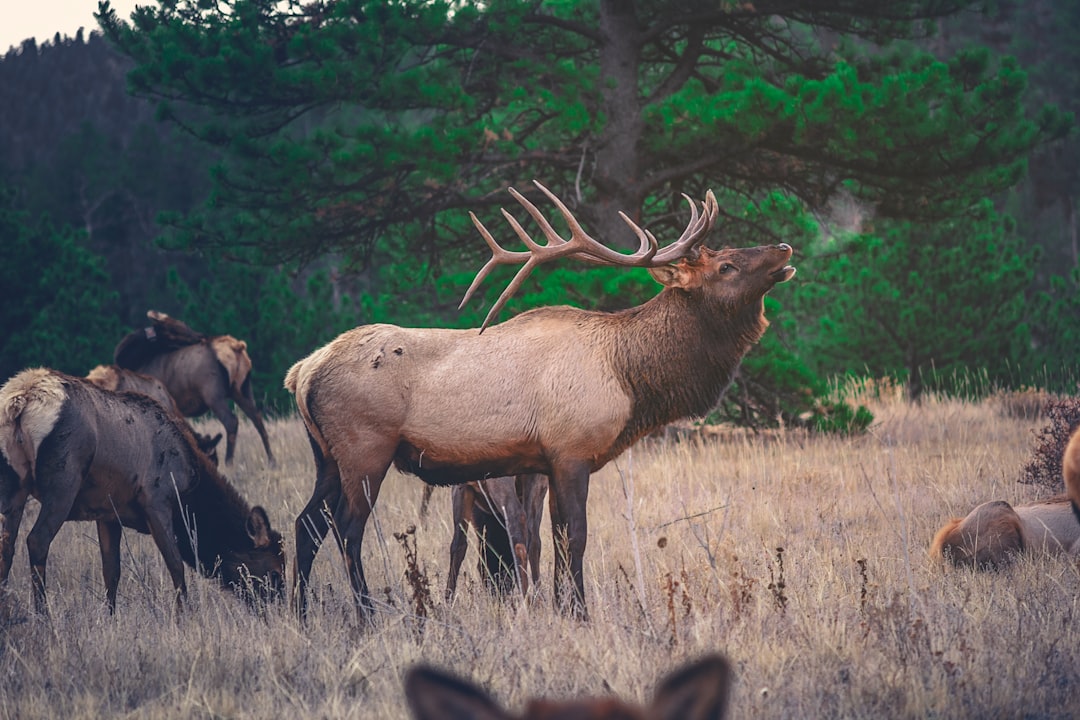
Planning a successful elk hunt in 2027 means making smart application decisions right now. With preference points climbing in premium units and OTC opportunities shrinking, knowing where to focus your time and money has never been more critical. This breakdown ranks the best elk hunting states and specific units based on draw odds, public land access, herd health, and realistic trophy potential for hunters who put in the work.
Colorado: Volume and Opportunity
Colorado remains the top elk state by sheer numbers, holding roughly 280,000 elk across diverse terrain from high alpine basins to oak-covered mesas. The state offers the most tags annually and maintains the largest network of OTC archery units, though recent changes have shifted some Gunnison Basin units to limited draw.
For rifle hunters with zero to three preference points, focus on second and third rifle season units in the 50s, 60s, and 70s around the Flat Tops and White River areas. Units like 52, 66, and 76 consistently draw with two to three points and hold solid bull-to-cow ratios on accessible public land. Expect other hunters, but disciplined glassing and willingness to hike beyond trailheads pay off.
Archery hunters should prioritize units still offering OTC tags while scouting pressure patterns. Units 2, 10, 201, and portions of the Flat Tops complex provide quality September hunting without burning points. The transition from bugling to calling cows and calves typically happens around September 20, so plan your dates accordingly.
Montana: General Tags and Trophy Potential
Montana's combination license system grants nonresidents access to general elk units after drawing the Big Game Combo, which currently takes one to two preference points. Once you hold that license, you can hunt multiple general units during a five-week rifle season, giving you flexibility other states cannot match.
The Elkhorn Mountains (HD 380), Gravelly Range (HD 329), and portions of Region 3 near the Big Hole offer strong public land hunting with mature bulls. Pressure concentrates near roads during opening week, but hunters willing to camp deep or access via foot and horse find less competition. Montana's general season runs from late October into late November, covering the rut tail-end and peak breeding activity.
For limited-entry permits, focus on units with 10 percent or better draw odds if you have three to five points. HD 270 (Upper Blackfoot), HD 411 (Beaverhead), and select breaks units provide better-than-average odds while still producing 320-inch bulls for hunters who know the terrain.
Idaho: OTC Access and Wilderness Advantages
Idaho issues more OTC elk tags than any state except Colorado, with general seasons covering huge portions of central Idaho wilderness. The catch is terrain—much of the best hunting sits in roadless wilderness where horses, backpacking, or float planes provide the only access.
Units 27, 28, 36A, and 37 offer consistent archery and rifle hunting with minimal point creep because they demand physical effort. The Frank Church and Selway-Bitterroot wilderness areas hold healthy herds with bulls that see limited pressure once you move beyond trailheads. Plan for September archery hunts during peak bugling or October rifle hunts when bulls are still vocal and mobile.
Northern Idaho units like 10A and 12A provide easier road access but higher hunter density. These units work well for hunters scouting aggressively and hunting private-public edges where elk move between feeding and bedding areas. Idaho's tag structure rewards hunters who apply for controlled hunts in premium zones while holding general tags as backup.
Wyoming: Limited Tags, High Success
Wyoming manages elk through a limited-quota system that produces some of the West's highest hunter success rates. The trade-off is longer point accumulation and fewer total tags issued. For nonresidents, focus on general elk areas first, then build points for limited-quota units once you understand the system.
General Area 7 (Cody Region) allows one-time-use general licenses with no points required for residents and manageable odds for nonresidents. Areas 90-92 around Dubois and Lander offer similar access with strong elk numbers on Shoshone National Forest. Wyoming's September rifle opener provides unique opportunities to catch bulls still bugling, unlike most states where rifle seasons begin in October.
Limited-quota gems include Unit 100 (western Wyoming ranges), Unit 87 (Grey's River), and portions of the Bighorns where five to eight points yield 300-320 class bulls. Wyoming requires nonresident hunters to use licensed outfitters or hunt with resident companions in designated wilderness areas, so factor that into planning and budget.
Arizona: Trophy Quality Over Quantity
Arizona produces giant bulls—340-inch and larger—but issues very few nonresident tags and requires 15-plus bonus points for premium rifle hunts. Archery hunts in units 3A, 3C, 9, and 10 offer slightly better odds (one to five percent with maximum bonus points) while still producing bulls over 320 inches.
The state's unique terrain includes ponderosa pine forests, aspen groves, and high desert grasslands where elk summer at elevation and winter in lower canyons. Most hunts occur on vast national forest tracts with minimal fencing, allowing elk to range widely. Success rates for rifle hunters exceed 30 percent in many units, among the highest in the West.
If you are willing to commit to 10-plus years of point accumulation, Arizona rewards patience with world-class bulls. Archery hunters benefit from earlier season timing when bulls respond aggressively to bugles and decoys work effectively in open timber.
New Mexico: Draw System Gamble
New Mexico operates a pure lottery system—no preference points—making every hunt a roll of the dice regardless of application history. This structure benefits first-time applicants and frustrates veteran hunters who cannot build equity. The state issues roughly 14 percent of tags to nonresidents, with quality units drawing at one to three percent odds.
Units 2B, 5B, 12, 13, 15, and 16A consistently produce 320-340 inch bulls on Gila National Forest and surrounding ranges. Private land access becomes crucial in many units, as checkerboard ownership patterns limit public land mobility. Landowner tags provide guaranteed hunting but cost significantly more than draw tags.
New Mexico's rifle seasons span October through November, with early rifle hunts coinciding with bugling and later hunts targeting post-rut behavior. Archery seasons open in early September, offering 20-25 days of peak rut hunting before any rifle pressure.
Nevada: Hidden Gem for Archery Hunters
Nevada flies under most hunters' radar despite holding quality bulls and relatively accessible public land. The state issues few tags, but archery hunts in units 061-066 (Ruby Mountains) and 071-075 (Jarbridge Mountains) offer better odds than Arizona or New Mexico while producing 300-320 inch bulls.
Nevada's elk occupy mountain ranges separated by sagebrush basins, concentrating herds in predictable summer and fall ranges. Archery seasons run through September, covering the entire rut. Rifle hunts occur in October and November, with some late hunts extending into December when snow pushes elk into lower elevations.
The state's bonus point system functions as a true bonus—every point provides one additional entry in the draw without guaranteeing progression. Building five to eight bonus points significantly improves odds for rifle tags, while archery hunts remain attainable with zero to three points.
Oregon: Coast Range Opportunity
Oregon's Roosevelt elk hunting along the coast range offers a different experience from Rocky Mountain elk hunting. Roosevelt bulls grow heavy-antlered typical frames, with mature bulls reaching 280-320 inches. Hunts occur in dense temperate rainforest where visibility rarely exceeds 100 yards.
Rocky Mountain elk hunting in eastern Oregon provides more traditional spot-and-stalk opportunities. Units like Wenaha, Starkey, and portions of the Ochoco Mountains hold quality bulls on accessible national forest. Oregon issues general archery tags for most units while managing rifle hunts through controlled draws requiring three to six preference points for better units.
Coastal hunts demand different tactics—still-hunting, calling from ridges, and intercepting elk on logging roads during low-light hours. Eastern Oregon units allow standard western glassing and stalking techniques in open ponderosa and juniper country.
Washington: Emerging Opportunity
Washington's elk populations continue growing, particularly in eastern GMUs where habitat improvements and limited wolf pressure benefit herds. The state offers general archery seasons and controlled rifle hunts, with some late-season hunts providing excellent success for hunters willing to deal with snow.
GMUs 145, 154, 166, and 172 produce quality bulls with manageable draw odds—two to four points for rifle tags. These units cover the Blue Mountains and Wenaha Wildlife Area, where national forest access connects large roadless tracts. September archery hunts coincide with bugling, while October and November rifle seasons target post-rut bulls before severe weather.
Washington's point system awards unsuccessful applicants one preference point, and hunters can purchase a second point annually. This allows strategic point banking for premium hunts while applying for mid-tier units with realistic odds.
How to Choose Your 2027 Strategy
Your best elk state and unit depend on your current point totals, budget, physical ability, and trophy expectations. Hunters with zero to three points across multiple states should focus on Colorado second and third rifle seasons, Idaho OTC units, and Montana general tags via the Big Game Combo. These hunts offer realistic success on DIY public land hunts without waiting.
Mid-level point holders (four to eight points) can target Wyoming general areas, New Mexico mid-tier units, and Colorado limited-entry rifle hunts in the Flat Tops and White River regions. These hunts typically produce 280-310 inch bulls with success rates between 15 and 30 percent for prepared hunters.
Hunters banking 10-plus points should consider Arizona rifle hunts, Wyoming limited-quota units, and Nevada rifle tags. These hunts justify the wait with trophy potential exceeding 320 inches and success rates often topping 30 percent. The key is balancing point building with annual hunting by applying for backup units and OTC opportunities.
Application Timing and Strategy
Most western states open applications between January and March, with deadlines running through early April. Wyoming and Montana accept applications in January. Colorado opens in early April. New Mexico typically opens in mid-March. Arizona follows in mid-February. Check specific dates annually, as deadline shifts happen.
Applying in multiple states increases your odds of drawing somewhere each year. Typical strategy for serious elk hunters includes applying in four to six states annually—two or three with realistic draw odds given your points, one or two longshot draws to accumulate points, and one or two backup OTC options. This approach balances hunting annually with building toward premium tags.
TAGZ helps you compare units side by side using terrain maps, unit boundaries, and historical draw data. Track your preference points and bonus points across multiple states so you never miss a draw deadline. Whether you are chasing OTC tags or planning a trophy limited-entry hunt, TAGZ gives you the tools to make smarter decisions before you ever step into the field.
Scouting and Physical Preparation
Successful elk hunting begins months before season. Once you draw or select your OTC unit, commit to e-scouting using satellite imagery and topographic maps to identify bedding areas, water sources, and transition zones between feeding and security cover. Mark potential access points and camp locations, noting distances from roads to quality glassing knobs.
Physical preparation separates successful elk hunters from those who struggle. Train with a weighted pack, gradually building to 50-60 pounds over steep terrain. Cardiovascular fitness matters more than strength—elk hunting involves covering miles at elevation, often above 8,000 feet. Most western elk units sit between 7,000 and 11,000 feet, where oxygen levels drop noticeably for lowland residents.
Plan multiple backup camp locations based on where elk are actually located when you arrive. Late summer drought, early snow, or unusual weather can shift elk patterns significantly from typical years. Flexibility and willingness to relocate mid-hunt improve success dramatically.
Gear and Logistics
Elk hunting demands reliable gear. Prioritize quality boots, a comfortable backpack, weatherproof clothing layers, and accurate optics. Cheap binoculars or a flimsy tent can ruin a hunt you spent years planning and hundreds of dollars drawing. Invest in 10x42 binoculars minimum, with a spotting scope (15-45x65 or larger) for judging bulls at distance.
Weapon choice depends on season and personal skill. Archery hunters should practice regularly out to 60 yards, know their effective range, and understand elk anatomy for quartering and angled shots. Rifle hunters benefit from practicing from field positions (sitting, kneeling, prone over a pack) rather than bench shooting. Most elk shots occur between 150 and 350 yards where wind reading and trajectory knowledge matter more than raw accuracy.
Plan your meat care strategy before you hunt. Successful elk hunts produce 200-300 pounds of meat that must be cooled quickly, especially during warm September archery seasons. Game bags, a reliable cooler system, and a plan for getting quarters off the mountain prevent spoilage and wasted meat.
FAQ — Best Elk Hunting States 2027
Which state offers the best elk hunting for first-time applicants? Colorado and Idaho provide the best opportunities with zero points. Colorado issues thousands of OTC archery tags and second-choice rifle tags requiring minimal points, while Idaho offers general-season hunting across vast wilderness areas without preference point requirements.
How many preference points do I need for a quality Colorado elk hunt? Two to four points draw quality units during second and third rifle seasons in the Flat Tops, White River, and northwest regions. These hunts offer realistic DIY success on public land for hunters willing to hike and glass consistently.
Is Montana worth applying for as a nonresident? Absolutely. Montana's Big Game Combo license currently draws with one to two preference points and grants access to multiple general elk units during a five-week season. This flexibility and reasonable point requirement make it one of the best nonresident values available.
Should I burn my points on a good unit or keep building for a great unit? Burn points on quality hunts you can realistically succeed on rather than waiting indefinitely for perfection. Preference point creep continues across western states, and a 290-inch bull you harvest this year beats a theoretical 340-inch bull you might hunt in a decade.
What is the best month to hunt elk? September offers peak bugling and aggressive bull behavior for archery hunters. October provides excellent rifle hunting as bulls remain somewhat vocal and mobile. November hunts can be productive but require hunting bedding areas and interception points rather than calling.
How physically demanding is western elk hunting? Most successful hunts involve hiking three to six miles daily at elevations between 7,000 and 11,000 feet while carrying 30-50 pounds of gear. Harvesting an elk adds another 200-300 pounds of meat requiring multiple pack trips or horse support. Train accordingly.
Continue Planning Your Hunt
Now that you understand which states and units offer the best opportunities for 2027, start building your application strategy. Compare draw odds, track your preference points, and explore unit details including terrain maps and public land boundaries using the TAGZ platform at https://www.getmytagz.com/product.
For more insights on specific states and draw strategies, visit the TAGZ Insights page at https://www.getmytagz.com/insights where you will find detailed breakdowns of draw systems, unit comparisons, and hunt planning advice.
Ready to take control of your western hunting applications? Explore TAGZ pricing options at https://www.getmytagz.com/pricing and discover how tracking points across multiple states, setting draw deadline reminders, and comparing units side by side simplifies the entire process. Whether you are applying in one state or six, having all your data in one place means you never miss an opportunity or waste points on poor applications.
Start planning your 2027 elk hunt today at https://www.getmytagz.com/ and turn years of point accumulation into the hunt you have been working toward.
Was this article helpful?
Previous
DIY Elk Hunting: A Complete Guide to Planning Your Own Hunt
DIY elk hunting lets you hunt public land on your budget without hiring an outfitter. Learn how to pick units, scout terrain, plan logistics, and execute a successful self-guided elk hunt in the West.
Next
Public Land Elk Hunting: Strategy, Scouting, and Success Without Private Access
Public land elk hunting rewards preparation and persistence. Learn how to scout effectively, avoid crowds, and consistently fill tags on accessible terrain across the West.