Pennsylvania Elk Hunting Guide 2027: Draw Odds, Units & Strategy
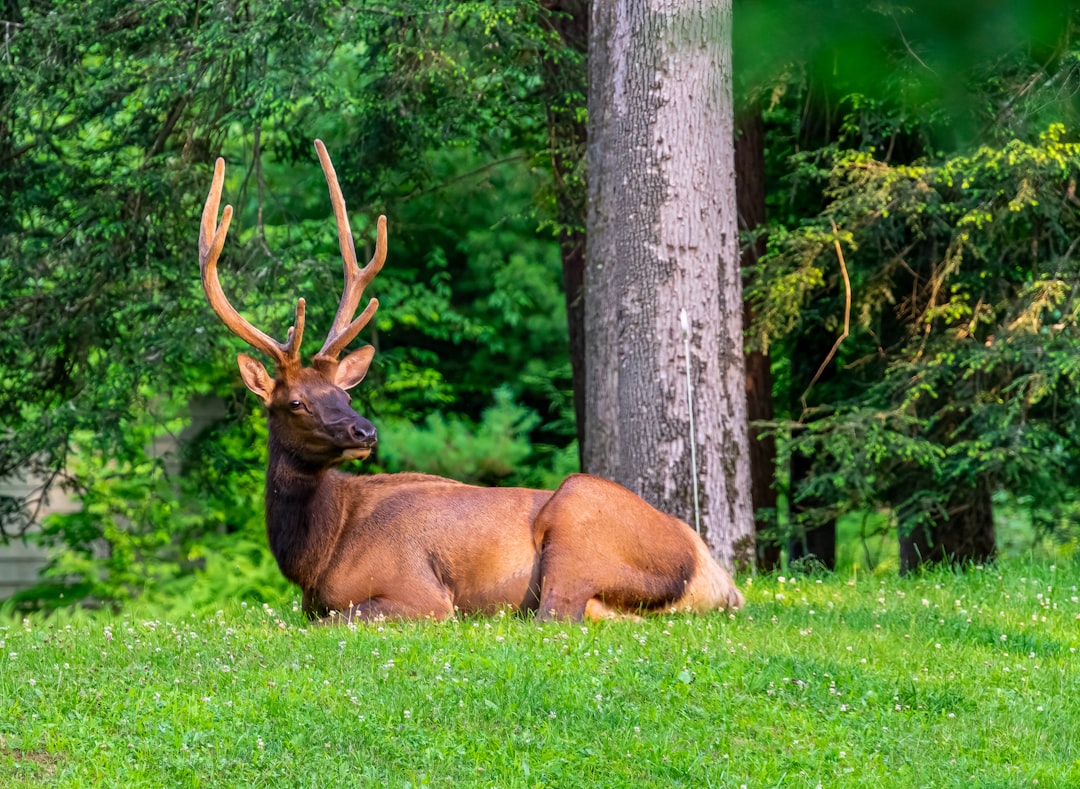
Pennsylvania offers the only elk hunting opportunity east of the Mississippi that consistently produces mature bulls. The 2027 elk license lottery opens July 1 and closes July 31, with 169 total tags distributed across five hunt zones in the north-central mountains. While draw odds remain competitive, understanding zone differences, application strategies, and public land access dramatically improves your chances of both drawing and succeeding.
The Pennsylvania Game Commission manages approximately 1,400 elk across Elk, Cameron, Clearfield, Clinton, Centre, and Potter counties. The herd has rebounded since reintroduction in 1913, and tag allocation has grown slowly as population objectives are met. For 2027, the commission maintained the same tag distribution as 2026: 82 antlered licenses and 87 antlerless licenses split between archery, regular firearms, extended firearms, and late seasons.
How Pennsylvania's Elk Draw System Works
Pennsylvania uses a true lottery with no preference points. Every applicant has equal odds regardless of how many years they have applied. You may apply for one antlered or one antlerless license, not both. Applications open July 1 at 8:00 AM Eastern and close July 31 at 11:59 PM through the Pennsylvania Game Commission's online portal.
The application fee is $12.97 for residents and $14.97 for nonresidents. If drawn, residents pay $11.97 for an antlerless license or $26.97 for an antlered license. Nonresidents pay $31.90 for antlerless or $71.90 for antlered. These prices have remained stable for several years but are subject to commission approval each spring.
Successful applicants are notified by mail and email in mid-August. Licenses are valid only in the zone for which you applied during the season you selected. Zones are not interchangeable, and you cannot upgrade or transfer your tag after the draw.
The Five Elk Zones: Where to Apply
Pennsylvania divides elk country into five zones, each with distinct terrain, herd density, and hunter pressure. Choosing the right zone matters more than most applicants realize.
Elk Zone 1 covers the core elk range in southern Elk County and northern Clearfield County. This zone includes Benezette, Winslow Hill, and the most visible elk viewing areas. Zone 1 receives the highest application numbers because of name recognition, but it also holds the largest elk concentration. Public land access is excellent through state game lands and Elk State Forest.
Elk Zone 2 extends north and east through central Elk County into Cameron County. This zone offers more rugged terrain, thicker timber, and fewer elk viewers. Draw odds slightly improve compared to Zone 1, but success rates remain strong for hunters willing to hike beyond road systems.
Elk Zone 3 covers the western edge of the range in western Elk County and portions of Jefferson County. This zone sees the least pressure and offers the best draw odds, but elk density is lower. Hunters here often spend more time locating elk before the hunt.
Elk Zone 4 includes the northern range in Potter and Cameron counties. This is transitional habitat where elk movements can be unpredictable, especially during late-season hunts. Success depends heavily on weather and rut timing.
Elk Zone 5 encompasses the eastern range in Clinton and Centre counties. Elk populations are growing here, and the commission has increased tag allocation over the past five years. Draw odds are favorable, and mature bulls are present, but elk numbers remain lower than core zones.
For first-time applicants, Zones 2 and 5 offer the best balance of draw probability and hunt quality. Zone 1 remains the top choice for those prioritizing elk density over draw odds.
2027 Draw Odds and Tag Allocation
Pennsylvania does not publish official draw odds, but historical application and success data provide reliable estimates. For 2027, expect approximately 35,000 to 40,000 total applications for 169 tags, yielding overall odds around 0.4 to 0.5 percent.
Antlerless odds slightly favor applicants because antlerless tags outnumber antlered tags 87 to 82. However, the difference is marginal. Zone selection impacts odds more than antlered versus antlerless choice.
Estimated 2027 odds by zone for antlered licenses:
- Zone 1: 0.3–0.4%
- Zone 2: 0.4–0.5%
- Zone 3: 0.6–0.8%
- Zone 4: 0.5–0.6%
- Zone 5: 0.5–0.7%
Antlerless odds run slightly higher in each zone, with Zone 3 and Zone 5 offering the best probabilities. Season choice also matters. Regular firearms season tags are most competitive, while archery and late-season tags draw fewer applications.
The lack of a preference point system means you could draw on your first application or wait decades. Consistency matters. Hunters who apply annually eventually draw, with most successful applicants falling in the 10- to 20-year range.
Season Dates and Hunt Strategies
Pennsylvania offers four elk hunting seasons in 2027, each with different challenges and opportunities.
Archery Season runs September 6–20. Bulls are transitioning into the rut, becoming increasingly vocal but not yet fully committed. Calling works well in heavy timber, and thermals matter for stalking bedded elk. Public land pressure is moderate because archery tags are limited.
Regular Firearms Season spans November 1–7. This is peak rut, and bulls are most vulnerable. Bugling peaks during the first week of November across all zones. Expect moderate hunting pressure, especially near road-accessible areas. Most successful hunters locate bugles before light and close the distance during mid-morning lulls.
Extended Firearms Season continues November 8–14 for antlerless only. The rut winds down, and elk regroup into mixed herds. Antlerless hunters should focus on feeding areas near agricultural edges and clear-cuts. Bulls become increasingly nocturnal after opening week pressure.
Late Season runs November 15–21 for both antlered and antlerless tags. Weather drives success. Early snow pushes elk to lower elevations and concentrates herds near winter range. Late-season hunters who monitor weather patterns and adjust accordingly see the highest success rates relative to tag numbers.
Regardless of season, successful Pennsylvania elk hunters spend time glassing agricultural fields at dawn and dusk while listening for bugles in timbered drainages during mid-day. Elk move between feeding and bedding areas predictably once located.
Public Land Access and Terrain
Pennsylvania elk range includes over 200,000 acres of public land managed by the Pennsylvania Game Commission and Pennsylvania Bureau of Forestry. State Game Lands 44, 100, 311, and others provide core hunting access. Elk State Forest and Sproul State Forest add extensive backcountry opportunities.
Terrain varies from rolling hardwood ridges to deep hemlock-choked valleys. Elevations range from 1,200 to 2,400 feet, with most elk activity concentrated between 1,400 and 2,000 feet. Benezette and Winslow Hill anchor the southern range where agricultural fields meet forested slopes. North toward Sinnemahoning, terrain becomes more remote with fewer roads and thicker cover.
Public land boundaries are well-marked, and the Game Commission provides detailed zone maps on their website. Download maps before your hunt and confirm boundaries on the ground. Elk frequently cross private land, and Pennsylvania has strict trespassing laws.
Road access is excellent throughout most zones. State Route 555, State Route 120, and numerous forest roads allow vehicle-based scouting. However, the most successful hunters hike beyond the first ridge to escape pressure. Elk pushed off feeding areas retreat to heavy cover within a mile of disturbance.
TAGZ helps you compare Pennsylvania elk zones using detailed terrain maps and unit boundaries. Track your annual applications so you never miss the July deadline, and filter hunts by weapon and season to match your hunting style. Whether this is your first application or your twentieth, TAGZ gives you the tools to make smarter decisions before you ever step into the field.
Application Strategy: How to Improve Your Odds
With no preference points, your only control is consistency and zone selection. Apply every year regardless of odds. The difference between a 0.4 percent chance and 0.6 percent chance compounds over decades of applications.
Consider applying for antlerless tags if your primary goal is experiencing Pennsylvania elk hunting. Antlerless odds are marginally better, and cow elk hunts during late season can be extremely rewarding. Many hunters who draw antlerless tags report satisfaction equal to or greater than antlered hunts because pressure is lower and elk behavior is more predictable.
If you hunt other states during fall, avoid scheduling conflicts. Pennsylvania's November firearms season overlaps with many western rifle seasons. Archery season offers less conflict for hunters chasing September bugling elk in Colorado or Montana.
Do not wait for a guaranteed draw. Pennsylvania elk hunting rewards those who apply and prepare annually. Successful applicants are rarely surprised by a draw—they are hunters who applied for years, scouted during non-hunting seasons, and built local knowledge over time.
Scouting and Preparation
Pennsylvania allows year-round elk viewing, making pre-hunt scouting easier than most western hunts. Benezette and Winslow Hill offer roadside viewing from May through September when elk feed on agricultural fields. Observe herd composition, locate mature bulls, and note movement patterns between feeding and bedding areas.
July and August provide the best scouting because bachelor groups of bulls frequent feeding areas before velvet shed. September scouting reveals rut behavior as bulls begin posturing and vocalizing. Avoid disturbing elk during scouting trips. Use binoculars and spotting scopes from roads or designated viewing areas.
Connect with local hunters and guides. Pennsylvania has a strong elk hunting community, and successful hunters are often willing to share general knowledge. The Rocky Mountain Elk Foundation holds Pennsylvania chapter events where you can network and learn.
Physical preparation matters less than in western hunts, but cardiovascular fitness improves your ability to cover ground quickly when elk move. Pennsylvania elk hunting is more about patience and wind management than endurance, but being able to hike two to three miles off-road expands your options.
What to Expect After You Draw
Drawing a Pennsylvania elk tag is the beginning, not the end. Success rates vary by zone and season, but overall harvest rates hover around 90 percent for antlered tags and 85 percent for antlerless tags. These are among the highest success rates for any elk hunt in North America.
Successful hunters attribute their outcomes to three factors: locating elk before the season, understanding bugle timing, and managing wind. Elk in Pennsylvania are habituated to human presence in some areas but remain wary in backcountry zones. Treat them with the same respect you would give western elk, and your odds of success increase.
Harvest reporting is mandatory. All successful hunters must report their harvest within 24 hours and present the elk for biological data collection at a check station. The Game Commission uses this data to refine herd management and tag allocation.
Meat care is critical, especially during November when temperatures can swing from freezing mornings to 60-degree afternoons. Plan for immediate field dressing and cooling. Most hunters quarter elk and pack meat to vehicles within a few hours of harvest. Guides and meat processors are available in Benezette and nearby towns.
Nonresident Considerations
Nonresidents may apply for Pennsylvania elk tags without restrictions. You do not need a base hunting license to enter the lottery, though you must purchase one after drawing. Nonresident license fees are higher but remain affordable compared to western elk hunts.
Nonresidents draw at the same odds as residents. Pennsylvania does not set aside tags or impose quotas based on residency. This levels the playing field for out-of-state hunters willing to commit to annual applications.
Travel logistics are straightforward. Benezette is the hub of elk country, located approximately 100 miles northeast of Pittsburgh and 200 miles northwest of Harrisburg. Commercial lodging, campgrounds, and vacation rentals are available, though booking early is essential for November hunts. Many hunters camp on state forest land, which is permitted outside designated closure areas.
Nonresidents should familiarize themselves with Pennsylvania game laws, which differ from western states. Blaze orange is required during firearms seasons, and legal shooting hours are strictly enforced. The Game Commission website provides a comprehensive digest.
Why Pennsylvania Elk Hunting Stands Apart
Pennsylvania's elk herd represents a conservation success story. After near-extirpation, the herd has rebounded to sustainable levels supporting limited hunting. For eastern hunters, Pennsylvania offers a legitimate elk hunt without the cost and logistics of traveling west.
The lack of preference points keeps the draw accessible for new hunters while rewarding persistence. Unlike western states where point creep locks out casual applicants, Pennsylvania's lottery resets annually. Your odds next year are the same as your odds this year.
Hunt quality rivals many western units. Pennsylvania bulls regularly score 300 to 350 inches, with occasional 370-plus bulls taken annually. Antlerless hunts provide opportunities to experience elk behavior and fill the freezer with premium game meat.
Public land access eliminates the need for outfitters or private land leases. Hunters willing to study maps, scout, and commit time can succeed on their own. The learning curve is steep but manageable, and local resources are available for those who seek them.
FAQ — Pennsylvania Elk Hunting
Does Pennsylvania have a preference point system for elk?
No. Pennsylvania uses a true lottery system where every applicant has equal odds regardless of how many years they have applied. There are no preference points, bonus points, or weighted draws.
Can nonresidents apply for Pennsylvania elk tags?
Yes. Nonresidents apply through the same lottery as residents with identical draw odds. No tags are set aside or restricted based on residency. Nonresident license fees are higher but still affordable compared to western states.
Which elk zone has the best draw odds?
Zone 3 historically offers the best draw odds because it covers the western edge of elk range where densities are lower. Zones 2 and 5 provide a balance of reasonable odds and better elk populations. Zone 1 has the most competition but highest elk numbers.
What are my chances of drawing a Pennsylvania elk tag?
Overall draw odds are approximately 0.4 to 0.5 percent, or roughly 1 in 200 to 250 applications. Odds vary slightly by zone, with Zone 3 reaching 0.6 to 0.8 percent. Antlerless odds run marginally higher than antlered odds in all zones.
When does the 2027 Pennsylvania elk application period open?
Applications open July 1 at 8:00 AM Eastern and close July 31 at 11:59 PM. Apply online through the Pennsylvania Game Commission website. Results are mailed and emailed to applicants in mid-August.
Is Pennsylvania elk hunting worth applying for as an out-of-state hunter?
Yes. The lack of preference points means nonresidents have the same draw odds as residents, and the $14.97 application fee is minimal. Success rates exceed 85 percent, and bulls regularly score over 300 inches. For eastern hunters, Pennsylvania offers a legitimate elk hunt at a fraction of western costs.
Continue Planning Your Hunt
Drawing a Pennsylvania elk tag requires patience, but preparation improves your readiness when you finally succeed. TAGZ helps western big-game hunters track draw deadlines, compare units, and manage preference points across multiple states. Whether you are chasing Pennsylvania elk or planning applications for Colorado, Montana, and Wyoming, TAGZ simplifies the draw process and keeps you organized from application season through your hunt.
Explore more hunt planning resources on the TAGZ Insights page or learn how TAGZ can help you maximize draw opportunities at getmytagz.com.
Was this article helpful?
Previous
Colorado Big Game Draw Changes for 2028: What Hunters Need to Know
Colorado Parks and Wildlife is implementing major draw system changes for 2028 that will affect preference points, leftover tags, and allocation formulas across elk, deer, pronghorn, and bear. Understanding these shifts now helps you adjust your application strategy before the spring deadline.
Next
MOA vs MIL Scopes for Western Hunting: Which System Works Best in 2026?
MOA and MIL are angular measurement systems for rifle scopes that help hunters make precise long-range adjustments. Understanding the practical differences between these two systems will help you choose the right optic for western big-game hunting.