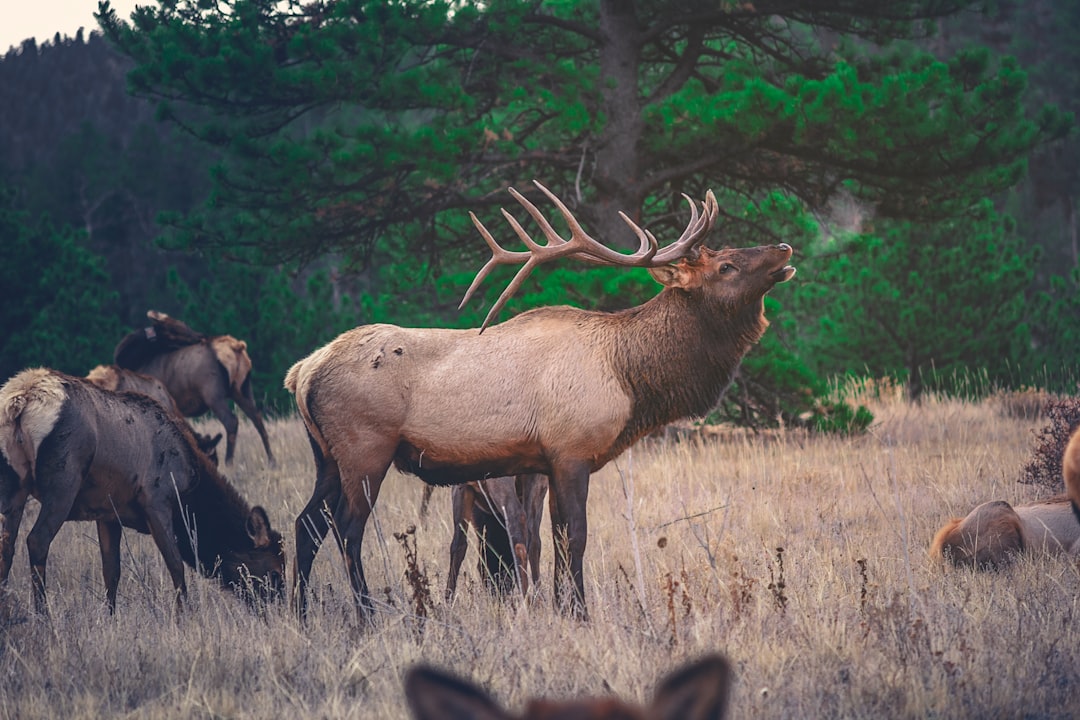
DIY Elk Hunting: A Complete Guide to Planning Your Own Hunt
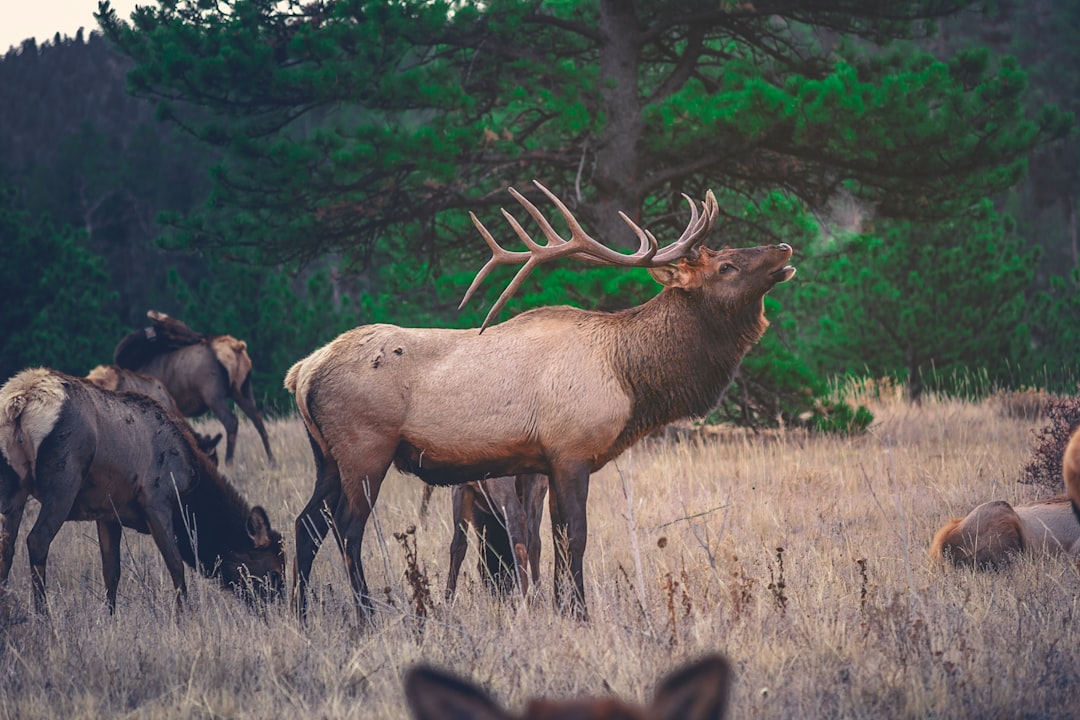
DIY elk hunting means planning and executing your own hunt on public land without hiring an outfitter or guide. You choose the unit, handle logistics, scout terrain, and hunt entirely on your own or with friends. It is the most affordable way to hunt elk in the West and gives you full control over when, where, and how you hunt.
The tradeoff is homework. You handle research, draw strategy, scouting, camp setup, meat care, and navigation. But thousands of hunters pull it off every year, and you can too if you plan ahead and stay realistic about what your first hunt will look like.
Why Hunt Elk DIY
Outfitted elk hunts cost $4,000 to $12,000 depending on the state and hunt quality. DIY hunts cost a fraction of that — often under $1,500 including tags, gas, food, and gear you already own. You keep all the meat, learn the unit for future hunts, and gain skills that transfer to other species and states.
DIY hunting also lets you hunt on your own schedule. You are not locked into a guide's season or rotation. If you draw a tag, you decide whether to hunt opening weekend, chase the rut, or wait for weather to push elk into lower country. That flexibility is huge if you are balancing work, family, or hunting multiple states in the same fall.
The learning curve is real. Your first DIY elk hunt will involve mistakes — wrong camp spot, busted stalks, underestimating distance or terrain. But those lessons make you a better hunter faster than paying someone else to handle the hard parts.
Picking a State and Unit
Start by deciding whether you want an over-the-counter tag or a limited-entry draw tag. OTC tags let you buy a license and hunt immediately without applying months in advance. Colorado offers OTC archery elk tags in dozens of units. Idaho sells OTC general-season tags for most of the state. Montana offers a general elk combination license that nonresidents can draw with one or two preference points.
OTC units see more pressure, but they let you hunt this year instead of waiting in a draw. If you have never hunted elk and want to learn terrain and calling, an OTC hunt is the fastest way to get boots on the ground.
Limited-entry units require applying through a state draw system months before the season. Draw odds vary wildly by state, unit, and weapon. Some tags take a decade of preference points. Others are random draws with 5 to 20 percent odds every year. TAGZ helps you compare draw odds across units and states so you can build a multi-year strategy instead of guessing.
Pick a unit based on your weapon, season preference, terrain comfort, and access. If you are hunting solo and hiking deep, look for units with trail access and established camps. If you have a truck and friends, roadless units with ATV trails may work. If you are older or hunting with kids, focus on units near roads with good glassing terrain.
Public land is your friend. National Forest, BLM, and state trust land are open to hunting in most Western states. TAGZ maps show unit boundaries, public land, terrain contours, and access points so you can scout digitally before you ever leave home.
Scouting Before the Hunt
E-scouting is mandatory for DIY elk hunters. Start by pulling up the unit on TAGZ or another mapping platform. Look for drainages, north-facing slopes, water sources, meadows, and transition zones between dark timber and open parks. Elk use these areas differently depending on season and pressure.
Early-season elk hang near water and feed in high meadows at dawn and dusk. Rut elk cruise between bedding and cow groups, often bugling in valleys or benches. Late-season elk migrate to lower elevations, especially after the first heavy snow.
Mark potential camp spots near trailheads or dispersed camping areas. Look for water access, relatively flat ground, and proximity to huntable terrain. If the unit allows ATV or UTV use, mark roads and trails. If it is wilderness or roadless, plan hikes and identify ridges where you can glass multiple drainages.
Call the local ranger district or BLM office and ask about current conditions, road access, and recent fire or logging activity. They can tell you which trailheads have the most traffic and which areas see fewer hunters. This is free intel that most DIY guys skip.
If you can visit the unit before season, do it. Drive roads, hike trails, check water sources, and look for sign. Even a quick scouting trip in August gives you huge advantage over showing up opening morning blind.
Gear and Logistics
DIY elk hunting does not require a $10,000 gear closet, but you need reliable basics. Focus on boots, optics, a good pack, shelter, and meat care.
Boots — Break them in before the hunt. Blisters kill hunts faster than bad weather. Choose insulated boots for late season, lighter hikers for early September.
Optics — A quality 10x42 binocular is the single most important piece of gear after your weapon. Spend money here. A spotting scope helps if you are glassing big basins, but binos are non-negotiable.
Pack — You need a frame pack that can haul 60 to 80 pounds of boned-out meat. Brands like Kifaru, Stone Glacier, and Mystery Ranch dominate the elk world, but budget options from ALPS and Badlands work fine if fitted correctly.
Shelter — A lightweight tent or tarp system keeps you dry and extends your range. If you are truck camping, a wall tent with a stove is luxury but not required.
Meat care — Game bags, a sharp knife, and a bone saw are mandatory. Bring enough bags to quarter an entire elk. Pack paracord for hanging meat. If temperatures are warm, plan to bone out and cool meat immediately.
Navigation — Download offline maps on your phone using OnX, GAIA, or the TAGZ app. Bring a backup compass and paper map. Cell service is nonexistent in most elk country.
Clothing — Layer merino or synthetic base layers, insulation, and a rain shell. Temps swing 40 degrees between morning and midday in September. Pack more than you think you need.
Plan food for extra days. Freeze-dried meals, bars, jerky, and instant coffee keep you fueled without refrigeration. Bring a water filter or purification tablets.
Calling and Rut Strategies
The elk rut peaks in mid to late September in most Western states. Bulls bugle to locate cows and challenge rivals. Cow calling brings bulls in close if done right. But calling is not magic — it works best in units with good bull-to-cow ratios and moderate pressure.
Start by locating elk. Bugle or cow call at first light from a high point. Listen for responses. Elk sound closer than they are in broken terrain, so give yourself time to close distance before calling again.
Once you locate a bull, decide whether to call him in or cut him off. If he is moving toward cows, set up ahead of his path and cow call softly. If he is stationary and bugling, answer with a challenge bugle or estrus cow call to pull him your direction.
Do not overcall. Elk hear real cows all day. If a bull hangs up at 200 yards and will not commit, go silent and wait. He may circle downwind or lose interest and leave, but overcalling pushes more bulls away than it brings in.
Wind is everything. Elk smell better than they see. Always set up with wind in your face or quartering away from where you expect the bull to approach. If wind swirls in timber, reposition or wait for evening when thermals drop predictably downhill.
Where to Set Up and When to Move
Elk are crepuscular — most active at dawn and dusk. Plan to be glassing or calling from a high point 30 minutes before sunrise. If you are in dark timber, move slowly and stop every 100 yards to listen and cow call softly.
Glass meadows, parks, and clearcuts thoroughly. Elk blend into shadows and timber edges. Look for horizontal lines, antler tines, or the flick of an ear. A bull standing still in timber at 400 yards is nearly invisible until he moves.
If you are not seeing or hearing elk by mid-morning, move to a different drainage or elevation. Elk pushed by other hunters often relocate to the next ridge or basin. Do not waste a full day in dead country hoping elk appear.
Pressure affects elk behavior fast. If opening weekend sees heavy traffic, elk go nocturnal or move into nasty blowdown and north-facing timber where most hunters will not follow. Be willing to hike farther, hunt steeper terrain, or sit water in the heat of the day when other guys are back at camp.
After the Shot
Field dressing an elk solo is hard work but doable. Bone out the meat instead of dragging or quartering with bone in — you will save 100 pounds and multiple trips. Separate front shoulders, backstraps, tenderloins, neck meat, and rear quarters. Bag everything in game bags and hang meat in shade if possible.
Cool meat as fast as you can. If temps are above 50 degrees during the day, get meat off the carcass, into bags, and shaded or packed out immediately. Spoilage happens faster than you think, especially on gut-shot animals or if you are still learning how to process cleanly.
If you are miles from the truck, plan multiple trips or call friends for help. A boned-out bull elk yields 200 to 300 pounds of meat. Most guys can pack 60 to 80 pounds per trip in a good frame pack. That is three or four round trips minimum. Start early and pace yourself.
Tag your animal immediately. Take photos. Mark the kill site on GPS so you can find it again if you are making multiple trips. Do not leave meat overnight if bears or lions are in the area.
Common Mistakes and How to Avoid Them
Most first-time DIY elk hunters camp too close to roads and hunt too close to trailheads. Elk learn pressure patterns fast. If you are hunting within a mile of a major trailhead on opening weekend, you are competing with 20 other guys. Push farther or hunt midweek when traffic drops.
Another mistake is hunting all day without glassing enough. Elk move at dawn and dusk, but they also feed and water midday in remote areas. If you are hiking fast and covering ground, you are probably walking past elk. Slow down. Glass more. Move less.
Do not underestimate elevation and terrain. If you live at sea level and plan to hunt at 9,000 feet, arrive two or three days early to acclimate. Altitude sickness kills hunts and can put you in the hospital. Drink water, sleep, and ease into hiking before opening day.
Packing too much gear is common. You do not need a full kitchen or a cooler full of beer. Keep base camp simple and mobile. If elk are three ridges over, you want the option to relocate without breaking down a week-long camp.
Building a Multi-Year Strategy
Most successful DIY elk hunters do not succeed on their first hunt. They learn units, test gear, practice calling, and build preference points for better tags down the road. Treat your first hunt as a scouting trip with a tag in your pocket. If you kill an elk, great. If not, you still gained experience that makes the next hunt easier.
Apply in multiple states to maximize your odds of drawing or hunting each year. Colorado OTC units let you hunt every fall while you build points in Montana, Wyoming, or Nevada for a better tag later. TAGZ tracks your points across states and shows you which units match your point total so you are not guessing when to cash in.
Keep notes on what worked and what did not. Mark waypoints for good glassing spots, water sources, elk sign, and camp locations. Those notes turn into a personal database that gives you home-field advantage every time you return.
Planning Your First DIY Elk Hunt
Start planning six to twelve months before the season. Apply for tags in January through March depending on the state. Research units in winter when you have time to compare draw odds, terrain, and access. Buy or borrow gear in spring so you can test it before the hunt.
Book time off work early. Elk seasons run mid-August through November depending on state and weapon. Plan at least five days in the field — seven to ten is better. You need time to scout, adjust, and recover from mistakes.
Find a hunting partner if possible. Solo hunts are doable but much harder. A partner helps with packing meat, spotting elk, and staying motivated when conditions get rough. If you are hunting solo, tell someone your plan and check in daily.
Physical fitness matters. Start hiking with a weighted pack three months before the hunt. Build leg strength and cardio so you can hike steep terrain all day without gassing out. Elk country is steep, loose, and exhausting. The better shape you are in, the farther you can hunt and the more country you can cover.
FAQ — DIY Elk Hunting
How much does a DIY elk hunt cost?
Most DIY elk hunts cost $800 to $1,500 including tags, gas, food, and camping fees. Nonresident tags range from $600 to $1,200 depending on the state. Gear is a one-time investment if you buy quality pieces that last multiple seasons.
Can a first-time elk hunter do a DIY hunt?
Yes. Start with an OTC unit in Colorado or Idaho, hunt with an experienced partner if possible, and focus on learning terrain and elk behavior. Lower your expectations for success and treat the first hunt as a scouting trip. Most DIY elk hunters do not kill on their first attempt.
What is the best state for DIY elk hunting?
Colorado offers the most opportunity with OTC archery tags and good public land access. Idaho has vast wilderness and general-season tags. Montana combination licenses draw easily for nonresidents and unlock general elk units. Each state has tradeoffs between tag availability, draw odds, and hunting pressure.
Do you need horses for DIY elk hunting?
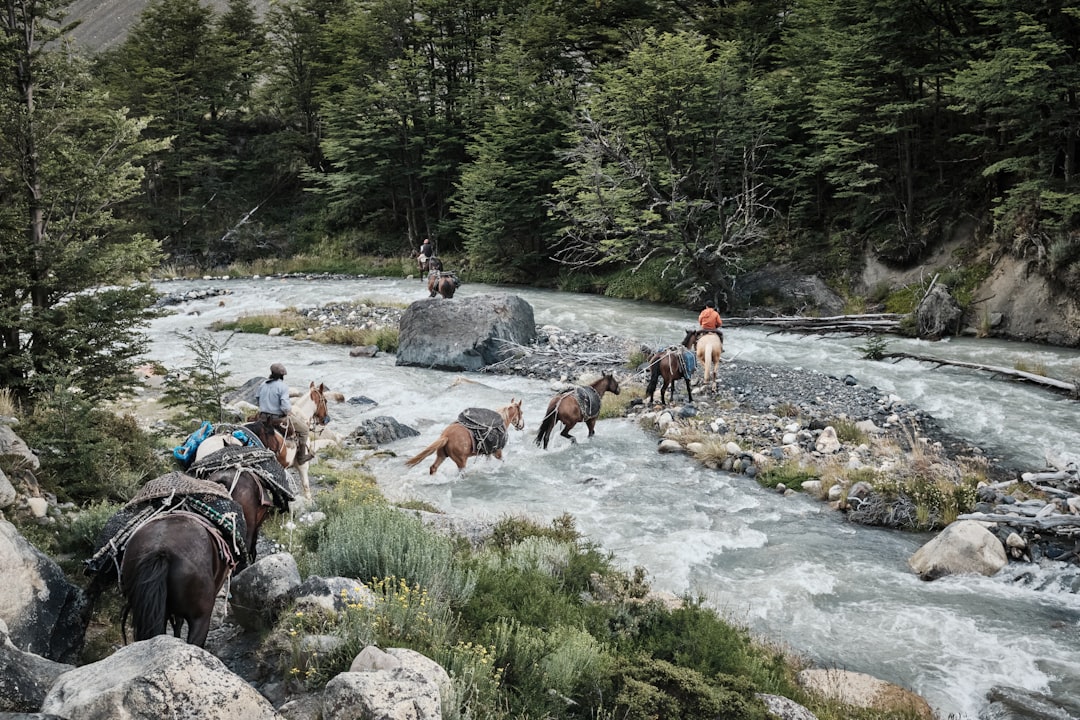
No. Most DIY hunters backpack, truck camp, or use ATVs where legal. Horses help in wilderness units or for packing meat long distances, but they add cost and logistics. Thousands of elk are killed every year by hunters on foot.
How far should you hike from the trailhead?
Elk can be anywhere, but hunting pressure concentrates near roads and trailheads. Plan to hike at least two miles from major access points. In heavily hunted OTC units, three to five miles separates you from most of the crowd.
Is DIY elk hunting harder than hunting with an outfitter?
Yes. You handle all planning, logistics, scouting, and meat care. Success rates are lower on DIY hunts because you are learning as you go. But the cost savings, skill development, and satisfaction of doing it yourself are worth the tradeoff for most hunters.
Continue Planning Your Hunt
DIY elk hunting rewards preparation and persistence. The more time you invest in research, physical fitness, and understanding elk behavior, the better your odds of success. Whether you are chasing an OTC tag this fall or building points for a trophy unit, every hunt teaches you something that makes the next one easier.
TAGZ helps you compare units side by side using terrain maps, unit boundaries, and historical draw data. Track your preference points and bonus points across multiple states so you never miss a draw deadline. Whether you are chasing OTC tags or planning a trophy limited-entry hunt, TAGZ gives you the tools to make smarter decisions before you ever step into the field.
Explore the TAGZ Insights blog for more hunt planning strategies, unit breakdowns, and draw updates. Ready to start planning your next hunt? Check out the TAGZ platform to compare units, track points, and build your Western hunting strategy. If you are weighing options across multiple states, visit our pricing page to see how TAGZ helps you maximize draw opportunities and hunt smarter every season.
Was this article helpful?
Previous
Backcountry Elk Hunting: Strategy, Gear, and How to Plan Solo Hunts
Backcountry elk hunting demands physical fitness, strategic scouting, and self-reliance. Learn how to select hunt units, pack light, call effectively in remote basins, and use TAGZ to identify less-pressured terrain before you apply.
Next
Best Elk Hunting States and Units for 2027: Where to Focus Your Applications
Planning your 2027 elk hunt starts now. This guide breaks down the top states and units offering the best balance of elk populations, draw odds, public access, and trophy potential for hunters at every experience level.