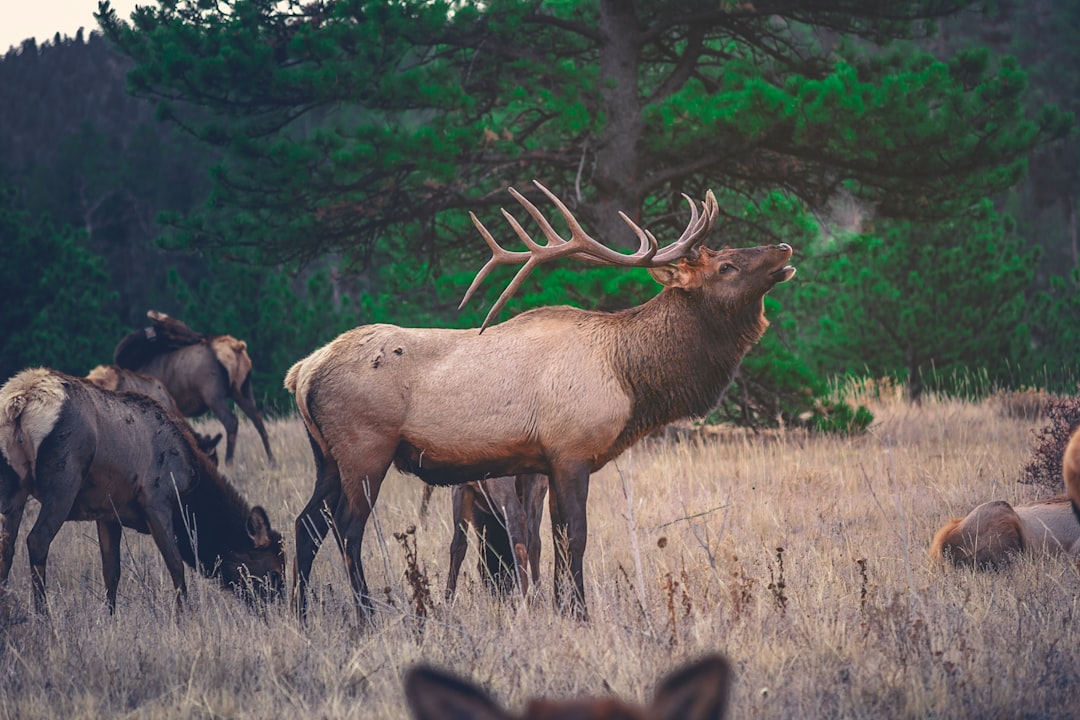
Backcountry Elk Hunting: Strategy, Gear, and How to Plan Solo Hunts
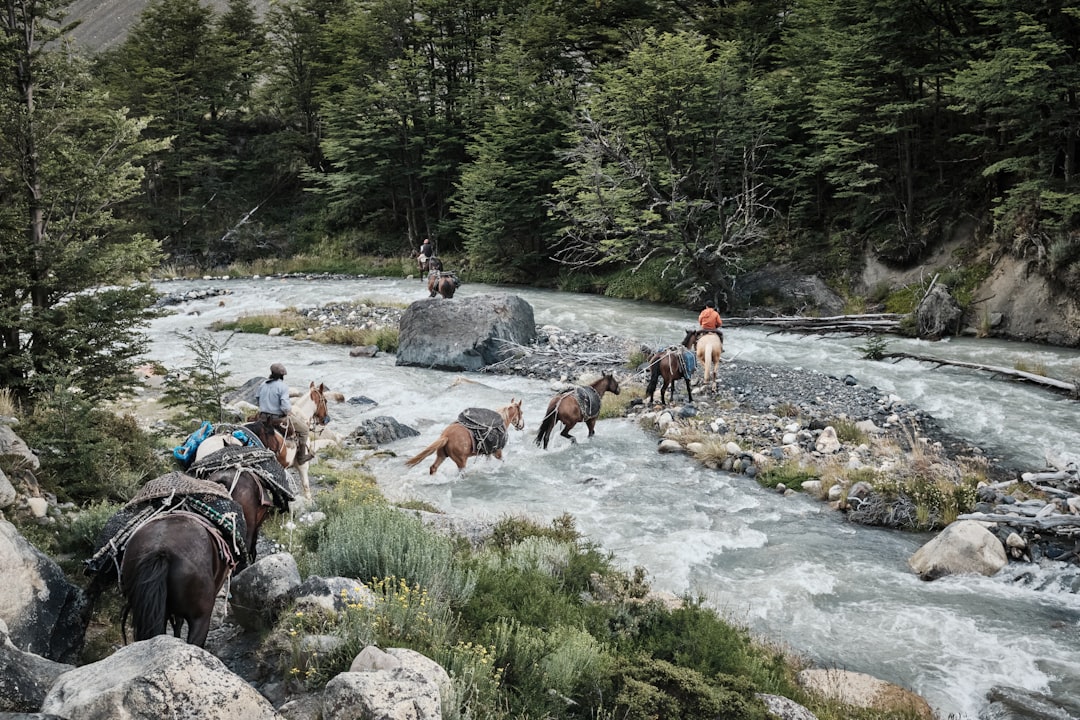
Backcountry elk hunting separates casual hunters from those willing to earn their success miles from the nearest trailhead. You trade convenience for solitude, and if you prepare correctly, you gain access to bulls that rarely see human pressure. This guide walks through unit selection, physical preparation, essential gear, calling tactics in remote basins, and how TAGZ simplifies planning multi-day hunts in wilderness settings.
Why backcountry elk hunting works
Elk move to roadless country when rifle seasons open and hunting pressure builds near access points. The first ridge beyond where most hunters stop often holds undisturbed herds. Backcountry hunting is not about covering maximum miles—it is about positioning yourself where elk feel safe during daylight hours. That requires studying terrain, understanding elk behavior during different phases of the rut, and committing to multi-day trips when weather and conditions align.
Tagging out in the backcountry demands self-reliance. You cannot drive back to camp if weather turns or you miscalculate water sources. Success comes from methodical preparation: knowing your unit's drainages, anticipating where elk bed during midday heat, and packing only what you need to stay effective for five to seven days.
Selecting units with huntable backcountry terrain
Not every elk unit offers quality backcountry opportunity. Some wilderness areas hold low elk density or lack feed at higher elevations. Others require 15-mile approaches just to reach huntable basins. The best backcountry units combine reasonable access (trailheads within three to six miles of prime habitat), abundant water, and terrain features that concentrate elk during your season dates.
TAGZ helps you compare units side by side using terrain maps and unit boundaries. Filter for archery or rifle seasons, then study elevation profiles to identify drainages with north-facing timber, alpine meadows, and nearby water. Historical draw data shows which units require fewer preference points, letting you target less-pressured country while building points for premium areas. Track your bonus points and preference points across multiple states so you can apply strategically—OTC Colorado units for immediate hunts, limited-entry Montana or Wyoming units when your points align.
Look for units where the majority of terrain sits above 9,000 feet and roadless areas exceed 50,000 acres. Cross-reference public land information within TAGZ to confirm you can camp and hunt without crossing private inholdings. Units with restricted motorized access or designated wilderness boundaries often hold elk through late September and October because pressure remains light even during rifle seasons.
Physical conditioning and altitude preparation
Backcountry elk hunting at 10,000 feet with a 50-pound pack is not a fitness test you can cram for in August. Start aerobic training four to six months before your hunt. Hike with a weighted pack on steep terrain twice per week, gradually increasing pack weight and vertical gain. Include leg strength work—squats, lunges, step-ups—and core exercises to stabilize your load on uneven ground.
Altitude affects everyone differently, but you can minimize impact by arriving at elevation three to five days before opening morning. Spend those days scouting rather than sitting in camp. Hydrate aggressively—double your normal water intake—and avoid alcohol. Acute mountain sickness symptoms (headache, nausea, dizziness) mean you need to descend and acclimate more gradually. Pushing through severe symptoms risks pulmonary or cerebral edema, which can be life-threatening.
Test your conditioning with a loaded pack hike in similar terrain at least one month before your hunt. If you cannot comfortably cover six miles with 3,000 feet of gain while carrying your full kit, scale back your hunt plan or extend your conditioning timeline. Backcountry hunting rewards the prepared and punishes those who overestimate their fitness.
Lightweight gear without compromising safety
Packing light does not mean packing reckless. Every item should serve multiple purposes or be non-negotiable for survival. Your base weight—everything except food, water, and fuel—should stay under 35 pounds for a five-day hunt. That includes shelter, sleep system, clothing, navigation, first aid, game bags, and weapon.
Shelter and sleep system account for the largest weight. A lightweight two-person tent (sub-three pounds) or a tarp shelter (under two pounds) keeps you dry without the bulk of a traditional four-season tent. Pair it with a 20-degree quilt or mummy bag rated for the lowest nighttime temps you expect. A three-quarter-length insulated pad saves weight while keeping your torso warm—stuff your empty pack under your legs for insulation.
Clothing layers matter more than redundancy. One synthetic base layer, one insulating puffy jacket, one rain shell, and one pair of durable pants cover 90 percent of backcountry weather. Merino wool socks and a warm beanie handle temperature swings. Skip cotton entirely—it loses insulating value when wet and takes too long to dry.
Navigation redundancy is non-negotiable. Carry a GPS unit with downloaded unit boundaries and a paper topo map as backup. TAGZ provides unit maps you can screenshot or print before leaving cell service. Mark water sources, potential camp locations, and ridgelines where you plan to glass. A compass and the ability to use it with your map ensures you can navigate if electronics fail.
Game bags, paracord, and a lightweight pack frame for meat hauling are essential. Plan for two trips if you kill a bull five miles in—one load of meat and cape, a second load for the rest plus your camp. A quality headlamp with extra batteries lets you hike out after dark when necessary.
Calling tactics in remote basins
Elk in roadless country respond differently to calls than pressured bulls near trailheads. They have not been educated by poor calling or overcalling, so aggressive sequences often work. Early September archery hunters can capitalize on rutting bulls that bugle freely and respond to cow calls without hesitation. Late September and October rifle hunters face post-rut or second-rut dynamics where bulls are warier but still vocal in the right conditions.
Start each morning with locator bugles from high vantage points at first light. Listen for responses, then plan your approach based on terrain and wind. If a bull answers from a basin below, descend to within 200 yards and set up in thick timber near a transition zone between bedding and feeding areas. Use soft cow calls and mews to draw him in rather than aggressive bugles that might make him hang up.
Midday calling works in the backcountry because elk are not pushed by other hunters. Set up near water sources or wallows between 10 a.m. and 2 p.m. and call sparingly. A lone cow call every 20 minutes can pull a bull out of his bed if he is within earshot. Silence between calling sequences is critical—let the elk commit rather than overcalling and spooking him.
If you locate a herd, resist the urge to rush your setup. Elk in wilderness settings are not spooked by distant human scent or occasional noise, but they will vanish if you push too hard. Use terrain to close distance, call from positions where the bull has to expose himself to reach you, and trust your setup. Patience wins more often than aggression in backcountry basins.
Water sources and camp location strategy
Water dictates where you can camp and how far you can range each day. Most backcountry elk units have reliable streams or springs, but late-season or drought years can reduce water availability. Before your hunt, study TAGZ terrain maps to locate perennial drainages and compare them against recent trail reports or forest service data.
Camp near water but not directly on it—elk use the same drainages, and camping at a spring or creek spooks them from their preferred routes. Set up 200 to 300 yards uphill or downslope from water in thick timber where your scent disperses away from primary elk travel corridors. This positions you to hunt mornings and evenings without bumping animals through camp.
If water is scarce, carry a lightweight filter and plan to cache water at high camps. Two liters covers cooking and hydration for a stationary evening, and you can refill at dawn before moving. Avoid relying on snowmelt unless you have confirmed its availability—early fall heat can eliminate patches you counted on from summer scouting.
How TAGZ helps you plan remote hunts before you apply
Backcountry hunts require more research than road-accessible hunts, and TAGZ consolidates the information you need to apply strategically. Compare units using terrain breakdowns, public land overlays, and draw odds filtered by weapon and season. Track preference points and bonus points across Colorado, Montana, Wyoming, and other western states so you know which units you can draw this year versus which require more points.
Unit boundaries within TAGZ show exactly where you can hunt without guessing at forest service maps. Layer those boundaries over satellite imagery to identify trailheads, roadless areas, and terrain features that concentrate elk. Historical draw data reveals which backcountry units have been overlooked—sometimes a unit with 40 percent draw odds offers better hunting than a premium unit with five percent odds and higher pressure.
TAGZ tracks draw deadlines so you never miss an application window. Plan multi-state strategies where you apply for a limited-entry backcountry tag in one state and secure an OTC backup in another. Whether you are chasing archery bulls in Colorado wilderness or rifle hunting Montana's Bob Marshall, TAGZ gives you the tools to make smarter decisions before you ever step into the field.
Post-shot game recovery in roadless country
Killing an elk five miles from the trailhead is only half the work. Recovery and packout require planning, physical endurance, and often help from a hunting partner. Before you shoot, know the terrain between your position and the nearest practical exit route. Identify obstacles—cliffs, thick blowdown, creek crossings—that will slow meat transport.
After a lethal shot, give the elk time to expire rather than pushing him deeper into rough country. Thirty to 60 minutes for a good double-lung hit, longer for marginal shots. Mark your location with GPS, approach quietly, and confirm the elk is dead before field dressing. Work efficiently to quarter and bag meat before scavengers arrive or temperatures rise.
Bone out all four quarters, separate backstraps and tenderloins, and pack the cape if you are keeping it for a mount. Use game bags to protect meat from dirt and flies, and hang quarters in shade if you need to make multiple trips. Plan for two to four loads depending on distance and your physical condition. A bull elk yields 250 to 350 pounds of meat and bone—expect 70 to 90 pounds per load with camp gear.
If you are solo, cache meat in a shaded, elevated location and pack out the heaviest loads first. Return trips are faster without camp weight. If you have a partner, one hunter can stay with the meat while the other retrieves additional packs or arranges a pack-out crew. Some outfitters offer pack-out-only services in wilderness areas—arrange this before your hunt if you anticipate needing help.
Weather and emergency preparedness
Backcountry conditions change fast, and September or October storms can dump snow and drop temperatures 40 degrees in hours. Pack an emergency bivy or space blanket in addition to your shelter. Carry a first-aid kit with blister treatment, pain relievers, and supplies for treating cuts or sprains. A satellite communicator (inReach or SPOT) allows two-way messaging and SOS activation if you are injured or weather becomes life-threatening.
Monitor weather forecasts before you hike in, but assume conditions will worsen. If a front moves through, elk often feed aggressively just before and immediately after the storm—position yourself accordingly rather than hunkering in camp. Wet or snowy conditions make calling more effective because sound carries farther and elk move more during daylight.
Know your exit routes. If weather deteriorates beyond what your gear can handle, descend to lower elevation or return to the trailhead rather than toughing it out. Hypothermia and frostbite are real risks above treeline in October. A successful hunt is not worth a life-threatening situation caused by ego or poor judgment.
Scouting from a distance using digital tools
You cannot scout every unit in person before applying, but digital tools narrow your options before you invest points or buy licenses. TAGZ terrain maps show elevation profiles, aspect, and vegetation density—critical factors for identifying elk habitat. Cross-reference those maps with onX or Google Earth to locate wallows, benches, and transition zones between timber and meadows.
Look for drainages with multiple fingers that provide bedding security and adjacent feed. North-facing slopes hold moisture and thicker vegetation, attracting elk during warm early-season days. South-facing slopes green up earlier in spring and hold feed later into fall. Units with a mix of both aspects offer elk options as temperatures and hunting pressure fluctuate.
Join state-specific hunting forums or Facebook groups and ask about trail conditions, water availability, and recent elk activity in units you are considering. Hunters who have been there recently provide information TAGZ data or satellite imagery cannot—recent wildfires, trail washouts, or wolf pack presence. Combine digital scouting with firsthand reports to refine your shortlist, then commit to one or two units where you will focus your effort.
FAQ — Backcountry Elk Hunting
How far into the backcountry do I need to go to avoid pressure?
Most hunting pressure stops within two miles of trailheads. Hiking three to six miles into roadless terrain typically puts you beyond 90 percent of other hunters, especially if you camp midweek rather than on weekends.
What is the best season for backcountry elk hunting?
Early September archery season offers the best combination of rutting activity and fewer hunters. Late September and early October rifle seasons can be productive after pressure pushes elk into wilderness, but weather is less predictable.
Can I hunt backcountry elk solo safely?
Yes, but you need a satellite communicator, solid navigation skills, and conservative decision-making. Let someone know your itinerary and check-in schedule. Solo hunters should avoid risky terrain and be prepared for self-rescue.
How much does a backcountry elk hunt cost?
OTC Colorado archery tags cost around $700 for nonresidents. Add $300 to $800 for lightweight gear upgrades, $200 for travel and gas, and $100 for food and supplies. A self-guided backcountry hunt runs $1,200 to $2,000 total for nonresidents.
What physical fitness level is required?
You should be able to hike six to eight miles per day with a 50-pound pack while gaining 2,000 to 3,000 feet of elevation. If you cannot do that comfortably, scale back your hunt plan or extend your conditioning timeline.
How does TAGZ help me plan a backcountry hunt?
TAGZ helps you compare units side by side using terrain maps, unit boundaries, and historical draw data. Track your preference points and bonus points across multiple states so you never miss a draw deadline. Whether you are chasing OTC tags or planning a trophy limited-entry hunt, TAGZ gives you the tools to make smarter decisions before you ever step into the field.
Continue planning your hunt
Backcountry elk hunting rewards preparation and self-reliance. If you are ready to trade convenience for solitude and access bulls that rarely see pressure, start by identifying units with huntable terrain and manageable draw odds. TAGZ helps you filter hunt options by weapon, season, and species, then compare draw odds and preference point requirements across western states. Track deadlines, study unit maps, and build a multi-state application strategy that maximizes your chances of drawing tags in less-pressured backcountry units.
Explore more hunt planning resources and elk hunting strategies on the TAGZ Insights page. Compare draw odds, review unit breakdowns, and read tactical breakdowns for archery and rifle seasons. Ready to simplify your applications and access the data you need to hunt smarter? Check out TAGZ pricing and see how the platform helps you track points, compare units, and plan western hunts from application season through the packout. Start planning your next backcountry elk hunt at getmytagz.com.
Was this article helpful?
Previous
Rocky Mountain Elk Hunting: Complete Guide to Planning Your Hunt
Rocky Mountain elk hunting combines challenging terrain, strategic planning, and proven tactics. This guide covers draw strategies, unit selection, hunting techniques, and how to maximize success across the Rockies.
Next
DIY Elk Hunting: A Complete Guide to Planning Your Own Hunt
DIY elk hunting lets you hunt public land on your budget without hiring an outfitter. Learn how to pick units, scout terrain, plan logistics, and execute a successful self-guided elk hunt in the West.