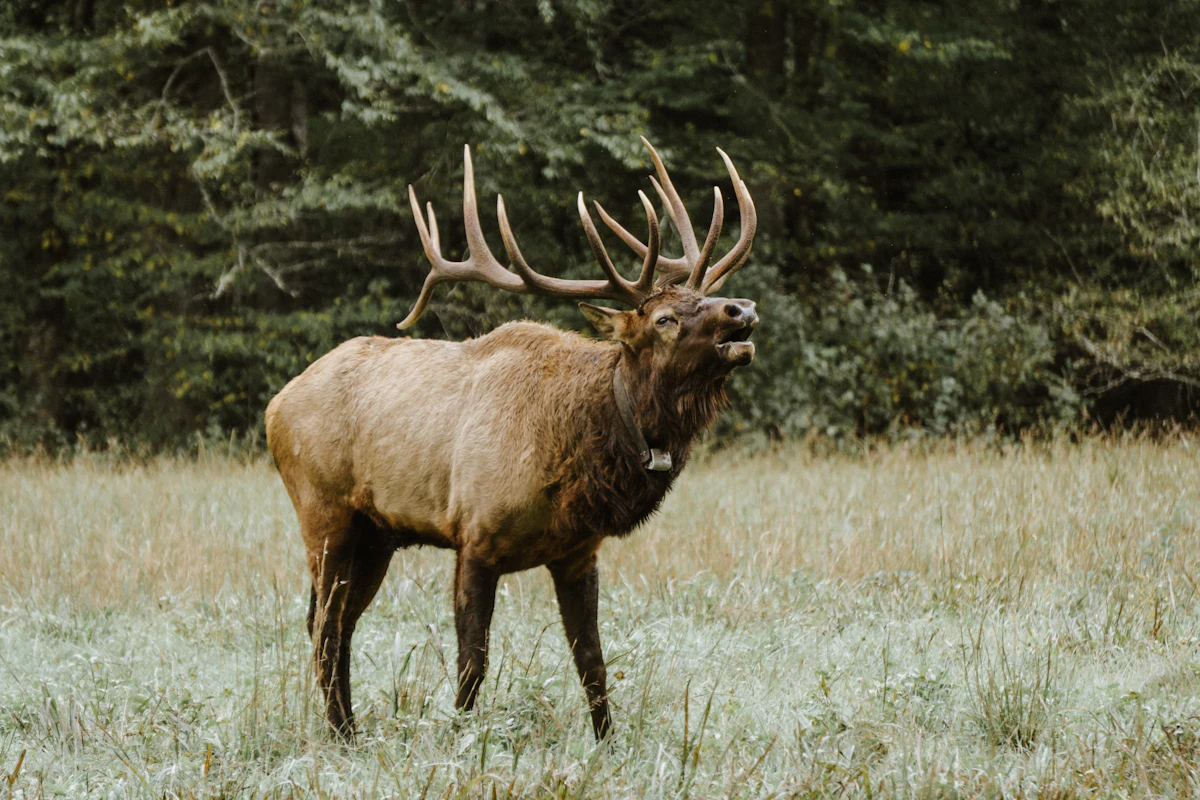
Best States for Hunting Roosevelt Elk: Where to Chase the Biggest Bulls
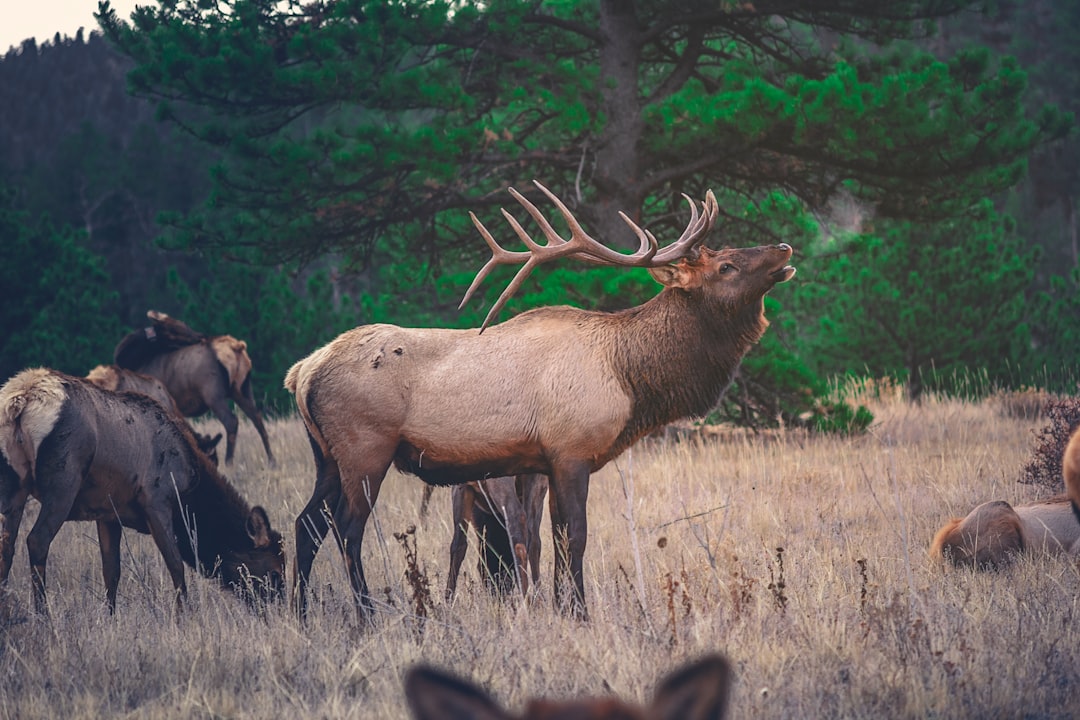
Roosevelt elk are the largest subspecies of elk in North America, with mature bulls regularly exceeding 900 pounds and carrying heavy, shorter-tined antlers built for the dense coastal rainforests they call home. If you want to hunt one, your options are limited to three states along the Pacific Coast: Oregon, Washington, and California. Each state offers a different path to a Roosevelt tag, and understanding the trade-offs between draw odds, tag availability, and hunt quality is essential before you commit points or application fees.
Oregon: The Gold Standard for Roosevelt Elk Hunting
Oregon holds the largest population of Roosevelt elk in the Lower 48, with an estimated 60,000 animals spread across the Coast Range and western Cascades. This abundance translates into more tags and more opportunity than any other state.
For residents, Oregon offers both controlled hunts (drawn tags) and general season archery and rifle opportunities in many western units. Nonresidents face a tougher road. Oregon uses a preference point system for elk, and the best Roosevelt units — like the Tioga, Trask, and Saddle Mountain — can take 10 to 20 or more points to draw for a rifle bull tag.
However, Oregon also has a first choice where a percentage of tags go to applicants regardless of points. This means a new applicant can occasionally draw a premium unit with zero points, though the odds are slim. Archery hunters have better draw odds across the board, and some western units are available with minimal wait times.
For those willing to hunt hard in steep, thick timber, Oregon delivers. Public land access is excellent through BLM, state forests, and the Siuslaw National Forest.
Washington: Tough Draws but Quality Hunts
Washington's Roosevelt elk population is smaller than Oregon's, concentrated in the Olympic Peninsula, Willapa Hills, and the southwest corner of the state. The limited population means fewer tags, and competition is fierce.
Washington does not use a true preference point system — instead, it runs a weighted lottery where applicants gain small incremental advantages over time, but there's no guarantee of eventually drawing. This system frustrates hunters who want a predictable timeline, but it does give first-time applicants a puncher's chance every year.
The best Roosevelt hunting in Washington happens on and around the Olympic National Forest and state-managed lands in GMUs like 501, 506, and 520. These units hold big bulls, but the terrain is brutal — think alder chokes, devil's club, and near-constant rain during the September and October seasons.
Nonresidents should also note that Washington charges a significant application fee and requires a hunting license purchase just to enter the draw. Factor these costs into yourHow Washington's Bonus Point System Works | Complete Hunting Draw Guide | TAGZ Insights before committing.
California: An Overlooked Sleeper
California might not be the first state that comes to mind for elk hunting, but its Roosevelt population in the northwest corner — primarily in Del Norte and Humboldt counties — offers a legitimate opportunity.
The state issues a very limited number of Roosevelt bull tags each year, typically fewer than 50. Draw odds are long, often requiring 15 or more preference points for a rifle tag. However, California's point system is straightforward, and the state's relatively low number of applicants compared to Oregon means your points accumulate without as much competition.
California's Roosevelt units are small and tightly managed, which keeps bull quality high. Mature bulls in the 300 to 340 class are regularly taken. The trade-off is access — much of the best habitat is on private timber company land, and securing permission or finding huntable public parcels requires serious scouting.
If you're alreadyHow California's Big Game Draw Works | Complete Hunting Draw Guide | TAGZ Insights for deer or other species, adding Roosevelt elk to your portfolio makes sense as a long-term investment.
Comparing the Three States: What Matters Most
Choosing where to apply depends on your priorities. Here's how the three states stack up:
- Tag availability: Oregon offers the most tags by a wide margin. Washington and California are limited-entry only with far fewer permits.
- Draw odds: Oregon's archery hunts and lower-demand rifle units offer the best odds. California and Washington require long-term point commitments for premium tags.
- Hunt quality: All three states produce mature bulls. California's tight management arguably produces the highest average bull quality, but Oregon's sheer volume means more giants hit the ground each year.
- Public land access: Oregon leads with extensive BLM and state forest land. Washington's Olympic region has good access but brutal terrain. California's best areas are heavily private.
- Nonresident friendliness: Oregon is the most accessible for out-of-state hunters. Washington's costs and weighted lottery are barriers. California's long point creep tests patience.
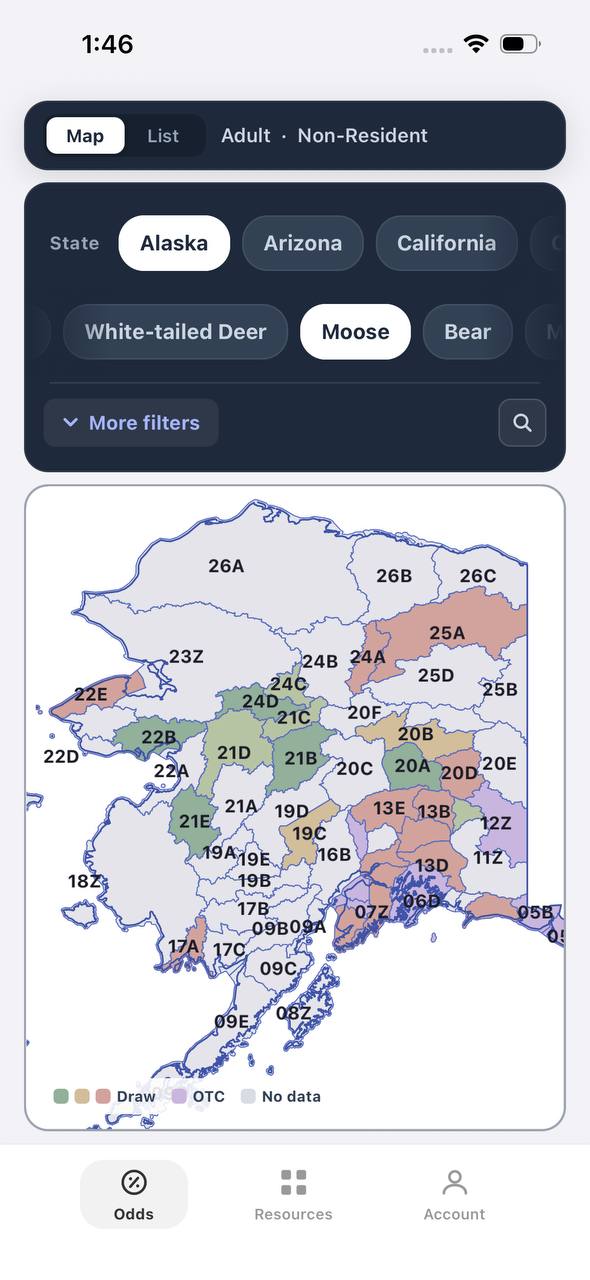
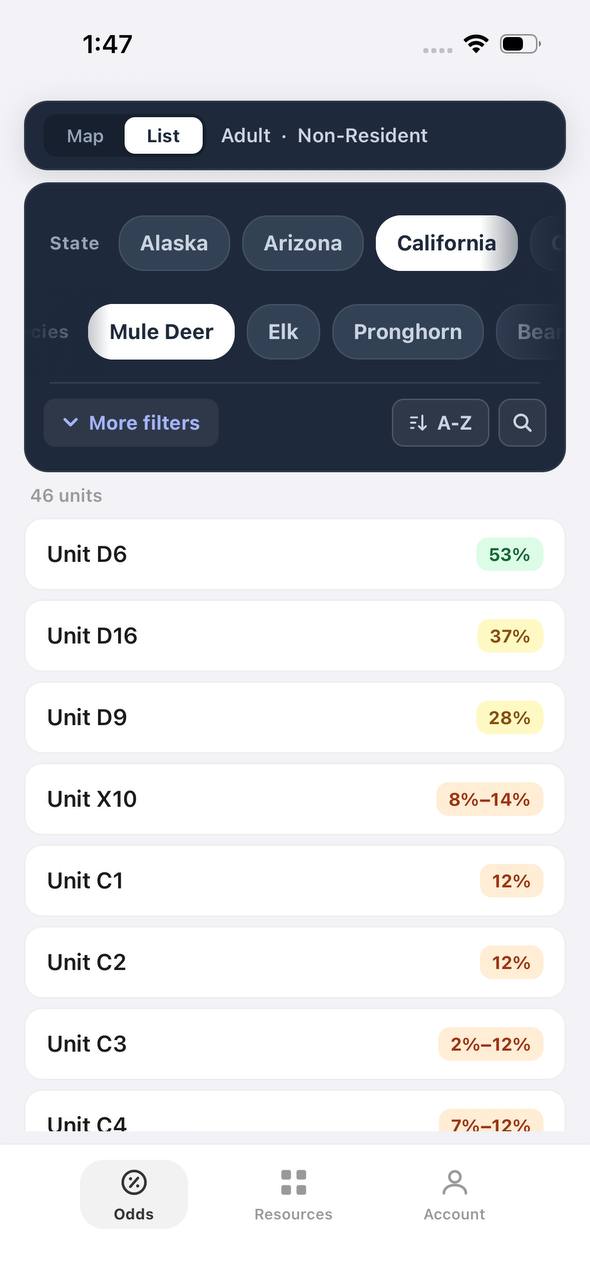
Free to join
Download mobile app
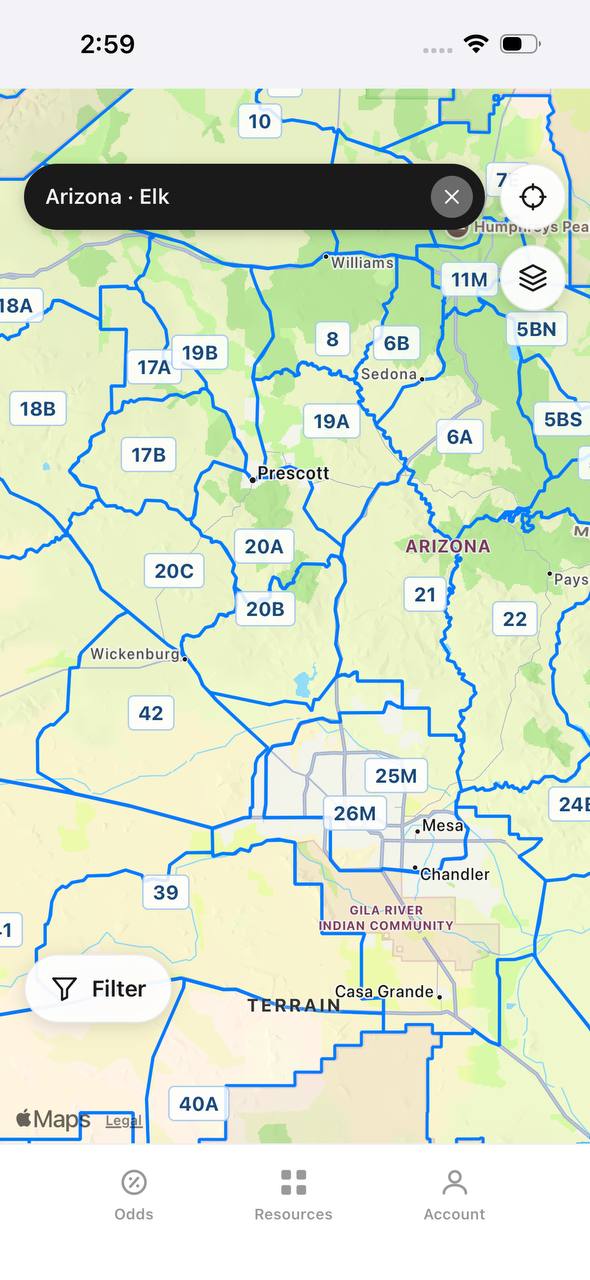
- Detailed draw odds
- Point tracking
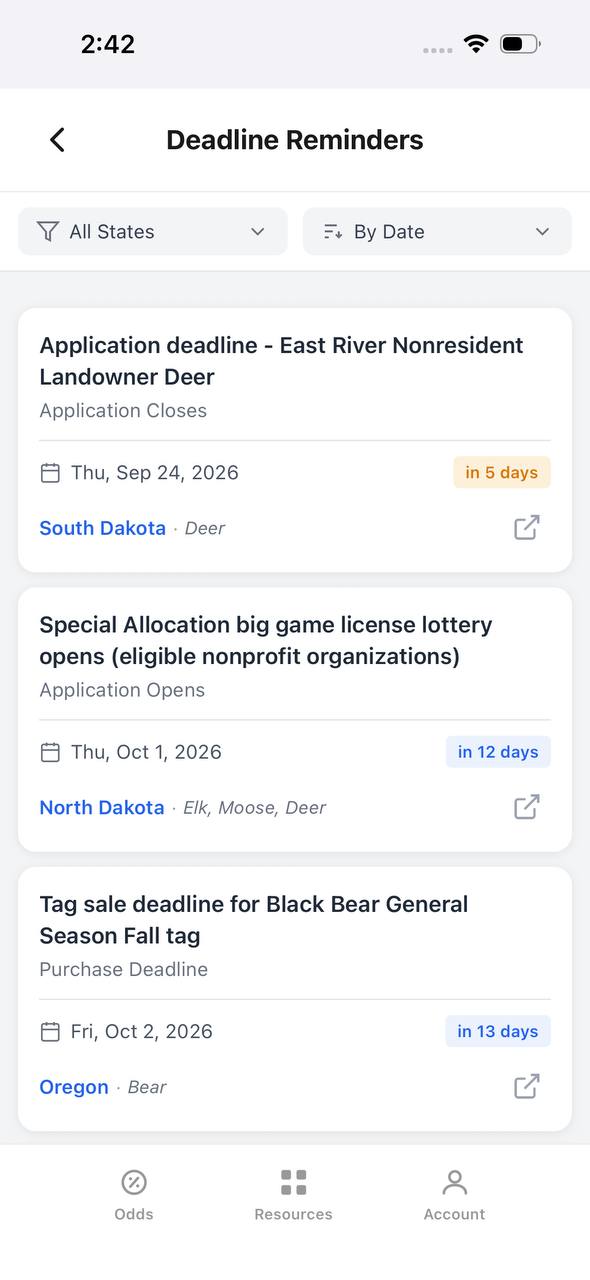
- Deadline reminders
- 18 states covered

Free to join
Download mobile app
- Detailed draw odds
- Point tracking
- Deadline reminders
- 18 states covered
Free to join
Download mobile app
- Detailed draw odds
- Point tracking
- Deadline reminders
- 18 states covered
Hunting Strategies for Roosevelt Elk
Regardless of which state you hunt, Roosevelt elk demand a specific approach. These are not open-country animals — they live in some of the densest, wettest terrain on the continent.
Calling and ambush tactics during the rut are effective, especially in September archery seasons when bulls are vocal. Expect close encounters measured in yards, not hundreds of yards. Rifle hunters often still-hunt logging roads at dawn and dusk or set up on clearcuts where elk feed.
Physical conditioning matters. You'll be climbing through blowdowns, crossing creeks, and pushing through vegetation that soaks you to the bone. Lightweight rain gear and waterproof boots are non-negotiable.
For a deeper look at how to evaluate unit-specific data before you apply, check out our guide on Product Preview | TAGZ
Is a Roosevelt Elk Hunt Worth the Wait?
Roosevelt elk hunting isn't for everyone. The terrain is punishing, the weather is miserable, and the draw odds in most premium units require years of commitment. But for hunters who want to pursue the biggest-bodied elk in North America in truly wild, primal country, there's nothing else like it.
Oregon offers the most accessible path, especially for archery hunters or those willing to hunt less popular units. Washington and California reward patience with high-quality, low-pressure hunts that feel like genuine adventures.
Start building your application plan now. Use TAGZ to compare draw odds across units and states, track your points, and identify the best opportunities for your timeline and goals.
FAQ — Roosevelt Elk Hunting
What is the difference between Roosevelt elk and Rocky Mountain elk?
Roosevelt elk are larger-bodied with darker coloration and shorter, heavier antlers adapted to dense forest environments. They live exclusively along the Pacific Coast, while Rocky Mountain elk inhabit interior Western states.
Can you hunt Roosevelt elk over the counter?
Oregon offers some general season archery and rifle opportunities in western units that don't require a controlled hunt draw. Washington and California are limited-entry only.
How many points does it take to draw a Roosevelt elk tag?
In Oregon, top rifle units can require 15 to 20 or more preference points. California is similar. Washington uses a weighted lottery without a true point system, so draw timelines are unpredictable.
Which state has the biggest Roosevelt bulls?
All three states produce bulls in the 300 to 350 class. Oregon's higher tag numbers mean more trophy bulls are harvested overall, but California's tight quotas arguably produce the highest average quality.
Is Roosevelt elk hunting harder than Rocky Mountain elk?
Yes, in terms of terrain. The coastal rainforest habitat is extremely dense and wet, limiting shot opportunities and making travel exhausting. Hunters used to open-country glassing will need to adapt their tactics.
Can nonresidents apply for Roosevelt elk tags?
Yes, all three states allow nonresident applications. Oregon is the most accessible. Washington has higher costs and fees. California requires purchasing a hunting license to apply.
Was this article helpful?
Previous
Calling Elk in Open Country: Proven Strategies for Wide-Open Terrain
Calling elk in open country demands different tactics than timber hunting. Learn how to use terrain, wind, and strategic positioning to bring bulls into range when timber and cover are scarce.
Related
Best States for DIY Black Bear Hunting in the West
A breakdown of the top Western states for DIY black bear hunting, comparing tag availability, success rates, terrain, and what it takes to fill your tag on a budget.
Next
The Different Sounds Elk Make Explained: A Complete Guide for Hunters
Elk communicate through distinct vocalizations year-round, from bugles and chuckles to mews and barks. Understanding what each sound means helps hunters locate bulls, identify herd dynamics, and time their setups during the rut.