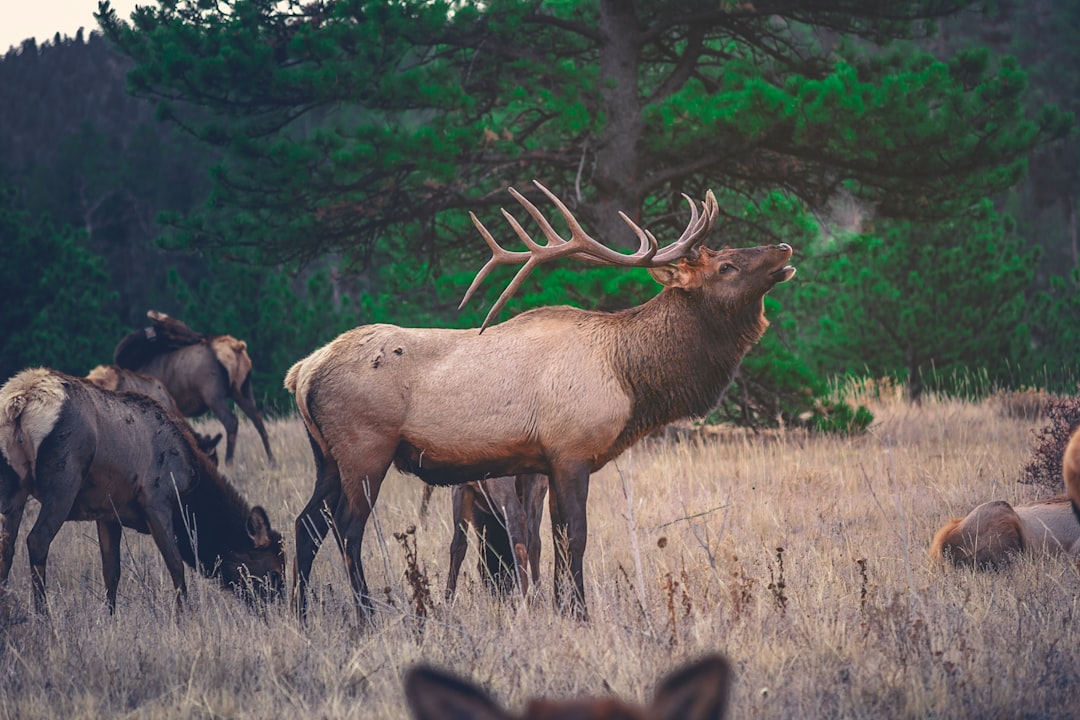
Western Elk Hunting Guide: Strategies for Success Across Public Land
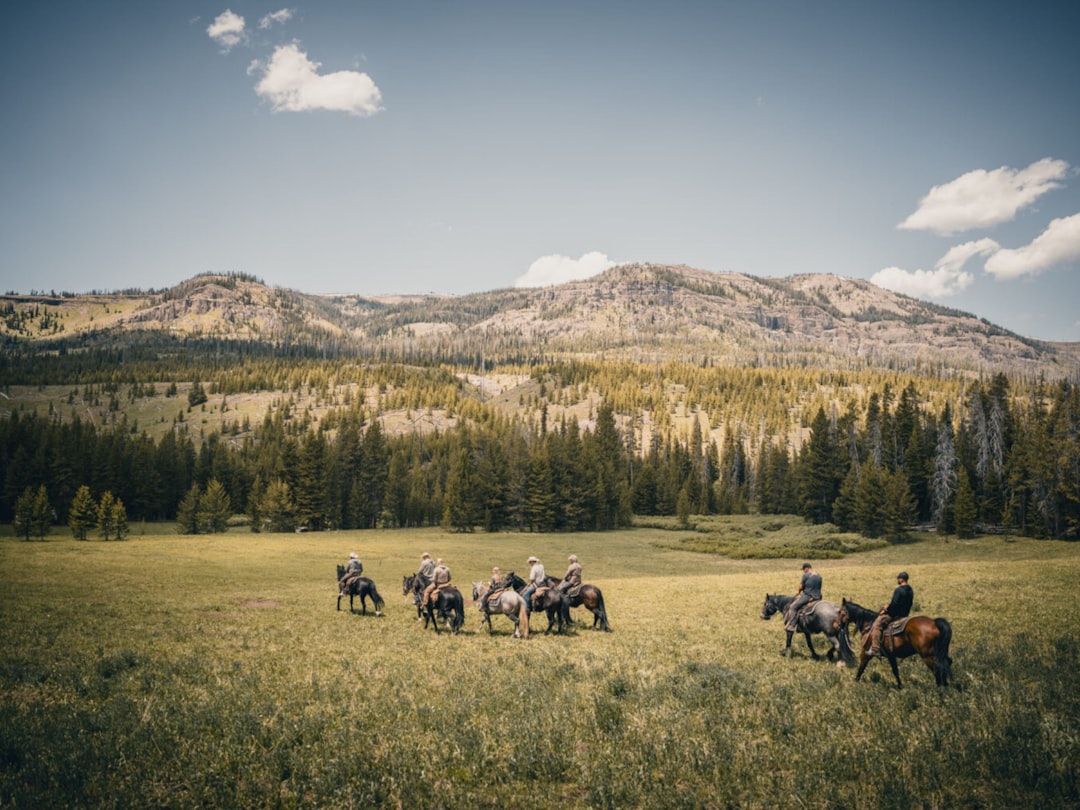
Western elk hunting represents one of North America's most challenging and rewarding pursuits. Whether you are chasing bulls with a bow during the September rut or planning a rifle hunt in late October, success demands preparation, physical conditioning, and a working knowledge of elk behavior across different terrains and seasons.
This guide breaks down the core strategies that separate successful elk hunters from those who return home empty-handed year after year.
Understanding Elk Habitat and Behavior
Elk are creatures of habit until pressure forces them to adapt. During early season archery hunts, bulls bugle aggressively in open parks and meadows, advertising their presence to cows and challenging rival bulls. By mid-September, hunting pressure pushes elk into darker timber, steep north-facing slopes, and thick blowdown where calling becomes more technical and spot-and-stalk opportunities shrink.
Rifle season typically coincides with post-rut behavior, when bulls have burned significant calories and prioritize feeding over breeding. They seek high-calorie food sources like oakbrush, aspen groves with fresh growth, and south-facing slopes where sunshine melts snow early. Cold fronts and snowstorms trigger significant movement, pushing elk from high basins down toward winter range.
Elk also pattern around water sources, especially in arid units across New Mexico, Arizona, and eastern Colorado. A single reliable spring or stock tank can concentrate animals for miles around. Identifying these pinch points during your pre-season e-scouting gives you a massive advantage once boots hit the ground.
Scouting Strategies That Actually Work
Successful elk hunting starts months before opening day. Modern hunters combine digital scouting tools with boots-on-the-ground reconnaissance to identify high-probability areas before the season.
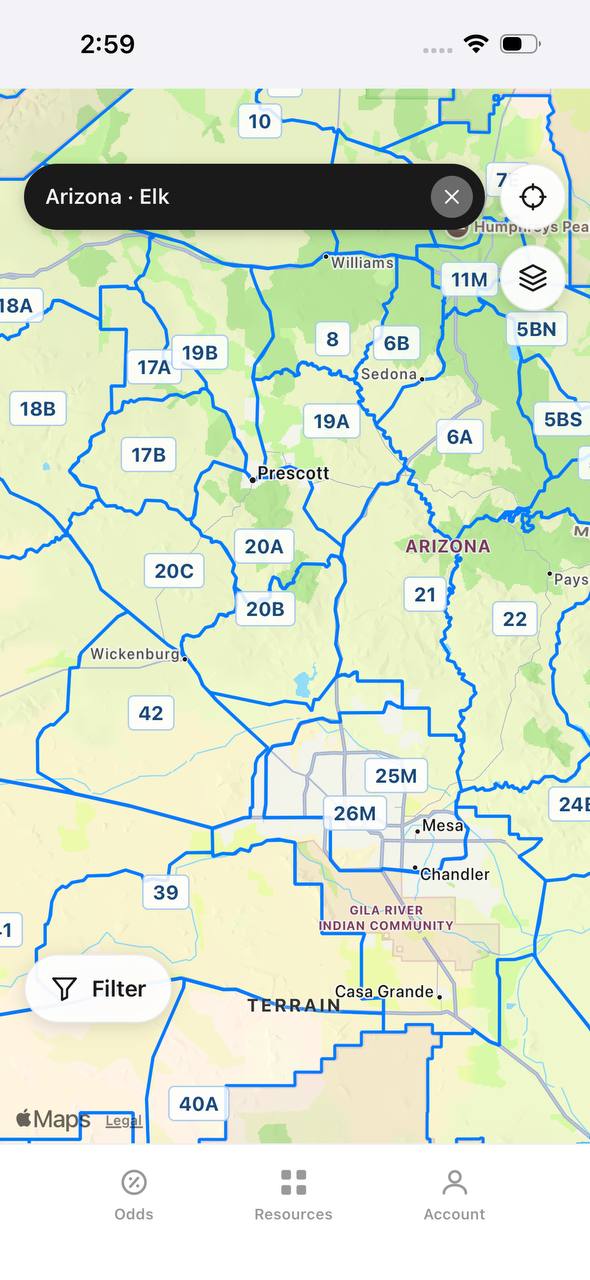
Start with terrain analysis using mapping platforms that overlay unit boundaries, public land access points, water sources, and topography. Look for isolated basins with limited road access, thick timber pockets adjacent to feed, and saddles or benches that funnel elk movement between bedding and feeding areas.
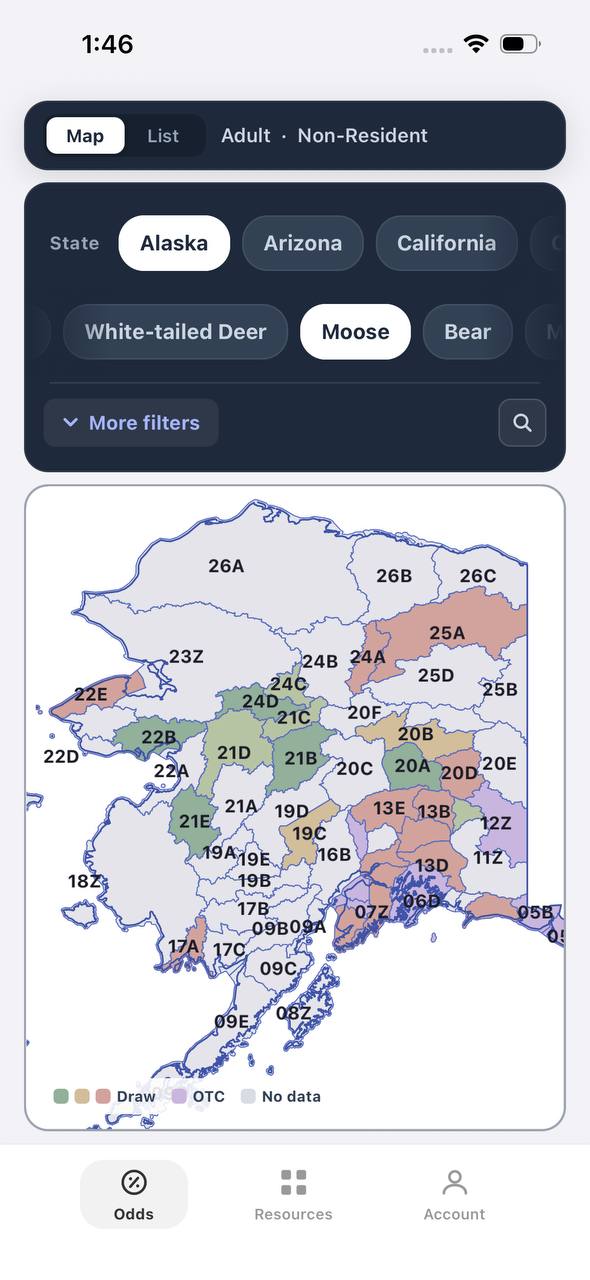
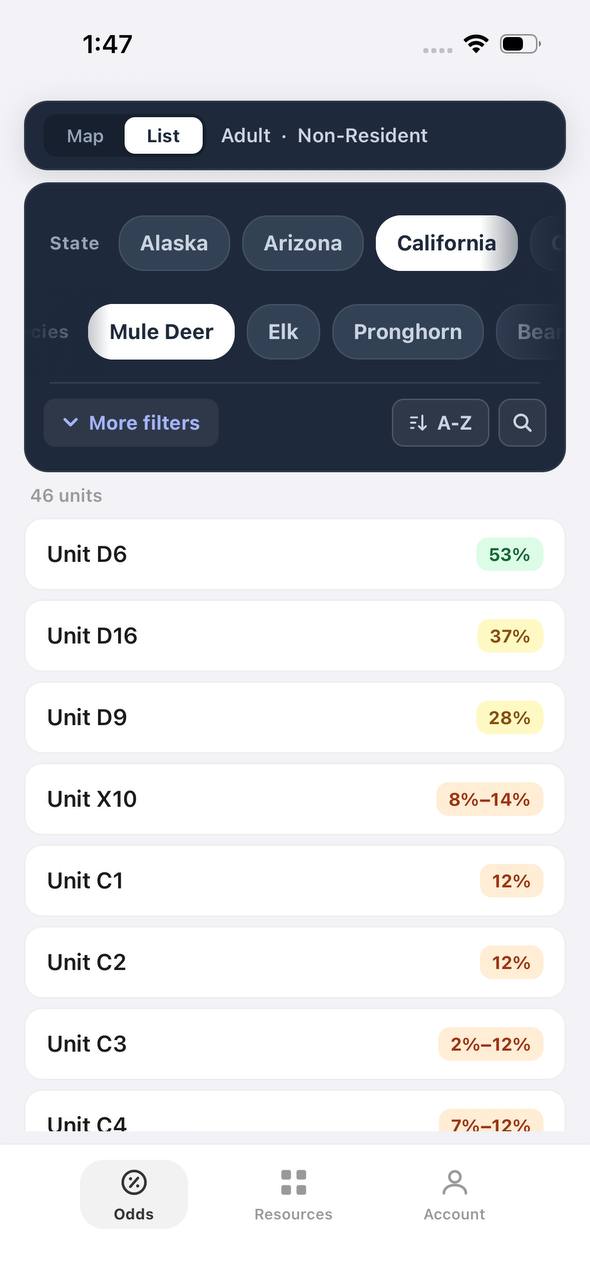
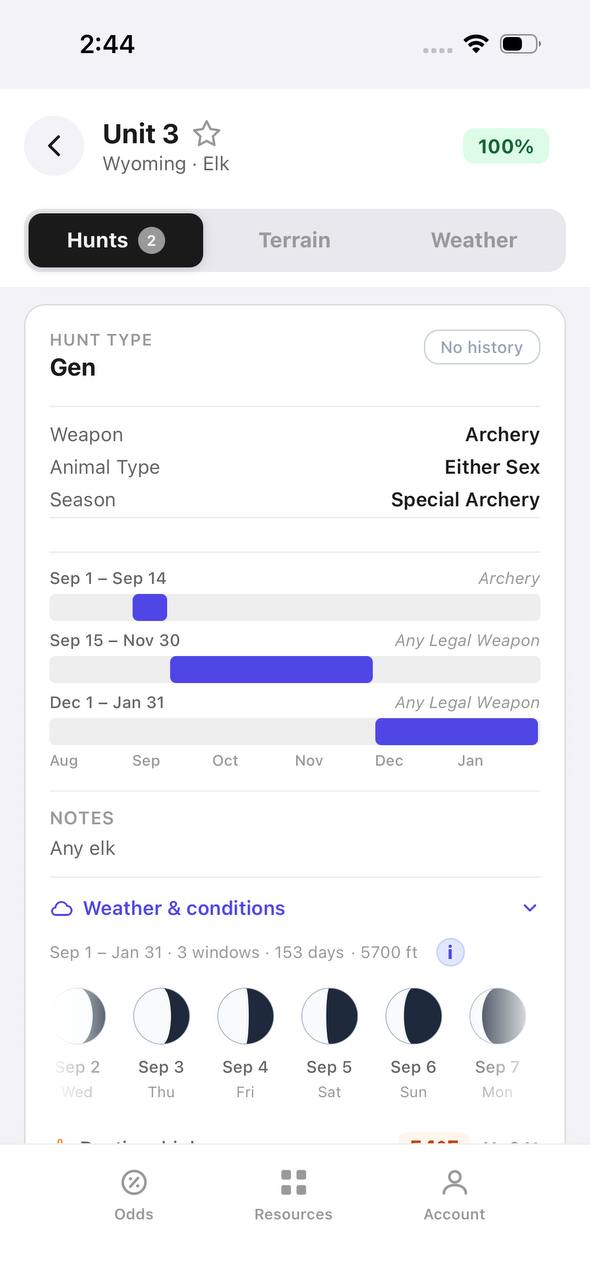
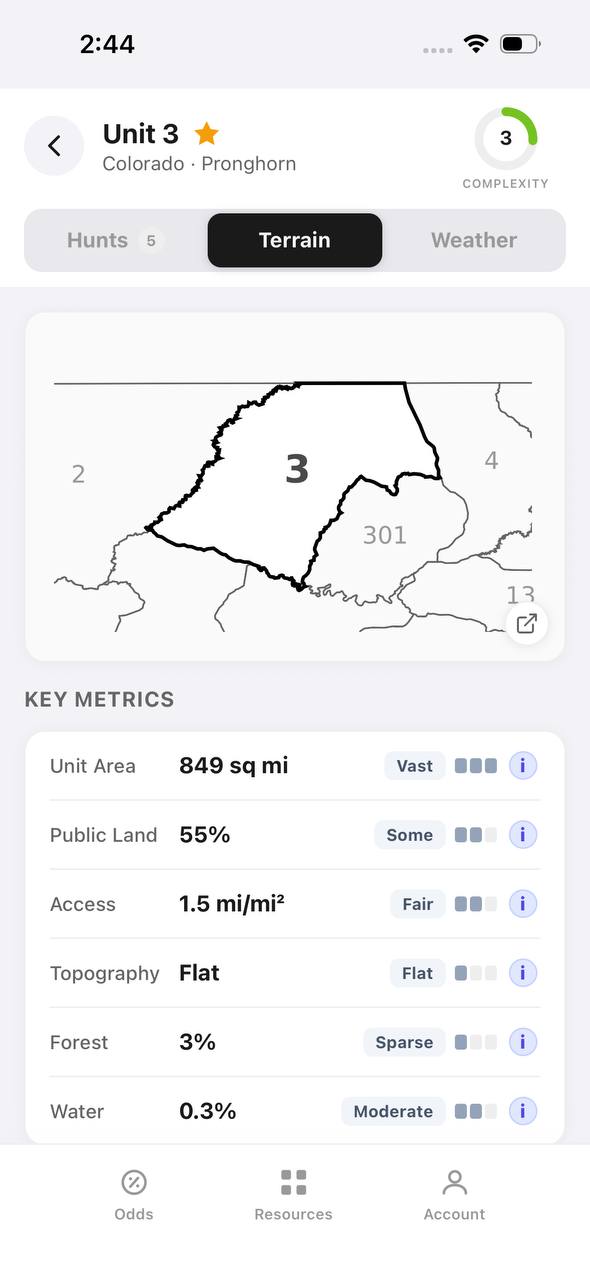
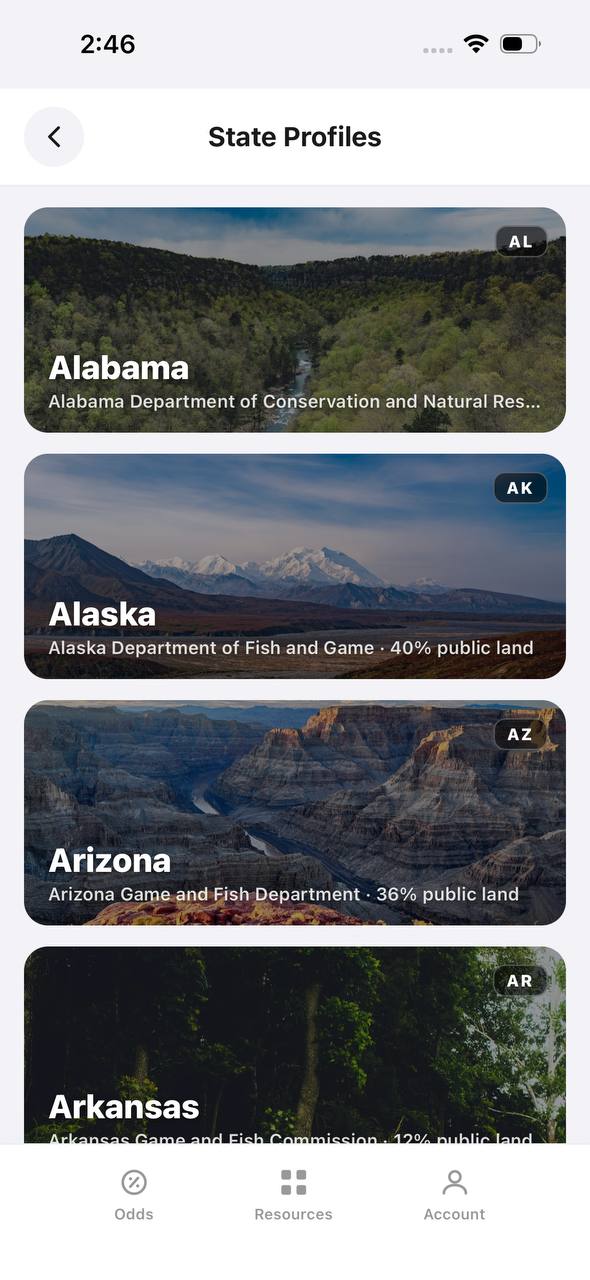
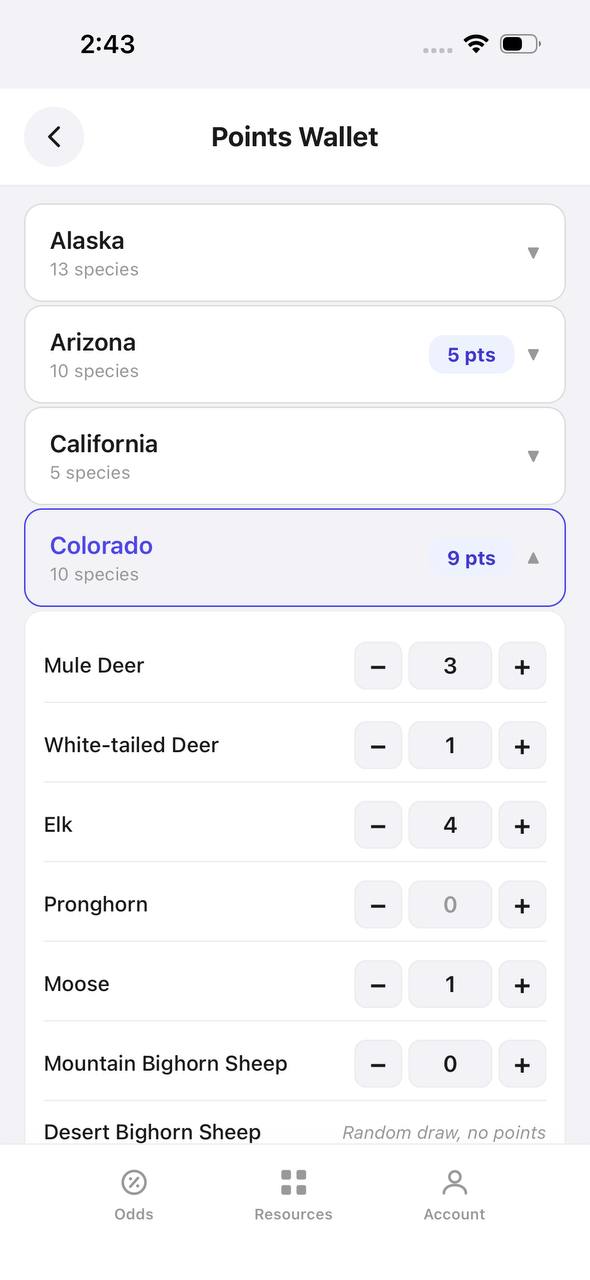
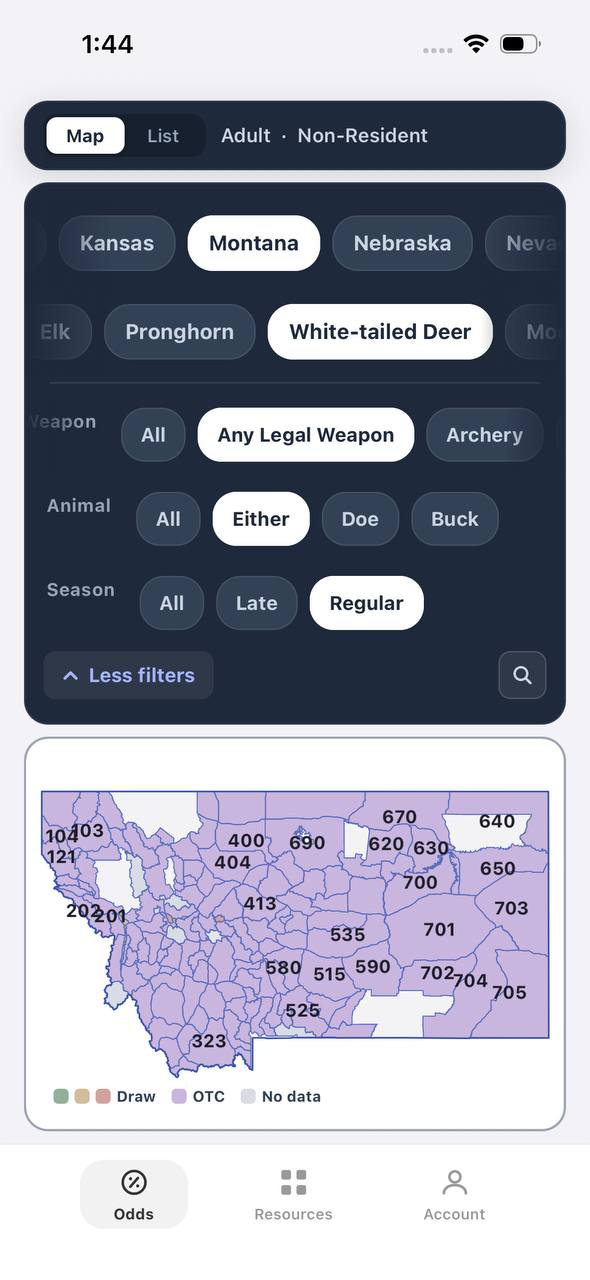
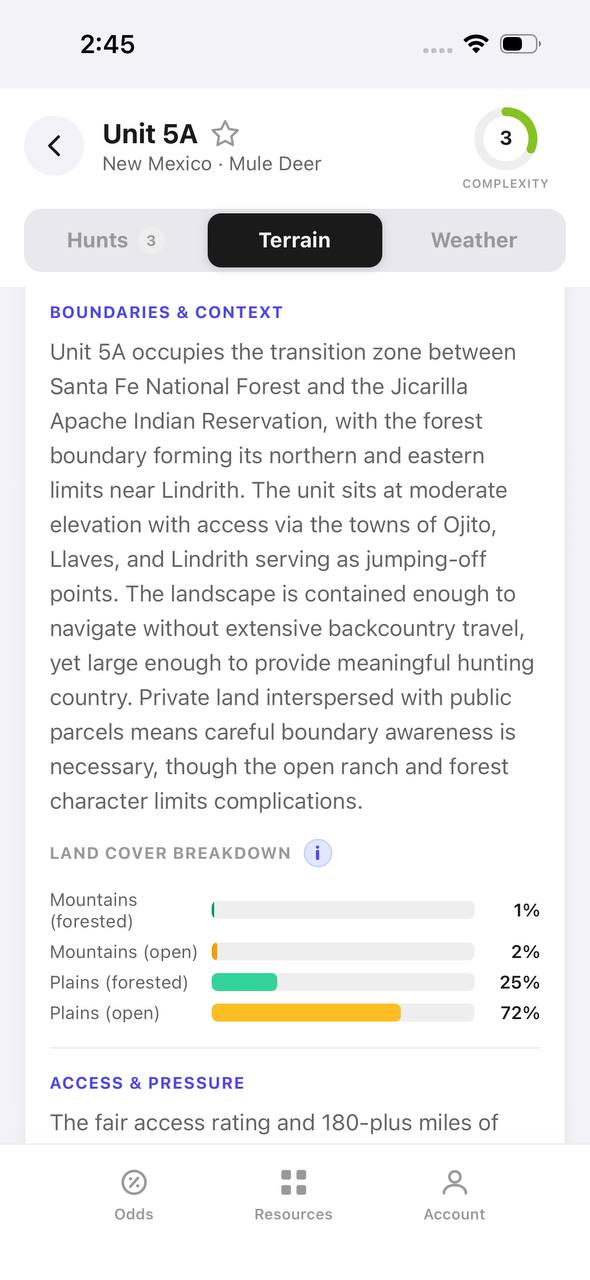
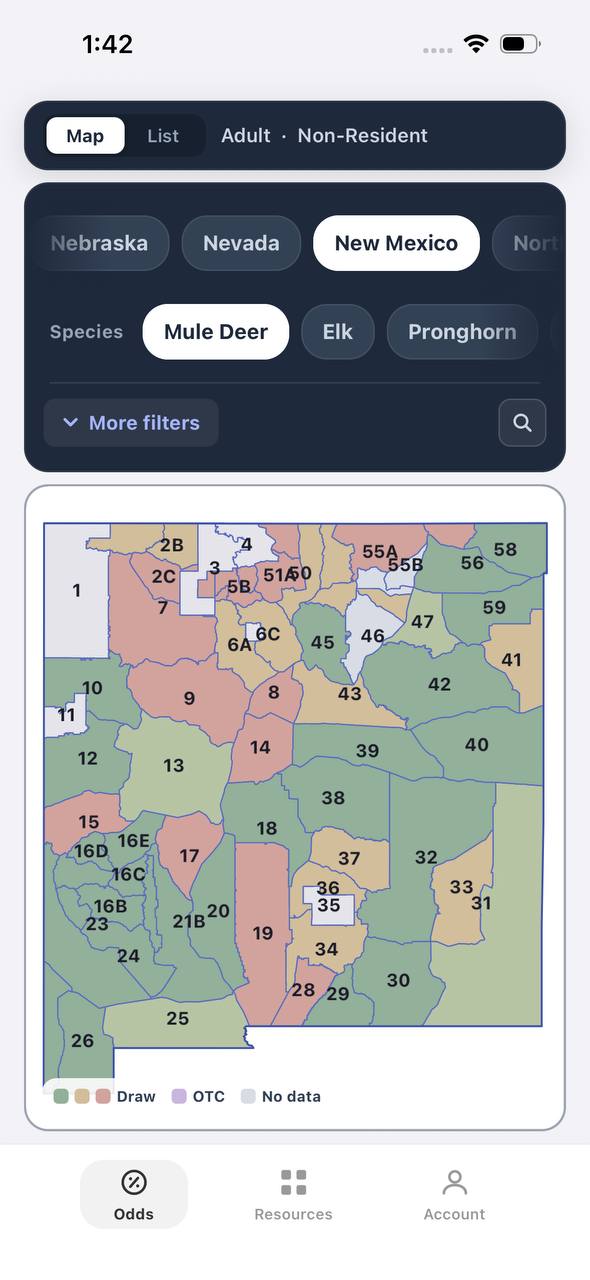
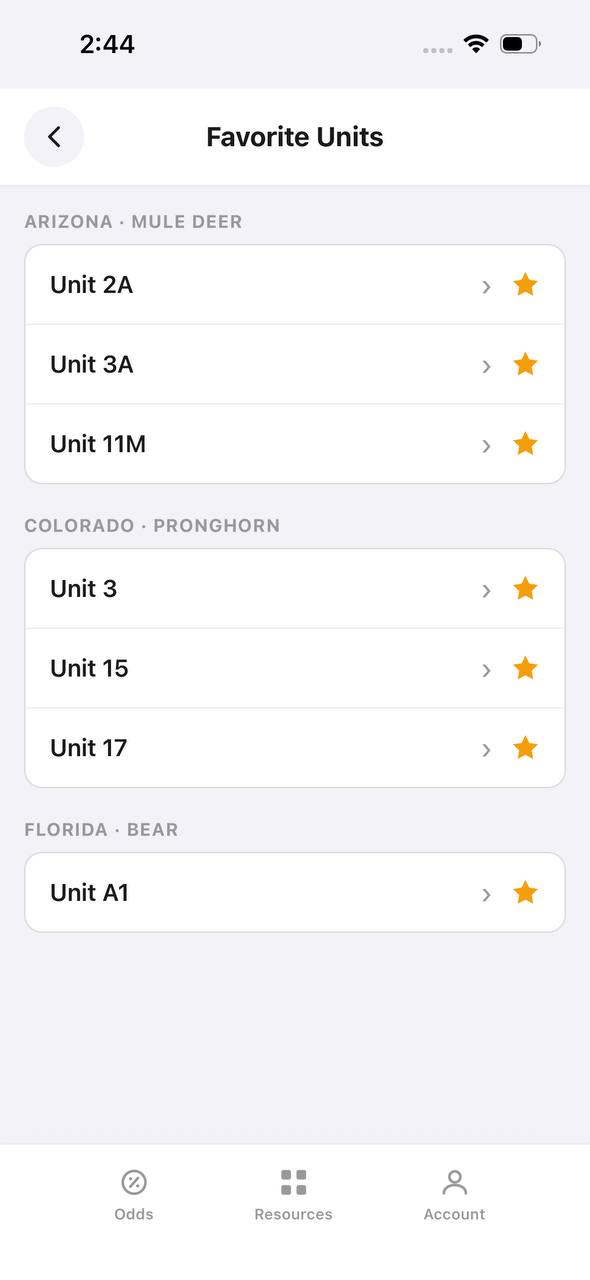
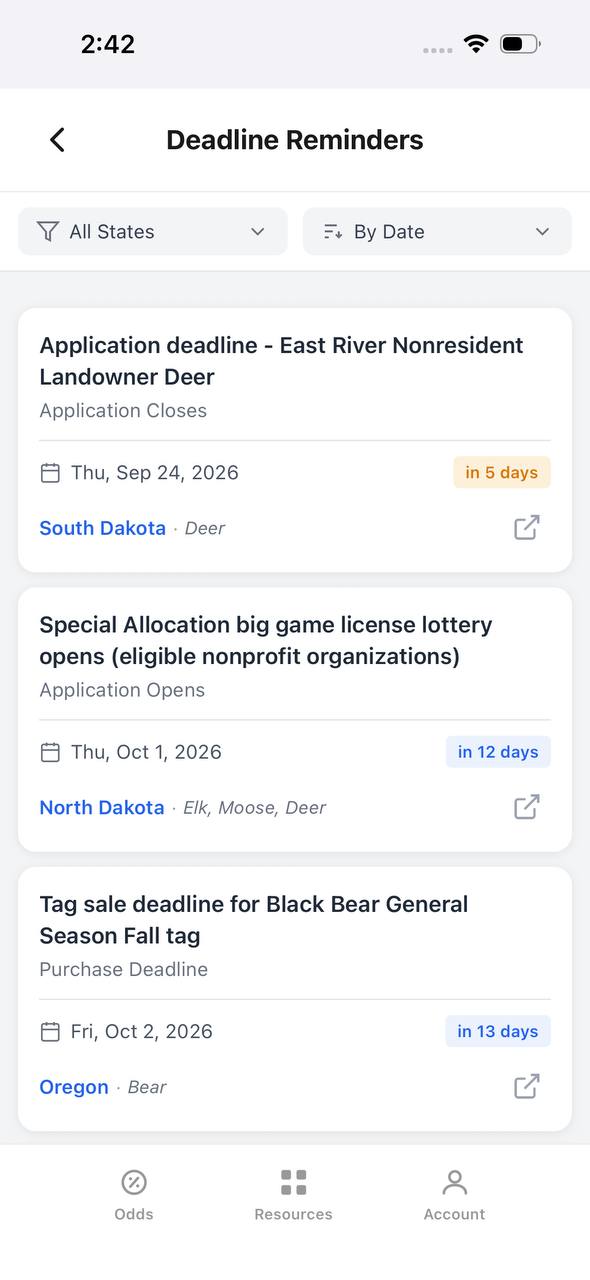
TAGZ helps you compare units side by side using terrain maps, unit boundaries, and historical draw data. Track your preference points and bonus points across multiple states so you never miss a draw deadline. Whether you are chasing OTC tags or planning a trophy limited-entry hunt, TAGZ gives you the tools to make smarter decisions before you ever step into the field.
Once you have identified your unit, spend time glassing from vantage points during summer or early fall. Bulls remain in bachelor groups before the rut, often feeding in predictable patterns at dawn and dusk. Note where they bed during midday heat and which travel corridors they use to access water or transition between elevation zones.
Trail cameras placed near wallows, rubs, and well-used trails provide hard data on herd composition and movement timing. Position cameras in early August and check them frequently enough to adapt your strategy if patterns shift as the rut approaches.
Calling Elk During the Rut
The September rut offers archery hunters the best opportunity to bring bulls within bow range using aggressive calling sequences. Bugles, cow calls, and raking create the illusion of competing bulls or receptive cows, triggering territorial responses from mature bulls.
Start mornings by locating bulls with a locator bugle or cow call from a high vantage point. Once you have pinned down a vocal bull, move closer using terrain to mask your approach. Set up in thick cover with shooting lanes, then work the bull using a combination of cow calls and soft bugles. Aggressive bulls respond quickly, while call-shy elk may require patient, subtle calling over 30 minutes or longer.
Mid-morning through midday, focus on cutting distance toward bedding areas where bulls rest after morning feeding. Silent spot-and-stalk approaches work better than calling once elk are bedded. Use terrain folds, wind currents, and slow, methodical movements to get within bow range before drawing.
Afternoon setups reverse the morning strategy. Position yourself between known bedding areas and evening feed, calling sparingly to pull bulls off their natural travel routes. Late-season bulls that have been pressured for weeks may ignore bugles entirely but respond to soft cow calls that suggest an estrus cow lagging behind the herd.
Public Land Hunting Tactics
Public land elk hunting rewards effort and creativity. Most hunters concentrate near trailheads, leaving vast expanses of huntable country untouched beyond the first mile. Push deeper, use your physical conditioning as a filter against competition, and hunt where others will not.
Identify roadless areas, wilderness boundaries, and access points that require significant uphill hiking. Elk feel pressure quickly and move away from roads, ATVs, and human activity. A two-hour pre-dawn hike puts you in country that sees a fraction of the hunter pressure found near popular trailheads.
During rifle season, coordinate with hunting partners to execute pushes through thick timber or avalanche chutes. Post blockers on likely escape routes while drivers move slowly through bedding cover, pausing frequently. Pressured elk often sneak rather than run, offering shots to patient blockers positioned with good visibility and shooting lanes.
Water sources become force multipliers on public land. If you locate a spring or seep in a remote basin, monitor it from a distance during midday heat. Elk visit water between bedding and feeding periods, especially during warm, dry conditions. Set up downwind with clear shooting lanes and wait. Patience wins more often than hiking endless miles through empty timber.
Free to join
Download mobile app
- Detailed draw odds
- Point tracking
- Deadline reminders
- 18 states covered

Free to join
Download mobile app
- Detailed draw odds
- Point tracking
- Deadline reminders
- 18 states covered
Free to join
Download mobile app
- Detailed draw odds
- Point tracking
- Deadline reminders
- 18 states covered
Weapon and Season Selection
Choosing between archery, muzzleloader, and rifle seasons impacts your strategy, success rates, and the experience itself. Each weapon system offers distinct advantages depending on your skill level, physical conditioning, and hunting goals.
Archery season coincides with peak rut activity, giving bowhunters the best calling opportunities and the most vocal bulls. Success rates remain low compared to rifle hunts, but the close encounters and bugling bulls create an immersive experience. Physical conditioning matters more during archery season since you will hike farther, climb steeper terrain, and often pack meat longer distances without ATV access.
Muzzleloader seasons bridge the gap between archery and rifle hunts, offering mid-range shooting opportunities during the tail end of the rut. Bulls remain somewhat vocal, but calling becomes less reliable as breeding activity tapers off. Muzzleloader hunters benefit from lighter hunter pressure compared to rifle season while gaining effective range that archery equipment cannot match.
Rifle season delivers the highest success rates, especially during early rifle hunts when bulls remain in high country and snow has not yet pushed herds onto winter range. Late-season rifle hunts concentrate elk at lower elevations near feed and cover, creating opportunities for patient hunters willing to glass all day and execute long-range shots.
OTC elk tags provide flexibility and spontaneity but typically coincide with higher hunter pressure. Limited-entry units require advance planning and preference point investment but reward hunters with lower crowding, better bull-to-cow ratios, and larger average antler size.
Physical Preparation and Gear Essentials
Western elk hunting punishes unprepared hunters. Steep elevation changes, thin air above 9,000 feet, and heavy pack loads separate those who succeed from those who struggle.
Start physical training at least three months before your hunt. Focus on weighted pack hikes, uphill intervals, and leg strength exercises like lunges and step-ups. Train with the pack weight you will carry during the hunt, gradually increasing load and distance. A 50-pound pack feels manageable in your backyard but destroys your knees and lungs at 10,000 feet if you have not conditioned properly.
Gear selection balances weight, durability, and functionality. Prioritize quality boots broken in over dozens of miles before opening day. Blisters end hunts faster than bad weather or equipment failures. Layer your clothing to adapt to temperature swings from freezing mornings to 70-degree afternoons. Merino wool base layers, an insulated puffy jacket, and a reliable rain shell cover most weather conditions.
Optical quality matters more than magnification. A solid 10x binocular lets you glass for hours without eye fatigue, while a spotting scope helps judge bulls at long distances during rifle season. Cheap optics create headaches and miss details that separate cows from raghorn bulls in thick timber.
Game bags, a reliable knife, and a lightweight meat-hauling pack frame turn a successful hunt into a manageable pack-out. Elk quarters weigh 60 to 90 pounds each. Plan for multiple trips or recruit help before you pull the trigger.
Unit Research and Application Strategy
Choosing the right unit determines your hunt quality before you ever apply. Draw odds, historical harvest data, public land access, and terrain characteristics all factor into smart application decisions.
High-demand units with trophy reputations require years of preference point accumulation. Mid-tier units often provide better hunting experiences with fewer points, lower crowding, and respectable bull quality. Research units that recently changed weapon allocations, season dates, or tag quotas. These shifts often create short-term opportunities before draw odds adjust to the new reality.
OTC units across Colorado, Idaho, and Montana offer immediate hunting opportunities but vary dramatically in quality. Some OTC units receive heavy pressure near roads and trailheads but harbor excellent elk populations in remote backcountry basins. Others suffer from predator impacts, habitat limitations, or poor bull-to-cow ratios despite easy tag access.
TAGZ simplifies unit research by overlaying draw odds, terrain analysis, and public land boundaries in one platform. Track application deadlines across multiple states, monitor your point totals, and filter hunts by weapon, season, and species. Smart hunters use data to identify undervalued units where draw odds and hunt quality do not align with common perceptions.
Free to join
Download mobile app
- Detailed draw odds
- Point tracking
- Deadline reminders
- 18 states covered
Free to join
Download mobile app
- Detailed draw odds
- Point tracking
- Deadline reminders
- 18 states covered
Free to join
Download mobile app
- Detailed draw odds
- Point tracking
- Deadline reminders
- 18 states covered
Late-Season Elk Tactics
Late-season rifle and muzzleloader hunts require patience and adaptability. Elk shift to survival mode, prioritizing food and thermal cover over breeding behavior. Cold fronts and snowstorms trigger movement, while high-pressure systems lock elk into predictable feeding and bedding patterns.
Glass south-facing slopes where snow melts first and vegetation remains accessible. Elk feed heavily during morning and evening, then bed in thermal cover near feed sources to conserve energy. Set up glassing positions before first light and scan methodically through binoculars and spotting scopes. Late-season elk often remain visible all day when undisturbed, providing long-range shooting opportunities for patient riflemen.
Snow tracking becomes a force multiplier once winter storms blanket the high country. Fresh tracks lead directly to feeding areas and bedding zones. Follow tracks slowly, glassing ahead frequently. Elk may bed within a few hundred yards of their last visible tracks in thick timber or blowdown.
Coordination between hunting partners improves success during late-season hunts. One hunter glasses while another positions for potential shots. Communication via radio or hand signals keeps everyone informed without spooking elk. Drives work well through isolated timber pockets where elk feel secure despite surrounding open country.
Understanding Draw Systems and Tag Allocation
Every western state operates a unique draw system that allocates limited-entry tags through preference points, bonus points, or random draws. Understanding these systems maximizes your odds of drawing tags in your desired units.
Preference point states like Colorado and Wyoming grant tags to applicants with the most points first, creating predictable timelines for drawing specific units. Bonus point states like New Mexico and Nevada square or cube your points, increasing draw odds without guaranteeing tags. True random draws treat every applicant equally regardless of loyalty or prior applications.
Nonresident hunters face stricter quotas, higher tag costs, and separate draw pools from residents. Some states like Colorado allocate only 20 percent of limited-entry tags to nonresidents, while Montana uses a combination license system that bundles elk and deer access. Arizona requires purchasing a hunting license before applying, while Utah includes your points in the application process automatically.
Draw odds fluctuate based on tag quotas, point creep, and shifting hunter interest. Units that gained social media exposure or appeared in hunting content often see draw odds drop sharply the following year. Identifying units before they trend provides a window of opportunity for point-conscious hunters.
Applying strategically across multiple states diversifies your tag portfolio and increases your chances of hunting elk annually. A combination of OTC tags, mid-tier limited-entry units, and long-term trophy unit applications keeps you in the field while building points for future premium hunts.
Post-Shot Strategy and Meat Care
Killing an elk marks the beginning of the hardest work. Proper field care, quartering, and packing ensure meat quality and prevent wasted effort.
After a shot, wait at least 30 minutes for well-placed hits and longer for marginal shots. Pushing wounded elk spreads them across miles of rough terrain and reduces recovery odds. Mark your shooting position with GPS, then approach slowly while watching for movement and listening for labored breathing.
Once you have confirmed the kill, prioritize cooling the carcass. Open the body cavity immediately and remove internal organs. Quarter the elk where it lies if you are more than a mile from your vehicle or camp. Bone out meat to reduce pack weight, then place quarters in game bags to protect against dirt and flies.
Cool meat quickly by hanging quarters in shade with good airflow. Avoid placing meat directly on the ground or piling quarters together, which traps heat and accelerates spoilage. During warm weather, pack meat out the same day or hang it high in trees overnight with multiple game bags to maximize cooling.
Trips to retrieve meat test your physical limits. Load 60 to 80 pounds per trip and plan for at least four round trips from kill site to vehicle. Recruit hunting partners, hire pack services, or position your camp strategically to minimize packing distances. Every decision you make before the shot should account for the reality of moving 400 to 600 pounds of meat across steep, rough country.
Free to join
Download mobile app
- Detailed draw odds
- Point tracking
- Deadline reminders
- 18 states covered
Free to join
Download mobile app
- Detailed draw odds
- Point tracking
- Deadline reminders
- 18 states covered
Free to join
Download mobile app
- Detailed draw odds
- Point tracking
- Deadline reminders
- 18 states covered
Dealing with Hunting Pressure
Pressure from other hunters forces elk to abandon their preferred terrain and shift to survival mode. Recognizing pressure and adapting your strategy separates successful hunters from frustrated ones.
Opening weekend of any season concentrates hunter activity near roads, trailheads, and popular camping areas. Elk respond by pushing deeper into thick cover, traveling at night, and going silent during peak calling hours. If you encounter heavy pressure, adjust your tactics by hunting midday, focusing on isolated terrain pockets, and glassing more than calling.
Late-entry strategies work well in pressured units. Wait until the second or third week of the season when casual hunters return home and elk settle into new patterns. These late-season elk often relocate to overlooked terrain features like small drainages, abandoned logging roads, or private land inholdings surrounded by public ground.
Coordination between multiple hunters amplifies pressure effects. If you encounter another hunting party, communicate respectfully and divide the terrain to avoid conflict. Pushing elk back and forth between competing groups benefits no one. Establish temporary boundaries, hunt separate drainages, and revisit areas after other hunters move on.
Mental Preparation and Persistence
Elk hunting tests mental toughness as much as physical conditioning. Long days without encounters, missed opportunities, and physical exhaustion wear down even experienced hunters.
Set realistic expectations before the hunt. Success rates for archery elk hover between 10 and 20 percent in most units, while rifle success ranges from 15 to 40 percent depending on season timing and unit quality. Every day in elk country teaches you something, even if you never release an arrow or pull the trigger.
Persistence separates successful elk hunters from those who quit early. The best opportunities often arrive on the last day of a hunt after a week of grinding effort and marginal encounters. Stay patient, trust your preparation, and keep hunting hard until the final hour.
Visualize success repeatedly throughout the hunt. Mental rehearsal of shooting scenarios, elk behavior responses, and pack-out logistics prepares you for real-world execution when opportunities arise. Confidence comes from preparation, and preparation happens long before you step into elk country.
FAQ — Western Elk Hunting
What is the best state for first-time western elk hunters?
Colorado offers the most accessible entry point with abundant OTC archery and rifle tags, extensive public land, and solid elk populations. Montana and Idaho also provide OTC opportunities but with more remote terrain and lower elk densities in some units.
How many preference points do I need to draw a good elk tag?
Mid-tier rifle elk units in Colorado require two to five preference points, while premium limited-entry units in Utah, Wyoming, and Arizona may demand 10 to 20 points. OTC tags require zero points but face higher hunter pressure.
Can I hunt elk solo, or do I need a partner?
Solo elk hunting is common and effective if you have strong navigation skills, physical conditioning, and a plan for packing meat. Partners improve safety, pack-out efficiency, and tactical flexibility during drives or calling setups.
What physical conditioning is required for elk hunting?
Elk hunting demands hiking steep terrain for miles daily at elevations above 8,000 feet while carrying 30 to 60 pounds. Train with weighted pack hikes, uphill intervals, and leg strengthening exercises at least three months before your hunt.
Should I hire a guide or hunt DIY on public land?
DIY public land hunts cost less and offer more flexibility, but guided hunts provide local knowledge, access to private land, and higher success rates. First-time western hunters often benefit from guided experiences before transitioning to DIY hunts in future years.
When is the best time to hunt elk during the season?
Early archery season during the September rut provides the most vocal bulls and aggressive calling opportunities. Early rifle season offers high success before weather pushes elk to winter range, while late-season hunts concentrate elk near food sources at lower elevations.
Continue Planning Your Hunt
Western elk hunting rewards preparation, persistence, and strategic planning. Whether you are building preference points for a limited-entry tag or gearing up for an OTC archery hunt, the decisions you make before opening day determine your success in the field.
TAGZ simplifies the entire process by helping you compare units side by side, track draw deadlines across multiple states, and analyze draw odds based on your point totals. Filter hunts by weapon, season, and species to identify opportunities that match your experience level and timeline. From application season through the hunt itself, TAGZ gives you the tools to make smarter decisions and maximize your chances of punching a tag.
Explore more elk hunting insights and unit breakdowns on the TAGZ Insights page, or start planning your next hunt by visiting the TAGZ product page. Ready to take your western hunting to the next level? Check out TAGZ pricing options and create an account at getmytagz.com.
Was this article helpful?
Previous
Best States for Elk Hunting: Tags, Draws & Opportunities
There is no single best state for elk hunting for every hunter. The right state depends on what you're trying to accomplish. Hunters should compare states based on: Residency Current preference or bonus points Draw system General-season availability Over-the-counter availability Public-land access Weapon Season Budget Physical ability How often they want to hunt Major elk states use very different licensing systems. Colorado combines limited licenses with certain OTC opportunities. Montana uses a nonresident Combination License drawing plus separate limited elk permits. Idaho doesn't use preference or bonus points for elk and now uses an application/drawing process for nonresident general deer and elk tags. Wyoming uses preference points for nonresident full-price elk licenses but also has a random component. New Mexico has no preference or bonus points for its public elk drawing. Arizona uses bonus points. Nevada uses a bonus-point system. Oregon uses preference points for controlled elk hunts while also offering general-season opportunities. Washington offers general elk seasons and separate special-permit opportunities using a weighted-point drawing system. The best strategy isn't necessarily finding the state with the biggest bulls. It's finding the tag pathway + hunt + access that fits your goals.
Related
Public Land Elk Hunting: Strategy, Scouting, and Success Without Private Access
Public land elk hunting rewards preparation and persistence. Learn how to scout effectively, avoid crowds, and consistently fill tags on accessible terrain across the West.
Next
DIY Elk Hunting: A Complete Guide to Planning Your Own Hunt
DIY elk hunting lets you hunt public land on your budget without hiring an outfitter. Learn how to pick units, scout terrain, plan logistics, and execute a successful self-guided elk hunt in the West.