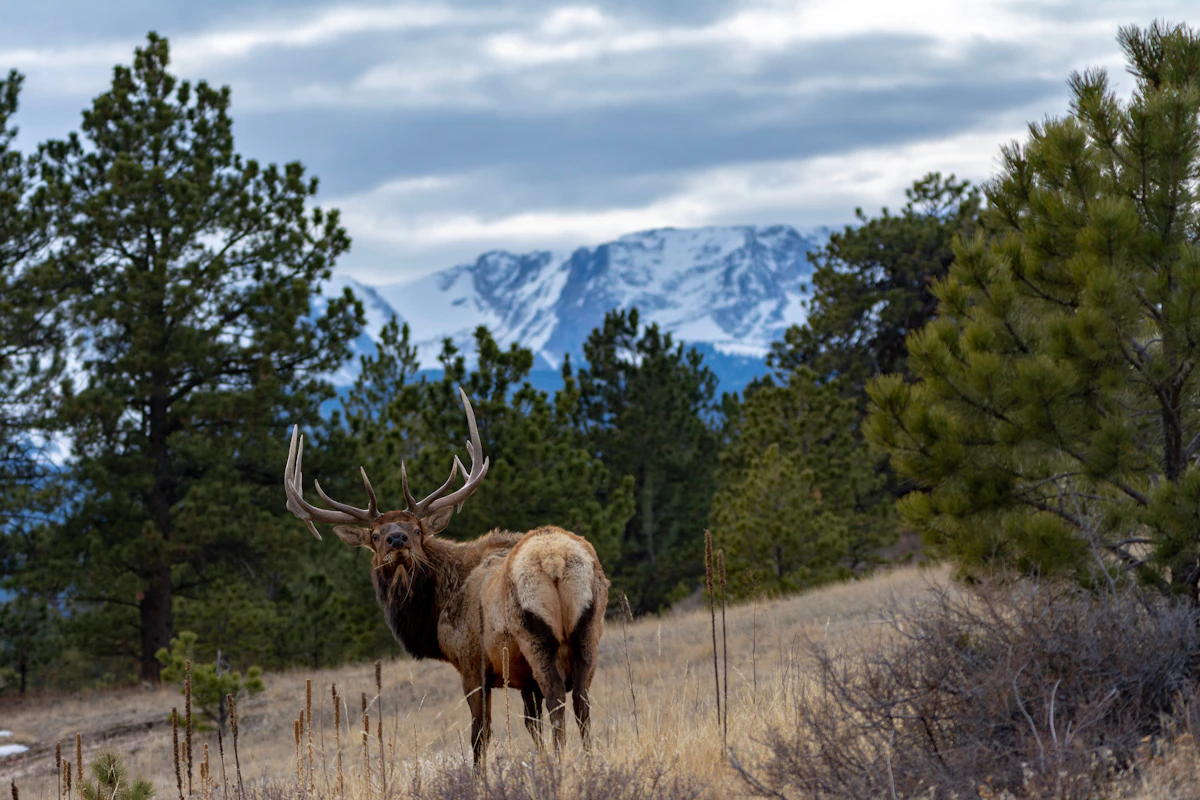
Colorado Elk Application Strategy 2027: Draw Odds, Points & Units
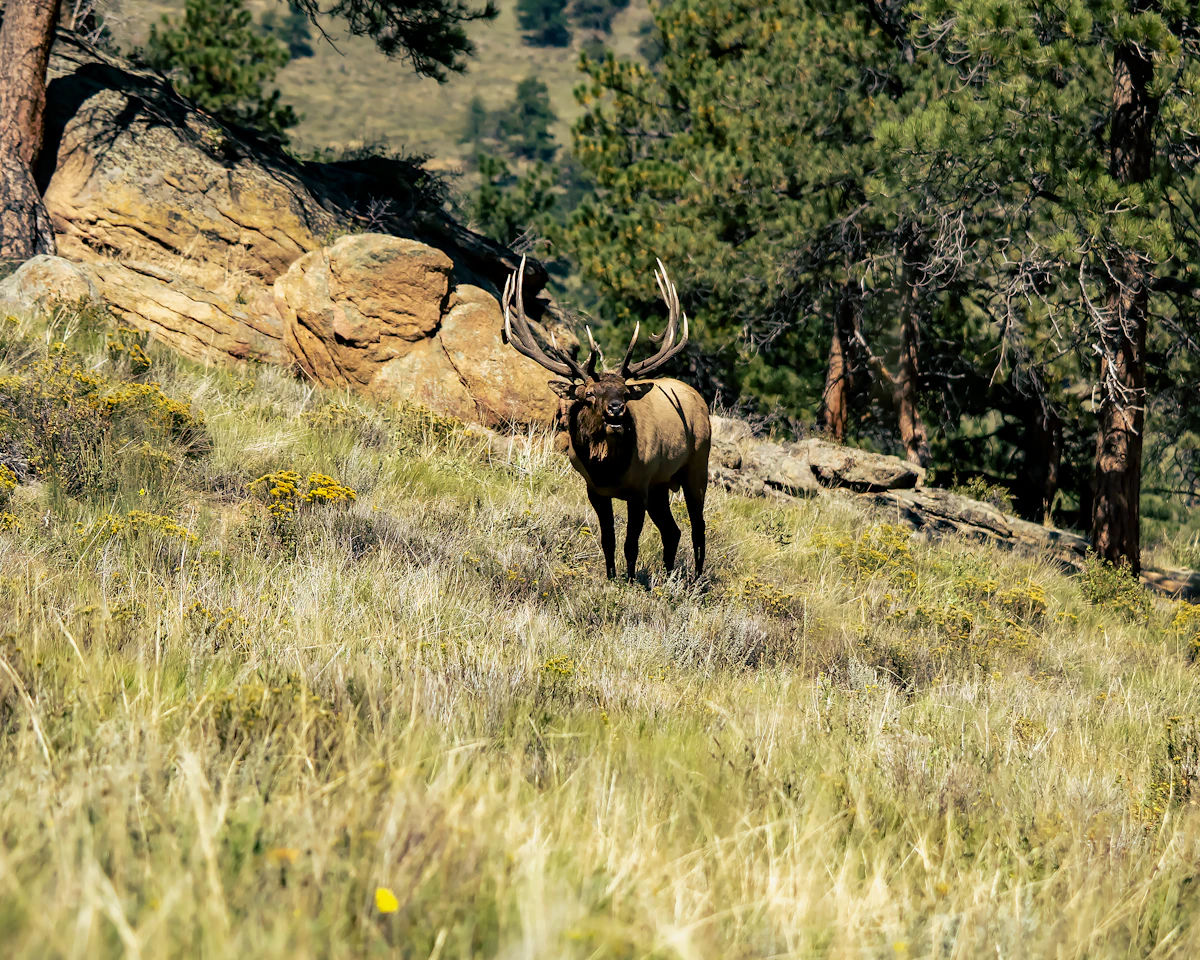
Colorado remains one of the biggest destinations in Western elk hunting, but having dozens of potential hunts doesn't necessarily make choosing where to apply easier.
For many hunters, it makes the decision harder.
You have different units, seasons, weapons, hunt codes, preference-point requirements and resident versus nonresident considerations to work through before submitting an application.
That's why your 2027 Colorado elk application shouldn't begin with:
What's the best elk unit in Colorado?
Start with a better question:
What's the best Colorado elk application for me?
Those are two very different questions.
The best-known unit in the state might take far more preference points than you have. Another hunt might give you a realistic opportunity to draw sooner while still providing the kind of elk hunt you're looking for.
Your 2027 strategy should be built around your points, your residency, your goals and your willingness to wait.
Start With Your Colorado Elk Preference Points
Before researching units, determine exactly where you stand in Colorado's preference-point system.
If you currently have zero points, your application strategy should look different from someone with three points.
Someone with three points should probably approach the draw differently from someone with ten.
Your points help define your realistic range of opportunities.
That doesn't mean you should automatically use them.
It means you should know what they're capable of getting you.
Before applying, ask yourself:
- How many Colorado elk preference points do I have?
- What hunts have historically been available near my point level?
- How has demand for those hunts changed?
- Am I willing to continue building points?
- How badly do I want to hunt Colorado in 2027?
- Would I rather hunt sooner or wait for a more difficult-to-draw license?
That last question matters.
A successful application strategy isn't always about drawing the hardest tag possible.
It's about getting the hunting opportunity you actually want.
Understand How Colorado Elk Draw Odds Affect Your Strategy
Historical draw odds are one of the most useful tools available to Western hunters.
They're also easy to misuse.
Last year's draw result tells you what happened last year.
It doesn't guarantee what will happen in 2027.
Applicant numbers can change. License quotas can change. Hunters can shift between units. Demand can increase or decrease.
That's why TAGZ recommends looking at draw history as a trend rather than treating one year's result as a guarantee.
Imagine a hunt historically required:
2023 — 2 points
2024 — 2 points
2025 — 3 points
2026 — 3 points
That's more useful than simply knowing what happened in 2026.
Now compare that with a hunt showing:
2023 — 2 points
2024 — 3 points
2025 — 4 points
2026 — 5 points
Those hunts may have very different outlooks even if both interest you.
Watch for Colorado Elk Point Creep
Point creep is one of the biggest issues facing hunters who build preference points.
It happens when the number of points historically required for a hunt continues increasing.
You gain another point.
But so do thousands of other hunters.
Your target can keep moving.
That's why someone who was supposedly "two years away" from a hunt several years ago can still find themselves waiting.
If you're targeting a hunt experiencing significant point creep, you have a decision to make:
Keep chasing it or change your strategy.
Sometimes waiting makes sense.
Sometimes it doesn't.
Don't let the number of years you've already spent collecting points make the decision for you.
Decide What Kind of Colorado Elk Hunt You Actually Want
Before opening a list of units, determine what you're trying to accomplish.
Are you looking for:
- A premium trophy hunt?
- An opportunity to hunt elk sooner?
- A September archery hunt?
- A muzzleloader hunt?
- A rifle hunt?
- A backcountry experience?
- Easier access?
- Lower hunting pressure?
- A hunt you can do with friends or family?
- A hunt you can realistically draw with your current points?
These priorities can lead you toward completely different applications.
A hunter whose number-one priority is trophy potential may be willing to wait years.
Another hunter may value hunting every few years far more than chasing one premium license.
Neither strategy is automatically wrong.
The mistake is building points without knowing what you're building them for.
Don't Pick a Unit Based Only on Reputation
Every Western state has units hunters talk about constantly.
Colorado is no exception.
Premium units generate attention because of trophy potential, limited licenses and reputation.
But reputation also creates demand.
And demand creates competition.
A famous unit might be an incredible hunt.
It could also mean spending years accumulating points while passing opportunities you could hunt much sooner.
Instead of asking only:
What's the best Colorado elk unit?
Ask:
What's the best Colorado elk unit I can realistically hunt?
That's the question that matters for application planning.
Build a Colorado Elk Shortlist
Instead of researching every unit in Colorado, narrow your choices.
Start with your current preference-point level and identify a group of hunts that historically fall around it.
A useful shortlist might contain:
Reach Hunt
A hunt that historically sits slightly above your current position.
Target Hunt
A hunt that appears reasonably aligned with your current points and objectives.
Conservative Hunt
A historically more attainable opportunity.
You're not predicting the draw perfectly.
You're creating options.
Then compare those hunts side by side.
Look at draw history, season, weapon, terrain, access, hunting pressure and the type of experience each hunt provides.
This is one of the areas where a platform like TAGZ can simplify the process.
Colorado Elk Strategy for Zero-Point Hunters
Zero points doesn't mean zero opportunity.
It means your strategy needs to reflect where you are in the system.
Hunters starting at zero should be especially willing to consider:
- Less famous units
- Different weapon types
- Different seasons
- Lower-demand limited licenses
- More physically demanding hunts
- Units with access challenges
- Multi-state applications
The objective shouldn't necessarily be finding the easiest tag in Colorado.
You want to find a hunt where draw probability and hunt quality line up with your goals.
There can be a major difference between an overlooked opportunity and a hunt that's unpopular for a good reason.
Research why demand is lower.
Colorado Elk Strategy With 1–3 Points
Once you begin accumulating a few preference points, your options can change.
This is where hunters should start paying close attention to what their points can actually buy.
You may discover hunts that don't receive the publicity of Colorado's premium units but historically fall within your point range.
This can create an important decision:
Use your points now or continue building?
Don't automatically choose the second option.
Compare what you could potentially hunt now against what you're waiting for.
If you're happy with the opportunities available at your current point level, there is nothing wrong with using your points and going hunting.
Colorado Elk Strategy With 4–8 Points
This range can become particularly difficult psychologically.
You've invested years into accumulating points.
That can make you reluctant to use them.
But those points don't have value simply because you own them.
Their value comes from the hunting opportunities they can unlock.
Look closely at:
- Hunts historically available at your level
- Hunts slightly below your point level
- Point creep
- Changes in applicant demand
- Your ability to hunt in 2027
- Other states where you're building points
You may find that a quality hunt available now makes more sense than spending another five or ten years chasing a more prestigious unit.
Colorado Elk Strategy With 9+ Points
Hunters with substantial point totals have a different problem.
You've invested significant time into the system.
That makes the decision about where to use those points even more important.
At higher point levels, don't just look at what you can draw.
Ask whether the hunt is actually worth the points to you.
Consider:
- Trophy potential
- Season dates
- Access
- Terrain
- Historical success
- Hunting pressure
- Physical difficulty
- Point creep
- Your age and schedule
- How long you're willing to continue waiting
There is no rule saying you have to spend every point on the most difficult hunt you can draw.
Colorado Archery Elk Application Strategy
Archery hunters should evaluate Colorado differently from rifle hunters.
September provides an entirely different elk hunting experience.
Depending on the hunt, you may encounter rutting activity, calling opportunities and completely different elk behavior than later rifle seasons.
But archery hunting also requires getting close.
Consider your:
- Calling ability
- Physical conditioning
- Effective shooting range
- Backcountry experience
- Scouting time
- Ability to hunt multiple days
Don't choose archery simply because a particular opportunity looks more attainable on paper.
Choose it because you actually want to bowhunt elk.
Colorado Muzzleloader Elk Application Strategy
Muzzleloader can give hunters another way to approach Colorado's elk system.
Weapon choice changes both the hunting experience and the pool of opportunities you're evaluating.
Compare muzzleloader draw history against archery and rifle opportunities rather than automatically focusing on one season.
The best application may be sitting in a weapon category you hadn't seriously considered.
Colorado Rifle Elk Application Strategy
Rifle hunters should pay close attention to season.
Colorado's rifle hunts can occur under dramatically different conditions depending on timing.
Weather, snow, hunting pressure and elk movement can all change as fall progresses.
Don't simply compare:
Unit A vs. Unit B.
Compare:
Unit + season + hunt code + draw history.
That's the actual opportunity you're applying for.
Colorado Nonresident Elk Application Strategy 2027
Nonresident applicants need to make sure they're analyzing the draw from a nonresident perspective.
Don't see a draw statistic online and automatically assume it applies to you.
Look at the applicant category that actually matches your situation.
Nonresident hunters should pay attention to:
- Nonresident draw history
- License allocation
- Historical point levels
- Hunt codes
- Applicant demand
- Season
- Weapon
- Changes to Colorado's rules
This is particularly important when comparing Colorado with other states.
Your odds, costs and opportunity can look very different as a nonresident.
Resident vs. Nonresident Draw Odds
Hunting Elk | Colorado Parks and Wildlife
A resident and nonresident can research the same elk unit and reach different conclusions.
That's because the application environment isn't necessarily identical.
TAGZ separates relevant draw information so hunters can evaluate opportunities based on the category that actually applies to them.
If you're a nonresident, nonresident draw information should drive your decision.
If you're a Colorado resident, use resident information.
It sounds simple, but overlooking that distinction can completely change how you interpret a hunt.
Don't Ignore Weapon and Season Filters
One of the easiest ways to miss opportunities is to start your search with an overly narrow idea of what you want.
Maybe you've always pictured a rifle hunt.
But perhaps an archery or muzzleloader hunt fits your point level and goals better.
Or maybe you've been chasing an archery opportunity while a rifle hunt provides the better application strategy.
Filter opportunities by:
State → Species → Residency → Points → Weapon → Season → Unit
That's much more useful than starting with someone's list of the "Top 10 Colorado Elk Units."
Consider Your Entire Western Application Strategy
Colorado shouldn't exist in isolation.
If you're serious about hunting the West, think about your applications as a portfolio.
You might be:
Building points in Colorado
while
applying aggressively in New Mexico
while
entering an Idaho controlled hunt
while
building toward a Wyoming opportunity.
The exact combination depends on your budget and goals.
But spreading opportunities across multiple systems can keep you from spending a decade waiting on one state.
Budget Matters More Than Hunters Think
Application strategy isn't only about odds.
Every state requires money.
Depending on the state and application, you may need to account for licenses, application fees, point fees, tag costs, travel and eventually the hunt itself.
Ask yourself:
If I draw this tag, can I actually hunt it properly?
A tag isn't useful if you don't have the time or budget to take advantage of it.
Build your Western hunting application budget before applying everywhere simply because you can.
Don't Wait Until Application Week
One of the worst times to begin researching your Colorado elk strategy is right before the deadline.
That's when hunters start rushing.
They open dozens of tabs.
They jump between spreadsheets.
They ask friends.
They watch videos.
And eventually they submit something because the clock is running out.
Start months earlier.
Your shortlist should already exist before the application window starts closing.
Then you're simply checking the latest regulations and finalizing the strategy.
A Simple Colorado Elk Application Checklist
Before submitting your 2027 application, confirm:
- Your current preference-point total
- Your residency
- The correct hunt code
- Historical draw information
- Recent point trends
- Weapon type
- Season
- Unit
- Access and terrain
- Your ability to hunt the dates
- Your hunting budget
- Your backup strategy
Then ask yourself one final question:
If I draw this hunt, am I excited to go?
If the answer is no, reconsider why you're applying.
Use TAGZ to Build Your Colorado Elk Strategy
Western draw systems contain a massive amount of information.
The hunter's job is turning that information into a decision.
TAGZ was built to make that process easier.
Instead of bouncing between state reports, spreadsheets and dozens of browser tabs, hunters can use TAGZ to research draw information and compare hunting opportunities.
The goal isn't accumulating the most points.
The goal isn't applying for the most famous unit.
The goal is finding the right hunt for you.
And then getting into the field.
Your hunt starts with TAGZ.
Continue Planning Your Hunt
Colorado's 2027 elk draw gives hunters a wide range of potential strategies across units, seasons and weapon types. The right application depends on your preference points, residency, goals and how long you're willing to wait.
Use TAGZ to compare Colorado elk opportunities, research historical draw odds, filter hunts by weapon type and build a more informed Western application strategy.
Explore additional draw strategies, state guides and unit breakdowns on the TAGZ Insights blog, or review TAGZ pricing options to access additional hunting-planning tools and draw information.
Start building your 2027 Colorado elk application strategy with the TAGZ platform and spend less time trying to understand the system and more time answering the question that actually matters:
Where should I apply?
Colorado Elk Application Strategy 2027 FAQ
When should I start planning my 2027 Colorado elk application?
Start researching well before the application deadline. This gives you time to evaluate historical draw results, point trends, units, seasons and alternative hunts before submitting your application.
How many preference points do I need to hunt elk in Colorado?
There isn't one number. Point requirements vary significantly between hunt codes, units, seasons and applicant pools.
Should I apply for Colorado elk with zero points?
Zero-point hunters can still research potential opportunities. Your strategy should focus on hunts realistically aligned with your point level rather than premium hunts requiring substantially more points.
Should I keep building Colorado elk points?
It depends on your goals. Compare the opportunities available around your current point level with the hunt you're ultimately waiting for.
What is Colorado elk point creep?
Point creep occurs when the historical number of preference points required to draw a particular hunt increases over time.
Are Colorado elk draw odds guaranteed?
No. Historical draw results describe previous draws and should not be treated as a guarantee of future results.
Should nonresidents use different Colorado elk draw data?
Yes. Nonresident hunters should pay attention to information applicable to the nonresident applicant pool rather than relying on generalized numbers.
Should I apply for archery, muzzleloader or rifle elk?
That depends on your preferred hunting style, point level, available time and the opportunities you're considering. Weapon flexibility can substantially expand the hunts worth researching.
Should I only apply for premium Colorado elk units?
No. Premium units can provide outstanding hunting opportunities, but their demand can also mean long waits. Many hunters should compare them against more attainable alternatives.
Where can I research Colorado elk draw odds?
TAGZ provides Western hunting draw information and planning tools designed to help hunters compare opportunities and make more informed application decisions.
Was this article helpful?
Previous
Best Colorado Elk Hunts With Zero Points in 2027
Looking for Colorado elk hunts with zero points in 2027? Learn how to find realistic elk opportunities by unit, season, weapon and draw history.
Next
Colorado Elk Draw Odds 2027: Units, Points & Nonresident Strategy
Colorado elk draw odds, Colorado elk preference points, Colorado nonresident elk draw odds, Colorado elk application 2027, Colorado elk units, Colorado elk hunting 2027, how many points to draw Colorado elk