Using Water Sources to Find Elk: Where to Glass and When It Matters
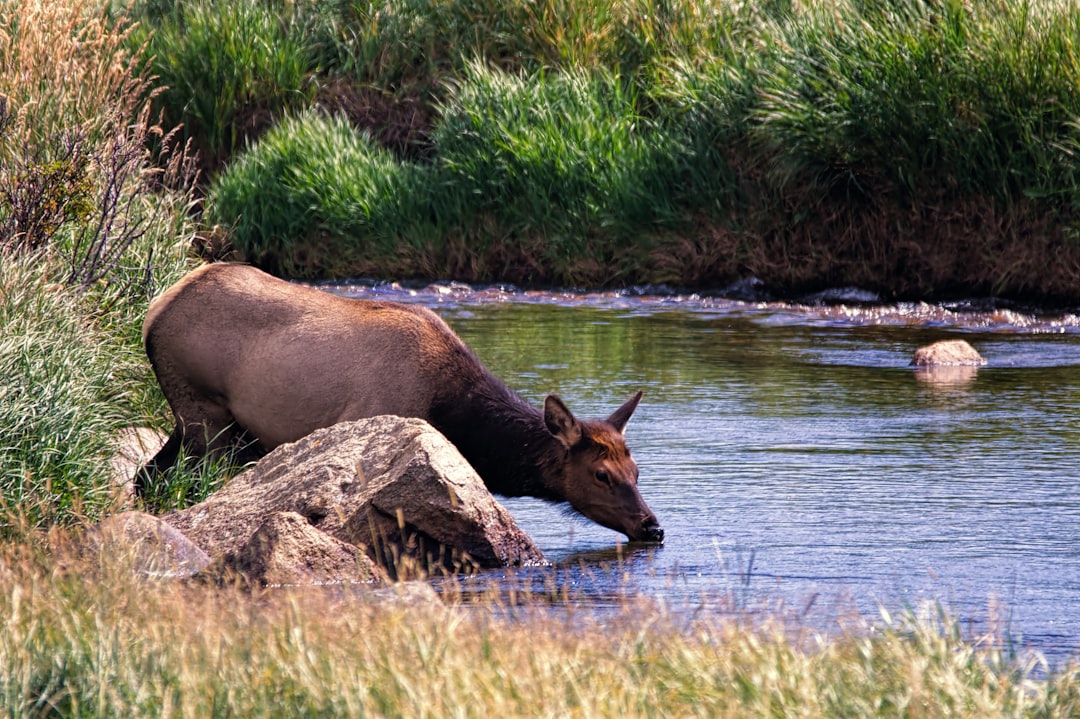
Elk need water daily during warm weather, and that simple biological fact creates one of the most reliable hunting strategies in the West. While glassing vast basins and chasing bugles gets more attention, positioning yourself near the right water source can put you on elk when nothing else works. The key is knowing which water sources matter, when elk use them, and how to hunt them without turning a productive spot into a ghost town.
This strategy shines during archery season and early rifle hunts when temperatures run high and natural water is scarce. It also works in drier units where elk patterns become predictable out of necessity. But hunting water requires patience and restraint — push too hard or set up wrong, and you will educate every elk in the drainage.
Why Water Sources Concentrate Elk
Elk drink once or twice daily during hot weather, typically in early morning or late evening. Unlike mule deer, which can go days without water by consuming moisture-rich browse, elk are large-bodied animals that need consistent hydration. A mature bull can drink several gallons in a single session.
In units with abundant creeks and seeps, elk have options and their patterns stay loose. But in arid country or during drought years, limited water creates choke points. Entire herds may funnel to a single stock tank or spring over a 48-hour period. These concentration points give hunters a massive advantage if they are willing to sit and wait.
Water is also a social hub. Cows bring calves to drink. Satellite bulls check in to monitor herd activity. Even nocturnal elk often linger near water longer than they would in open feeding areas, especially if thick cover is close.
Which Water Sources Hold Elk
Not all water is created equal. Elk prefer certain types of sources based on cover, accessibility, and whether the area feels safe.
Springs and Seeps
Natural springs with dense vegetation are elk magnets. The surrounding willows, alders, or thick grass provide security cover, and the soft ground often shows fresh tracks within minutes of a herd moving through. Springs in shaded draws or north-facing slopes stay cooler and hold elk longer during midday heat.
Look for springs with multiple approach trails. If elk are using a spring heavily, you will see a network of beaten paths converging from different directions. Fresh tracks, droppings, and muddy wallows are dead giveaways.
Stock Tanks and Dirt Tanks
Ranch stock tanks are controversial but productive. Elk use them heavily in units with limited natural water, especially if the tank sits in a canyon or near thick timber. Dirt tanks built for wildlife or livestock serve the same function.
The best tanks have cover nearby — a finger of pines, a rock outcrop, or a sagebrush flat where elk can stage before committing. Tanks in wide-open country get used, but elk approach cautiously and often only after dark.
Creeks and Ponds
Elk will drink from flowing creeks, but they prefer slower sections with soft banks where they can approach quietly. Beaver ponds are gold — the still water, lush grass, and proximity to timber create ideal conditions. Elk often bed within 200 yards of a good beaver pond and slip in to drink without traveling far.
Avoid fast-moving streams in steep terrain unless you see heavy sign. Elk use them opportunistically, but they are not destination water sources.
Wallows
Wallows are not primary drinking sources, but elk creating a wallow need water nearby. A fresh wallow with torn-up mud, rub trees, and a strong urine smell tells you a bull is working the area hard. Set up between the wallow and the nearest reliable water, and you have a high-odds ambush point during the rut.
When Elk Use Water
Timing your sit makes or breaks this strategy. Elk are crepuscular — most active at dawn and dusk — and their water visits follow that pattern during hunting season.
Morning Visits
Elk typically water in the first two hours after sunrise, especially if they fed in open parks overnight. They drink, then move toward bedding areas in timber or north-facing slopes. Morning sits work best when you can position yourself between known feeding areas and water.
The risk with morning hunts is scent. If thermals have not switched yet, or if you bump elk on their way in, you are done. Scout thoroughly and identify where elk are coming from before committing to a morning setup.
Evening Visits
Evening is prime time. Elk leave their beds mid-to-late afternoon, often stopping at water before moving into feeding areas. They are more relaxed in the evening, and fading light works in your favor for close setups.
Plan to be in position two hours before sunset. Do not wait until the last minute — elk often arrive earlier than expected, and you need time to settle in and let the area calm down.
Midday in Extreme Heat
During unseasonably hot weather, elk break the rules. I have glassed bulls watering at 11 a.m. in southern Colorado when temperatures hit 85 degrees by mid-morning. If you are hunting a heat wave, do not write off midday sits near shaded springs or deep ponds.
How to Hunt Water Without Spooking Elk
Hunting water is a game of patience and discipline. Blow it once, and elk avoid that spot for days.
Scout First, Hunt Second
Never set up on water without confirming elk are using it. Check for fresh tracks, droppings, and disturbed mud. Use trail cameras if legal in your state — a week of photos will tell you exactly when elk are showing up and which trails they are using.
If you find a good source but no fresh sign, move on. Elk are mobile, and water sources fall in and out of rotation based on hunting pressure and food availability.
Set Up Downwind and Downhill
Elk approach water from above whenever possible. They use elevation to watch for danger and let thermals carry scent down to them. Your setup needs to account for this.
Position yourself downwind of the primary approach trail, ideally with the water between you and where you expect elk to appear. If you are bowhunting, you need to be close — 30 yards or less — which means finding cover that hides your outline and breaks up movement.
Glass from a distance first if possible. Set up a spotting scope 400-600 yards away and watch the water during prime time for a day or two. You will learn which trails elk use, how long they linger, and whether they are coming alone or in groups.
Sit Longer Than Feels Comfortable
Most hunters give up too early. Elk do not punch a clock. A herd might show up at 6:15 p.m. one evening and 7:45 p.m. the next. Commit to sitting until shooting light ends, and do not fidget.
Bring a pad to sit on, wear layers to stay comfortable, and mentally prepare to stay motionless for hours. The moment you stand up to stretch or check your phone is the moment a bull steps out.
Limit Repeat Visits
Do not hunt the same water source day after day. Elk are not stupid. If they smell human scent or see movement near water, they shift to a backup source or start watering after dark. Hit a spot once, maybe twice in a week. If you are not successful, move to another water source or change strategies entirely.
Using TAGZ to Find Water Sources
TAGZ helps you identify productive elk units with the terrain breakdowns, public land layers, and unit boundaries you need to locate water sources before you ever apply. Filter units by weapon type, draw odds, and season dates to find hunts that overlap with hot weather when water becomes critical. Compare units side by side using historical draw data and terrain maps to choose hunts where water concentration is part of the equation.
Once you draw, use TAGZ to mark water sources on unit maps and track preference points across states so you are always planning your next hunt. Whether you are chasing OTC tags or waiting on a limited-entry draw, TAGZ gives you the tools to make smarter decisions before you step into the field.
Common Mistakes When Hunting Water
Even experienced hunters make critical errors that kill this strategy.
Hunting Pressured Water Sources
If a stock tank or spring is marked on every digital map and sits 100 yards from a road, assume other hunters know about it. Pressured water gets hit hard opening weekend and becomes useless fast. Walk farther. Find the secondary spring a half-mile off the trail that requires effort to reach.
Ignoring Wind and Thermals
Wind trumps everything. If the breeze is wrong, elk will smell you before they see the water. Learn how thermals shift in mountain terrain — rising in the morning as the sun heats the slopes, falling in the evening as temperatures drop. Set up where evening thermals pull your scent away from approach trails.
Setting Up Too Close
Bowhunters especially tend to crowd the water. You do not need to be 15 yards from the edge. Elk often pause in cover 40-60 yards out before committing. If you are too tight, they smell or see you before you ever get a shot. Set up where you can cover the last 50 yards of the approach trail and the water itself.
Overhunting One Spot
Success on water requires rotation. Elk remember bad experiences. If you kill a cow at a spring, the rest of the herd may abandon it for the season. If you are hunting a limited unit with only a handful of reliable water sources, plan to let each one rest between sits.
Backup Strategies When Water Hunting Fails
Some days, elk do not show. They water before light, after dark, or somewhere else entirely. Have a Plan B.
If you sit water all evening and see nothing, use the last hour of light to still-hunt nearby bedding areas or glass feeding zones. Do not waste the entire evening locked into a single strategy when elk are clearly not cooperating.
If a previously productive water source goes dead, scout the surrounding drainages for alternate sources. Elk move based on pressure, food, and weather. A spring that held elk last week may be abandoned this week because a cold front pushed them into a different drainage.
FAQ — Using Water Sources to Find Elk
Do elk use water sources during rifle season?
Yes, but less predictably. Cooler temperatures in late September and October reduce water dependency, and hunting pressure pushes elk into nocturnal patterns. Water is most effective during early archery and rifle hunts when temperatures are still high.
How far will elk travel to water?
Elk may travel one to three miles between bedding and water, but they prefer shorter distances. In dry units, they often bed within a half-mile of reliable water to minimize exposure.
Can you hunt water on public land?
Yes, but check regulations. Some states prohibit hunting within a certain distance of developed water sources like stock tanks. Natural springs and creeks are fair game unless otherwise posted.
What if I find water with no elk sign?
Move on. Just because water exists does not mean elk are using it. Fresh tracks and droppings confirm activity. Without sign, you are gambling on a low-odds setup.
Should I hunt water in heavy timber?
Only if you can set up where visibility allows a shot. Dense timber near water is better suited for calling or still-hunting. Water hunting works best in semi-open terrain where you can see elk approach.
How do I know if a water source is worth hunting?
Fresh sign is the decider. Tracks less than 24 hours old, fresh droppings, disturbed mud, and multiple approach trails all indicate active use. If the area smells like elk and the sign is current, it is worth a sit.
Was this article helpful?
Previous
Best Budget Elk Calls — Proven Options for Under $40
You do not need expensive gear to call in a bull. These budget elk calls under $40 deliver proven performance for bugle tubes, diaphragms, and cow calls without breaking the bank.
Next
Complete Guide to Whitetail Hunting: Strategies, Tactics & Year-Round Planning
Master whitetail hunting with proven strategies for scouting, stand placement, rut tactics, and shot selection. This complete guide covers everything from pre-season preparation to post-season evaluation for consistent success on whitetail deer.