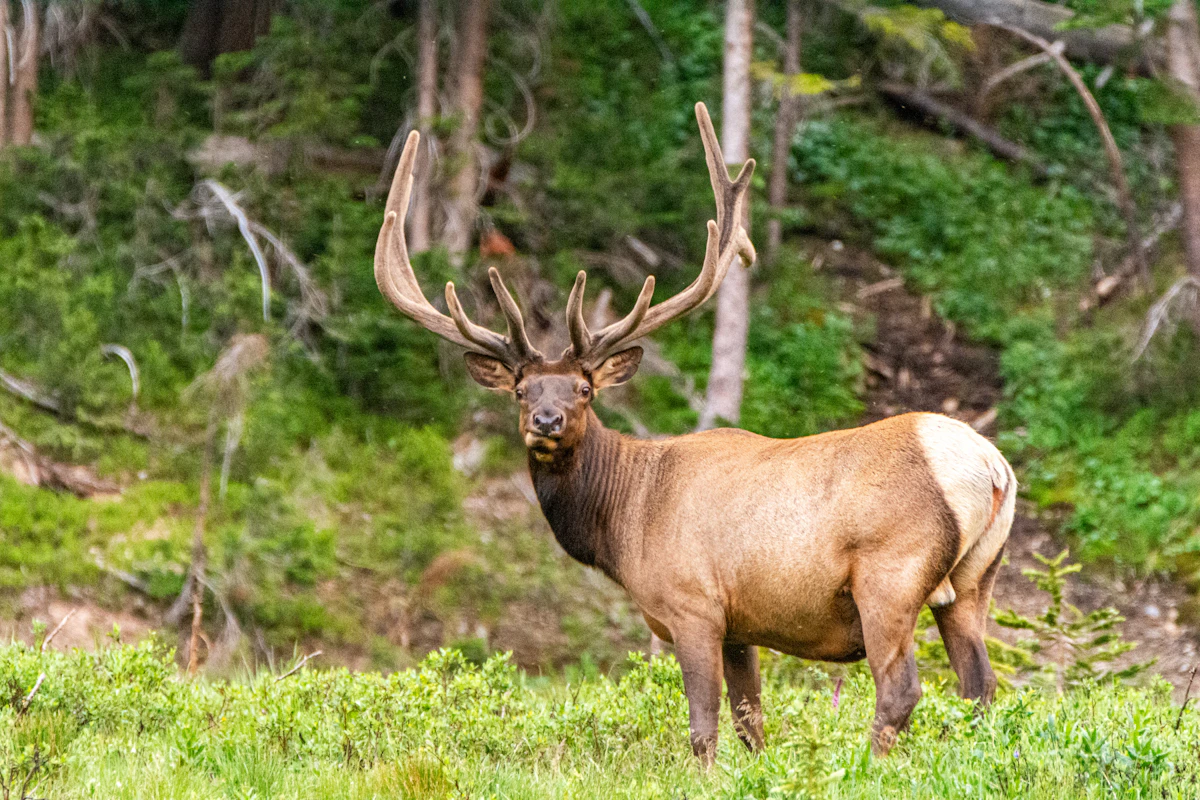
Where Elk Go After Opening Weekend — And How to Find Them
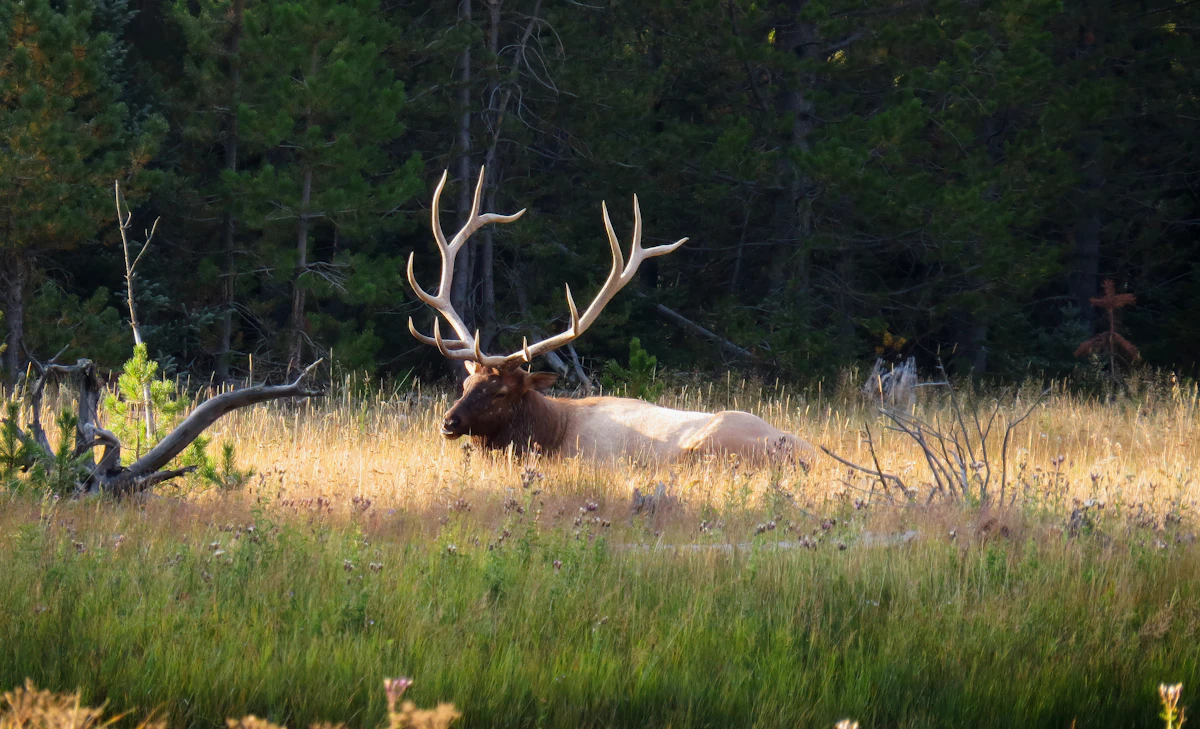
Elk vanish after opening weekend. Hunters pack out of trailheads by Sunday evening convinced the animals migrated to another unit or disappeared entirely. The truth is simpler. Elk moved, but they did not go far. They relocated to sanctuaries where hunting pressure cannot reach them easily, and they will stay there until the next wave of pressure forces another move. Understanding where elk go after opening weekend and why they choose those locations will put you in front of bulls when most hunters are glassing empty slopes.
Elk Do Not Migrate After Opening Weekend
Elk are creatures of habit within their home range. A spike camp on opening weekend might feel like a gold rush, but the elk did not leave the mountain. They shifted to terrain features that offer security from predators and hunters. Bulls that summer in alpine basins drop into dark timber, steep north faces, or isolated pockets of timber surrounded by private land boundaries. Cows push into roadless drainages where ATVs cannot follow. These sanctuaries exist in every elk unit, and most hunters walk right past them chasing distant bugles that echo from the next ridge.
Research from wildlife biologists studying GPS-collared elk shows that disturbed elk typically move less than two miles from their original location after heavy hunting pressure. They do not need to travel far to find security. A single timbered ridge between two popular trailheads becomes a fortress if it lacks trails, water sources hunters check regularly, or easy walking terrain. Elk bed in these pockets during daylight hours and feed at night in meadows hunters glassed on opening morning. The animals are still there. Most hunters just stopped looking in the right places.
Sanctuaries Share Common Features
Every elk sanctuary shares identifiable terrain characteristics. Thick timber with limited sight lines ranks first. Elk feel secure in lodgepole stands, aspen groves choked with deadfall, or dark spruce patches where a hunter cannot see more than thirty yards. These areas frustrate glassing but provide bedding security that keeps elk calm during daylight. Look for timber adjacent to feed but far enough from trails that casual hunters skip it entirely.
Steep, nasty country ranks second. Elk tolerate brutal terrain better than humans. A north-facing slope covered in blowdown and scree between two drainages becomes prime elk habitat after opening weekend because most hunters refuse to climb it. If your map shows a saddle or ridgeline requiring a thousand-foot climb through no trails and heavy timber, mark it as a high-probability sanctuary. Elk bed on benches halfway up those faces where thermals allow them to smell danger approaching from below and hear anything coming from above.
Water access matters, but not the obvious creeks. Elk shift to springs, seeps, and small tributaries that do not appear on most maps. These water sources sit in thick cover or require off-trail navigation to reach. Hunters check main creeks and beaver ponds near trails. Elk use hidden water sources tucked into dense timber where human scent does not linger. Scout these areas in summer using satellite imagery and mark any green patches surrounded by timber as potential post-pressure sanctuaries.
Glass the Edges, Not the Centers
Elk sanctuaries are bedding areas during daylight after opening weekend. Bulls do not stand in meadows at noon waiting for hunters. They bed in timber and feed at dawn and dusk on the edges of sanctuaries where cover meets openings. Your glassing strategy must shift from wide-open basins to transition zones. Set up at first light where dark timber fingers into sidehill parks or benches. Watch the last fifty yards of timber before it opens into a meadow. Elk step out for minutes, feed, and disappear before most hunters finish their coffee.
Glass micro-terrain features within sanctuary edges. A single boulder pile in a timbered bench provides bedding security for a bull. A fallen log creating a natural sight barrier becomes a bedding spot. Elk do not need massive meadows to bed. They need cover, thermals, and a vantage point to monitor danger. Use high-quality optics and glass slowly. Post-pressure elk show less of their body. You are looking for an ear flick, antler tine, or rump patch in deep shadow, not a full-body broadside bull.
Timing matters. Elk move at dawn and dusk, but the movement windows shrink after opening weekend. A bull might feed for two hours on opening morning. After pressure, he feeds for twenty minutes in last light and disappears. Adjust your hunt schedule. Be in position an hour before sunrise and stay until full dark. The middle of the day belongs to still-hunting timber or napping in camp. Glassing mid-day sanctuaries rarely produces results unless weather pushes elk to adjust their routine.
Follow Sign Into Sanctuaries
Elk leave tracks, droppings, rubs, and wallows even in sanctuaries. Fresh sign tells you where elk are living now, not where they were three weeks ago during scouting season. After opening weekend, spend time walking timber edges and checking trails that lead away from pressure points. Look for tracks heading uphill or into timber after dawn. Those tracks mark the route elk use to return to bedding areas after feeding.
Rubs and wallows concentrate near sanctuary edges during the rut. Bulls maintain dominance displays even under pressure, but they move those activities closer to bedding areas. A fresh rub line leading into thick timber tells you a bull is bedding nearby and traveling that route regularly. Wallows in hidden basins or springs indicate bulls are using that area as a core zone. Mark these on your GPS and plan ambush setups near them during peak movement windows.
Pellet piles and beds provide confirmation. Fresh pellets in timber mean elk are bedding there now. Elk beds show as oval depressions in duff or grass, often on benches with downhill views. Multiple beds in a small area indicate a herd is using that sanctuary. Beds on ridgelines facing prevailing wind direction show elk are using terrain and thermals for security. Reading sign in sanctuaries is slower work than glassing, but it confirms elk presence when visuals fail.
Hunt Pressure Creates Patterns
Elk respond to hunting pressure with predictable behavior. The first wave of hunters on opening weekend pushes elk into sanctuaries. The second wave, typically the following weekend, pushes them deeper or into alternative sanctuaries within the same drainage. By the third weekend of season, elk have established pressure-response patterns. They know where hunters park, which trails get used, and what time of day danger appears. Use this to your advantage.
Plan hunts mid-week when pressure drops. Elk relax slightly and expand their movement patterns. A bull that beds a mile from the trailhead on Saturday might feed within half a mile on Wednesday. Weekend warriors create predictable disturbances. Mid-week hunters exploit the calm between storms. If your schedule allows, hunt Tuesday through Thursday when trails are empty and elk feel less pressure.
Hunt the opposite direction of prevailing hunter traffic. Most hunters follow main trails into popular basins. Elk move perpendicular or opposite to that traffic. If the majority of hunters hike west into a basin, scout the ridges north and south of that basin. Elk pushed out of the main drainage settle into side drainages that require off-trail navigation. These areas receive minimal pressure and hold elk all season.
Adapt Your Tactics for Pressured Elk
Pressured elk require different tactics than opening weekend bulls. Calling becomes less effective unless you are in a true sanctuary where elk feel secure. Bugling on ridgelines near trailheads educates bulls and pushes them deeper. Save aggressive calling for verified sanctuaries where you have confirmed fresh sign and limited hunter pressure. Even then, use cow calls and subtle bugles that mimic natural elk communication rather than aggressive challenges.
Still-hunting timber becomes the primary tactic. Move slowly through sanctuaries with wind in your favor, stopping every few steps to glass ahead and listen. Pressured elk bed in thick cover but remain alert. They hear you before you see them. Walk fifty yards, stop for five minutes, glass, and repeat. This pace feels unnaturally slow but matches how elk use their environment. You are hunting bedded elk in close quarters, not chasing bugles across basins.
Ambush setups near travel corridors work when you have confirmed patterns. Set up near trails connecting bedding and feeding areas, focusing on terrain funnels that force elk movement. A saddle between two timbered ridges, a creek crossing with limited options, or a bench that connects two basins all funnel elk traffic. Sit these spots during peak movement windows with wind and thermals in your favor. Pressured elk move less, but they still move predictably between security and feed.
TAGZ Helps You Find Post-Pressure Elk
TAGZ gives you the tools to identify sanctuaries before you step into the field. Terrain maps show timbered benches, steep faces, and off-trail drainages that most hunters skip. Unit boundaries overlay public land data so you can find isolated pockets of accessible ground surrounded by private land where elk push after pressure. Compare units side by side to identify which areas receive heavy opening weekend traffic and which units offer backcountry sanctuaries with lower hunter density.
Track your preference points and bonus points across multiple states so you can target units with better elk-to-hunter ratios. Draw odds data shows which units get hammered every year and which limited-entry units offer quality hunting with controlled pressure. Plan multi-state application strategies targeting units where sanctuaries exist and hunting pressure stays manageable. Whether you are chasing OTC tags or planning a trophy limited-entry hunt, TAGZ gives you the tools to make smarter decisions before you ever step into the field.
Use TAGZ filtering to narrow hunts by weapon type, season dates, and terrain features. Rifle hunters face different pressure patterns than archery hunters. Late-season hunts push elk into winter range sanctuaries different from early-season summer patterns. Filter hunts to match your style and identify units where post-pressure sanctuaries align with season dates and tag availability. TAGZ simplifies western hunting applications and hunt planning so you spend more time hunting and less time researching.
Weather and Moon Phase Influence Movement
Elk adjust movement patterns based on weather and moon phase even under hunting pressure. A full moon allows elk to feed at night and bed all day in sanctuaries. You will see fewer elk during daylight on full moon periods regardless of pressure levels. Plan hunts around new moon phases when elk feed during legal shooting light and movement windows expand.
Weather fronts push elk to move regardless of pressure. A cold front or early snow forces elk to feed heavily before the storm and again immediately after. These movement windows override pressure patterns temporarily. Monitor weather forecasts and hunt the day before a front arrives or the morning after it clears. Elk will leave sanctuaries to feed during these windows even in heavily pressured units.
Wind direction matters more after opening weekend. Pressured elk rely on their nose above all other senses. A bull will tolerate human sound if wind carries your scent away. He will not tolerate your scent regardless of how quiet you are. Plan every stalk, ambush, and still-hunt with wind and thermals as the primary consideration. Elk sanctuaries work because thermals and terrain allow elk to smell danger before it arrives. Use the same advantages by hunting with wind in your face and moving during stable thermal windows.
Hunt the Recovery Period
Elk relax after sustained pressure ends. The week following a holiday weekend or the period after most tag holders fill out sees elk expand their movements again. Bulls return to preferred feeding areas, increase daytime activity, and respond to calls more readily. This recovery period offers prime hunting opportunities for persistent hunters willing to stay in the field when others go home.
Late-season hunts capitalize on this pattern. By November, most archery and early rifle hunters have tagged out or stopped hunting. Elk settle into winter patterns with less daily pressure. Late-season sanctuaries differ from early-season refuges. Elk move to lower elevations, south-facing slopes with better feed, and areas closer to winter range. Scout these transitions and hunt the edges where elk stage before committing to full winter migration.
Consistency beats intensity after opening weekend. Hunters who put in three-day weekend trips and leave often miss elk that return to patterns mid-week. Hunters who stay in the field for seven to ten days see pressure cycles, elk adjustments, and recovery windows. If you can only hunt weekends, focus on the second and third weekends of season when pressure is lighter and elk have established predictable sanctuary patterns.
FAQ — Where Elk Go After Opening Weekend
Do elk leave the unit after opening weekend pressure?
No. GPS collar data shows pressured elk typically move less than two miles from their original location. They relocate to sanctuaries within their home range rather than migrate to new units.
What terrain features define an elk sanctuary?
Thick timber with limited visibility, steep north-facing slopes with blowdown, hidden water sources like springs or seeps, and areas far from established trails. Elk prioritize security cover over easy terrain.
Should I still call elk after opening weekend?
Calling works in true sanctuaries where elk feel secure, but avoid aggressive bugling near trailheads or heavily hunted areas. Use subtle cow calls and soft bugles that mimic natural communication rather than challenges.
When do pressured elk move during the day?
Movement windows shrink after opening weekend. Focus on the first hour of light and the last thirty minutes before dark. Mid-day movement is rare unless weather pushes elk to adjust.
How do I find sanctuaries without spending weeks scouting?
Use satellite imagery and terrain maps to identify timbered benches, steep faces between drainages, and isolated pockets of public land. Look for areas that require off-trail navigation and lack obvious hunter access. TAGZ terrain maps and unit boundaries help identify these sanctuaries before you leave home.
Is it worth hunting mid-week instead of weekends?
Absolutely. Elk relax when pressure drops mid-week and expand their movement patterns. Weekend hunting faces maximum competition and pressure. Mid-week hunts offer better odds of encountering unpressured elk.
Continue Planning Your Hunt
Elk sanctuaries exist in every unit, but finding them requires terrain analysis, sign reading, and understanding how pressure shapes elk behavior. TAGZ helps you identify high-probability sanctuary locations using terrain maps, unit boundaries, and public land overlays before you step into the field. Compare units side by side to see which areas receive heavy pressure and which offer backcountry sanctuaries with lower hunter density.
Track your preference points and bonus points across multiple states so you never miss a draw deadline. Filter hunts by weapon type, season dates, and terrain features to find units where post-pressure sanctuaries align with your hunting style. Whether you are chasing OTC tags or planning a trophy limited-entry hunt, TAGZ gives you the tools to make smarter decisions before you ever step into the field.
Explore more hunting strategies and unit breakdowns on the TAGZ Insights page. Ready to start planning your next hunt? Check out TAGZ pricing and see how the platform simplifies western hunting applications and hunt planning. Visit the TAGZ homepage to learn more about how we help hunters maximize draw opportunities and confidently plan western hunts from application season through the hunt itself.
Was this article helpful?
Previous
Finding Hidden Elk Pockets Everyone Walks Past
Most hunters push deep into the backcountry chasing elk, but often overlook productive pockets closer to roads and trailheads. Learn where elk hide in plain sight and how to identify overlooked terrain that holds mature bulls every season.
Next
How Mature Bull Elk Avoid Hunting Pressure — Tactics That Keep Them Alive
Mature bull elk survive by shifting terrain, going nocturnal, and exploiting hunter patterns. Learn how pressure changes their behavior and where to find them when other hunters push them deep.