Ground Blind Hunting Tips for Whitetail and Mule Deer — Setup, Concealment, and Shot Strategies
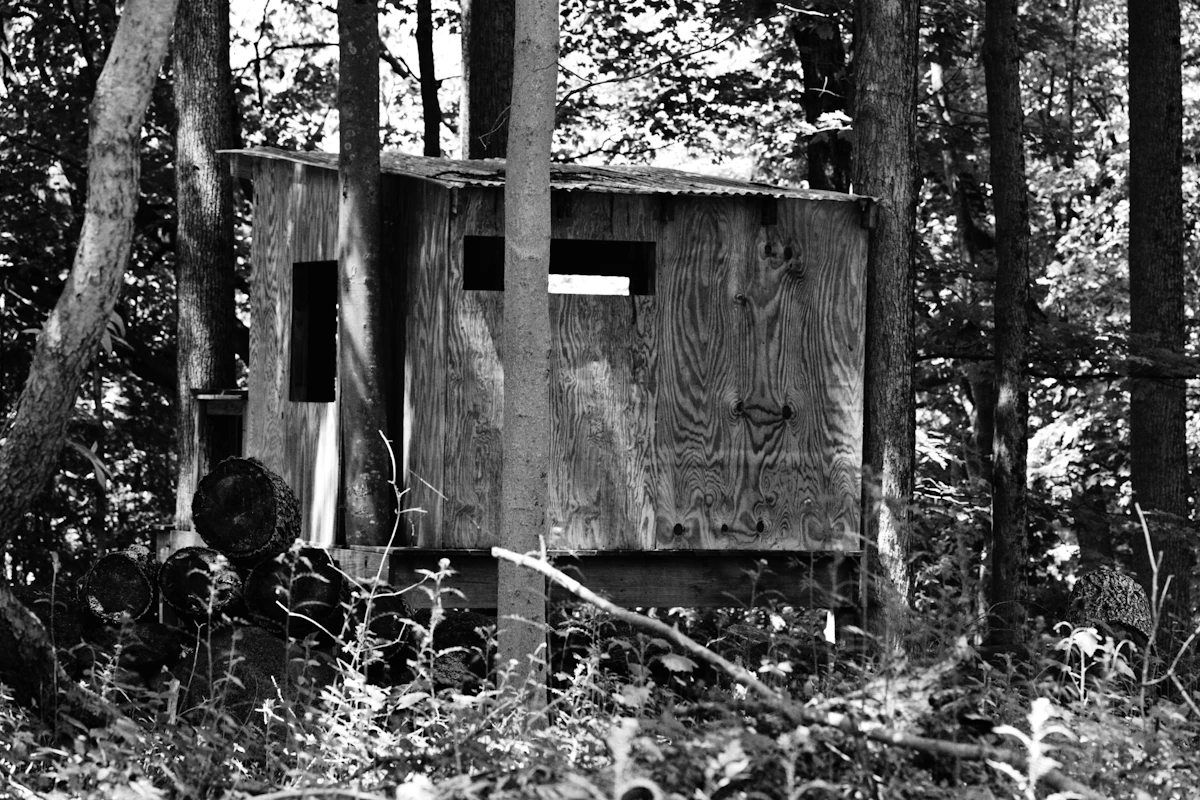
Ground blinds have become one of the most versatile tools in a deer hunter's arsenal. Whether you are bowhunting pressured whitetails on small acreage or glassing mule deer migration corridors in the West, a well-placed blind offers concealment, comfort, and shot opportunities that treestands and spot-and-stalk methods cannot always provide. But throwing up a blind and hoping for the best rarely works. Deer have survival instincts honed over thousands of years, and a poorly executed blind setup will spook more animals than it attracts.
This guide breaks down the essentials of ground blind hunting for deer — from selecting the right blind and choosing a setup location to managing scent, cutting shooting lanes, and executing the shot when a buck finally steps into range.
Why Ground Blinds Work for Deer Hunting
Ground blinds succeed because they break up your silhouette, contain movement, and allow you to hunt terrain that treestands cannot access. Mature bucks often travel thick draws, saddles, and transition zones where hanging a stand is impossible or downright dangerous. A ground blind lets you sit tight in these funnels without clearing shooting lanes that scream human intrusion.
Blinds also extend your hunting window. Cold mornings, high winds, and late-season snow hunts become manageable when you can sit comfortably out of the elements. Bowhunters gain draw concealment and the ability to shift positions without getting busted. Rifle hunters can steady their rifle on a window frame and wait out thermals that would otherwise carry scent into bedding areas.
The trade-off is reduced visibility and limited shooting angles. You sacrifice the overhead view of a treestand for ground-level concealment, which means terrain selection and blind placement become critical.
Choosing the Right Ground Blind
Not all ground blinds are created equal. Your choice depends on hunting style, terrain, and whether you plan to leave the blind in place or move it frequently.
Hub-Style Blinds
Hub-style pop-up blinds are the most common. They set up in minutes, fold into a carry bag, and work well for mobile hunting. Look for blinds with multiple windows for flexible shooting angles, silent window mechanisms that do not spook deer, and blackout interiors that prevent your silhouette from showing through the fabric. Larger blinds accommodate movement and multiple hunters, but they are harder to conceal in open terrain.
Panel Blinds
Panel blinds use a frame and fabric walls that stake into the ground. They are quieter in high winds than hub blinds and blend better with natural cover when brushed in properly. The downside is longer setup time and less portability. Panel blinds work best for season-long setups over food plots or pinch points you plan to hunt repeatedly.
Brush-In vs. Camo Pattern
Some hunters rely entirely on camo patterns. Others swear by brushing in blinds with natural vegetation. The reality is both matter. A blind with realistic timber or grassland camo helps at a distance, but up close, deer notice unnatural shapes and edges. Brushing in your blind with local vegetation — fallen branches, tall grass, shrubs — softens the outline and makes it part of the landscape. Just avoid overdoing it. A blind that looks like a beaver dam will draw curiosity, not confidence.
Terrain and Placement Strategy
Where you place a ground blind matters more than the blind itself. Deer move predictably based on food sources, bedding areas, terrain funnels, and wind direction. Your job is to identify high-probability travel corridors and position the blind where you can intercept deer without announcing your presence.
Funnels and Pinch Points
Deer follow the path of least resistance. Saddles between ridges, narrow strips of timber between fields, and creek crossings all concentrate movement. A blind placed in these natural funnels increases your odds of seeing multiple deer in a single sit. Look for fresh tracks, trails, and rubs that confirm the corridor is active.
Edge Cover
Deer feel safer traveling along edges where they can slip between cover and open ground. Setting up your blind on the edge of a food plot, CRP field, or oak flat keeps you in the transition zone where deer naturally move. Avoid placing the blind in the middle of an open field. Deer will circle downwind before committing, and you will get winded before they step into range.
Bedding Area Proximity
Hunting close to bedding areas can produce mature buck sightings, but it requires perfect execution. A blind positioned 50 to 100 yards downwind of thick bedding cover lets you intercept bucks as they rise in the evening or return in the morning. One mistake — loud setup, bad wind, slamming a truck door — and you blow out the entire area for days.
Wind Direction
Always set up with prevailing wind in mind. Even the best blind cannot hide human scent. Position the blind so your scent blows away from expected deer movement. If the wind shifts mid-hunt, resist the urge to move. Stay still, stay quiet, and hope the deer approach from a different angle.
Setting Up the Blind — Timing and Technique
The biggest mistake hunters make is setting up a blind the same day they plan to hunt it. Deer notice changes in their environment. A new structure that appears overnight triggers caution. Ideally, set up your blind one to two weeks before opening day. This gives deer time to accept it as part of the landscape.
If you are running a mobile setup and need to hunt the same day, choose a location with heavy natural cover where the blind blends in quickly. Brush it in immediately, avoid excessive noise, and hunt only if the wind is perfect.
Brushing In the Blind
Use natural vegetation from the immediate area — never transport foreign plants or branches that look out of place. Lean branches against the sides, weave tall grass into the frame, and break up the roofline with overhanging limbs. The goal is to soften the silhouette, not hide the blind entirely. Deer are used to seeing odd shapes in the woods. What spooks them is unnatural angles and colors that do not belong.
Interior Setup
Keep the interior organized. A cluttered blind leads to noise and missed opportunities. Use a padded stool or chair that does not creak. Place your bow or rifle within easy reach. Keep calls, rangefinder, and binoculars in designated spots so you can grab them without fumbling. If you are bowhunting, practice drawing inside the blind before the hunt. You need to know how much space you have and which windows allow a clean draw.
Scent Control and Entry Strategy
Ground blinds contain movement, but they do not contain scent. Deer will circle downwind of any setup, and if they catch your odor, the hunt is over. Treat ground blind hunting with the same scent discipline you would use for treestand hunting.
Shower with scent-free soap before the hunt. Wash your clothes in scent-eliminating detergent and store them in airtight bags. Spray down your boots, pack, and blind interior with scent killer. Avoid smoking, eating strong-smelling foods, or using scented hygiene products before heading to your setup.
Your entry and exit routes matter just as much. Walk into your blind location from a direction that does not cross deer trails or bedding areas. If possible, use a creek bed, ridgeline, or thick cover to mask your approach. The fewer ground scents you leave, the less likely deer will associate the blind with danger.
Cutting Shooting Lanes Without Spooking Deer
One of the most common mistakes is over-clearing shooting lanes. Hunters get excited, grab the chainsaw, and turn a natural funnel into a highway. Deer notice. A shooting lane should look like a natural gap, not a pruned corridor.
Use hand clippers to remove only branches that block a clean shot. Leave as much cover standing as possible. If you need to clear a low-hanging branch for bow clearance, cut it flush so no stub remains. Scatter the clippings away from the blind — piles of fresh cuttings are a red flag to deer.
Range your shooting lanes before the hunt. Know the exact yardage to key landmarks — a stump, a rub, a gap in the brush. This eliminates guesswork when a buck steps out and your heart rate spikes.
Shot Discipline and Movement Inside the Blind
The biggest advantage of a ground blind is concealment. The biggest disadvantage is limited visibility. You cannot scan 360 degrees like you can from a treestand, which means deer often appear suddenly and at close range.
Stay alert but stay still. Excessive movement inside the blind will catch a deer's eye, even through dark mesh windows. When a deer approaches, move only when its head is behind a tree or looking away. If you are bowhunting, draw when the deer's vision is blocked. Rifle hunters should avoid shifting the barrel until the deer is committed to the shooting lane.
Do not force a bad shot. If a deer angles through thick brush or stops just outside your shooting window, let it walk. Ground blinds give you the patience to wait for the right opportunity. Rushed shots lead to wounded animals and lost blood trails.
Common Ground Blind Mistakes That Cost Opportunities
Even experienced hunters make mistakes that reduce blind effectiveness. Here are the most common errors and how to avoid them.
Setting Up in the Open
A ground blind sitting alone in a field or open ridge is a beacon for deer to avoid. Always position blinds near natural cover — a tree, a bush, a rock pile — that breaks up the outline.
Ignoring Sun Position
Setting up with the sun behind you creates a silhouette inside the blind. Deer see your shadow moving through the mesh. Position the blind so the sun is to your side or in front of you, keeping the interior dark.
Using the Wrong Window Positions
Open all your windows before the hunt and deer will see straight through the blind. Open only the windows you need for shooting lanes and keep the rest zipped shut. This darkens the interior and hides your outline.
Overhunting a Blind Location
Deer pattern human activity. If you hunt the same blind every day, mature bucks will avoid the area. Rotate setups based on wind, pressure, and deer movement patterns. Save your best blind locations for high-probability sits during the rut or cold fronts.
Rifle Hunting vs. Bowhunting in a Ground Blind
Rifle hunters and bowhunters both benefit from ground blinds, but the tactics differ.
Rifle hunters can take longer shots through small windows. Use a shooting rest or bipod to steady your rifle on the window frame. Practice shooting from a seated position before the hunt so you know your effective range and holdover points.
Bowhunters need more space and larger shooting windows. A blind with 360-degree windows gives you flexibility to react when a buck circles downwind. Practice drawing your bow inside the blind at home. You need to know which windows allow a clean draw and which branches might catch your arrow.
Both weapons require discipline. Wait for the deer to commit to the shooting lane. Ground blinds give you patience. Use it.
Using Ground Blinds in Different Seasons
Ground blind tactics shift with the season.
Early Season
Deer are patternable and focused on food sources. Set up blinds near bean fields, alfalfa, or oak flats. Bucks are still in bachelor groups and moving predictably. Early season is the best time to establish blind locations before pressure pushes deer nocturnal.
Rut
The rut turns predictable deer into wandering ghosts. Ground blinds set along doe bedding areas, ridgelines, and funnels catch cruising bucks. Use grunt calls and rattling sequences from inside the blind to pull bucks into range.
Late Season
Cold weather and post-rut recovery push deer back to food sources. Cornfields, winter wheat, and standing beans become magnets. Late-season blinds should be placed near high-calorie food with minimal intrusion. Deer are skittish after months of pressure, so scent control and silent entry become even more critical.
FAQ — Ground Blind Deer Hunting
How long before a hunt should I set up a ground blind?
Set up your blind one to two weeks before you plan to hunt it. This gives deer time to accept it as part of the environment. If you must hunt the same day, choose a location with heavy natural cover and brush the blind in immediately.
Do ground blinds work for rifle hunting or just bowhunting?
Ground blinds work for both. Rifle hunters benefit from stable shooting rests and concealment in windy conditions. Bowhunters gain draw concealment and the ability to move without getting busted. Both require disciplined shot selection and patience.
How do I keep deer from smelling me in a ground blind?
Scent control is critical. Shower with scent-free soap, wash your clothes in scent eliminator, and spray down your gear before entering the blind. Always set up with the wind in your favor so your scent blows away from expected deer movement.
Should I brush in my ground blind or rely on camo?
Both matter. Camo patterns help at a distance, but up close, deer notice unnatural shapes. Brushing in your blind with local vegetation softens the outline and makes it blend into the landscape. Avoid overdoing it — too much brushing looks unnatural.
What is the biggest mistake hunters make with ground blinds?
Setting up in the open without natural cover. A blind sitting alone in a field or on a bare ridgeline stands out to deer. Always position blinds near trees, bushes, or terrain features that break up the silhouette.
Can I move a ground blind during the season?
Yes, but avoid moving it frequently in the same area. Deer notice changes and become cautious. If you need to relocate, do it during midday when deer are bedded, and give the new location a few days to settle before hunting it.
Continue Planning Your Hunt
Ground blinds are just one tool in a complete hunt strategy. Whether you are applying for limited-entry tags, tracking draw odds, or researching public land access, TAGZ helps you make smarter decisions before you ever step into the field. Compare units side by side using terrain maps, unit boundaries, and historical draw data. Track your preference points and bonus points across multiple states so you never miss a draw deadline. From application season through the hunt itself, TAGZ gives you the tools to confidently plan western hunts and maximize draw opportunities.
Explore more hunt planning resources and application strategies on the TAGZ Insights page. Ready to take control of your western hunting strategy? Check out TAGZ pricing and features or explore the TAGZ platform to start planning your next hunt.
Was this article helpful?
Previous
Best Budget Elk Calls — Proven Options for Under $40
You do not need expensive gear to call in a bull. These budget elk calls under $40 deliver proven performance for bugle tubes, diaphragms, and cow calls without breaking the bank.
Next
Complete Guide to Whitetail Hunting: Strategies, Tactics & Year-Round Planning
Master whitetail hunting with proven strategies for scouting, stand placement, rut tactics, and shot selection. This complete guide covers everything from pre-season preparation to post-season evaluation for consistent success on whitetail deer.