Best Elk Terrain Features: Where to Find Bulls When It Counts
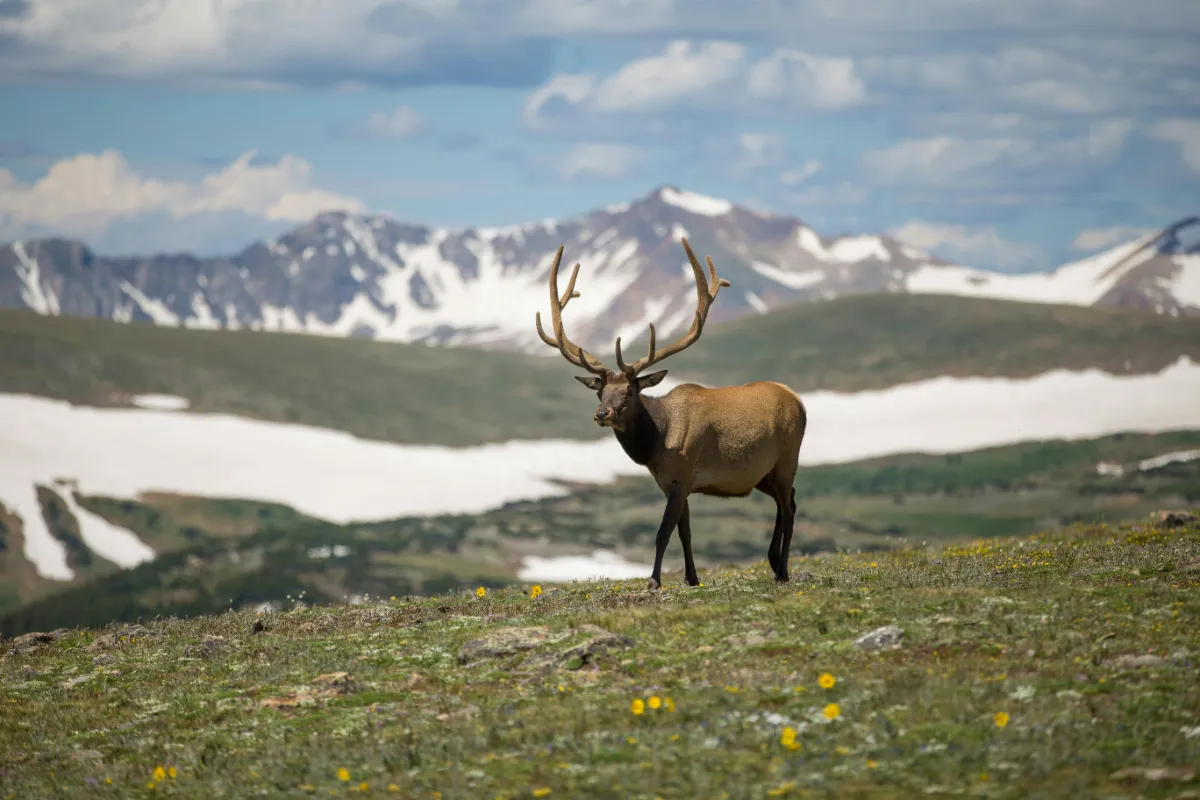
Elk use the same terrain features year after year, but most hunters overlook the details that matter. If you want to consistently find elk, you need to know what terrain they prefer, when they use it, and how pressure, weather, and access shift the game on a dime.
North Slopes, Dark Timber, and Bedding Cover
If you’re hunting midday or looking for a bull’s bedroom, start with north-facing slopes and benches covered in dark timber. Elk bed here for a reason: it’s cooler, damper, and offers visual cover from hunters and predators. They especially love spots with a breeze and a view downhill.
Look for benches partway down the slope, not right on top. These little shelves are often shaded and have good escape routes in multiple directions. In thick timber, glass from opposing ridges if possible, or slip in quietly during midday to catch elk moving to their beds.
Transition Zones and Edge Habitat
Elk rarely spend all day out in the open. Instead, they move between feeding areas (like south-facing aspen slopes, meadows, or recent burns) and bedding cover. These transition zones are prime ambush spots.
Morning and evening, focus on the edge where timber meets open country. Elk hang back in cover until the light fades, then slip out to feed. Midday, they may stage up in smaller pockets of brush or scattered aspen before heading deeper into timber. If you can find a faint trail or a saddle connecting these zones, sit tight — that’s where bulls slip through when pressured.
Water Sources and Secluded Draws
Water is a magnet, especially early season. It doesn’t have to be a giant pond. Tiny seeps, wallows, and springs tucked into north-facing draws see plenty of traffic when it’s hot or during the rut. Mark every water source you find, even if it’s just a muddy patch.
But remember, pressure changes everything. If an obvious waterhole is hammered by boot tracks, elk will shift to smaller, less obvious seeps or even water at night. Scout off the main trail and check for fresh tracks and droppings along game trails leading from bedding cover.
Pressure, Access, and Realistic Expectations
Here’s the honest truth: if you’re hunting a heavily pressured OTC unit, elk will avoid the easy country. Forget chasing bugles near trailheads all day long. Instead, plan to go farther or get creative — think steep, broken terrain, deadfall-choked ridges, or overlooked pockets close to roads where nobody hunts after opening weekend.
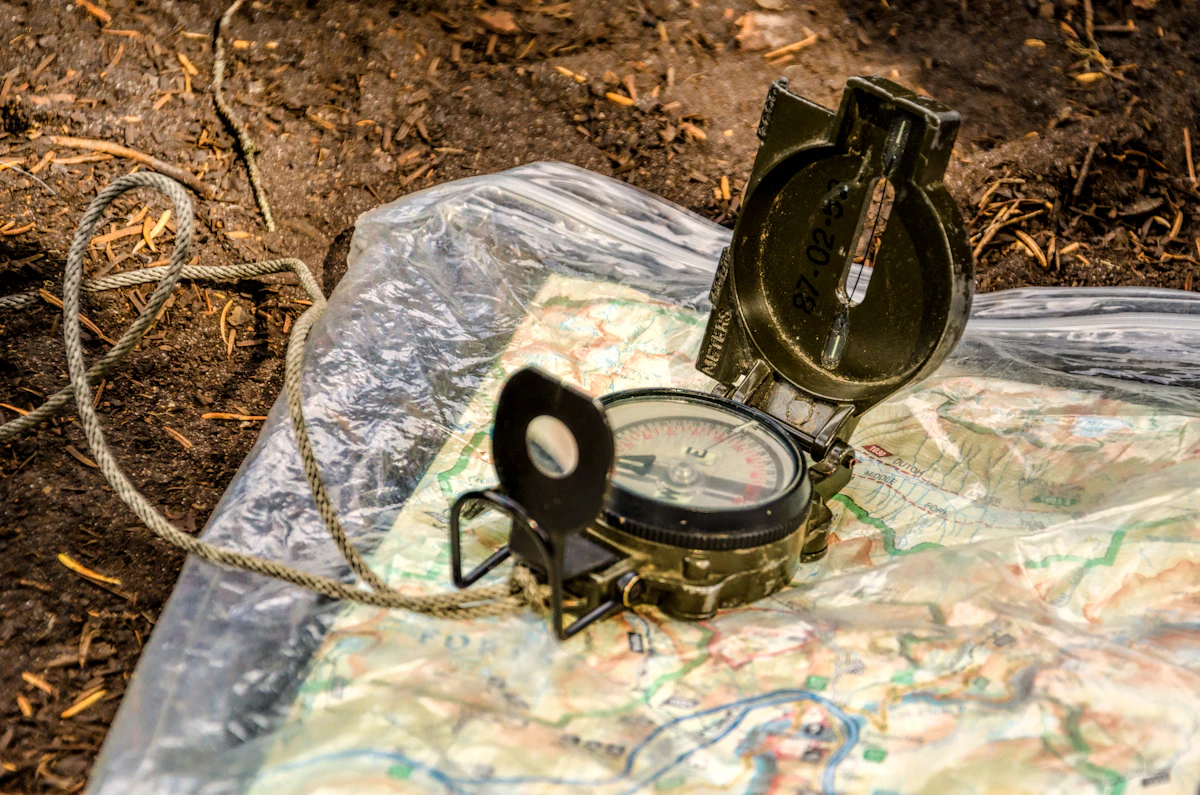
Use onX, TAGZ, or topo maps to find terrain features others miss: hidden benches, finger ridges, or nasty blowdown that makes most hunters turn back. If you’re not seeing boot tracks, you’re in the right spot.
Free to join
Download mobile app
- Detailed draw odds
- Point tracking
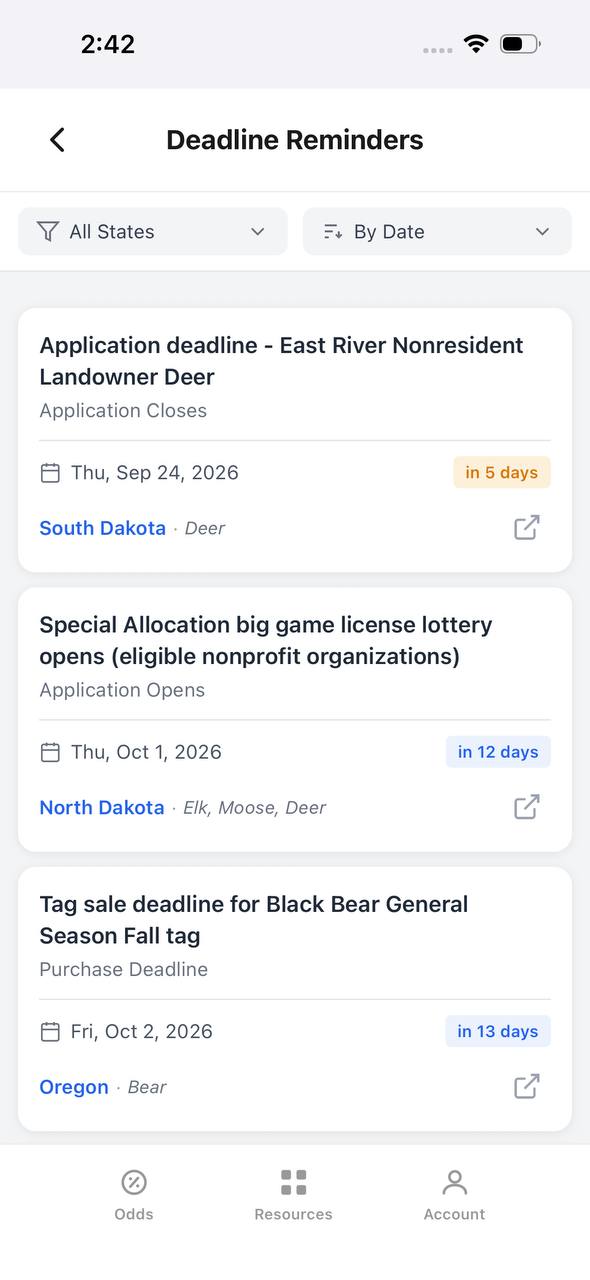
- Deadline reminders
- 18 states covered

Free to join
Download mobile app
- Detailed draw odds
- Point tracking
- Deadline reminders
- 18 states covered
Free to join
Download mobile app
- Detailed draw odds
- Point tracking
- Deadline reminders
- 18 states covered
How TAGZ Simplifies Terrain Planning
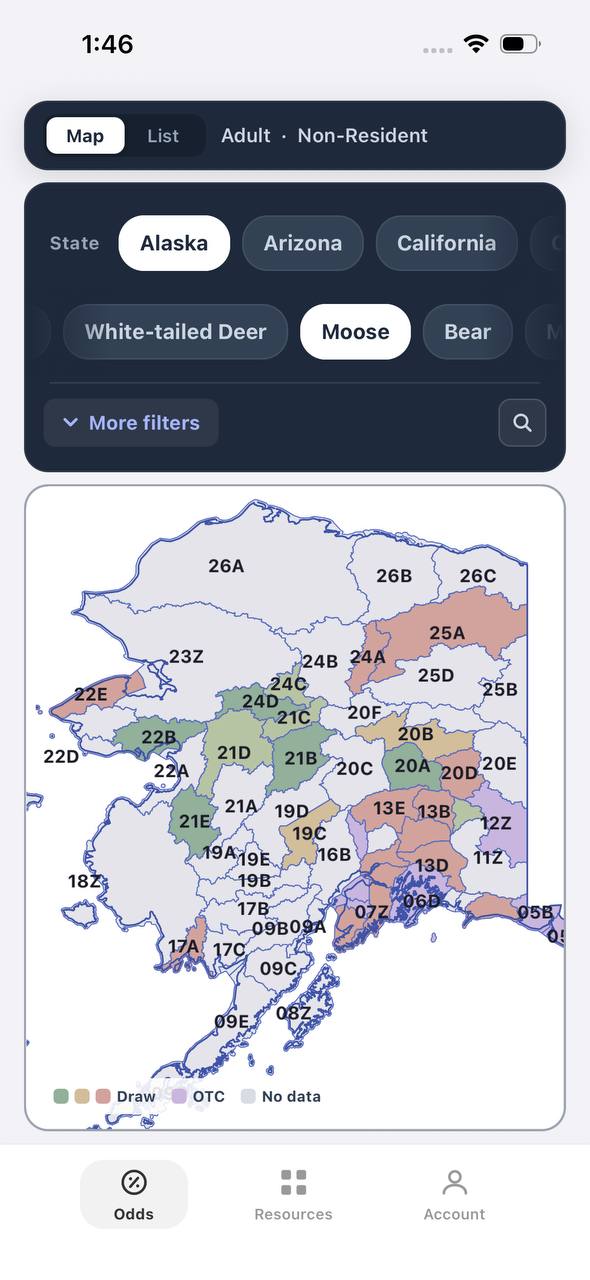
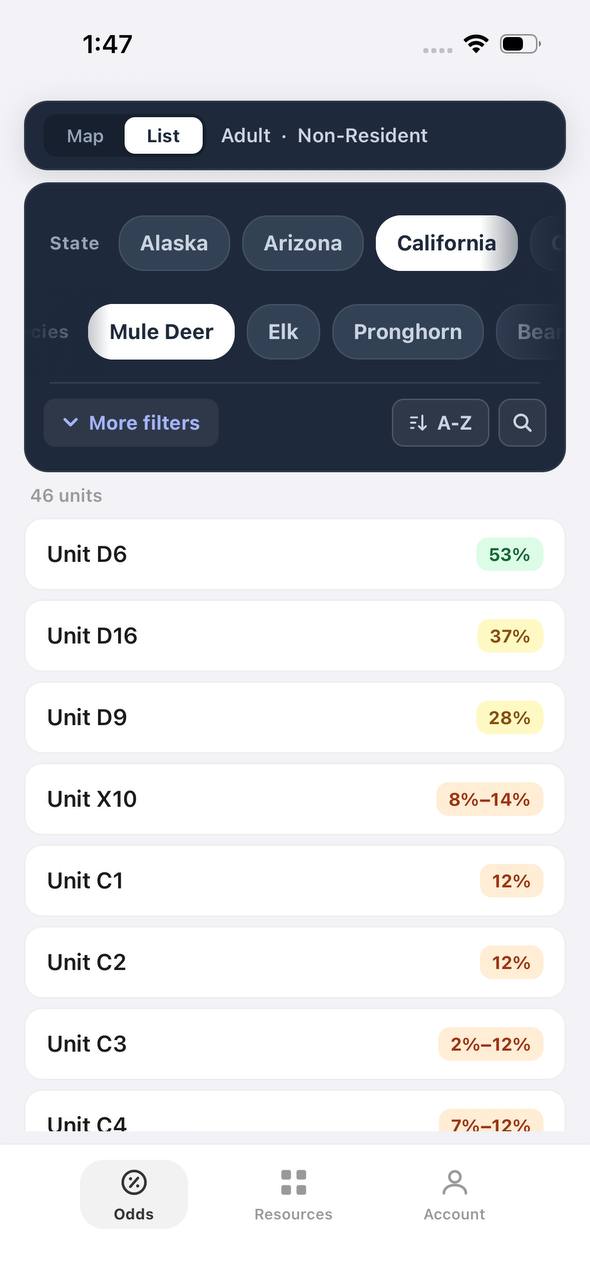
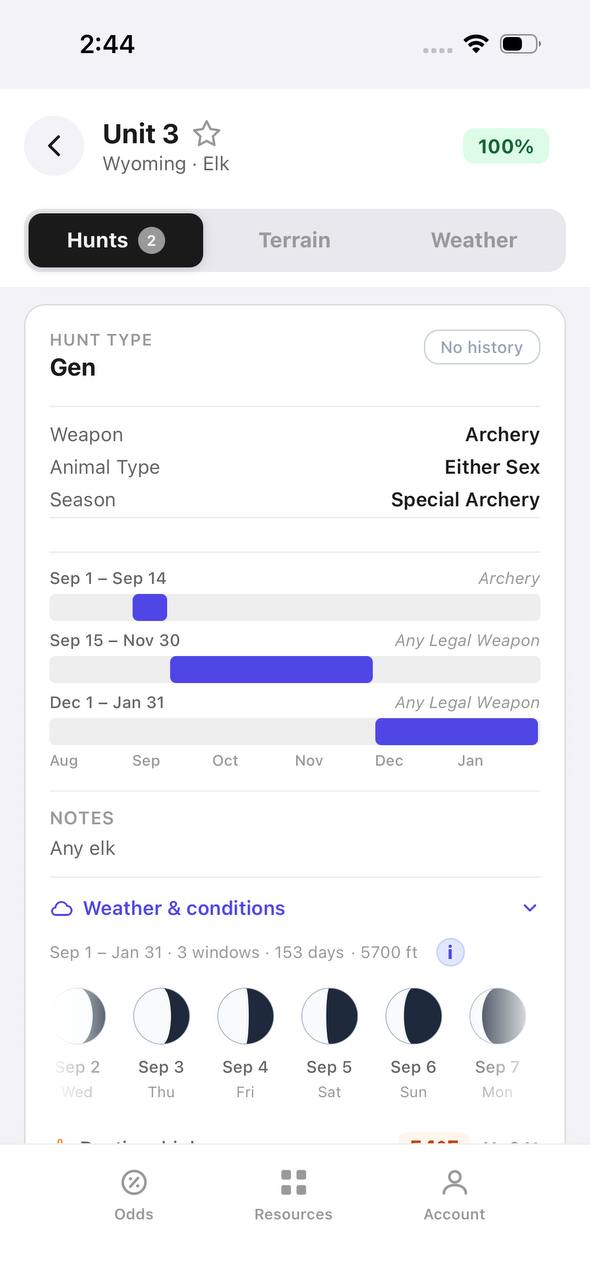
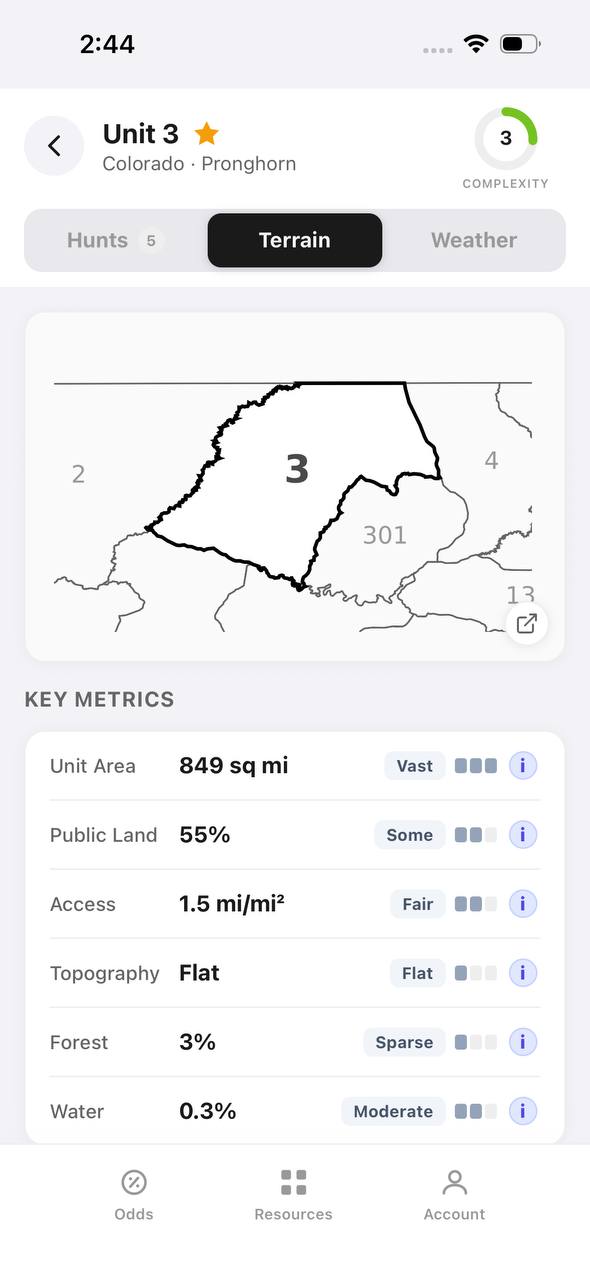
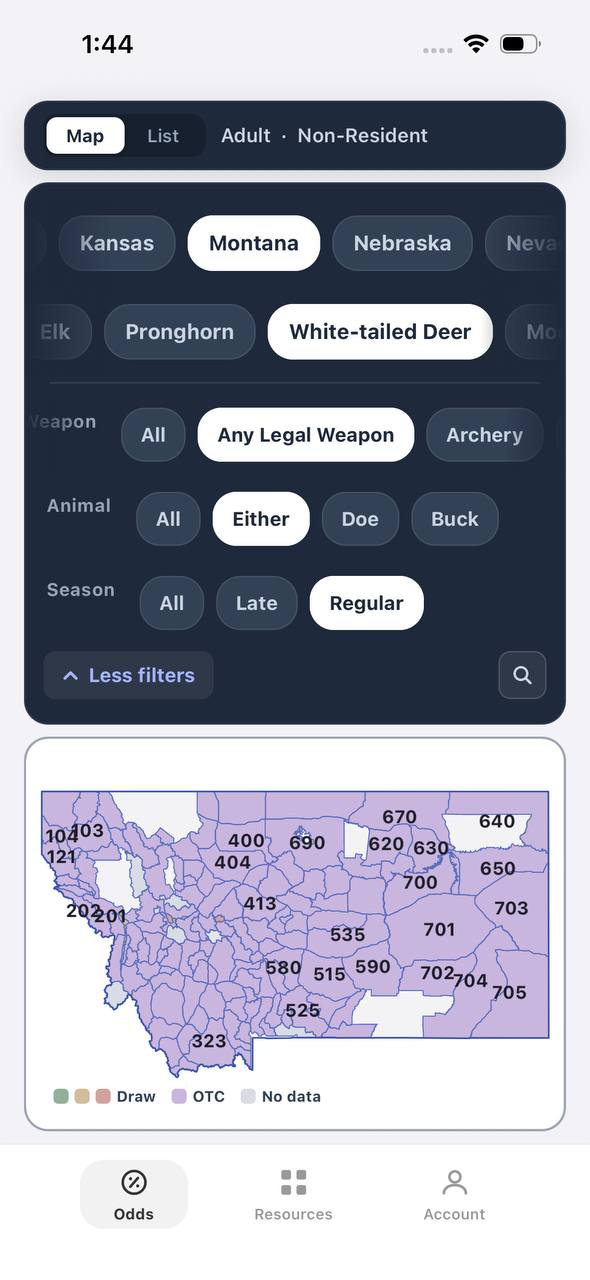
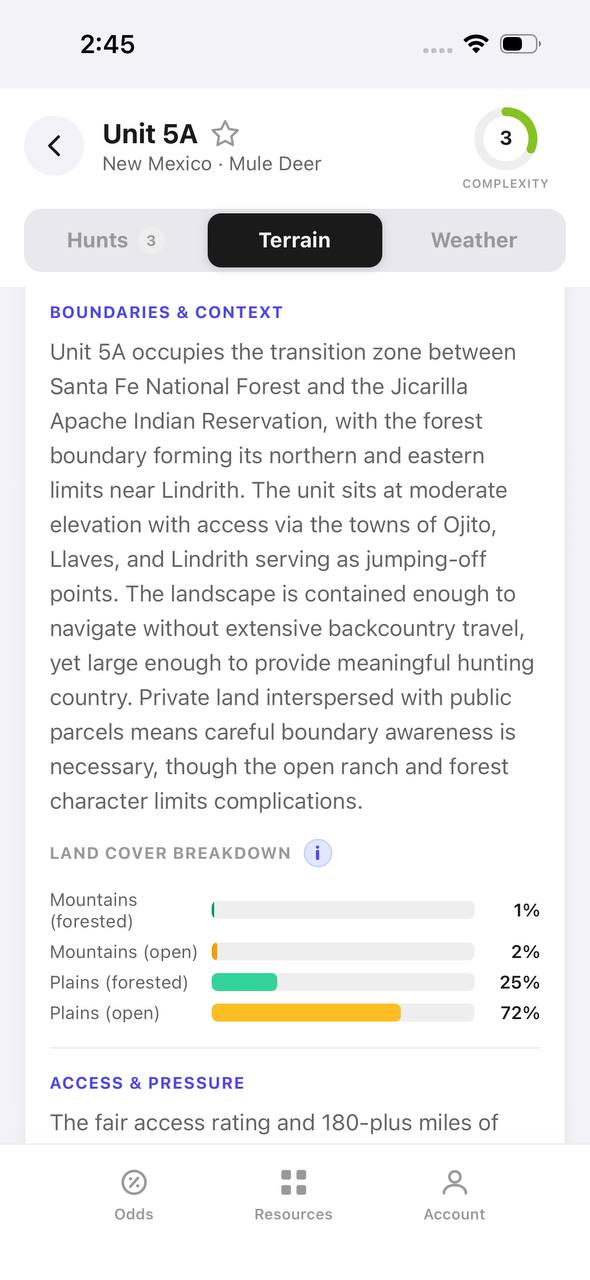
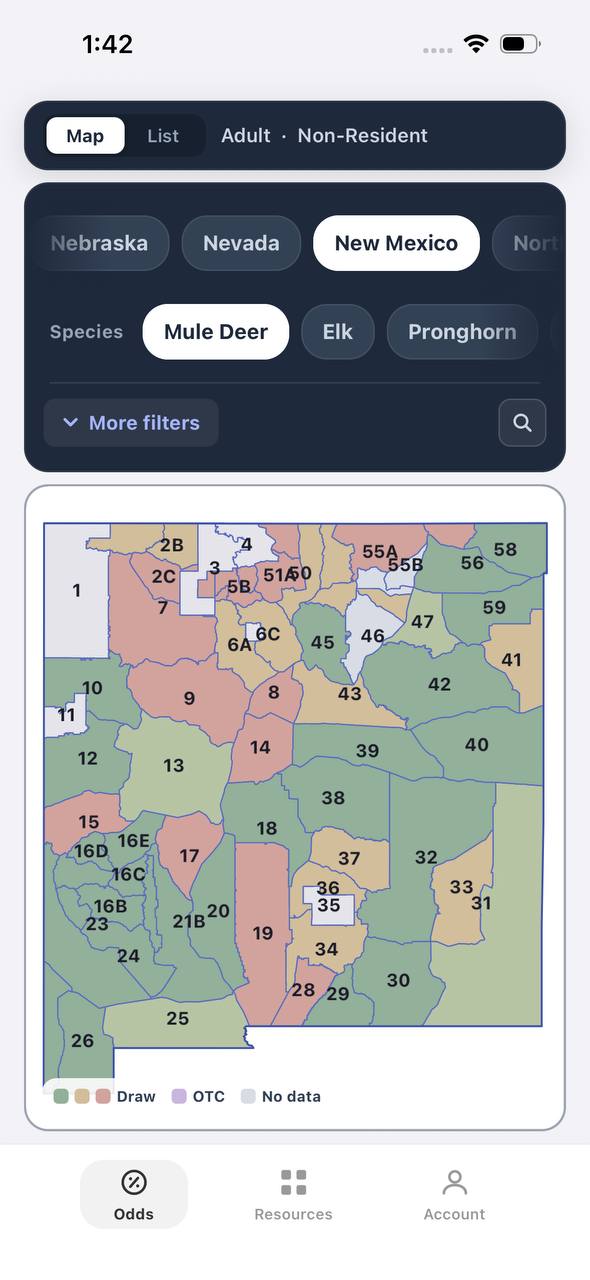
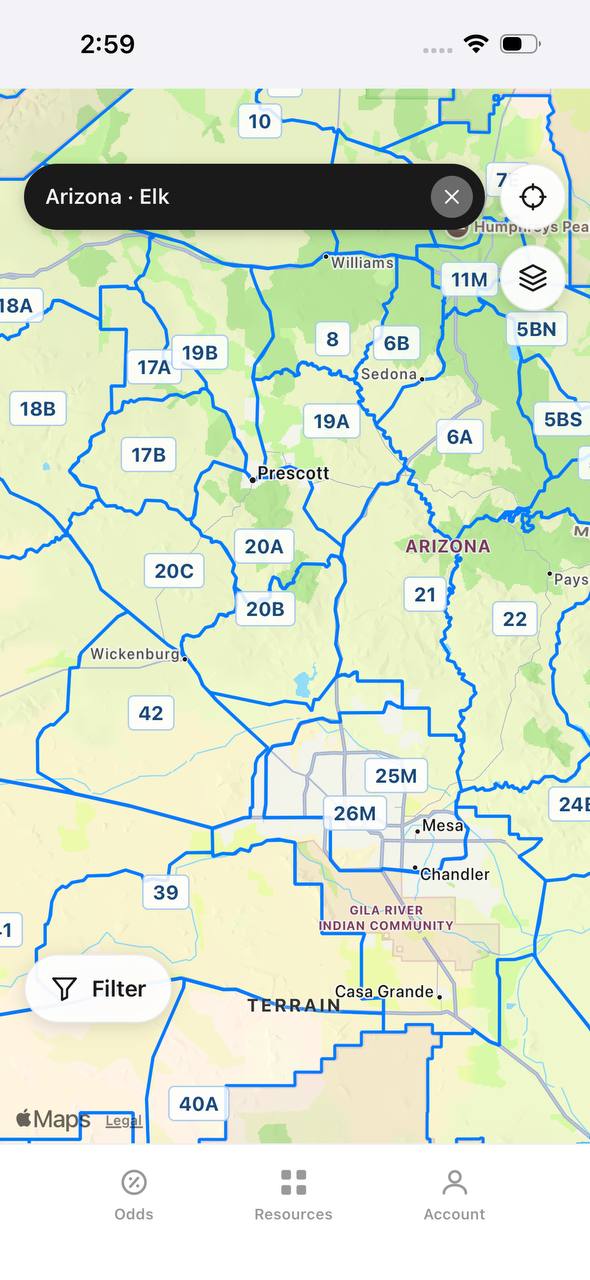
Digging through maps and old forum posts is slow, and mistakes cost you days in the field. TAGZ lets you compare terrain features, access, and historical pressure in seconds. Use it to narrow down your shortlist so your boots hit the right ground on day one.
Elk Terrain FAQ
What’s the best terrain feature for finding elk during archery season?
North-facing timbered benches close to feeding areas or secluded water are hard to beat, especially if they’re away from main trails.
How far do elk move from feeding to bedding?
It depends on pressure and terrain, but 0.5–2 miles is common. In pressured units, expect them to bed farther and earlier.
Do elk still use open meadows after rifle season starts?
Rarely in daylight. After opening shots, they stick to cover and only move at night unless you hunt remote, hard-to-access country.
How can I tell if a water source is active?
Look for fresh tracks, mud, droppings, and rubs. If you see old, dry sign and no recent activity, keep moving.
More Real-World Elk Strategies
Was this article helpful?
Previous
DIY Public Land Hunting: Real-World Tactics for 2026
The straightforward guide to DIY public land hunting in 2026, with honest advice on pressure, terrain, and how to maximize your odds.
Related
Colorado GMU 4 Elk Hunting Guide
Colorado GMU 4 is an opportunity-style unit where hunters who understand pressure can still find elk without pretending it is secret country. This guide breaks down terrain, access, pressure, scouting, and practical elk strategy so hunters can build a realistic plan before committing time or points.

Next
How to Read Topo Maps for Hunting: A Western Hunter’s Guide
Learn how to read topo maps like a seasoned hunter: spot prime habitat, plan access, and outthink hunting pressure. Real-world tips and strategy.