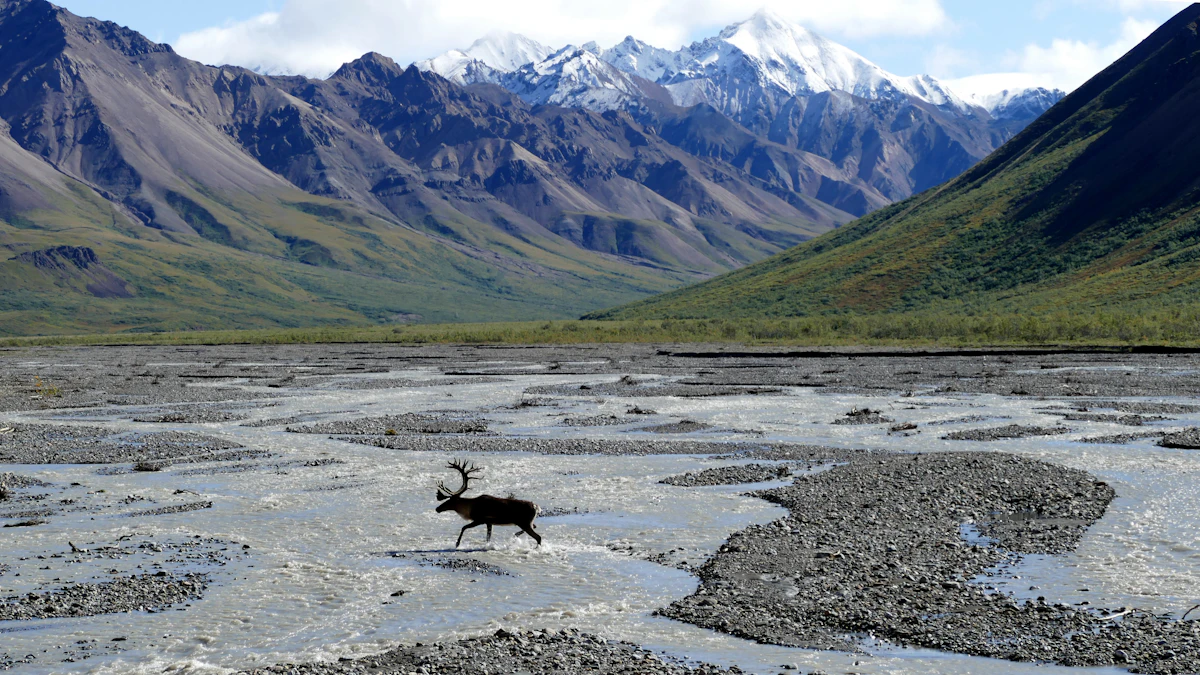
How to Hunt Elk Pressure: Why Most Hunters Fall Behind When It Gets Tough
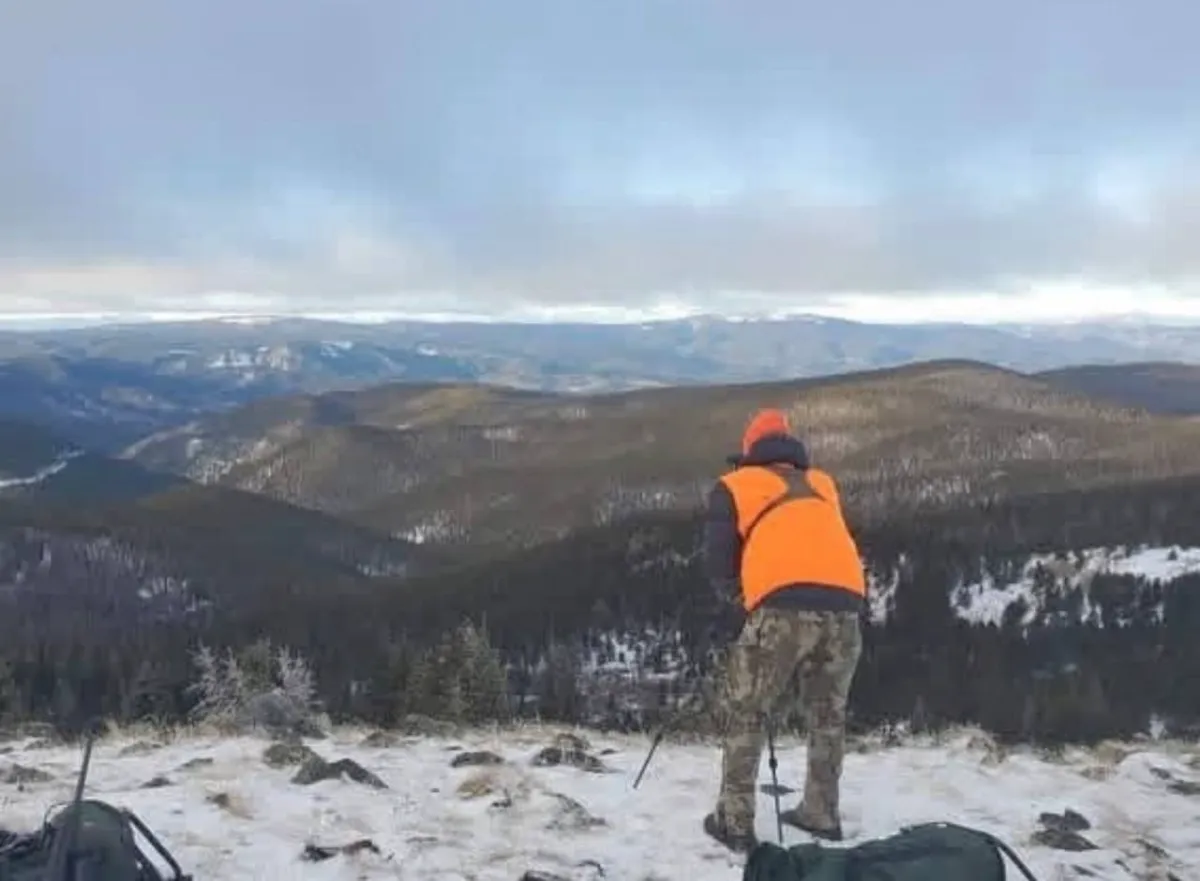
The easy days of elk hunting don't last long. Opening week hits, pressure builds, and everything changes, as elk that were visible and predictable suddenly disappear and guys start saying there are no animals in the unit. That's not what happened. The elk didn't leave, they adjusted, and if you don't adjust with them you're always one step behind. Pressure is one of the biggest factors in western hunting, and most hunters don't understand how to deal with it because they hunt the same way regardless of what's happening around them, which is exactly why they struggle. Elk react to pressure fast, so as roads fill up, trailheads get crowded, and shots start going off, they shift almost immediately into thicker cover, steeper terrain, or areas that are harder to reach. They don't go far, they go smart, and that's the first thing to understand.
Most hunters respond to pressure the wrong way, either staying in the same spots hoping things improve or panicking and bouncing around without a plan, and both waste time. The better move is controlled adjustment: you already know where elk should be based on terrain, so now you layer pressure on top of that and ask where you'd go if you were getting hunted. Not the easy ground, not the obvious spots, but somewhere that gives an advantage in cover, escape routes, and less disturbance, which is exactly what elk do.
Glassing, mobility, and getting away from the crowds
This is where a lot of hunts are won or lost. Most guys think working harder means pushing deeper into thick timber, busting brush, and covering ground on foot for days hoping to bump into elk, but that's backwards. You should be covering as much country as possible with your eyes before you ever commit with your boots, because good glassing breaks down miles of terrain in a fraction of the time it takes to walk it, letting you locate animals, watch movement patterns, and make a plan without blowing them out. Once you find elk, then you move, not before. Mobility ties into that, because the more mobile you are the more options you have, and if you're tied to a fixed camp you're limiting yourself to whatever's nearby even when elk have shifted miles away under pressure, which is how guys get stuck hunting empty country. You don't need a big, locked-in camp early on, so stay flexible, be willing to relocate, and chase where the elk actually are: find first, commit second, a mindset that alone separates a lot of hunters.
The fastest way to find pressured elk is to leave the easy access behind, since roads, trailheads, and popular glassing points get hit first and hardest, and the further you get from those the less competition you face. Distance matters, but so does difficulty, because a mile on a flat trail doesn't separate you from many hunters while a half mile into steep, nasty terrain does, and elk know that and use terrain as protection, so that's where you need to be willing to go. Thick cover is another major shift, because under pressure elk spend less time in the open, bedding tighter, moving less during daylight, and staying where they're harder to see into, so if you're only hunting open ground you're missing them. This is where a lot of guys struggle, used to glassing big open areas and feeling lost when elk vanish into timber, so you have to change how you hunt, switching from covering ground with your eyes to covering it with your boots, but only after you've confirmed the elk are there. That's the difference.
Timing, calling, wind, and staying efficient
Timing changes too, because pressured elk move more at night and less during the day, which tightens your windows and makes early morning and late evening matter more, while midday can still work but usually in bedding areas, so if you're not adjusting your timing you're missing your best chances. Calling also changes, since early-season elk are more responsive but get call-shy as pressure builds, having heard it before and started avoiding it, which doesn't make calling useless, it just means calling smarter, less aggressive, more situational, and sometimes silent. Wind becomes even more important when pressure is high, because elk rely on it more when they feel hunted, and if you blow your scent into a pressured area you're done before you even know they're there, with no recovering from that, which is why positioning matters more than ever, since you're working with wind, cover, and pressure all at once, and that's what separates the guys who still find elk from the ones who don't. Another overlooked factor is how quickly pressure shifts, because a spot blown out in the morning might settle down later as hunters move and elk adjust with them, so instead of abandoning an area completely, think about how pressure is moving through it, where hunters are going, where they aren't, and where elk would move to avoid them, and those answers lead you back to animals. Mobility ties all of this together, because you can't be locked into one spot when pressure is changing constantly, you need options and multiple areas you can move between based on what you're seeing, and that's how you stay efficient. Most hunters don't have that, they've got one plan, and when it doesn't work they stall out, which is where hunts fall apart, while the guys who stay consistent are always adjusting, not guessing but reacting to real information like fresh sign, pressure patterns, and terrain shifts, hunting what's happening now instead of what they hoped would happen. Where most people go wrong is predictable: they hunt easy access because it's convenient, don't go far or deep enough to separate themselves, or refuse to change their approach when pressure builds, and that's how elk seem to disappear. At the end of the day pressure doesn't ruin a hunt, it just changes it, because the opportunity is still there, it just moves, so if you move with it you'll keep finding elk, and if you don't you'll keep wondering where they went. TAGZ helps you read terrain, access, and pressure patterns before the season so you're ready to adjust when it gets tough.
Was this article helpful?
Previous
Boone & Crockett Scoring Simplified: How to Judge Big Game Without Overthinking It
Scoring comes down to length, mass, and symmetry. Learn to read structure, not inches, and you’ll judge animals better in real time.
Next
How to Field Judge Big Game Out West: Elk, Mule Deer, Whitetail, Pronghorn, Sheep, Goat, Moose, Bear, Caribou, and Muskox
Field judging relies on structure, mass, and proportions. Using consistent references helps make fast and accurate decisions across all species.