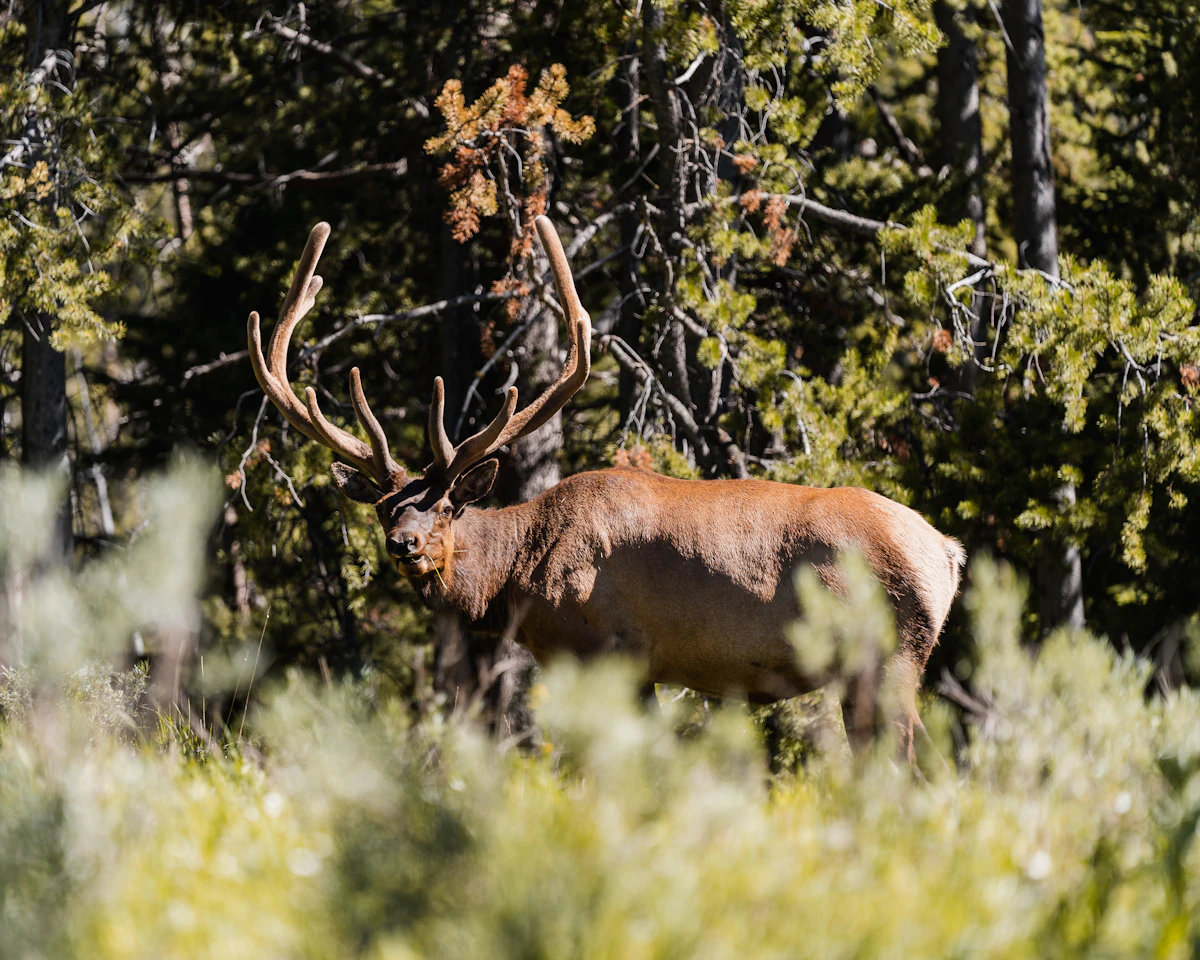
The Best Time of Day to Move Through Timber for Elk
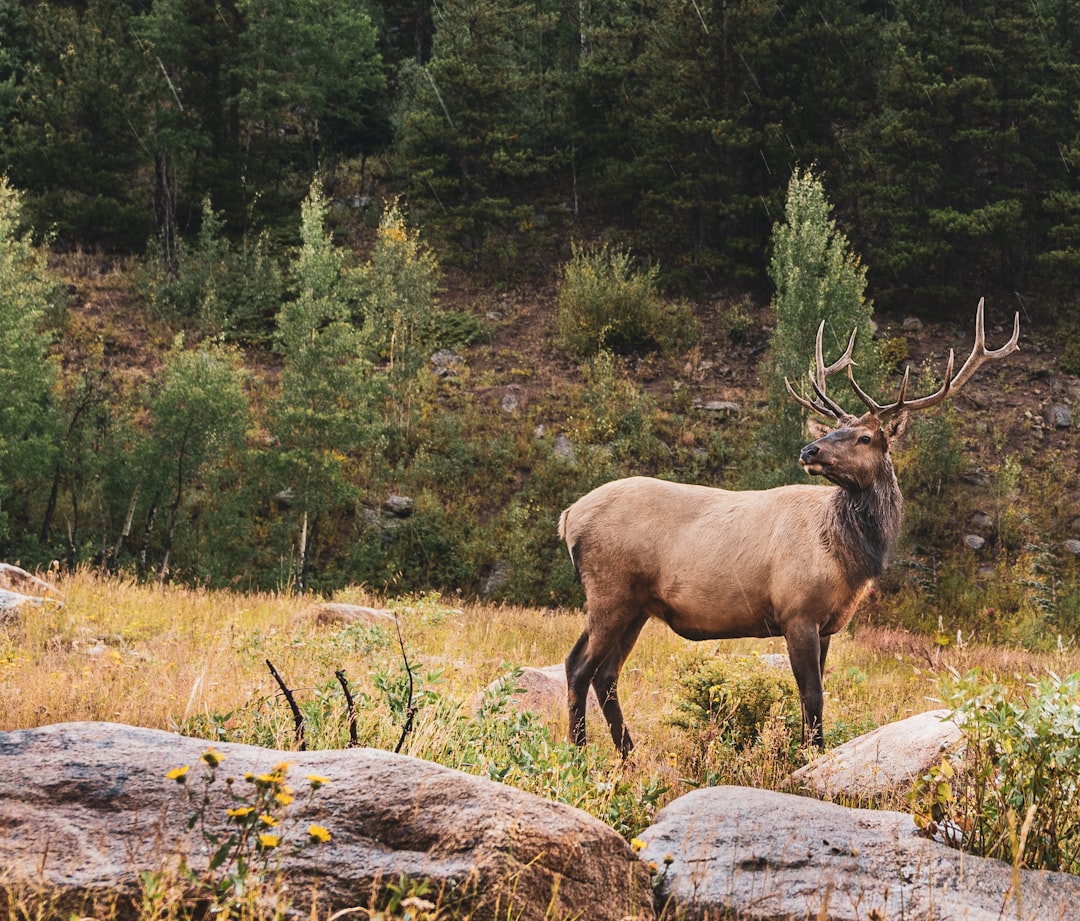
The worst time to move through timber is when everyone else does it. Most hunters push through dark cover mid-morning after bugles fade or stumble through bedding areas mid-afternoon hoping to kick something out. Both approaches educate elk faster than they produce encounters.
The best time to move through timber depends entirely on what you are trying to accomplish. If you are closing distance on a bugling bull at first light, you move when he bugles. If you are intercepting elk returning to bedding areas, you move before they arrive. If you are still-hunting bedded elk, you move during the narrow window when thermals hold steady and elk are locked into their beds. Timing dictates success more than any other factor when hunting timber elk.
Move During the Morning Transition — Not After
The single best window to move through timber is during the final 45 minutes of the morning feeding period, typically between 7:30 and 9:00 a.m. depending on elevation and hunting pressure. Elk are still moving, which masks your movement. They are transitioning from feeding areas toward bedding cover, which makes their direction predictable. Most importantly, they have not yet locked into their beds, so bumping one group does not blow out the entire basin.
This window closes fast. Once elk bed, every step you take through their core bedding area puts them on alert. A bull that beds at 9:00 a.m. in a north-facing blow-down is still listening at 9:15 a.m. Push through that timber at 10:00 a.m. and you will hear him leave long before you see him.
The mistake most hunters make is waiting too long. They glass feeding areas until full light, watch elk filter into the timber, then start their stalk an hour after the last elk disappeared. By then, every animal in the drainage is bedded and listening. Move with the elk, not after them.
Still-Hunt Bedded Elk When Thermals Lock
If you are committed to still-hunting bedded elk in dark timber, the only reliable window is between 10:30 a.m. and 2:00 p.m. when thermals stabilize. Early morning thermals rise unpredictably as the sun heats scattered openings and ridges at different rates. Late afternoon thermals begin falling and swirling as shadows creep across the mountain. The midday window offers the most consistent air movement, which is critical when you are working within 100 yards of bedded bulls.
Even during stable thermals, you are playing a low-percentage game. Bedded elk in timber face multiple directions. Cows bed in clusters where one animal always has eyes on your approach angle. Bulls bed alone in thick blowdowns where a single cracked branch ends the encounter. Your movement must be measured in steps per minute, not steps per second.
This is not a strategy for covering ground. This is a strategy for hunting a specific basin where you know elk bed and you are willing to spend four hours moving 400 yards. If you are not finding fresh beds, rubs, wallows, and droppings every 50 yards, you are in the wrong timber.
Avoid Mid-Morning and Mid-Afternoon Pushes
The two worst times to move through timber are 9:30 a.m. to 10:30 a.m. and 2:30 p.m. to 4:00 p.m. These are transition windows when thermals shift, elk are either freshly bedded or starting to think about feeding, and your presence does maximum damage with minimum opportunity.
Mid-morning is when most hunters give up on bugles and decide to push timber. Elk heard you bugling earlier, watched you glass from the ridge, and are now bedded in cover with every sense locked on their back trail. You will bump them at 200 yards in thick cover and never see an antler.
Mid-afternoon is when elk are restless but not yet committed to feeding. A bull that beds at 9:00 a.m. might stand and stretch at 3:00 p.m., reposition 50 yards, and bed again until 5:00 p.m. If you push through his bedding area at 3:30 p.m., you catch him on his feet and alert, not locked in his bed. He leaves quietly and beds somewhere else tomorrow.
Both windows punish you for impatience. If you cannot hunt bedded elk during stable midday thermals, stay out of the timber entirely until the evening feed.
Position for the Evening Transition Before Elk Move
The second-best window to move through timber is between 3:00 p.m. and 4:00 p.m., but only if you are positioning for the evening feed, not hunting bedded elk. This is when you move into timber that connects bedding areas to feeding areas and set up along trails, wallows, or funnels where elk will pass during the last two hours of light.
The key difference is intent. You are not pushing bedded elk. You are moving through travel corridors to reach ambush points before elk start moving. If you bump a cow at 3:30 p.m. in a travel corridor, she spooks into the bedding area and the herd feeds somewhere else tonight. If you reach your setup point at 4:00 p.m. and sit until 6:00 p.m., elk move past you on their terms.
This strategy works best in heavy timber where elk feed in scattered pockets of parks and meadows rather than wide-open basins. They leave bedding areas on defined trails, follow ridge spines or creek bottoms, and funnel through saddles or gaps in blowdowns. Set up 100 yards off the bedding area in the funnel and let them come to you.
Timing is everything. Arrive too early and shifting thermals give you away. Arrive too late and elk are already moving. The window is 60 to 90 minutes before you expect elk to start feeding based on previous evenings, current weather, and hunting pressure.
Move Aggressively During Active Bugles
The one time you ignore all other timing rules is when a bull is bugling aggressively in timber. If a herd bull is working cows at 10:00 a.m. in a black timber pocket, you move on him immediately. If a satellite bull is cruising and bugling at 2:00 p.m., you close distance while he is vocal.
Active bugles override thermal concerns, bedding patterns, and preferred movement windows because the bull is telling you exactly where he is and exactly what he is focused on. His attention is on cows, rivals, or both. He is moving, which makes your movement less detectable. He is vocal, which gives you constant updates on his location and direction.
The mistake is moving too slowly. Hunters hear a bugle in timber, take a perfect wind-check, and start a 30-minute stalk through blowdowns. By the time they reach the bugle location, the bull has moved 400 yards and gone silent. When a bull bugles in timber, you have 10 to 15 minutes to cut the distance in half. Move fast, move quiet, and get close enough that the next bugle is inside bow range or rifle range depending on your weapon.
If he goes silent, stop and wait. He is either bedding, tending a cow, or listening for a response. Trying to still-hunt a silent bull in timber is a low-percentage gamble. Set up, call softly, and let him come looking or give away his position with another bugle.
Weather and Pressure Change Every Window
All timing windows shift based on weather and hunting pressure. A cold front pushes elk into timber earlier and keeps them bedded longer. A warm bluebird day has elk feeding later into the morning and starting their evening feed earlier. Heavy hunting pressure makes elk nocturnal, which compresses your movement windows into the first 30 minutes of light and the last 30 minutes before dark.
Rain is the exception. Steady rain or light snow gives you permission to move through timber almost any time of day. Noise is covered, scent disperses quickly, and elk tolerate closer approaches because their own senses are compromised. The best still-hunting conditions I have experienced in dark timber have been during steady drizzle between 11:00 a.m. and 2:00 p.m. when elk are bedded but not alarmed by footsteps on wet ground.
Pressure teaches elk to avoid hunters during traditional movement windows. If opening weekend had hunters pushing timber from 9:00 a.m. to 4:00 p.m., elk adjust by moving earlier, bedding tighter, and feeding in timber instead of parks. By mid-season in heavily hunted units, the best time to move through timber might be the first 20 minutes of shooting light or the last 20 minutes before dark when most hunters are still hiking in or already hiking out.
How TAGZ Helps You Scout Timber Before Season
Timing your moves through timber is only effective if you are in the right timber to begin with. TAGZ lets you filter units by terrain type, public land access, and elevation to identify dark timber drainages that hold elk during hunting season. You can compare historical draw odds across units, track your preference points and bonus points in multiple states, and layer hunt boundary maps over satellite imagery to find north-facing slopes, blowdown pockets, and benches where elk bed during midday.
Whether you are planning an OTC Colorado timber hunt or applying for limited-entry Oregon or Washington tags, TAGZ gives you the data to make decisions before the season starts. You can compare units side by side, see which basins have road access to timber edges, and identify drainages where you can move into position before elk arrive. Track your points across all western states and set reminders for draw deadlines so you never miss an application window.
FAQ — Moving Through Timber for Elk
What is the best time of day to move through elk timber?
The best time is during the final 45 minutes of the morning feeding period, typically 7:30 to 9:00 a.m., when elk are transitioning toward bedding areas but not yet locked into their beds.
Can you still-hunt bedded elk in timber?
Yes, but only during stable midday thermals between 10:30 a.m. and 2:00 p.m. This is a low-percentage strategy that requires extremely slow movement and perfect wind.
Should you move through timber during mid-morning?
No. The 9:30 a.m. to 10:30 a.m. window is when elk are freshly bedded and hyper-alert. You will bump them at distance in thick cover and rarely see an antler.
When should you position for an evening timber ambush?
Move into position between 3:00 p.m. and 4:00 p.m., settling into funnels or travel corridors 60 to 90 minutes before elk start their evening feed.
Does weather change when you should move through timber?
Yes. Rain and snow cover noise and allow you to move during midday hours. Cold fronts push elk into timber earlier and keep them bedded longer. Warm weather extends feeding periods and compresses bedding windows.
How do you adjust for hunting pressure in timber?
Pressured elk move earlier and bed tighter. Focus on the first 20 minutes of shooting light and the last 20 minutes before dark when most hunters are not yet in position or have already left the mountain.
Was this article helpful?
Previous
5 Lessons I Learned Guiding Elk Hunters in the West
After years of guiding elk hunters across Montana, Colorado, and Wyoming, these five hard-earned lessons changed how I approach every hunt — from gear choices to mental preparation.
Next
Location Bugles Explained: When, Why, and How to Use Them
Location bugles help hunters pinpoint elk without committing to a full calling sequence. Learn when this tactic works, when it backfires, and how to execute it for early-season success.