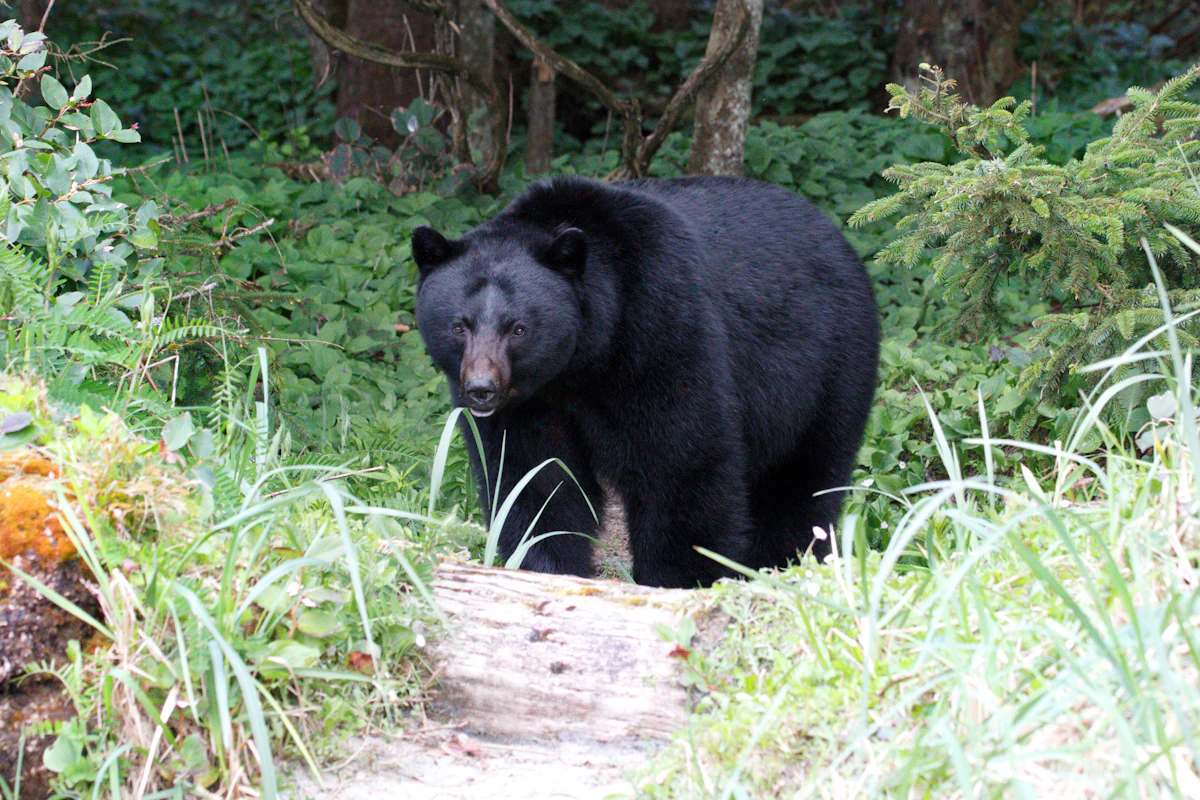
Florida Black Bear Hunting: Complete Beginner's Guide
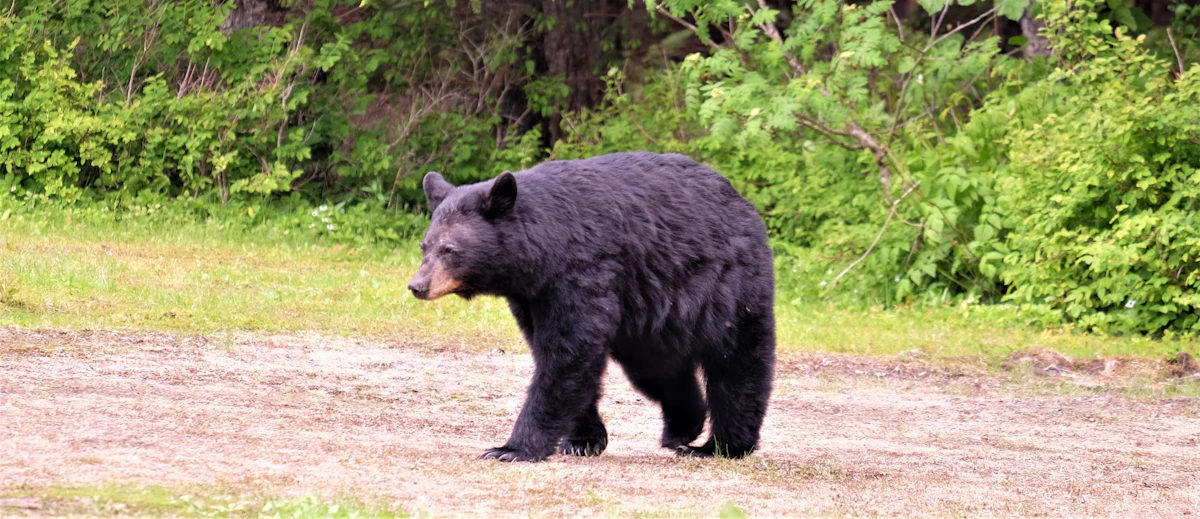
Florida black bear hunting stands apart from most western big-game pursuits. The season is short, the draw is competitive, and the hunting happens in terrain that demands different skills than chasing elk or mule deer across open sage. For hunters used to glassing ridgelines, Florida's palmetto thickets and cypress swamps require a fundamental shift in strategy. The bears are there — Florida's population has rebounded to an estimated 4,000 animals — but finding them in thick cover without snow to track or open country to glass is a different game entirely.
This guide walks through the entire process from application to field tactics, including what first-time applicants need to know about Florida's preference point system and how to choose a Bear Management Unit (BMU) with realistic draw odds. If you are considering adding a Florida black bear to your hunting resume, understanding the state's unique regulations and terrain is the first step toward a successful hunt.
Florida Black Bear Season Structure and Eligibility
Florida Fish and Wildlife Conservation Commission (FWC) manages black bear hunting through a limited-entry draw system across four Bear Management Units: East Panhandle, North, Central, and South. The season runs for just two consecutive days in late October, typically the third weekend of the month. This tight window is designed to keep the harvest conservative and protect the population while offering opportunity for hunters willing to invest time learning the units.
Eligibility requires a Florida hunting license and a $100 bear permit application fee. Nonresidents pay significantly higher license fees but face the same draw process. Unlike western states where nonresidents often draw from a separate quota, Florida combines resident and nonresident applicants in the same pool for each BMU. This means draw odds are identical regardless of residency, though the upfront cost is steeper for out-of-state hunters.
FWC caps the total harvest at around 300 bears statewide, with quotas distributed across the four BMUs based on population estimates. The North BMU typically receives the highest quota, while the South BMU — despite covering the largest geographic area — has the lowest due to smaller bear densities. Once a BMU reaches its harvest quota during the two-day season, hunting in that unit closes immediately, even if the weekend is not over. Hunters monitor FWC's real-time harvest updates to know if their unit remains open.
Understanding Florida's Preference Point System
Florida uses a weighted preference point system that increases your draw odds with each unsuccessful application. Applicants start at one point, and each year you apply without drawing, you gain an additional point. When the draw runs, FWC assigns you a number of entries equal to your preference point total. If you have five points, you receive five entries in the random draw for your chosen BMU.
This system favors persistence but does not guarantee a tag. Even with maximum points, you are still in a lottery against other high-point holders. First-time applicants with one point can draw, but odds are low in competitive units like the North BMU, where hunters with eight or more points dominate the draw pool. The East Panhandle and Central BMUs typically offer better odds for newer applicants, though these units also have smaller quotas and less public land access.
The application period opens in early summer and runs through late August. FWC announces draw results in September, giving successful applicants about six weeks to plan their hunt. Hunters who draw must decide quickly whether to scout before the season or rely on maps and local knowledge. The short timeframe and early October Florida heat make pre-season scouting physically demanding, but identifying active feeding areas and travel corridors before opening weekend significantly increases success rates.
TAGZ helps you track your Florida preference points alongside points in western states so you never miss a draw deadline. The platform's draw odds data shows how your point total stacks up across all four BMUs, helping you decide whether to apply for a high-odds unit with tougher hunting or bank another year of points for a unit with better bear densities. Managing multiple state applications becomes simpler when you can see all your points and deadlines in one place.
Choosing a Bear Management Unit: Draw Odds and Terrain
The North BMU stretches across the Panhandle from the Apalachicola River west to the Blackwater River, covering parts of the Apalachicola National Forest and Eglin Air Force Base. This unit consistently draws the most applicants because it holds the highest bear population and offers the most public land. Draw odds for first-time applicants hover around 5 to 10 percent, while hunters with five or more points see odds climb above 30 percent. The terrain mixes longleaf pine flatwoods with hardwood swamps and river bottoms where bears concentrate during acorn mast years.
The East Panhandle BMU covers the area east of the Apalachicola River, including parts of the Osceola National Forest and private timberlands near the Georgia border. Draw odds here are slightly better than the North BMU — first-time applicants pull tags at rates closer to 15 percent — but the unit has fewer bears overall. Success rates are lower, and public land options are more limited. Hunters willing to lease private land or gain permission from timber companies improve their odds significantly, as bears in this unit move frequently between hardwood drainages on private property.
The Central BMU includes the Ocala National Forest and surrounding private lands in central Florida. This unit offers moderate draw odds but presents unique challenges. The terrain shifts from pine flatwoods to scrub oak and palmetto thickets, and bears here are smaller on average than Panhandle bears. Public land is accessible, but hunting pressure concentrates in the Ocala, making bear movement unpredictable once the season opens. Successful hunters in this unit often focus on private agricultural lands where bears raid cattle feed and crops in the weeks before the season.
The South BMU covers the largest geographic area from the Big Cypress National Preserve south through the Everglades, but it holds the smallest bear population and the lowest quota. Draw odds are the best of any unit — sometimes exceeding 50 percent for first-time applicants — but the hunting is extremely difficult. Most of the area is either closed to hunting or consists of impenetrable wetlands and sawgrass prairies. Bears in this unit are highly nocturnal and cover vast distances across private ranches. Hunters who draw the South BMU typically have existing land access or hire guides familiar with the few huntable areas.
Gear and Equipment for Florida Bear Hunting
Florida bear hunting demands different gear than western hunts. Elevation changes are minimal, but the heat, humidity, and thick vegetation create challenges that lightweight mountain gear is not designed to handle. Most successful bear hunters in Florida hunt from elevated stands or ground blinds near known feeding areas, making mobility less critical than comfort and concealment.
Weapon choice depends on personal preference and unit terrain. Rifles chambered in .30-06, .308, or .30-30 are popular because most shots occur inside 100 yards in heavy cover. Some hunters prefer larger calibers like .35 Whelen or .45-70 for added stopping power at close range, especially when hunting over bait or near thick palmetto where a wounded bear can disappear in seconds. FWC requires centerfire rifles with a minimum caliber of .243 or larger, but most experienced bear hunters opt for cartridges above .30 caliber for reliable performance on mature boars.
Shotguns loaded with slugs are legal and effective in Florida's dense cover. A 12-gauge firing one-ounce slugs delivers plenty of energy at typical engagement distances, and the platform is familiar to hunters who grew up deer hunting in the South. Iron sights or low-power scopes work better than high-magnification optics because shots are quick and close, often in low light as bears move to feeding areas at dawn or dusk.
Archery equipment is legal, but bowhunting Florida bears is exceptionally difficult. The thick cover limits effective range, and bears moving through palmetto offer few clear shooting lanes. Compound bows with heavy arrows and fixed-blade broadheads are the standard, but shot placement is critical. Bears do not always react to arrow impacts the way deer do, and tracking a poorly hit bear through dense swamp is dangerous and often unsuccessful. Crossbows are legal for all hunters in Florida, offering a middle ground between traditional archery and firearms.
Clothing should prioritize insect protection, moisture wicking, and quiet movement. Late October in Florida still brings temperatures into the 80s during the day, and mosquitoes remain active in swampy areas. Lightweight, scent-controlled fabrics treated with permethrin help manage bugs without overheating. Snake boots or gaiters are essential — eastern diamondback rattlesnakes and cottonmouths are common in bear habitat. Early morning and evening hunts require additional layers as temperatures drop, but midday heat often forces hunters back to camp until the last few hours of daylight.
TAGZ users planning Florida bear hunts can filter unit maps by public land boundaries and terrain features to identify likely stand locations before applying. Comparing Florida's BMUs side by side using TAGZ's terrain overlays helps you decide whether to chase better draw odds in the Central BMU or bank points for a higher-probability hunt in the North BMU. Having access to unit boundaries and public land data before the application deadline lets you make smarter decisions based on where you can realistically hunt, not just where the most bears live.
Scouting and Identifying Bear Sign
Successful Florida bear hunters spend more time scouting than hunting. The two-day season does not allow for learning the country once tags are punched, and bears do not leave obvious sign like western ungulates. Tracks, scat, claw marks on trees, and feeding activity are subtle compared to the worn trails and wallows that elk and mule deer create. Finding these indicators before opening day is the difference between sitting over active habitat and wasting time in empty woods.
Acorn mast is the primary driver of bear movement in northern Florida units. In years when live oaks and water oaks produce heavy acorn crops, bears concentrate in hardwood bottoms and spend long hours feeding under productive trees. Scouting involves checking these areas for fresh scat, turned-over logs, and disturbed leaf litter where bears dig for grubs and insects. A single productive oak flat can hold multiple bears during peak mast years, making pre-season identification of these areas critical.
Palmetto flats and scrub oak thickets are secondary feeding areas where bears browse saw palmetto berries and roots. These areas are harder to scout because visibility is limited, but trails worn through the palmetto reveal regular bear traffic. Look for tunnels through the vegetation where bears push through repeatedly, often connecting bedding areas in dense swamps to feeding zones in open pine stands. Trail cameras help confirm bear activity, but placement is tricky — bears avoid open areas during daylight, and cameras set in thick cover often trigger on movement from hogs, deer, or wind-blown branches.
Water sources become critical in dry years. Bears in the Central and South BMUs rely on cypress sloughs and isolated wetlands, especially during late October when water levels are low. Scouting these areas involves walking the perimeter of wetlands looking for tracks in exposed mud and trails leading into the cover. Bears bed in the thickest parts of these swamps during the day and move to higher ground at night to feed. Hunting the transition zones between swamp and upland hardwoods offers the best chance at intercepting bears during legal shooting hours.
Private land scouting requires permission from landowners or timber companies, and competition for access is intense. Many Florida bear hunters lease land year-round or build relationships with landowners willing to grant access during the short season. Agricultural lands where bears raid cattle feed, corn plots, or peanut fields are prime locations, but these properties are rarely available to public-draw hunters without significant investment in access fees or long-term relationship building.
Hunt Strategies and Field Tactics
Florida bear hunting is primarily a stand-hunting game. The terrain is too thick for spot-and-stalk, and bears move unpredictably once disturbed. Most hunters set up in elevated stands or ground blinds near known feeding areas and wait for bears to move within range during the first or last hours of daylight. This approach requires patience and discipline — bears often move late, and shots are taken in fading light at close range.
Elevated stands offer the best vantage over palmetto flats and hardwood bottoms. Placement should account for wind direction and shooting lanes, with clear paths to high-probability feeding areas. Trimming shooting lanes weeks before the season helps, but avoid over-clearing — bears are wary of obvious changes in their environment. Height matters less than in western hunting because Florida's flat terrain offers few natural elevation advantages, but getting above the bear's line of sight improves scent control and shot angles.
Ground blinds work well in areas where trees are too small for elevated stands or where sitting at ground level provides better concealment. Palmetto thickets and scrub oak areas often force hunters to ground-level setups, and bears moving through dense cover rarely notice a well-brushed blind. Scent control is critical at ground level — use scent-eliminating sprays and position the blind downwind of expected bear travel routes. Avoid hunting the same stand multiple days if the season is still open, as bears learn quickly when an area feels wrong.
Calling and baiting are illegal in Florida, eliminating two common tactics used in other states. Hunters must rely on patterning bear movement and identifying natural food sources. This makes Florida bear hunting feel more like western spot-and-stalk in terms of preparation and scouting intensity, even though the actual hunt involves stationary ambush. The lack of bait also means bears move more naturally, following acorn mast and seasonal food sources rather than concentrating at human-placed attractants.
Some hunters attempt still-hunting or slow-stalking through hardwood bottoms, moving carefully into the wind and pausing frequently to glass ahead. This approach works best in open longleaf pine stands where visibility extends beyond 50 yards, but success rates are low. Florida bears have excellent hearing and disappear into thick cover at the slightest disturbance. Still-hunting works better as a scouting method than a hunting tactic, helping you confirm bear presence and identify active feeding trees before committing to a stand location.
Shot Placement and Recovery
Black bears are tough animals with dense muscle mass and thick hides, and Florida bears are no exception. Shot placement is critical, especially in thick cover where tracking is difficult and follow-up shots are rare. The ideal shot is broadside through the vitals, aiming just behind the shoulder to hit both lungs and the heart. This placement drops most bears quickly, though even well-hit bears can cover surprising distances before expiring.
Avoid frontal or quartering-toward shots unless you are using a rifle capable of deep penetration. Bears have heavy shoulder bones and thick chest muscles that deflect poorly placed bullets. Quartering-away shots work well, angling the bullet forward through the vitals and into the opposite shoulder, but this requires precise aim and a cartridge with enough energy to punch through dense tissue. Poor shots that hit too far back or too high often result in lost animals, as bears can travel miles into impenetrable swamps before bedding down.
After the shot, resist the urge to immediately pursue. Bears do not always show obvious signs of being hit, and pushing a wounded bear before it beds down turns a recoverable animal into a lost one. Wait at least 30 minutes for lung shots, longer for marginal hits. Use this time to mark the exact spot where the bear was standing and note the direction it traveled. Blood trails in Florida's leaf litter and palmetto thickets are sparse, and even mortally wounded bears leave minimal sign.
Recovery often requires help. Florida's heat accelerates spoilage, and bears are heavy animals to move through dense cover. Many hunters bring friends or hire guides with tracking dogs to assist with recovery if the blood trail disappears. FWC requires immediate reporting of harvested bears, and successful hunters must transport the animal to an FWC check station within a specific timeframe. Meat care is critical — field dress the bear as quickly as possible and pack the body cavity with ice to slow decomposition during transport.
After the Harvest: Reporting and Meat Processing
Florida requires all harvested bears to be checked at an official FWC check station within 24 hours. Staff record biological data including age, weight, sex, and body measurements. This data helps FWC manage population quotas and set future season structures. Hunters who fail to check their bear within the required timeframe face penalties and may lose hunting privileges.
Bear meat is edible and often compared to pork in flavor and texture, though preparation matters. Trichinosis is a concern with bear meat, so all cuts must be cooked to an internal temperature of at least 160 degrees Fahrenheit. Freezing does not kill trichinella parasites in bear meat the way it does in pork, so thorough cooking is the only safe method. Many hunters process bear into sausage, roasts, or slow-cooked dishes where extended cooking times ensure safety.
Commercial processors familiar with bear meat are rare in Florida, so many hunters process their own animals or work with processors who handle wild hogs and other non-traditional game. Proper care from field to freezer determines meat quality — bears shot in warm weather and left ungutted for hours produce strong-tasting, spoiled meat. Immediate field dressing, rapid cooling, and clean processing make the difference between high-quality table fare and meat destined for the grind pile.
Hides and skulls are popular trophies. Florida bears produce thick, dark fur that makes impressive rugs or shoulder mounts. Taxidermists familiar with bear work are essential — poor skinning or improper fleshing ruins a hide quickly. Skulls require European mounts or cleaning services, and some hunters opt for full-body mounts given the rarity of drawing a Florida bear tag. The investment in taxidermy often exceeds the cost of the hunt, but for many hunters, a Florida black bear represents a once-in-a-lifetime trophy worth preserving.
How TAGZ Simplifies Multi-State Hunt Planning
Florida bear hunters serious about western big-game often juggle applications across multiple states, tracking preference points, bonus points, and draw deadlines while planning hunts in vastly different terrain. TAGZ consolidates this process into one platform, letting you compare Florida's bear draw odds against Wyoming elk units or Colorado deer tags without switching between state agency websites. The platform's deadline tracking ensures you never miss a Florida application window while chasing tags in other states.
TAGZ's terrain maps and unit boundaries help you pre-scout Bear Management Units before ever visiting Florida. Comparing the North BMU's public land access against the South BMU's limited huntable areas becomes straightforward when you can layer unit boundaries over satellite imagery and public land overlays. This saves time during the short window between drawing a tag and opening day, letting you identify stand locations and access points months before the season.
Preference point tracking across states is where TAGZ provides the most value for hunters applying in multiple systems. Florida's weighted point system functions differently than Wyoming's preference points or Nevada's bonus points, and managing these variations manually invites mistakes. TAGZ shows your point totals in every state you apply, calculates realistic draw odds based on your current points, and suggests strategies for maximizing opportunity across all your applications. If you have five Florida bear points and three Wyoming elk points, TAGZ helps you decide whether to burn Florida points this year or bank them for a better unit while chasing a different hunt in the West.
Whether you are targeting Florida black bears, Colorado OTC elk, or trophy mule deer in Nevada, TAGZ gives you the tools to make smarter decisions before you ever step into the field. From draw odds and unit research to terrain maps and deadline tracking, the platform simplifies western hunt planning so you can focus on preparing for the hunt itself.
FAQ — Florida Black Bear Hunting
Is Florida black bear hunting open every year?
Not guaranteed. FWC evaluates population data annually and decides whether to hold a season based on bear densities and harvest quotas. Some years see no season if population targets are not met.
How many preference points do I need to draw a Florida bear tag?
It varies by unit. First-time applicants with one point can draw in the South or East Panhandle BMUs some years, while the North BMU often requires five or more points for realistic draw odds above 30 percent.
Can nonresidents hunt Florida black bears?
Yes. Nonresidents enter the same draw pool as residents but pay higher license and application fees. Draw odds are identical regardless of residency status.
What is the success rate for Florida bear hunters?
Statewide success rates hover around 20 to 30 percent across all BMUs. The North BMU sees higher success due to larger bear populations, while the South BMU often has single-digit success rates.
Is bear meat safe to eat?
Yes, if cooked properly. Bear meat must reach 160 degrees Fahrenheit internal temperature to kill trichinella parasites. Freezing does not eliminate the risk, so thorough cooking is essential.
What happens if my BMU reaches its quota during the season?
FWC closes that unit immediately, even if the two-day season is not over. Hunters monitor real-time harvest updates on FWC's website to know if their unit remains open.
Continue Planning Your Hunt
Florida black bear hunting is a unique challenge that rewards patience, scouting, and strategic application planning. Whether you are chasing your first bear tag or adding Florida to a list of western hunts, understanding the state's draw system and terrain gives you a competitive edge. For hunters serious about maximizing draw opportunities across multiple states, TAGZ helps you compare units side by side using terrain maps, unit boundaries, and historical draw data. Track your preference points and bonus points across Florida and western states so you never miss a draw deadline. Whether you are chasing OTC tags or planning a trophy limited-entry hunt, TAGZ gives you the tools to make smarter decisions before you ever step into the field.
Ready to start planning? Explore draw odds and unit research for Florida bears and western big-game hunts, or check out TAGZ pricing to see how the platform simplifies hunt planning from application season through the hunt itself.
Was this article helpful?
Previous
7 Common Mistakes First-Time Elk Hunters Make (And How to Avoid Them)
Most first-time elk hunters make the same preventable errors that cost them opportunities. Learn the most common mistakes—from conditioning to calling—and how to hunt smarter from day one.
Next
How Florida's Bear Hunt Works: Permits, Drawings, and Regulations
Florida's black bear hunting system uses a lottery draw with limited permits. Learn how the application process works, what seasons are available, and the regulations hunters must follow when bear season opens.