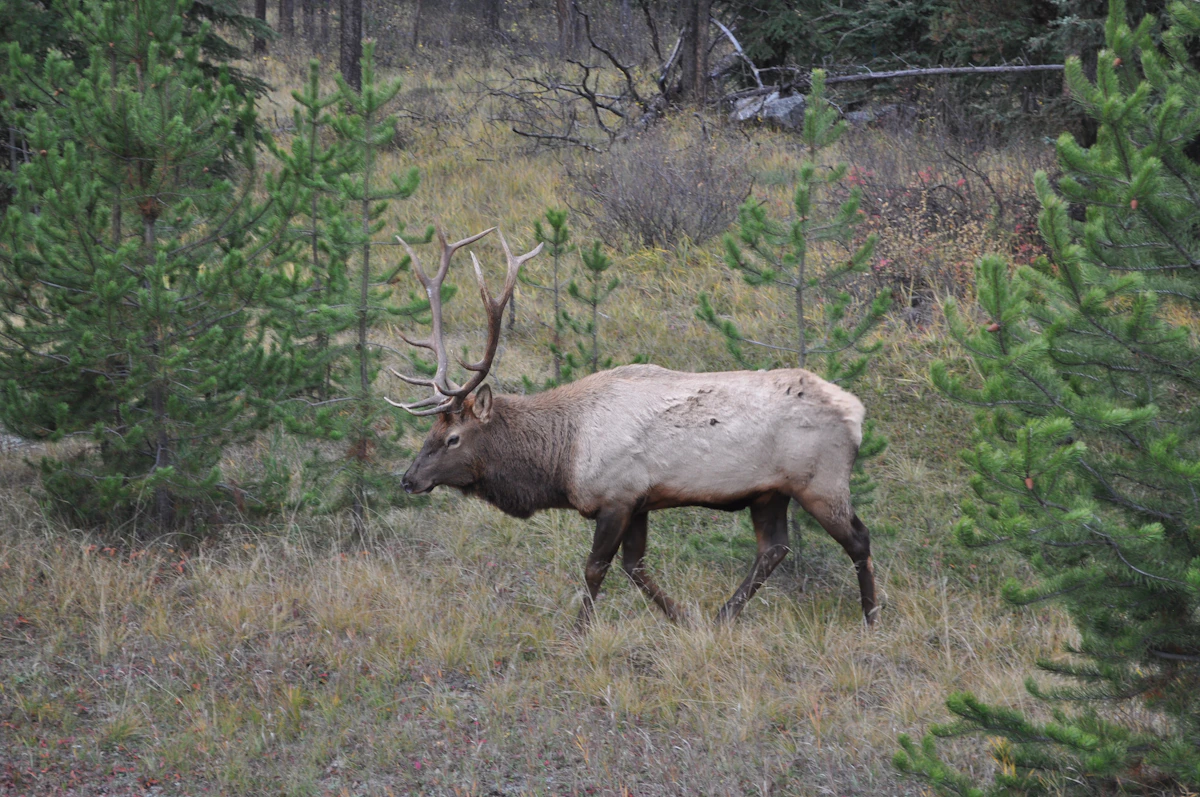
Beginner Elk Hunt Across the West: Ultimate Guide for First-Time Success
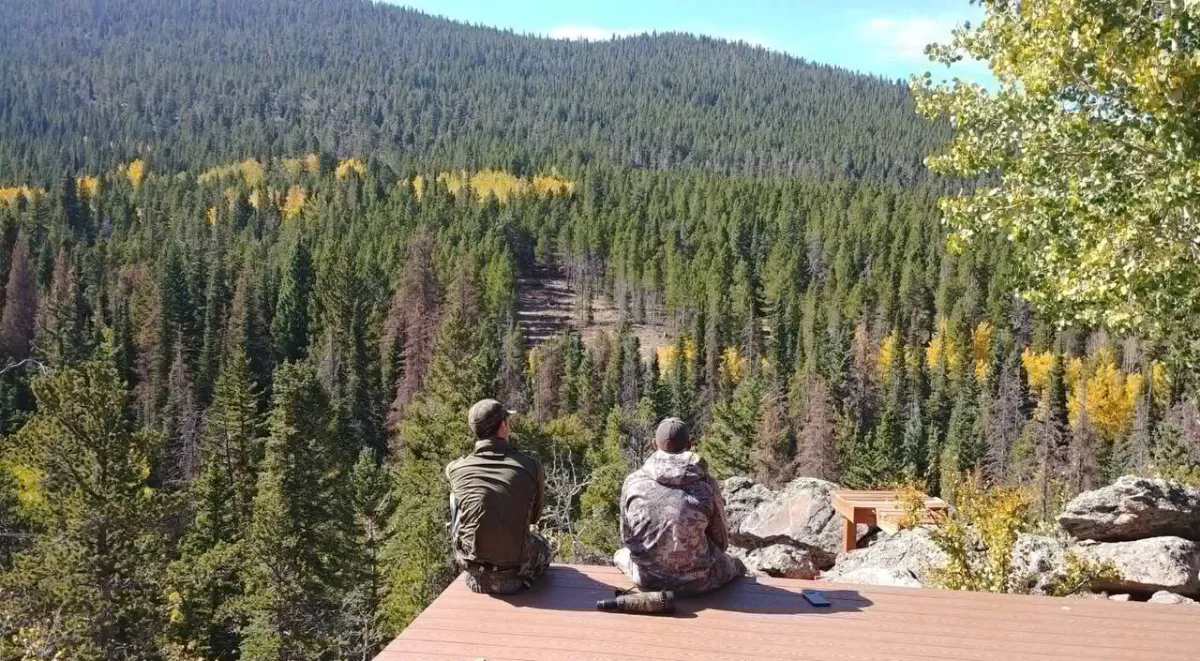
If you’re headed to Colorado for your first elk hunt, here’s the truth nobody sugarcoats: the mountains don’t care if it’s your first time. They don’t care how far you drove, how much gear you bought, or how long you waited to draw a tag. You either show up ready, or you learn the hard way. Colorado used to be the go-to for over-the-counter elk hunting, especially for non-residents, but that’s changing fast. There are fewer opportunities, more pressure, and more hunters trying to figure it out at the same time. If you’re planning a beginner elk hunt in Colorado, you need to approach it like it matters, because it does.
Gear and Preparation: Weather, Boots, and Rifles
One of the biggest mistakes in Colorado elk hunting is underestimating the weather. Early season doesn’t mean easy conditions. You can wake up to frost, hike in a t-shirt by noon, and be dealing with rain or even snow before dark. That’s just how it goes in the Rockies. If you’re not prepared, your hunt will suffer fast. You need to pack for multiple conditions at once, which means running a layered clothing system, carrying quality rain gear, and always having something warm in your pack even when it feels unnecessary. The mountains make their own weather, and they don’t give warnings.
Boots are one of the most important pieces of gear you’ll bring, and it’s where a lot of hunts fall apart. Colorado terrain is steep, uneven, and unforgiving. You’ll be sidehilling, climbing, stepping over deadfall, and covering miles every single day. If your boots aren’t broken in or they aren’t built for that kind of terrain, you’ll know quickly. The same goes for socks. Taking care of your feet isn’t a small detail, it’s what keeps you hunting when others are headed back to the truck.
When it comes to your rifle setup, keep it simple and something you trust. You don’t need a complicated system, you need one you’ve practiced with and know exactly where it hits. A 200-yard zero is a solid baseline for most elk hunting situations. Proven cartridges like the 7mm Rem Mag, .300 Win Mag, and .30-06 have been getting it done for decades and still do. Where a lot of beginners make mistakes is in bullet selection. Elk are big animals, and going too light can cost you. A heavier grain bullet in the 165 to 200 grain range is a smart choice, especially when paired with a controlled expansion bullet that will hold together and drive deep. Your optic matters just as much, especially in low light when elk are most active and most opportunities happen.
Navigation, Camping, and Access Challenges
Navigation and safety should never be overlooked in elk country across the West. There are plenty of places where your phone turns into nothing more than a camera, with no service and no way to call for help. Carrying a GPS or mapping app along with a satellite messenger isn’t optional, it’s essential. Getting turned around in big western country is easier than most people think, and having a way to navigate and communicate can make all the difference.
Camping is another area where preparation matters more than comfort. Even in early September, nights in the mountains across the West can get cold enough to impact your recovery. A good sleeping system, whether that’s a 0-degree bag or a lighter bag paired with a liner, will keep you in the game. A tent that can handle wind and weather is just as important. If you’re not sleeping well, you’re not recovering, and that shows up quickly in how you hunt.
Getting into your hunting area can be a challenge on its own. Forest Service roads across the West aren’t always what they look like on a map. Some are smooth and easy, others are rough, washed out, or worse than expected. A reliable four-wheel-drive vehicle is a major advantage, and carrying chains in your truck is just being prepared, not overkill. Out here, you don’t assume anything is going to be easy.
Elk Behavior, Hunting Tactics, and Reading Sign
When it comes to actually hunting elk, this is where most beginners struggle the most. Elk aren’t deer, and they don’t behave like them. You need to cover country, but you need to do it smart. Getting high and using your optics to glass large areas is one of the most effective ways to locate elk without wasting energy. Calling can work, especially during the rut, but it’s not a shortcut. Pressured elk won’t respond to poor calling setups, and using it incorrectly can hurt more than it helps.
Paying attention to where elk actually want to be is critical. Transition zones where dark timber meets lighter timber or open feeding areas are some of the most productive places to focus across the West. Elk use these areas to move, feed, and bed. Looking for real sign like wallows, fresh tracks, droppings, and rubs will tell you far more than a map ever will. Travel routes and migration corridors are often more consistent than areas that simply look good on a map.
When you’re hunting in timber, slowing down is one of the biggest advantages you can give yourself. Most hunters move too fast and end up blowing elk out without ever knowing they were there. Moving slowly, glassing constantly, and staying patient allows you to pick apart terrain and spot elk before they spot you. Elk hunting is just as much a mental game as it is physical.
Optics, Decision-Making, and Evolving as a Hunter
Optics are one of the most important tools you have for covering ground efficiently. A quality 10x42 binocular is the standard for elk hunting because it gives you the right balance of magnification and low-light performance without requiring a tripod. You can go higher in magnification, but that often comes with trade-offs like reduced brightness and stability. A spotting scope can be useful, especially in bigger western country, but it’s not required when you’re starting out.
At the end of the day, elk hunting is hard. It doesn’t matter what state you’re in or how much gear you bring, it’s going to test you. Some days things come together, most days they don’t, and that’s part of it. But when it finally works out, it makes sense why people keep coming back year after year.
Most hunters spend years guessing. They apply for the wrong units, burn points too early, and hunt areas that look good but don’t actually hold elk. That’s where tools like TAGZ hunting app come in. Instead of guessing, you can see real draw odds, understand pressure and trends, and make smarter decisions before you ever apply. Because in today’s western elk hunting landscape, the decision you make before the hunt matters just as much as what you do in the field.
If you’re new to an elk hunt across the West, don’t overcomplicate it. Focus on the fundamentals, bring gear you trust, know your rifle, and hunt where elk actually are instead of where you hope they’ll be. Most importantly, be ready to adapt, because something will go different than you planned, and the hunters who adjust are the ones who find success.
Was this article helpful?
Previous
Hunting Migration Corridors
Hunting Migration Corridors breaks down realistic big game planning around terrain, access, pressure, scouting, and hunter behavior so TAGZ readers can build a practical western hunt plan instead of chasing hype.
Related
I Waited 10 Years for a Colorado Mule Deer Tag… Was It Worth It?
After waiting a decade for a coveted Colorado mule deer tag, the reality did not match the expectation. Discover the lessons learned about patience, expectations, and the value of frequent hunting experiences.
Next
Best Remaining OTC and General Elk Units Across the West (2026)
OTC and general elk hunting isn't dead—it's just changed. A state-by-state breakdown of the best remaining units in Colorado, Idaho, Wyoming, Montana, and Oregon for 2026.