The Best Time of Day to Call Elk: Morning vs. Evening Strategies
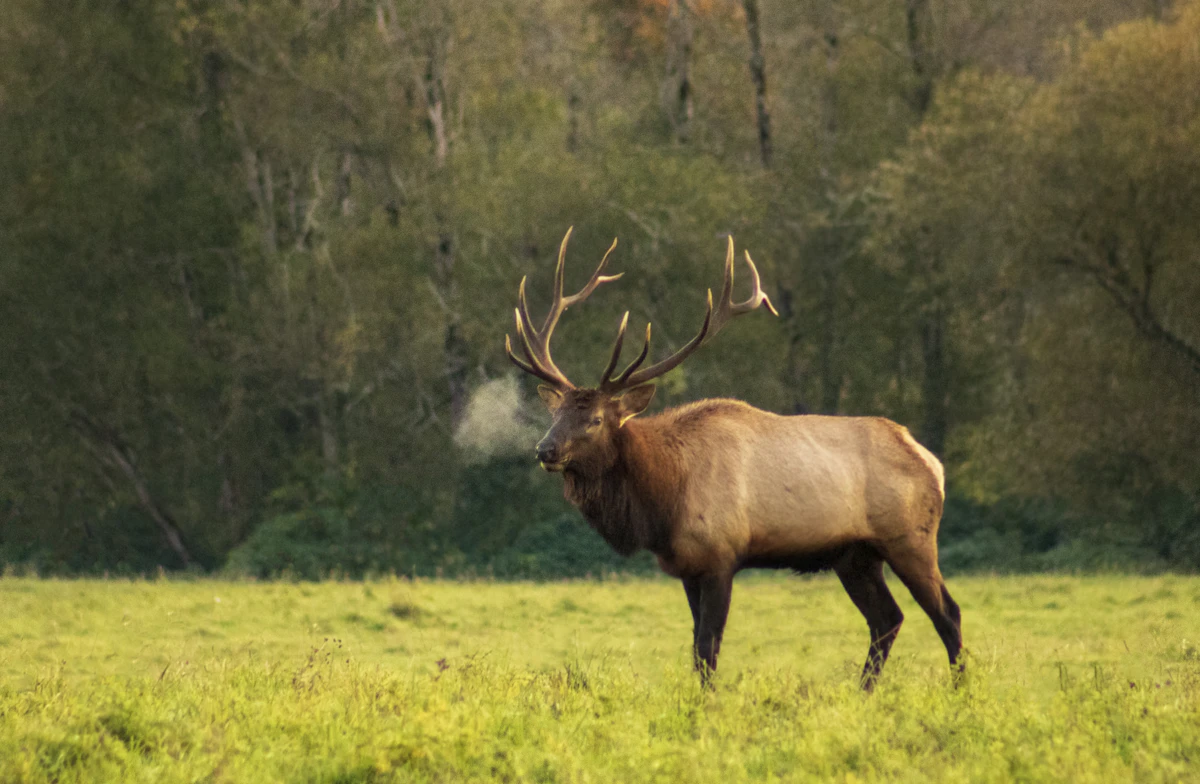
Elk calling success hinges on timing as much as technique. Bulls are most vocal during specific windows tied to breeding behavior, feeding schedules, and temperature swings. Miss these windows by an hour and you might call to silence. Hit them right and a herd bull might charge your setup before you finish the sequence.
The two peak calling windows are the first 90 minutes after shooting light and the final two hours before dark. These periods align with when elk transition between bedding and feeding areas and when bulls actively check and round up cows. Midday calling works under specific conditions, but the margins are thinner. Understanding why elk respond at certain times lets you prioritize your effort and adapt when standard patterns break down.
Why Early Morning is Prime Time
The hour before sunrise through the first two hours of daylight consistently produces the most bugling activity across the September rut. Bulls are returning from nighttime feeding areas, checking on cow groups, and establishing dominance before bedding. Vocal activity peaks during this transition because bulls are mobile, aggressive, and competing for position.
Cows are still on their feet and moving, which triggers herd bulls to keep tabs on their group. Satellite bulls use this window to slip in and challenge dominant bulls while visibility is low. The combination of movement, testosterone, and competition creates the ideal setup for calling.
Temperatures are coolest in early morning, which keeps elk active longer. Once thermals start rising and temperatures climb, elk push toward shaded bedding areas and vocal activity drops sharply. In high-pressure units, early morning is often the only window when bulls will respond openly before they go silent for the day.
Setting Up Before Shooting Light
Successful morning calling starts before you can legally shoot. Move into position at least 30 minutes before shooting light so you are set up when bulls start sounding off naturally. Rushing in after dawn spooks elk that are already in the area and kills your chance at an ambush.
Pick a setup between known bedding and feeding areas, ideally with the wind in your favor and visibility limited to 60–100 yards. Let elk announce themselves first. If you hear a bull bugling naturally, mark his direction and wait five to ten minutes before calling. Cold calling right at shooting light works in low-pressure areas, but letting bulls initiate contact is the safer play.
Once a bull responds, work him slowly. Elk are moving toward bedding at this point, so calling too aggressively can push them past you. Use soft cow calls to hold his attention and bugle only if he stalls or starts moving away. The goal is to sound like a small group of cows drifting in his direction, not a challenger that forces him to choose between fighting and bedding.
Evening Calling: The Second Peak Window
The final two hours of daylight offer the second-best calling window of the day. Elk are transitioning from bedding areas back to feeding zones, and bulls are checking their cows as the group starts moving. Vocal activity ramps up again as competition for position and breeding opportunities increases.
Evening calling differs from morning setups because elk are moving toward food rather than bedding. This gives you more time to work a bull before he commits to a direction. Bulls are also more likely to bring cows with them in the evening, which can work for or against you depending on whether the herd bull is confident or paranoid.
Thermals are dropping and temperatures are cooling, which makes elk more active and vocal. The quality of light also favors hunters — elk feel more secure moving in lower light, and bulls that stayed silent all day will often start bugling again once shadows lengthen.
In high-pressure units, evening calling is often safer than morning setups because elk have been resting all day and have not been bumped by other hunters. You also have the option to stay on a vocal bull past shooting light and return to the area the next morning if he beds nearby.
Midday Calling: When It Works and When It Doesn't
Elk go mostly silent between 10 a.m. and 3 p.m. as they settle into bedding areas and chew cud in thermal cover. Bulls are less mobile, cows are bedded, and vocal activity drops to near zero in most conditions. This does not mean midday calling never works — it just requires different tactics and specific conditions to succeed.
Midday calling works best on cool, overcast days when temperatures stay low and elk remain active longer. If a cold front moves through or cloud cover keeps thermals neutral, bulls might continue bugling and responding through late morning. High-elevation hunts above 10,000 feet also extend the midday window because temperatures stay cooler.
Another midday opportunity is working bedded bulls that are still holding cows. If you can locate a herd bull through glassing or by listening for random bugles, you can set up 200–300 yards downhill and call sparingly to pull him out of his bed. This tactic works best when the bull is already on edge from satellite pressure or when he is bedded near the edge of his group rather than in the center.
Midday calling fails in hot weather, high-pressure areas, and open country where elk can see long distances from their beds. Pushing into bedding areas to call is high-risk — you are more likely to spook the herd than draw a bull out. Save midday hours for glassing, scouting new areas, or moving to a different drainage unless conditions clearly favor staying aggressive.
How Weather and Hunting Pressure Shift Timing
Weather changes elk behavior more than any other factor outside of the rut peak. Cold fronts, rain, and dropping temperatures extend morning and evening calling windows and can even make midday calling productive. Bulls are more vocal and mobile when they are comfortable, and cows move more when they are not trying to escape heat.
Warm weather and high pressure do the opposite. Elk shut down earlier in the morning and start later in the evening. If temperatures are climbing into the 70s or 80s by mid-morning, expect vocal activity to end by 9 a.m. and not restart until the last 90 minutes of light. Plan your setups accordingly and do not waste energy calling during dead hours.
Hunting pressure compresses calling windows even further. In heavily hunted units, bulls learn to go silent after the first week of the season and only respond during the lowest-light periods. Morning calling might only work in the 30 minutes around shooting light, and evening calling might not start until the final hour before dark. Pressured bulls also respond better to soft calling and avoid aggressive bugles that sound like other hunters.
TAGZ helps you identify units with lower hunter density and better public land access so you can hunt elk that are not already conditioned to calling pressure. Compare draw odds and past harvest data across states to find units where calling tactics still work consistently throughout the day. Tracking application deadlines and point totals across multiple states ensures you are applying strategically instead of defaulting to the same overcrowded units every year.
Adjusting Your Setup Between Morning and Evening
Morning and evening setups require different wind strategies because thermal currents reverse direction. In the morning, thermals rise as the sun heats the ground, which means scent flows uphill. Set up below where you expect elk to be so your scent drifts away from bedding areas.
In the evening, thermals drop as temperatures cool, which means scent flows downhill. Set up above feeding areas or on the same elevation as bedding zones so your scent does not blow directly into where elk are moving. Ignoring thermals kills more setups than bad calling.
Visibility also matters differently between morning and evening. Morning setups benefit from limited visibility because bulls are more likely to commit when they cannot see the source of the calling from a distance. Evening setups can handle more open terrain because elk are already moving and less cautious about committing to a direction.
Sound also carries differently depending on time of day and terrain. Morning air is often calmer, which means calls carry farther but also echo more in steep terrain. Evening winds pick up as thermals shift, which can muffle calls or carry them unpredictably. Adjust your calling volume and rhythm based on how sound is traveling that day.
How Rut Timing Changes Calling Windows
Early September calling windows are shorter and less predictable because bulls are not fully rutting yet. Vocal activity might be limited to the first 30 minutes of light and the last hour before dark. Bulls are still in bachelor groups or just starting to gather cows, so they are less aggressive and less likely to respond to challenges.
Peak rut, which typically runs from mid-September through the third week of the month, extends calling windows significantly. Bulls bugle throughout the morning and evening transitions and sometimes continue into midday on cool days. Competition is highest during this period, which makes bulls more responsive to both cow calls and aggressive bugles.
Late September sees calling windows tighten again as the rut winds down. Bulls are exhausted, some cows have already bred, and vocal activity drops. Morning and evening windows still produce, but bulls are less likely to charge a setup and more likely to hang up or circle downwind. Soft cow calling works better than aggressive tactics during this phase.
Tracking rut timing across different units and elevations helps you time your hunt for peak vocal activity. TAGZ provides unit-level data on harvest success, terrain, and public land boundaries so you can compare units and prioritize areas where the rut peak aligns with your hunt dates. If you are hunting a limited-entry tag, knowing whether your season overlaps the peak can make or break the trip.
Common Mistakes That Kill Timing
The biggest mistake is calling too early in the morning before elk have had time to announce themselves naturally. Bulls that are still feeding or moving in darkness will not respond to cold calls because they are focused on other activities. Wait until natural bugles start before you commit to a setup.
Another error is giving up too early in the evening. Many hunters stop calling 45 minutes before dark because they assume elk will not respond in time to close the distance. Bulls often start moving right at last light, and some of the best encounters happen in the final 20 minutes of legal shooting when elk feel safest.
Calling during dead hours wastes energy and educates bulls without producing results. If it is 90 degrees at 1 p.m. and nothing has bugled in three hours, you are better off glassing, scouting, or resting than continuing to call. Save your effort for the windows that matter.
Sticking to the same setup time every day without adjusting for conditions is another common failure. If bulls are going quiet earlier each morning because of pressure or heat, you need to move your setup earlier to catch them before they shut down. Flexibility based on what elk are actually doing beats rigid timing.
FAQ — Best Time to Call Elk
What is the absolute best time to call elk?
The first 90 minutes after shooting light consistently produces the most vocal activity. Bulls are transitioning from feeding to bedding and actively competing for position.
Is evening or morning calling better?
Morning calling produces more vocal bulls, but evening calling gives you more time to work a responding bull before he commits to a direction. Both windows are productive if you set up correctly.
Can you call elk in the middle of the day?
Yes, on cool or overcast days when temperatures stay low and elk remain active. Midday calling works best at high elevations or after a cold front. In hot weather or high-pressure areas, midday calling rarely produces.
How does hunting pressure affect calling times?
Pressure shortens calling windows and pushes vocal activity to the lowest-light periods. In heavily hunted units, bulls may only respond for 30 minutes around shooting light in the morning and the final hour before dark in the evening.
Do thermals matter for elk calling?
Yes. Morning thermals rise, so set up below elk. Evening thermals drop, so set up above or level with elk. Ignoring thermals means your scent will blow directly into the area you are trying to call.
Should I call differently in the morning vs. evening?
Morning setups benefit from softer calling because elk are already moving toward bedding and aggressive calls can push them past you. Evening setups allow for more aggressive calling because elk are moving toward food and have more time to respond.
Continue Planning Your Hunt
Use TAGZ to compare draw odds, track preference points, and research unit-level terrain and public land access before you apply. Whether you are chasing OTC tags or planning a limited-entry hunt, TAGZ gives you the tools to make smarter decisions from application season through the moment you step into the field.
Explore more elk hunting strategies and unit breakdowns on the TAGZ Insights page, or browse current draw odds and tag availability to start planning your next September hunt. Compare units side by side, filter hunts by weapon and season, and never miss another draw deadline. Check out TAGZ pricing options to see how the platform helps you maximize draw opportunities across multiple states.
Was this article helpful?
Previous
How California's Big Game Draw Works | Complete Hunting Draw Guide
California's preference point system rewards consistent applicants while still offering opportunities for new hunters. From world-famous Tule elk to trophy mule deer, blacktail deer, pronghorn, and bighorn sheep, California remains one of the most diverse—and most overlooked—big game hunting destinations in the West.
Next
How Oregon Preference Points Work | Complete Hunting Draw Guide
Oregon's preference point system rewards hunters who consistently apply for controlled hunts. While point creep has made premium tags more competitive, smart unit selection and long-term planning can help hunters maximize opportunities for elk, deer, pronghorn, sheep, and mountain goat hunts across the state.