How Florida's Bear Hunt Works: Permits, Drawings, and Regulations
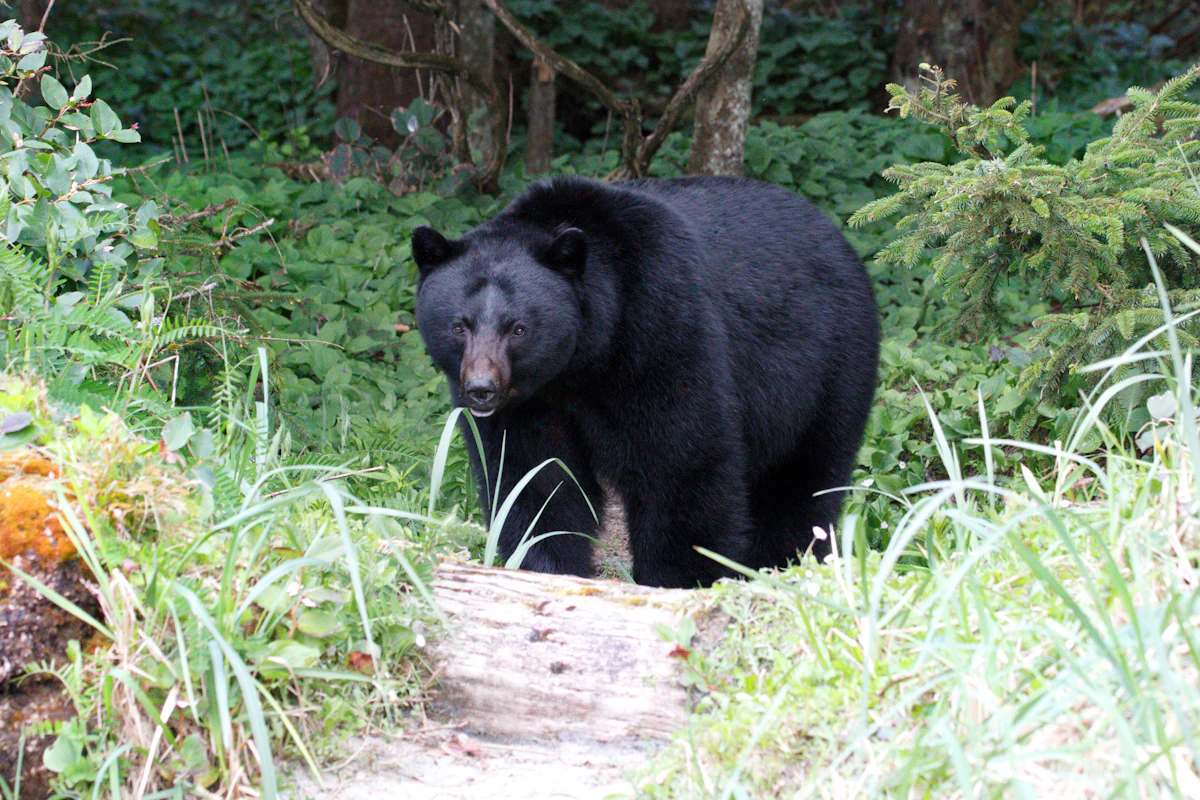
Florida black bear hunting operates through a limited-entry permit system managed by the Florida Fish and Wildlife Conservation Commission (FWC). When bear seasons are open, hunters apply through a lottery draw for a chance at one of several hundred permits distributed across designated Bear Management Units (BMUs). Understanding how this system works is essential for anyone hoping to hunt bears in Florida.
The state's bear population has rebounded significantly since the species was listed as threatened in 1974. With an estimated 4,000 bears now living in Florida, FWC occasionally opens limited hunting seasons to manage population growth and reduce human-bear conflicts. These seasons are not guaranteed every year and depend on current bear population data and public input.
Florida's Bear Management Units
Florida divides its bear habitat into seven distinct Bear Management Units based on bear population density, habitat quality, and historical range. These BMUs include:
- East Panhandle BMU: Portions of Wakulla, Leon, Jefferson, and Madison counties
- Central BMU: The largest unit, covering parts of Marion, Lake, Seminole, Orange, Osceola, and surrounding counties
- South Central BMU: Highlands, Glades, and parts of Okeechobee counties
- North BMU: Baker, Columbia, Suwannee, Union, and adjacent counties
- Apalachicola BMU: Franklin and Liberty counties in the western Panhandle
- Big Cypress BMU: Collier and Hendry counties in Southwest Florida
- Chassahowitzka BMU: Coastal counties from Hernando to Citrus
Not every BMU opens for hunting during active seasons. FWC determines which units will issue permits based on current bear density estimates and management goals. During the 2015 season — the most recent hunt — only four BMUs were open: East Panhandle, North, Central, and South Central.
The Application and Drawing Process
When FWC announces a bear season, hunters apply online through the FWC License and Permit system during a designated application period, typically lasting two to three weeks. The application requires a valid hunting license and a non-refundable application fee (around $5 for residents, $25 for non-residents based on 2015 rates).
The drawing is a random lottery with no preference point system. Every applicant has an equal chance regardless of how many times they have applied in the past. First-time applicants can draw a permit alongside hunters who have applied multiple times.
Successful applicants are notified by email and must purchase their bear permit within a specified timeframe or forfeit their opportunity. Permit costs are significantly higher than the application fee — resident permits were $100 and non-resident permits were $300 during the 2015 season. These prices may change when future seasons are announced.
Season Structure and Harvest Quotas
Florida bear hunts operate under strict harvest quotas designed to prevent overharvest. Each participating BMU receives a zone-specific quota based on population surveys. Once that quota is reached, the hunt closes immediately in that zone.
During the 2015 season, the hunt was scheduled to last one week but closed after just two days because statewide quotas were met faster than anticipated. Hunters harvested 304 bears against a target quota of 320 across the four open BMUs. This early closure caught many permit holders off guard and sparked significant public debate about quota management.
Seasons typically occur in October, aligning with periods when bears are most active before denning. Hunt dates, legal shooting hours, and other season specifics are announced with each hunt opening.
Legal Methods and Equipment
Florida bear hunting regulations are specific and strictly enforced. Legal methods include:
- Firearms: Centerfire rifles, shotguns with slugs, muzzleloading rifles, and handguns meeting minimum caliber requirements
- Archery: Compound bows, recurve bows, and crossbows with broadheads
Baiting bears is illegal in Florida. Dogs are also prohibited for bear hunting. These restrictions differentiate Florida's bear hunt from traditional hound hunting practiced in many Western and Southeastern states.
Hunters must wear at least 500 square inches of fluorescent orange on their upper body while hunting. This requirement applies to both firearm and archery hunters during bear season.
Prohibited Bears and Mandatory Reporting
Not all bears are legal to harvest. Hunters may not shoot:
- Sows with cubs
- Cubs (yearlings under 100 pounds)
- Bears in wildlife management area safety zones
These protections ensure breeding females and young bears are not removed from the population. Field identification can be challenging, especially distinguishing sows from boars. FWC recommends observing bears carefully before shooting and passing on any animal that appears small, has cubs nearby, or shows maternal behavior.
All harvested bears must be reported to FWC within 12 hours via the online reporting system or by phone. Bears must also be presented for physical inspection at a designated FWC check station within 24 hours of harvest. Inspections include taking measurements, extracting a tooth for aging, and collecting biological data that informs future management decisions.
Tagging requirements mandate that hunters immediately attach their permit to the bear after harvest. Moving a bear without a properly attached tag is illegal.
How TAGZ Helps with Florida Bear Applications
When Florida opens bear season applications, TAGZ can help you stay on top of deadlines and plan your hunt strategy. The platform tracks application periods across all states and sends reminders so you never miss a drawing opportunity. For hunters managing applications in multiple states, TAGZ consolidates deadlines, draw results, and season dates in one place.
TAGZ's filtering tools let you compare hunt opportunities by species, weapon type, and season dates. While Florida's bear hunt does not use preference points, TAGZ still provides the organizational backbone to track your applications, monitor when results are released, and plan hunts after you draw a permit. Whether you are applying for Florida bears or building a multi-state big-game strategy, TAGZ keeps your hunting calendar organized so you can focus on preparation instead of paperwork.
Current Status of Florida Bear Hunting
As of 2025, no bear hunting season has been held in Florida since 2015. The 2015 hunt generated significant controversy due to the rapid quota fill and public opposition from wildlife advocacy groups. Since then, FWC has not scheduled additional bear seasons despite continued population growth in several BMUs.
The decision to open future seasons depends on updated population assessments, public input during FWC commission meetings, and political considerations. FWC conducts regular bear population surveys using methods like DNA sampling, camera traps, and occupancy modeling. These surveys inform whether hunting is biologically justified as a management tool.
Hunters interested in pursuing Florida bears should monitor FWC announcements and participate in public comment periods when bear management is discussed. The agency considers stakeholder input heavily when deciding whether to recommend a season to the commission.
Preparing for a Florida Bear Hunt
If FWC opens another bear season, preparation is critical due to the short hunt window and strict quotas. Successful hunters spend months scouting BMUs, studying bear behavior, and identifying productive areas on public and private land.
Florida bears inhabit diverse terrain including hardwood swamps, pine flatwoods, cypress domes, and oak hammocks. Unlike Western bears that feed heavily on berries and nuts in alpine meadows, Florida bears rely on palmetto berries, acorns, saw palmetto fruits, and seasonal mast crops. Understanding these food sources helps locate active bears.
Scouting tools like OnX Hunt or TAGZ unit maps help identify public land boundaries, terrain features, and access points within your BMU. Since baiting is illegal, hunters must locate natural food sources and travel corridors bears use during fall feeding.
Physical conditioning is less demanding than Western mountain hunts, but Florida's dense vegetation, heat, and humidity present unique challenges. Early October temperatures regularly exceed 85 degrees with high humidity, making stand hunting uncomfortable without preparation.
Hunter Education and Licensing Requirements
All bear hunters must possess a valid Florida hunting license and complete the required hunter safety course if born on or after June 1, 1975. Non-residents must purchase a non-resident hunting license before applying for bear permits.
FWC strongly recommends bear identification training, even though it is not mandatory. Distinguishing legal bears from sows with cubs requires careful observation and patience. Several online resources and videos produced by FWC demonstrate proper identification techniques.
Hunters should also familiarize themselves with the specific regulations for their BMU, as some areas may have additional weapon restrictions or access limitations on certain Wildlife Management Areas.
What Happens After the Harvest
Bear meat is legal to possess and consume in Florida. Many hunters report that bear meat tastes similar to pork when properly handled and cooked to safe temperatures. Bears are omnivores, and meat quality varies based on diet and fat content during fall.
Field care is critical in Florida's warm climate. Hunters should prioritize rapid cooling by removing the hide and quartering the bear as quickly as possible. Bear fat can insulate meat and slow cooling, leading to spoilage if not managed properly.
Trichinosis is a parasitic disease present in bear populations nationwide, including Florida. All bear meat must be cooked to an internal temperature of 165°F or frozen at specific temperatures for specific durations to kill potential parasites. Properly handled and cooked bear meat is safe and rewarding.
Hunters often keep hides for rugs or taxidermy. Florida's humid climate makes immediate salting or freezing essential to prevent hair slippage. Professional taxidermists experienced with bears can guide proper field care and preservation techniques.
Conservation and Public Perception
Florida's bear hunt remains one of the most debated wildlife management issues in the state. Supporters argue that limited hunting helps control population growth, reduces human-bear conflicts, and generates funding for conservation through license and permit fees. Bear hunting revenue funds FWC's broader wildlife programs, including habitat protection and research.
Opponents cite concerns about orphaning cubs, the rapid quota fill in 2015, and ethical objections to hunting bears at all. Public sentiment in urban areas of Florida tends to oppose bear hunting, while rural communities and agricultural areas often support it as a necessary management tool.
FWC's challenge is balancing biological carrying capacity, public safety, stakeholder interests, and the cultural divide between urban and rural Floridians. Future seasons will likely include more conservative quotas, longer hunt windows, or zone-specific closures to address the concerns raised in 2015.
FAQ — Florida Bear Hunt
Does Florida have a bear hunting season every year?
No. Florida only opens bear seasons when FWC determines hunting is necessary for population management. The last season was in 2015, and no hunts have occurred since.
How do I apply for a Florida bear permit?
Apply online through the FWC License and Permit system during the announced application period. You need a valid hunting license and must pay a non-refundable application fee. Successful applicants are chosen by random lottery.
Can non-residents hunt bears in Florida?
Yes. Non-residents can apply for bear permits but pay higher application and permit fees than residents. The drawing process is the same for everyone.
What weapon can I use to hunt bears in Florida?
Legal methods include centerfire rifles, shotguns with slugs, muzzleloaders, handguns, and archery equipment. Baiting and using dogs are both illegal.
How quickly do Florida bear quotas fill?
In 2015, the statewide quota was reached in just two days instead of the planned week-long season. Hunters should be prepared to hunt immediately when the season opens if future hunts follow similar patterns.
Is bear meat safe to eat?
Yes, when cooked to 165°F internal temperature. Bears can carry trichinosis, so proper cooking or freezing protocols are required. Many hunters find bear meat comparable to pork.
Continue Planning Your Hunt
Whether you are waiting for Florida to open another bear season or planning applications across multiple states, staying organized is the key to maximizing your draw odds and hunt opportunities. TAGZ helps hunters track application deadlines, manage preference points across states, and compare hunt units using detailed maps and historical draw data.
Explore the TAGZ Insights blog for more articles on draw strategies, unit breakdowns, and hunting regulations. When you are ready to take control of your western hunting applications, check out TAGZ pricing and see how the platform simplifies planning hunts from application season through the field.
Was this article helpful?
Previous
7 Common Mistakes First-Time Elk Hunters Make (And How to Avoid Them)
Most first-time elk hunters make the same preventable errors that cost them opportunities. Learn the most common mistakes—from conditioning to calling—and how to hunt smarter from day one.
Next
Florida Black Bear Hunting: Complete Beginner's Guide
Florida's black bear season offers a rare opportunity for hunters willing to navigate a complex draw system and densely vegetated terrain. This guide covers everything from eligibility and draw odds to gear selection and field tactics for hunting one of the state's most elusive trophies.