Night Hunting Alligators: What to Expect on Your First Hunt
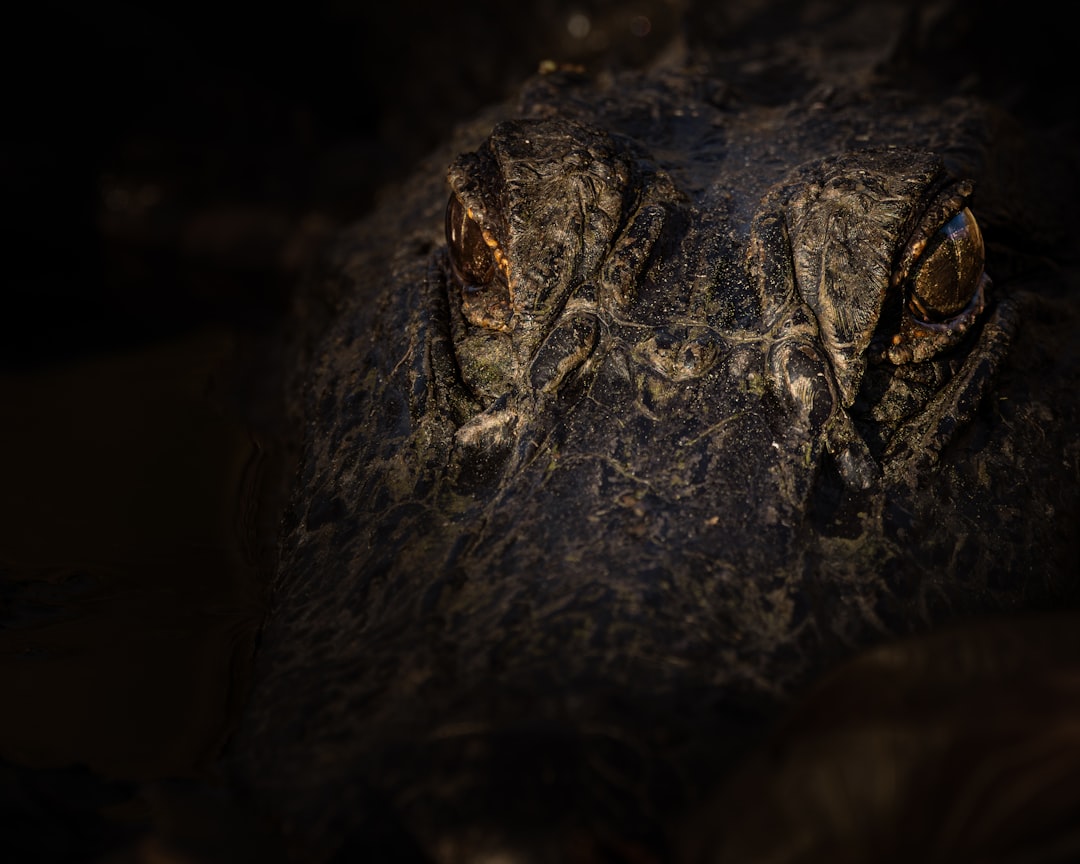
Alligator hunting is fundamentally a nighttime pursuit, and if you've drawn a tag or booked a guided hunt, understanding what happens after dark will make the experience far less intimidating and significantly more successful. Unlike most big-game hunts that begin at first light, gator season means loading the boat after sunset and spending hours scanning black water with a spotlight, hunting for that distinctive red glow reflected back across 50 yards of swamp.
The following guide walks through exactly what to expect on a night alligator hunt, from pre-trip preparation to the final moments of securing your animal. Whether you're hunting Florida, Louisiana, Texas, or another state with established gator seasons, the fundamentals remain consistent.
Why Alligators Are Hunted at Night
Alligators are crepuscular and nocturnal feeders. During daylight hours, mature gators typically rest in deep water, mud banks, or heavy vegetation where they're nearly impossible to approach. Once the sun sets, they move into open water to hunt fish, turtles, and other prey. This behavioral shift creates the hunting window.
The key advantage is eye shine. When you sweep a spotlight across the water, alligator eyes reflect a bright red or orange glow visible from hundreds of yards away. This tapetum lucidum, the reflective layer behind the retina, is what makes spotting possible. During the day, you'd be scanning for subtle ripples, partially submerged logs, or the tip of a snout. At night, the gators announce their location with every sweep of your light.
Most state regulations explicitly permit or even require nighttime hunting. Florida's statewide alligator harvest, for example, runs from August through early November with hunting allowed from one hour before sunset until 10:00 AM the following morning. Louisiana's season typically runs September with similar hours. The biological reality is that daytime hunting would produce minimal success and far more wounded, unrecovered animals.
Essential Gear for Night Gator Hunting
Night alligator hunting demands specialized equipment beyond standard hunting gear. The environment is dark, wet, and often confined to a boat or shoreline. Preparation matters, just as it does when planning your first DIY western hunt.
A high-powered handheld spotlight is non-negotiable. Most hunters use rechargeable LED spotlights in the 1,000 to 3,000-lumen range with a tight beam that reaches 200-plus yards. The goal is to scan broad sections of water quickly, identify eye shine, then narrow focus on the target. A red filter helps preserve your night vision between sweeps. A headlamp is equally critical. Once you've located a gator and begin the approach, you need both hands free. A headlamp with a red light mode and at least 300 lumens keeps you functional without ruining your ability to see beyond the beam.
State regulations vary, but the typical sequence involves harpooning the alligator first to establish a physical connection, then dispatching with a firearm or bang stick (powerhead) once the animal is controlled. The harpoon doesn't kill; it anchors. You're connecting the gator to heavy braided line or rope, often 100 to 200 feet, which is then secured to the boat or a cleat.
A bang stick is a pole-mounted firearm cartridge, commonly .357 Magnum or .44 Magnum, that fires on contact. It's used for the final dispatch once the gator is alongside the boat and controlled. Some hunters prefer a firearm, typically a shotgun or high-caliber pistol, but the bang stick minimizes noise and is effective at point-blank range.
Hooks, Boats, and Processing Tools
Before you can harpoon, you often need to get the gator within range. A weighted treble hook on a rod-and-reel setup allows you to snag the animal, particularly in areas where harpoon throws are difficult. Once hooked, you fight the gator close enough for a harpoon strike. This is standard practice in Louisiana and parts of Texas.
Most gator hunting happens from a shallow-draft boat: jon boats, flat-bottom skiffs, or airboats in certain regions. You need quiet operation for the approach, reliable power to reposition quickly, and enough deck space to handle line and gear. GPS is helpful, but learning the water during daylight is smarter. Swamps look entirely different at night.
Alligators must be kept cool immediately after harvest. Bring large coolers with ice. Heavy-duty rubber gloves protect your hands during the fight and while handling the carcass. A sharp knife, bone saw, and cutting board are necessary if you're field-processing the animal for meat and hide. Many hunters wait until they're off the water, but having tools ready prevents spoilage.
Spotting and Approaching Alligators
The hunt begins with slow, methodical water scanning. Position your boat to drift or idle along shorelines, channels, and open flats. Sweep the spotlight in wide arcs, covering as much surface area as possible. Eye shine appears as small red or orange dots, sometimes a pair, sometimes just one if the gator is angled. Distance and size are hard to judge until you're closer.
Once you've identified a gator, the approach is everything. Cut the motor or switch to an electric trolling motor. Excessive noise or wake will push the gator underwater. The goal is to close the distance to within 10 to 20 feet for a harpoon throw. Keep the light on the eyes. If the gator dives, hold position and wait. They often resurface in the same area within minutes.
Some hunters use a light pole, a long PVC or fiberglass pole with a light mounted at the end. This extends your reach and keeps the light source elevated, which can calm the gator. The eyes stay locked on the light, allowing you to drift closer without spooking the animal. Size estimation matters. A six-foot gator is manageable. A ten-footer will test your gear and your nerves. The distance between the eyes is the field reference: wider spacing equals a larger animal. If you're after a trophy, be patient. Smaller gators are abundant. Mature animals require more time and better water.


Free to join
Download mobile app
- Detailed draw odds
- Point tracking
- Deadline reminders
- 19 states covered





Free to join
Download mobile app
- Detailed draw odds
- Point tracking
- Deadline reminders
- 19 states covered






Free to join
Download mobile app
- Detailed draw odds
- Point tracking
- Deadline reminders
- 19 states covered

The Fight and Securing the Gator
Once the harpoon is set, the fight begins. An alligator's response is immediate and violent. They roll, dive, and thrash with enough force to snap inferior line or pull a poorly secured boat. Your job is to manage the line, keep tension, and avoid getting tangled or pulled overboard.
Most hunters use a hand-over-hand retrieval method, pulling the gator closer while another person manages slack and keeps the boat positioned. The goal is to bring the gator alongside the boat where you can use a snatch hook to secure the head, then dispatch with a bang stick or firearm. Shot placement is behind the skull at the back of the head, angled forward into the brain.
Safety is paramount. Never lean over the gunwale when the gator is thrashing. A tail slap can break bones. Teeth are secondary; the real danger is the power and unpredictability. Some hunters use a tail rope to further control the animal before the final dispatch. Once the gator is confirmed dead, securing it to the boat or loading it onto the deck is the next challenge. Larger gators require block-and-tackle rigging or multiple people.
Field Care and Meat Processing
Alligator meat spoils quickly, especially in warm climates. Immediate cooling is critical. Many hunters gut the animal on the water to remove internal heat, then pack the body cavity with ice. Others wait until they reach a cleaning station. The hide is valuable if you plan to tan it; avoid punctures and cuts during processing.
Meat quality is excellent when handled correctly. The tail is the prize: thick, white straps of muscle that taste like a cross between chicken and fish. The body and jaw meat are usable but require more trimming. Alligator is lean and benefits from marinating or frying. If you're unfamiliar with processing, many processors near hunting zones offer full butchering and hide tanning services.
Common Mistakes and How to Avoid Them
First-time gator hunters make predictable errors, much like first-time western hunters learning new terrain and tactics. The most common is underestimating line management. Once the harpoon is set, the gator controls the fight until you establish tension and positioning. Loose coils on the deck will tangle instantly. Pre-rig your line in a bucket or dedicated tub.
Another mistake is approaching too fast. A 50-yard drift takes patience. The gator isn't going anywhere if you keep the light on target. Rushing the approach spooks the animal and wastes time re-locating. Overconfidence with smaller gators is also dangerous. A six-footer can still injure you. Treat every animal as a serious threat until it's secured and dispatched.
Finally, many hunters fail to confirm their state's regulations on legal methods, tagging requirements, and harvest reporting. Penalties for violations are severe. Check the specific rules for your hunt zone before you launch the boat.
What TAGZ Offers for Gator Hunters
While TAGZ specializes in western big-game draw systems, the platform's hunt planning tools and deadline tracking features are valuable for any hunter managing multiple license applications and seasons. Alligator tags in Florida, Louisiana, and Texas are issued through lottery or quota systems with specific application windows. TAGZ helps you track those deadlines alongside your elk, deer, and antelope applications so nothing falls through the cracks. The filtering and map tools also simplify research when comparing different hunt zones or states for future gator hunts.
For hunters looking to expand beyond gators, beginner elk hunts across the west offer another challenging but rewarding pursuit. Similarly, if you're interested in specialized western tags, guides on DIY mountain goat hunting and DIY Shiras moose hunting break down the application and strategy process.
FAQ — Night Hunting Alligators
Is alligator hunting dangerous? Yes, but manageable with proper equipment and caution. The primary risks are capsizing, entanglement in line, and injury from a thrashing gator. Following proven techniques and hunting with an experienced partner reduces danger significantly.
Can you hunt alligators without a boat? Yes. Bank hunting is legal in many areas and effective in smaller ponds or canals. You'll still need a spotlight, harpoon, and line, but the approach and fight happen from shore. Success rates are generally lower than boat hunting.
How much does an alligator tag cost? Costs vary by state. Florida resident tags are typically around $270 for the permit, with additional fees for each alligator harvested. Louisiana offers both lottery and landowner tags, with fees ranging from $25 for residents to several hundred for nonresidents. Texas pricing depends on whether you're hunting private or public land.
What's the best time of night to hunt gators? The first few hours after sunset and the last hour before dawn are most productive. Gators are actively feeding during these windows. Mid-night hunting works, but activity often slows between midnight and 3:00 AM.
Do you need a guide for your first alligator hunt? Highly recommended. Guided hunts provide boats, gear, local knowledge, and safety oversight. The learning curve is steep, and a guide ensures you're legal, effective, and safe. Many hunters book a guided trip first, then hunt solo in subsequent seasons.
What states allow alligator hunting? Florida, Louisiana, Texas, Georgia, South Carolina, Alabama, Mississippi, and Arkansas all have regulated alligator hunting seasons. Each state has different application processes, season dates, and harvest methods. Florida and Louisiana have the most robust programs with the highest harvest numbers.
Was this article helpful?
Previous
Best Compound Bows for Mule Deer Hunting in 2025
Choosing the right compound bow for mule deer hunting means balancing draw weight, speed, and accuracy for Western terrain. This guide breaks down the top bows for spot-and-stalk hunting, key specs to prioritize, and how to match your setup to your hunting style.
Related
Why Bulls Bugle: The Science and Strategy Behind Elk Vocalizations
Bull elk bugle to establish dominance, attract cows, and warn rivals during the rut. Understanding the biology and behavioral triggers behind bugling makes hunters more effective callers and helps them read herd dynamics in real time.

Next
Best Hunting Bows Under $1,000 for 2025 — Expert Picks for Western Big Game
Choosing the right hunting bow doesn't require breaking the bank. This guide breaks down the top compound bows under $1,000 for 2025, comparing speed, draw weight, accuracy, and real-world performance on elk, mule deer, and other western game.