Why Bulls Bugle: The Science and Strategy Behind Elk Vocalizations
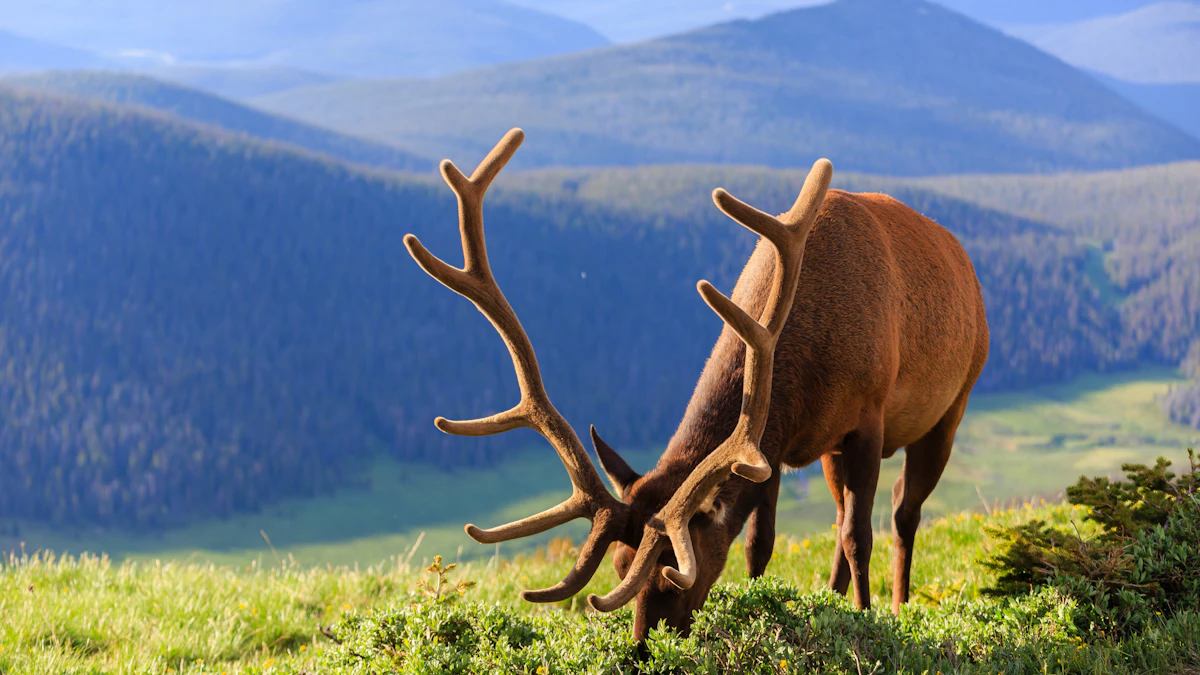
Bull elk bugle primarily to advertise their fitness to cows and intimidate rival bulls during the breeding season. The sound carries across canyons, broadcasting a bull's size, health, and willingness to fight. For hunters, understanding why bulls vocalize—and what makes them go silent—is the difference between punching a tag and hiking out empty-handed.
The Biology Behind the Bugle
A bugle is essentially a biological advertisement. The sound originates in the larynx, where specialized vocal folds vibrate to produce the distinctive high-pitched whistle that transitions into deep, resonant chuckles. Research from the University of Montana and other institutions has shown that bugle characteristics—pitch, duration, and the number of chuckles—correlate with a bull's body size and testosterone levels.
Larger bulls with higher testosterone tend to produce longer bugles with more chuckles at the end. Cows appear to key in on these acoustic signatures when evaluating potential mates. In short, a bugle is a bull's résumé, and cows are reading it carefully.
The rut triggers a hormonal cascade that makes bugling almost involuntary. As daylight hours shorten in late August and September, bulls experience a surge in testosterone. This hormonal spike drives them to vocalize, spar, wallow, and relentlessly herd cows. A bull in peak rut may bugle dozens of times per hour, especially during the low-light periods of dawn and dusk when vocal activity peaks.
What Triggers a Bull to Bugle
Not every bull bugles with the same frequency, and the same bull won't bugle equally hard on every day of the season. Several factors influence vocal activity:
Competition pressure. Bulls bugle more when other bulls are nearby. A solo herd bull with no challengers may stay relatively quiet, conserving energy. Introduce a satellite bull or the sound of a rival, and he'll light up to defend his status.
Cow estrus timing. Bulls vocalize heavily when cows are coming into estrus but haven't yet bred. Once most cows are bred, vocal activity drops sharply. This is why the first two weeks of September often produce the most consistent bugling in most Rocky Mountain herds.
Weather and pressure. Cold, crisp mornings with stable barometric pressure tend to produce more bugling. Heavy hunting pressure can suppress daytime vocalizations, pushing bulls to bugle primarily at night.
Individual temperament. Some bulls are screamers; others are silent types. Mature bulls that have survived multiple hunting seasons often become call-shy, bugling sparingly and responding cautiously to cow calls rather than aggressive bugles.
Decoding Bugle Types
Not all bugles mean the same thing. Learning to interpret what you're hearing helps you choose the right calling strategy.
The Location Bugle
A single, clean bugle without much follow-up aggression is often a location call. The bull is announcing his presence, checking if rivals or receptive cows are in the area. This is a good time to respond with a non-threatening cow call or a modest bugle to start a conversation.
The Challenge Bugle
When a bull rips off a long, drawn-out bugle with aggressive chuckling and follows it with antler thrashing or ground raking, he's issuing a direct challenge. He's either defending cows or asserting dominance over a perceived rival. Responding with an equally aggressive bugle can bring him in hot—or send him packing if he decides you're too much to handle.
The Estrus Scream
During peak rut, bulls tending cows in estrus often produce frantic, repetitive bugles mixed with grunts and whines. This bull is preoccupied and vulnerable. Cow calls or the sound of a subordinate bull may pull him away from his cows just long enough for a shot opportunity.
How Hunters Can Use This Knowledge
Understanding the why behind bugling transforms your calling from mimicry into communication. Here's how to apply it:
Match intensity to context. If a bull sounds relaxed and conversational, start soft. If he's fired up, you can push harder. Misreading his mood and overcalling is one of the fastest ways to shut down an encounter.
Use silence strategically. Sometimes the best call is no call. A bull that's clearly coming doesn't need more convincing. Keep quiet and get ready. Over-calling a committed bull can make him hang up or circle downwind.
Hunt the conditions. Plan your most aggressive calling setups for cold mornings during the first two weeks of September when bulls are most vocal. Later in the month, rely more on cow calls and subtle location bugles.
Read the competition. If you're hearing multiple bulls, the herd bull is under pressure and more likely to respond to a challenge. Solo bulls with no audible rivals may require a different approach—often cow calls work better than bull sounds.
For hunters looking to improve their odds during the rut, TAGZ helps you find units with strong bull-to-cow ratios and lower hunting pressure—factors that directly influence how vocal bulls will be during your hunt. Use the draw odds tools to compare limited-entry units where mature bulls have a better chance of reaching their vocal prime.
When Bulls Go Silent
Every elk hunter has experienced the frustration of a quiet mountain. Understanding why bulls stop bugling helps you adapt rather than despair.
Post-peak rut. Once the majority of cows are bred, bulls lose much of their motivation to vocalize. Hunts scheduled for late September or October may see far less bugling than early September.
Heavy pressure. Public-land bulls that have been called to, bumped, and shot at learn to associate bugling with danger. Pressured bulls often go nocturnal, bugling only in darkness and staying silent during legal shooting hours.
Satellite bull dynamics. Younger bulls that have been beaten down by herd bulls often stop bugling entirely, skulking on the edges of herds and waiting for opportunities to sneak breed. These bulls respond better to cow calls than aggressive bugles.
Weather shifts. Warm temperatures and high winds suppress vocal activity. Bulls are still there, but they're conserving energy and waiting for better conditions.
FAQ — Why Bulls Bugle
Why do bull elk bugle during the rut?
Bulls bugle to advertise their size and fitness to cows, establish dominance over rivals, and defend harems during the breeding season. It's a hormonally driven behavior triggered by shortening daylight and rising testosterone.
What time of day do elk bugle the most?
Elk are most vocal during the first and last hours of daylight. Cold, calm mornings typically produce the most consistent bugling activity.
Do all bulls bugle equally?
No. Individual temperament, age, competition pressure, and hunting pressure all influence how often a bull vocalizes. Some mature bulls that have survived multiple seasons become nearly silent during daylight hours.
Can you call in a bull that isn't bugling?
Yes. Cow calls, subtle location bugles, and raking sounds can provoke a response from bulls that aren't actively vocalizing. Silent bulls are often satellite bulls or pressured herd bulls.
Why do bulls stop bugling later in September?
Once most cows have been bred, bulls lose the hormonal urgency to vocalize. The breeding competition winds down, and bulls shift their focus to feeding and recovery.
Does hunting pressure affect bugling?
Absolutely. Bulls on heavily hunted public land often become call-shy, restricting their bugling to nighttime hours and responding cautiously to hunter-generated sounds.
Put Your Knowledge to Work
Bugling is one of the most thrilling sounds in North American hunting, but it's more than entertainment—it's information. Every bugle tells you something about herd structure, competition intensity, and where individual bulls fall in the pecking order. Learn to read those signals, and you'll make better decisions about when to call, when to move, and when to shut up and shoot.
If you're planning a DIY elk hunt in unfamiliar country, start with the data. TAGZ Insights covers unit-specific strategies, draw odds analysis, and season timing across Western states. Use the product tools to compare units and build a multi-year application strategy—because the best bugling happens in units with healthy herds and manageable pressure. Check out current pricing to get started.
Was this article helpful?
Previous
50 Guide Secrets for Killing More Elk
Professional elk guides share hard-won field tactics that consistently put hunters on bulls—from glassing techniques and shot placement to calling sequences and wind management strategies that separate successful elk hunters from those who tag out early.
Next
The 5 Biggest Elk Cow Calling Mistakes (And How to Fix Them)
Most elk hunters blow their setup with cow calls before the bull ever gets close. Learn the five most common cow calling mistakes that spook mature bulls and how to adjust your calling strategy to close the distance this season.