Best States for DIY Mountain Goat Hunting: Where to Apply and What to Expect
Mountain goat hunting sits at the pinnacle of North American big-game pursuits, and for good reason. These animals live in terrain that would kill most hunters before they ever spotted a billy. Tags are brutally difficult to draw, seasons are short, and success rates swing wildly based on physical conditioning and weather. Yet every year, DIY hunters without guides or outfitters punch goat tags and pack out hard-earned billies from some of the most vertical country on the continent.
The question isn't whether DIY mountain goat hunting is possible. It's where you should focus your limited applications to give yourself a realistic shot at drawing a tag within your lifetime.
Why Mountain Goat Tags Are So Hard to Draw
Mountain goat populations are small and slow to reproduce. Nannies typically produce a single kid per year, and mortality rates in alpine environments run high. State wildlife agencies manage herds conservatively, issuing only a few hundred tags annually across the entire Western region. Compare that to elk, where a single state like Colorado issues over 200,000 licenses per year.
This scarcity creates extreme competition. In most states, nonresidents face draw odds below 1%, and even residents in prime units might wait 15 to 25 years accumulating preference or bonus points. The good news: a few states offer better pathways than others, and understanding the differences can save you decades of fruitless applications.
Colorado: The Point Creep Giant
Colorado manages a healthy mountain goat population across multiple Game Management Units in the central and southern Rockies. The state uses a weighted preference point system, meaning your odds improve exponentially as you accumulate points. In theory, this rewards patience.
In practice, Colorado goat tags have become a generational pursuit. Top units like G3, G9, and G14 now require 20-plus preference points for nonresidents, and point creep shows no signs of slowing. Residents fare better but still face 10 to 15 year waits for premier units.
The DIY factor here is strong once you draw. Colorado's goat units feature accessible trailheads, well-maintained trails into alpine basins, and solid populations of mature billies. Units along the Mount Evans corridor and the Collegiate Peaks offer particularly good public-land access. The challenge is surviving the wait.
If you're starting from zero points, Colorado goat should be a long-term investment alongside applications in states with better short-term odds. How Colorado Preference Points Work — Complete Draw Guide | TAGZ Insights
Montana: Random Draw Offers Real Hope
Montana operates a purely random draw for mountain goat permits, with no preference or bonus points. Every applicant, whether first-timer or 20-year veteran, has identical odds each year. This system frustrates hunters who prefer rewarded loyalty but creates genuine opportunity for newcomers.
The state issues approximately 300 goat permits annually across a dozen hunting districts, mostly in the western mountain ranges along the Idaho border and in the Absaroka-Beartooth Wilderness. Draw odds for nonresidents typically range from 0.5% to 3% depending on the district, with some units occasionally spiking higher during low-application years.
Montana goat country is rugged but huntable for fit DIY hunters. Many districts feature trail systems that access prime habitat within a day's hike. The Absaroka-Beartooth units are particularly popular for their combination of trophy quality and wilderness experience.
One strategic advantage: Montana's random system means you can draw with your first application. There's no penalty for starting late, and no advantage to waiting. Apply every year without fail. How Montana's Preference & Bonus Point Systems Work | Complete Draw Guide | TAGZ Insights
Idaho: Controlled Hunts With Decent Odds
Idaho offers mountain goat tags through its controlled hunt system, using a random draw with no point structure. The state issues roughly 70 to 90 permits annually, spread across units in the Selkirk Range, Seven Devils, Bitterroots, and Lost River Range.
Nonresident odds hover around 1% to 2% in most units, but certain zones see lower application pressure and occasionally produce odds above 5%. The key is researching individual unit quotas and historical application data rather than applying blindly for the most famous areas.
Idaho goat hunting is challenging DIY terrain. Many units require either long approaches through thick timber or technical scrambling above timberline. The payoff: Idaho billies are often overlooked by trophy hunters, meaning less pressure and more mature animals for those willing to put in the legwork.
Free to join
Download mobile app
- Detailed draw odds
- Point tracking
- Deadline reminders
- 18 states covered

Free to join
Download mobile app
- Detailed draw odds
- Point tracking
- Deadline reminders
- 18 states covered
Free to join
Download mobile app
- Detailed draw odds
- Point tracking
- Deadline reminders
- 18 states covered
Wyoming: Tiny Quotas, Long Waits
Wyoming manages a small mountain goat population in the Absaroka and Wind River ranges, issuing only 10 to 20 permits per year. The state uses a preference point system, and top units now require 15 or more points for nonresidents.
The upside: Wyoming's goat herds produce quality billies, and the wilderness setting rivals anything in North America. The downside: with so few tags available, even maximum points don't guarantee a draw. Wyoming goat should be considered a bucket-list pursuit for hunters who've already built substantial points in the state.
Washington: Best Odds for West Coast Hunters
Washington often flies under the radar for mountain goat hunting, but the state offers legitimate opportunity. Tags are allocated through a random draw, with no point system advantaging repeat applicants. The state issues around 60 to 80 permits annually across the Cascades and Olympic ranges.
Nonresident odds vary by unit but sometimes exceed 3% to 5% in less popular zones. The catch: Washington's goat country is notoriously steep, brushy, and prone to Pacific weather. Hunters accustomed to the relatively open alpine of Colorado or Montana often underestimate the difficulty.
For DIY hunters willing to embrace the challenge, Washington offers a realistic path to a goat tag without decades of point accumulation. Research specific units carefully, as terrain difficulty varies dramatically.
Utah and Nevada: Longshots Worth Taking
Both Utah and Nevada offer mountain goat tags through random or bonus point draws, but quotas are tiny, typically under 20 permits per state. These are lottery-ticket applications, worth submitting annually but not worth building a strategy around.
Neither state has established goat hunting traditions comparable to the northern Rockies, and populations remain small. However, the animals that do exist are often high quality, and competition is somewhat lower than in premier goat states.
Building a Multi-State Goat Strategy
The smartest approach to DIY mountain goat hunting involves parallel applications across multiple states. Here's a framework:
Long-term investments: Apply annually in Colorado and Wyoming while building preference points. These may take 15 to 25 years but offer excellent hunting once you draw.
Random draw plays: Apply every year in Montana, Idaho, and Washington. Any of these could produce a tag with your first application or your twentieth. Consistency is key.
Opportunistic adds: Throw applications at Utah and Nevada when deadlines align with your schedule. Low odds, low effort, occasional payoff.
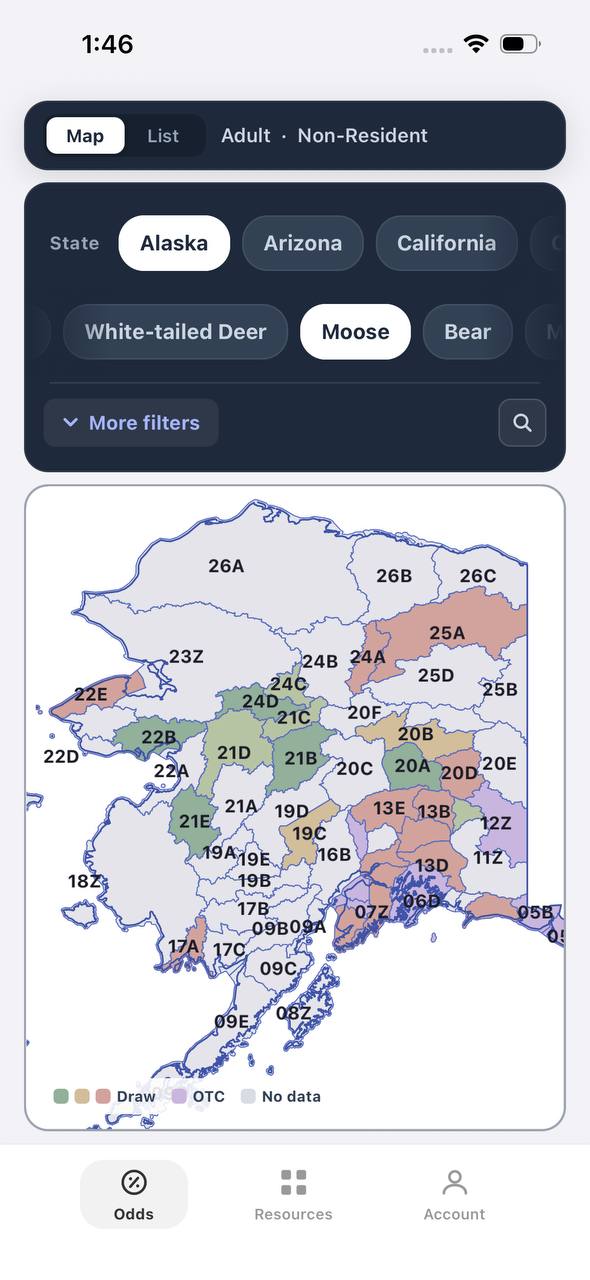
Also consider Alaska, which offers over-the-counter goat tags in some units and draw tags in others. Alaska adds logistical complexity for Lower 48 hunters but remains the most accessible state for DIY goat hunting overall. Alaska Game Units | TAGZ
Physical and Logistical Realities
Drawing a goat tag is only half the battle. Mountain goat hunting demands peak physical conditioning, technical mountain skills, and respect for alpine hazards. Most goat units involve multi-day backpack hunts above 10,000 feet, often in unstable weather.
DIY hunters should budget two to three years of focused training before their hunt, including loaded pack hikes, altitude acclimatization, and scrambling practice. Equipment costs add up quickly: quality optics, ultralight backpacking gear, and safety equipment for exposed terrain.
Successful DIY goat hunters also scout extensively before season. Even in familiar mountain ranges, goat habitat shifts seasonally, and locating billies versus nannies at distance requires practice and patience.
FAQ — DIY Mountain Goat Hunting
What state has the best odds for drawing a mountain goat tag?
Montana and Washington offer the best realistic odds for nonresidents due to their random draw systems with no preference points. Some units occasionally exceed 3% to 5% draw odds.
How many years does it take to draw a mountain goat tag?
In random-draw states like Montana, you could draw your first year or wait 30 years. In preference point states like Colorado, expect 15 to 25 years for top units. Multi-state applications improve your overall timeline.
Can you hunt mountain goat without a guide?
Yes. All states covered here allow unguided hunting. Success depends heavily on physical conditioning, mountain experience, and thorough scouting. Many DIY hunters succeed every year.
What's the hardest part of DIY goat hunting?
The terrain. Mountain goats live in cliffs and alpine bowls that test even experienced mountaineers. Getting to goats is difficult; getting a goat out is brutal. Plan for multi-day packouts over technical ground.
Is Alaska easier for mountain goat tags?
Alaska offers more tags than any other state, including some over-the-counter options. However, logistics, cost, and remoteness add significant complexity. It's accessible but not necessarily easier overall.
Should I apply in multiple states for mountain goat?
Absolutely. Given the low odds in any single state, parallel applications across Montana, Idaho, Washington, Colorado, and Wyoming maximize your chances of drawing within a reasonable timeframe.
Mountain goat tags demand patience, strategy, and brutal honesty about your physical capabilities. The hunters who draw and succeed are those who treat the pursuit as a decade-long project rather than a casual application. Start building your multi-state strategy now, stay consistent with annual applications, and prepare your body for the hardest hunting North America offers. The billy is worth the wait.
Was this article helpful?
Previous
How Montana's Preference & Bonus Point Systems Work | Complete Draw Guide
Montana is unusual because it runs two point systems at once — preference points for nonresident combination licenses and squared bonus points for limited-entry permits. Here's how to use both without wasting years.
Related
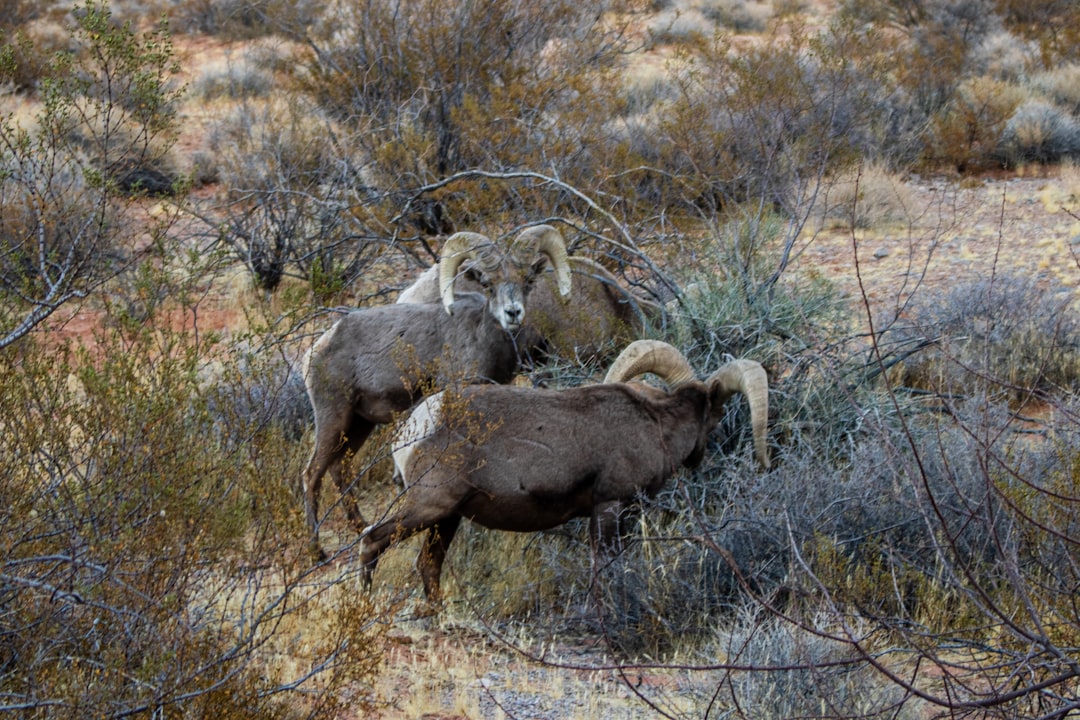
Best States for DIY Desert Bighorn Sheep Hunting
Desert bighorn sheep tags are among the rarest in North America, but a handful of Western states offer realistic DIY opportunities. Here's where to focus your applications and what it takes to draw.
Next
How New Mexico's Draw Works | Complete Hunting Draw Guide
New Mexico's fully random draw makes it one of the most attractive western states for residents and nonresidents alike. With no preference or bonus points, every applicant has the same odds every year — so hunt selection is everything.