Best Compound Bows for Mule Deer Hunting in 2025
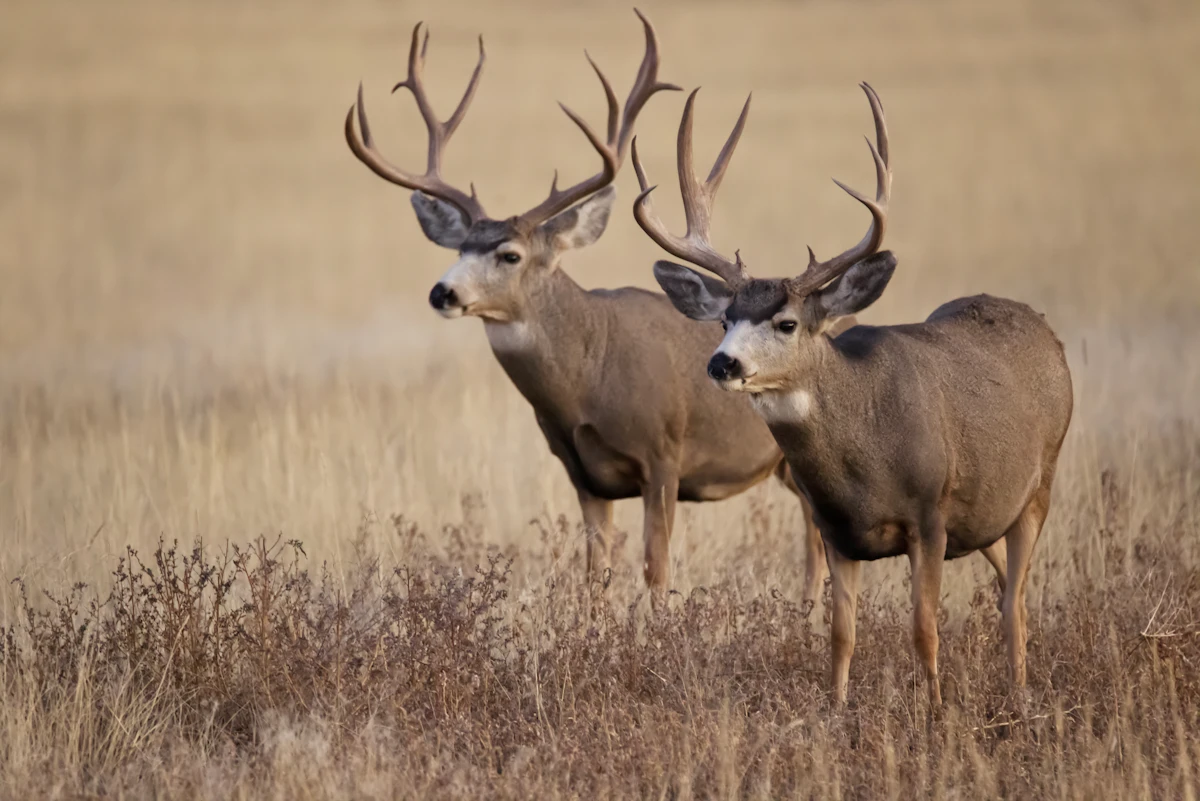
Mule deer hunting in the West demands a compound bow that balances speed, accuracy, and portability across miles of rugged terrain. Whether you are glassing ridgelines in Colorado or stalking sagebrush flats in Nevada, your bow setup directly impacts your ability to capitalize on hard-earned opportunities. The best compound bow for mule deer hunting is not necessarily the fastest or most expensive — it is the one that fits your draw length, shooting style, and the specific conditions where you hunt.
This guide covers the top compound bows for mule deer hunting in 2025, the specs that matter most for Western spot-and-stalk hunting, and how to build a setup that delivers confidence when a mature buck steps into range.
What Makes a Compound Bow Ideal for Mule Deer Hunting
Mule deer hunting in the West is fundamentally different from whitetail hunting in the Midwest or East. Shots often come after long stalks across open country, and the terrain demands a bow that is accurate at extended distances without being a burden to carry. The ideal mule deer bow checks these boxes:
Speed matters, but accuracy matters more. A bow shooting 300 feet per second flattens trajectory and reduces the impact of ranging errors, but it means nothing if you cannot hold steady at 60 yards after climbing 1,000 vertical feet. Prioritize a bow that feels stable at full draw and forgives minor form breakdowns when your heart rate is spiking.
Draw weight should match your fitness level and shooting volume. Most mule deer hunters shoot 60 to 70 pounds of draw weight, which delivers plenty of kinetic energy for clean kills without overtaxing shoulders during practice sessions or late-season hunts. If you are new to archery or hunt at high elevation, starting at 55 to 60 pounds and building up is smarter than maxing out your bow and struggling with form.
Axle-to-axle length affects maneuverability and stability. Shorter bows (28 to 32 inches) are easier to handle in thick oakbrush or when shooting from awkward positions, but longer bows (33 to 36 inches) tend to be more forgiving and stable for long-range shots. Most Western mule deer hunters gravitate toward 31 to 33 inches as a practical middle ground.
Brace height impacts forgiveness. A longer brace height (7 inches or more) forgives poor form and reduces the chance of string contact on your arm or jacket, which matters when you are bundled up in November or shooting from unconventional positions. Shorter brace heights (6 to 6.5 inches) typically produce faster arrow speeds but punish inconsistent form.
Top Compound Bows for Mule Deer Hunting in 2025
The following bows represent the best options for Western mule deer hunters based on real-world performance, build quality, and versatility across hunting scenarios.
Mathews Phase 4
The Mathews Phase 4 is a top-tier choice for serious mule deer hunters who prioritize accuracy and shootability over raw speed. With an axle-to-axle length of 33 inches and a brace height of 6.25 inches, the Phase 4 feels planted at full draw and delivers tight groups at extended distances. The redesigned cam system produces less vibration and hand shock than earlier Mathews models, which translates to better follow-through on long shots.
Speed tops out around 335 feet per second depending on draw length and draw weight, which is fast enough for any ethical mule deer shot without sacrificing forgiveness. The Phase 4 excels in mountain terrain where you might take a shot at 70 yards across a canyon or thread an arrow through oakbrush at 30 yards. It is not the lightest bow on this list, but the added mass helps with stability when shooting off-hand after a long stalk.
Best for: Hunters who prioritize accuracy and stability over speed and weight savings.
Hoyt RX-8
The Hoyt RX-8 is built for hunters who demand versatility and adjustability. The Picatinny sight mounting system allows for easy customization, and the split-limb design reduces weight without sacrificing rigidity. At 32 inches axle-to-axle and a 7-inch brace height, the RX-8 is one of the most forgiving bows in its class, which makes it ideal for hunters who shoot in varied conditions or are still refining their form.
Speed runs around 330 feet per second, and the bow feels balanced in hand whether you are glassing ridges or navigating steep sidehills. The RX-8 handles heavy arrows well, which matters if you are shooting fixed-blade broadheads or prefer higher arrow weight for better wind performance and penetration. Hoyt's build quality means this bow will hold up through years of hard use in rough country.
Best for: Hunters who want maximum forgiveness and a bow that adapts to different hunting scenarios.
Bowtech Solution
The Bowtech Solution is a standout for hunters who prioritize adjustability and ease of tuning. The DeadLock cam system allows for micro-adjustments to timing and synchronization without a bow press, which is a game-changer if you switch between different arrow weights or broadheads mid-season. At 33 inches axle-to-axle and a 6.5-inch brace height, the Solution balances speed and forgiveness better than most.
Speed hits around 340 feet per second, making it one of the faster options on this list without feeling twitchy or unforgiving. The bow is exceptionally quiet, which matters when mule deer are on edge during the rut or in heavily pressured units. The Solution handles field-point accuracy and broadhead flight equally well, and the ability to fine-tune cam timing without a press makes it a practical choice for hunters who travel or hunt multiple states.
Best for: Hunters who want speed and adjustability without compromising accuracy.
Elite Enkore
The Elite Enkore is designed for hunters who want a smooth draw cycle and minimal hand shock. The cam system produces a buttery draw that peaks early and settles into a comfortable valley, which reduces fatigue during long practice sessions or when holding at full draw on a bedded buck. At 33 inches axle-to-axle and a 6.5-inch brace height, the Enkore feels stable without being cumbersome.
Speed is around 330 feet per second, and the bow excels at maintaining tight groups across a wide range of distances. The Enkore handles heavier arrows without losing speed, which makes it a solid choice if you prefer 500-grain setups for better penetration and wind drift performance. Elite's fit and finish are top-tier, and the bow holds up well in rough conditions.
Best for: Hunters who prioritize a smooth draw cycle and consistent accuracy.
PSE Levitate
The PSE Levitate is the most affordable bow on this list without sacrificing performance. At 32 inches axle-to-axle and a 6.75-inch brace height, the Levitate is forgiving enough for newer archers while still delivering the speed and accuracy experienced hunters expect. Speed tops out around 335 feet per second, and the bow is exceptionally quiet for its price point.
The Levitate is lighter than most bows in this category, which makes it a practical choice for backpack hunts or situations where you are covering serious miles on foot. The cam system is easy to tune, and the bow handles a variety of arrow weights and broadheads without major adjustments. If you are building your first Western mule deer setup or want a reliable backup bow, the Levitate delivers excellent value.
Best for: Hunters on a budget or those looking for a lightweight, versatile bow.
Key Specs to Prioritize for Mule Deer Hunting
Choosing the right compound bow means understanding which specs matter most for the type of hunting you do. Here is what to focus on when building a mule deer setup.
Draw Weight
Most Western mule deer hunters shoot between 60 and 70 pounds of draw weight, which delivers enough kinetic energy for clean kills at extended distances without overtaxing your shoulders. If you are new to archery or hunt at high elevation where fatigue sets in faster, starting at 55 to 60 pounds and gradually increasing is a smarter approach than maxing out your bow and struggling with form.
Kinetic energy matters more than raw speed when it comes to ethical kills. A 60-pound bow shooting a 450-grain arrow at 280 feet per second delivers approximately 78 foot-pounds of kinetic energy, which is more than enough for pass-throughs on mule deer at any reasonable distance. Focus on shooting a draw weight you can handle comfortably for multiple arrows without fatigue, and your accuracy will improve.
Arrow Speed and Kinetic Energy
Arrow speed affects trajectory, wind drift, and time-to-target, all of which matter when shooting across canyons or in windy conditions. Most modern compound bows shoot between 300 and 340 feet per second depending on draw length, draw weight, and arrow weight. Faster is not always better — a 340-foot-per-second bow shooting a 400-grain arrow delivers similar downrange performance to a 310-foot-per-second bow shooting a 475-grain arrow, but the heavier arrow typically penetrates better and drifts less in wind.
Kinetic energy is the more important metric. Aim for at least 60 foot-pounds of kinetic energy at impact, which ensures adequate penetration even on quartering shots. Most mule deer hunters shoot arrow weights between 425 and 500 grains, which balances speed and energy without sacrificing trajectory.
Effective Range and Shot Distance
Mule deer hunting often presents shot opportunities beyond 40 yards, especially in open country where deer are bedded on opposite ridges or feeding across basin floors. A compound bow that shoots flat and holds steady at full draw extends your effective range and increases your confidence when a shot presents itself.
Most experienced Western archery hunters consider 60 yards their maximum ethical range on mule deer, though some push that to 70 or 80 yards in calm conditions with perfect setups. The limiting factor is rarely the bow — it is your ability to range accurately, account for angle and wind, and execute perfect form under pressure. Practice regularly at distances beyond your expected maximum, and your confidence at 50 yards will improve dramatically.
Building the Complete Mule Deer Bow Setup
A compound bow is only as good as the accessories and tuning that support it. Here is how to build a complete setup that maximizes accuracy and reliability in the field.
Sight Selection
A quality multi-pin or single-pin slider sight is essential for mule deer hunting. Multi-pin sights are faster for quick shots at varying distances, while single-pin sliders offer more precision at extended ranges. Most Western hunters run a five-pin sight with pins set at 20, 30, 40, 50, and 60 yards, which covers the majority of real-world shot distances without cluttering the sight picture.
If you hunt in varied terrain or expect shots beyond 60 yards, a single-pin slider sight like the Spot Hogg Fast Eddie XL or Black Gold Ascent Verdict provides infinite adjustability and eliminates pin confusion at extended distances. The trade-off is speed — dialing a slider takes longer than using a fixed pin, which matters if a buck walks into range unexpectedly.
Arrow and Broadhead Combination
Arrow selection matters as much as bow selection when it comes to field performance. Most mule deer hunters shoot carbon arrows with a total weight between 425 and 500 grains, which balances speed, trajectory, and penetration. Heavier arrows (over 500 grains) offer better wind performance and deeper penetration but sacrifice trajectory and increase drop at extended distances.
Broadhead choice depends on your confidence in tuning and your bow's ability to handle fixed-blade heads. Mechanical broadheads like the Rage Hypodermic or QAD Exodus fly like field points and deliver massive wound channels, but they require more kinetic energy for reliable deployment. Fixed-blade heads like the Iron Will S125 or Cutthroat offer better penetration and reliability on angled shots but require precise tuning to match field-point accuracy.
Practice with the exact arrows and broadheads you plan to hunt with, and confirm your sight pins at every distance before the season. A bow that shoots field points perfectly but groups broadheads six inches low at 40 yards is a recipe for wounded deer.
Stabilizer Setup
A quality stabilizer reduces vibration, dampens hand shock, and improves balance for more consistent follow-through. Most mule deer hunters run a 10 to 12-inch front stabilizer, which is long enough to provide noticeable benefits without being cumbersome in thick cover. Adding a short side-bar stabilizer (6 to 8 inches) further improves balance and reduces torque, especially on off-hand shots.
Stabilizer weight matters more than length. A 10-ounce front stabilizer provides more dampening than a 6-ounce model, but it also increases overall bow weight. Find a balance that improves accuracy without making the bow uncomfortable to carry for extended periods.
How Terrain and Hunting Style Affect Bow Choice
The type of terrain you hunt and your preferred hunting style should influence which bow you choose. A bow that excels in alpine basins might feel cumbersome in thick oakbrush, and vice versa.
Alpine and open-country hunting demands accuracy at extended distances and stability in wind. Longer axle-to-axle bows (33 to 35 inches) with higher brace heights (6.75 to 7 inches) excel in these conditions because they are more forgiving when shooting off-hand after long stalks. Speed is less critical than consistency — a bow that shoots 320 feet per second and groups tight at 70 yards beats a 340-foot-per-second bow that scatters arrows at distance.
Timber and oakbrush hunting favors shorter, more maneuverable bows (30 to 32 inches) that are easier to draw and shoot from awkward positions. Brace height matters less in these conditions because most shots come inside 40 yards, and speed helps flatten trajectory on snap shots through small openings. A bow that feels balanced and points naturally is more important than raw accuracy at 70 yards.
Backpack and high-country hunting requires minimizing weight without sacrificing performance. Look for bows that weigh under 4.5 pounds and feature carbon or lightweight aluminum components. Every ounce matters when you are hiking 10 miles a day at elevation, but do not sacrifice accuracy for weight savings. A slightly heavier bow that shoots better is always the right choice.
Common Mistakes When Choosing a Mule Deer Bow
Many hunters make the same mistakes when selecting a compound bow for mule deer hunting. Avoid these pitfalls to build a setup that performs when it matters.
Prioritizing speed over shootability. A bow that shoots 340 feet per second but feels twitchy and unstable at full draw will cost you more opportunities than a 320-foot-per-second bow that you can shoot confidently. Speed matters, but accuracy and consistency matter more.
Choosing the wrong draw length. An incorrect draw length affects accuracy, consistency, and comfort more than any other single factor. Visit a reputable pro shop and get professionally measured rather than guessing based on your height or arm span. Most hunters benefit from a draw length that is slightly shorter than their maximum comfortable extension, which improves form and reduces the chance of shoulder fatigue.
Ignoring arrow weight and tuning. A perfectly tuned bow shooting properly spined arrows will outperform an expensive bow with poor arrow flight every time. Spend time tuning your bow, paper-tuning your arrows, and confirming broadhead flight before the season. A bow that shoots field points great but scatters broadheads is useless in the field.
Skipping practice at realistic distances. Practicing at 20 yards in your backyard does not prepare you for a 60-yard shot across a canyon after climbing 2,000 vertical feet. Practice regularly at 50, 60, and 70 yards, and shoot in conditions that mimic real hunts — uphill, downhill, in wind, and when your heart rate is elevated.
How TAGZ Helps You Plan Your Mule Deer Bow Hunt
Choosing the right compound bow is only part of the equation. Knowing where to hunt, which units offer the best opportunities, and how to navigate the Western draw system matters just as much.
TAGZ helps you compare mule deer units side by side using terrain maps, unit boundaries, and historical draw data. Track your preference points and bonus points across multiple states so you never miss a draw deadline. Whether you are chasing OTC tags in Colorado or planning a trophy limited-entry hunt in Nevada, TAGZ gives you the tools to make smarter decisions before you ever step into the field.
Filter hunts by weapon type, season, and species to find archery mule deer opportunities that match your schedule and skill level. Compare draw odds across units to identify underrated areas where your odds are better than you think. TAGZ takes the guesswork out of Western hunt planning so you can focus on preparing your gear and shooting your bow.
FAQ — Mule Deer Compound Bows
What draw weight is best for mule deer hunting?
Most Western mule deer hunters shoot 60 to 70 pounds of draw weight, which delivers plenty of kinetic energy for clean kills at extended distances without overtaxing your shoulders. If you are new to archery or hunt at high elevation, starting at 55 to 60 pounds and building up gradually is smarter than maxing out your bow and struggling with form.
How fast should my bow shoot for mule deer?
Most modern compound bows shoot between 300 and 340 feet per second, which is more than adequate for any ethical mule deer shot. Prioritize accuracy and consistency over raw speed — a 320-foot-per-second bow that groups tight at 70 yards beats a 340-foot-per-second bow that scatters arrows at distance.
What is the best axle-to-axle length for mule deer hunting?
Most Western mule deer hunters prefer bows between 31 and 33 inches axle-to-axle, which balances maneuverability in thick cover with stability for long-range shots. Shorter bows (28 to 30 inches) are easier to handle in oakbrush, while longer bows (34 to 36 inches) are more forgiving and stable for open-country hunting.
Should I choose a fixed-blade or mechanical broadhead?
Both work, but the choice depends on your bow setup and confidence in tuning. Mechanical broadheads like the Rage Hypodermic fly like field points and deliver massive wound channels, but they require more kinetic energy for reliable deployment. Fixed-blade heads like the Iron Will S125 offer better penetration and reliability on angled shots but require precise tuning to match field-point accuracy.
What is the maximum ethical range for archery mule deer hunting?
Most experienced Western archery hunters consider 60 yards their maximum ethical range on mule deer, though some push that to 70 or 80 yards in calm conditions with perfect setups. The limiting factor is rarely the bow — it is your ability to range accurately, account for angle and wind, and execute perfect form under pressure.
Do I need a single-pin or multi-pin sight for mule deer hunting?
Both work, but multi-pin sights are faster for quick shots at varying distances, while single-pin sliders offer more precision at extended ranges. Most Western hunters run a five-pin sight set at 20, 30, 40, 50, and 60 yards, which covers the majority of real-world shot distances without cluttering the sight picture.
Continue Planning Your Hunt
Ready to start planning your next mule deer bow hunt? Visit the TAGZ home page to explore Western hunting opportunities, or dive into the TAGZ Insights blog for more articles on draw strategy, unit selection, and gear. Compare draw odds, track your points, and filter hunts by weapon type and season using the TAGZ product platform. Check out pricing options to find the plan that fits your hunting goals.
Was this article helpful?
Previous
50 Guide Secrets for Killing More Elk
Professional elk guides share hard-won field tactics that consistently put hunters on bulls—from glassing techniques and shot placement to calling sequences and wind management strategies that separate successful elk hunters from those who tag out early.
Next
Best Hunting Bows Under $1,000 for 2025 — Expert Picks for Western Big Game
Choosing the right hunting bow doesn't require breaking the bank. This guide breaks down the top compound bows under $1,000 for 2025, comparing speed, draw weight, accuracy, and real-world performance on elk, mule deer, and other western game.