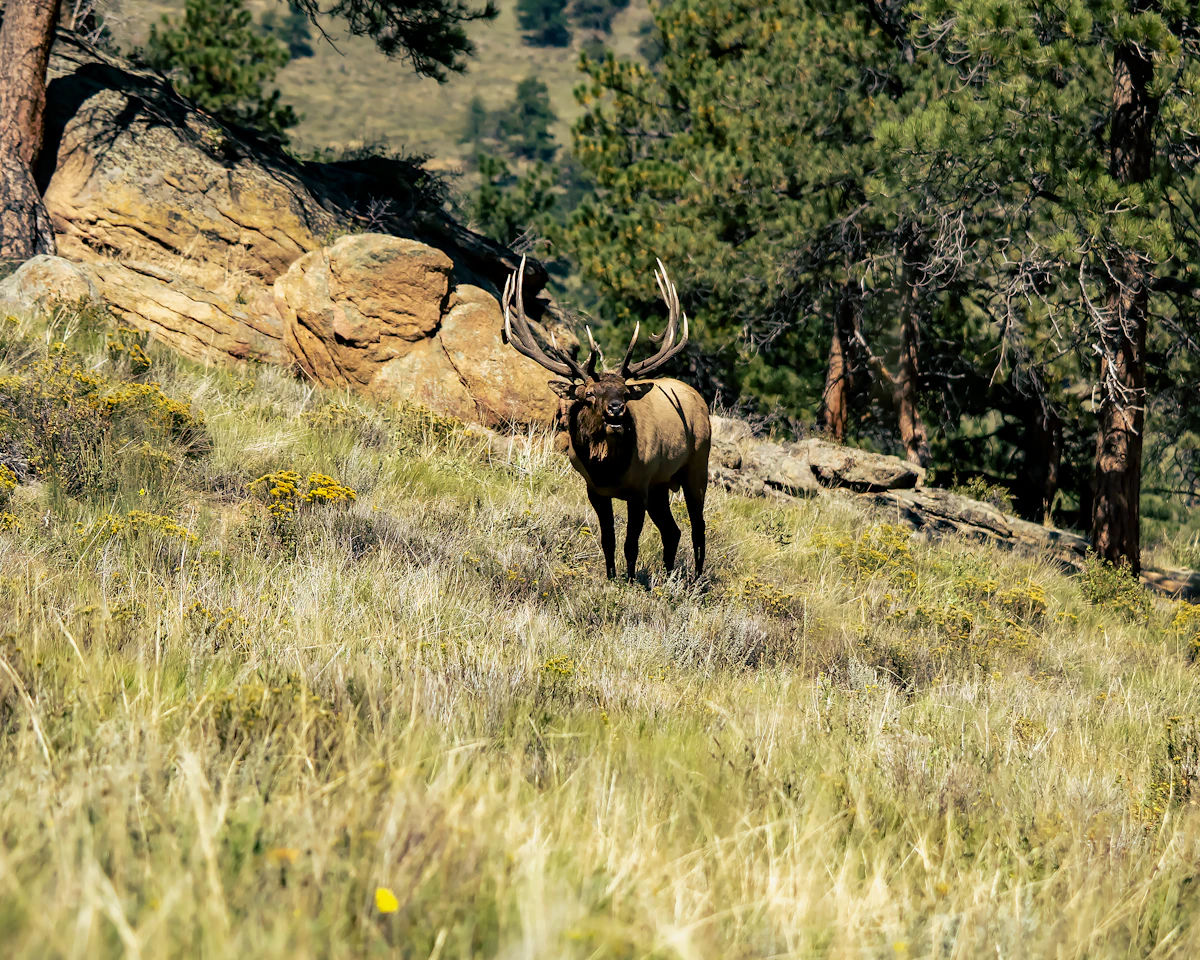
Idaho Big Game Draw Guide 2027: Deadlines, Odds & Strategy
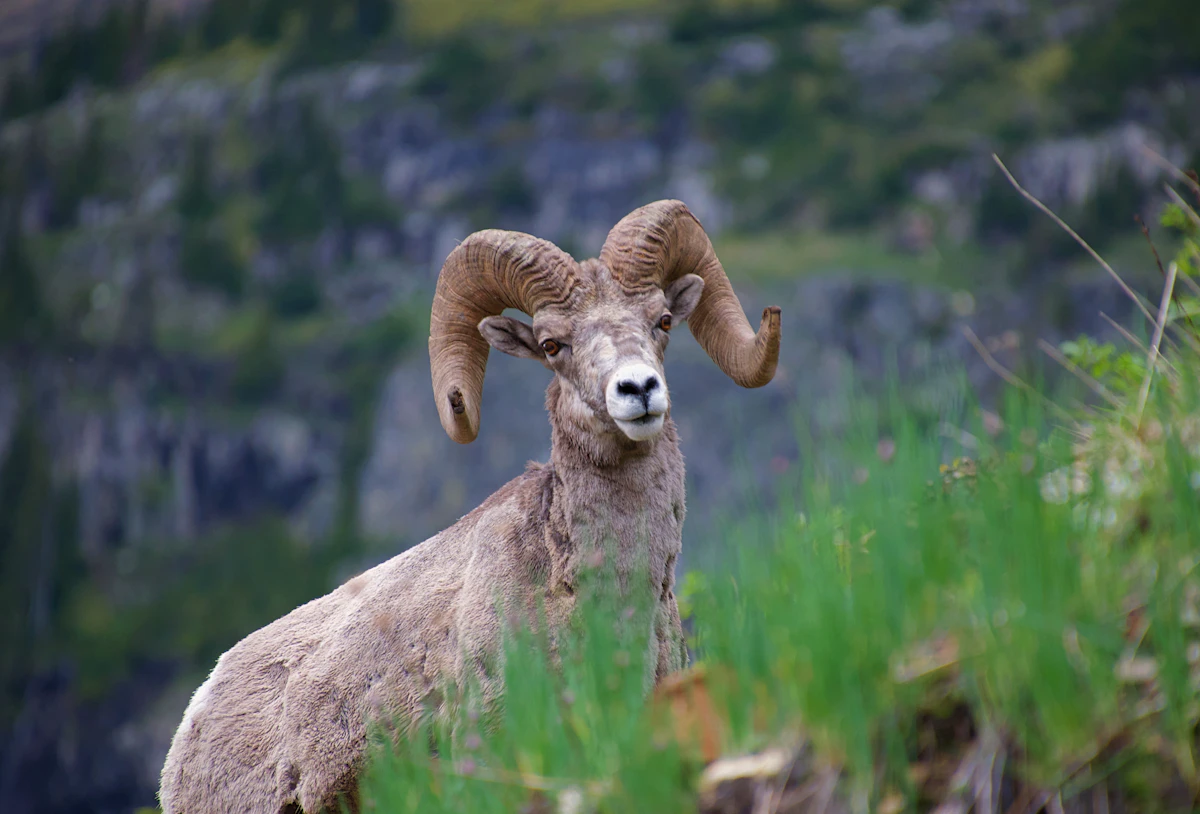
Idaho's controlled hunt draw opens applications in late 2026 for 2027 hunts, covering trophy bull elk units, limited-entry mule deer and whitetail zones, and once-in-a-lifetime moose, bighorn sheep, and mountain goat permits. Unlike some western states, Idaho issues most tags as over-the-counter general hunts, but controlled hunts offer better age class, fewer hunters, and access to premium units. Understanding the draw system, deadlines, and point mechanics gives you a clear advantage before the application window closes.
Application Deadlines for 2027 Controlled Hunts
Idaho Fish and Game typically opens the controlled hunt application period in early December and closes it in early January. For 2027 tags, expect applications to open around December 1, 2026, and close January 5, 2027. Resident and nonresident hunters apply simultaneously — no preference period. Submit your application online through the IDFG licensing portal. You can apply for one controlled hunt per species, but you can apply for multiple species in the same year. If you draw a controlled deer tag, you can still apply for and draw a controlled elk tag in the same season.
Deadlines are firm. The system closes at 11:59 PM Mountain Time on the cutoff date. Late applications are not accepted, and there is no grace period. If you apply after the deadline, your application is rejected and your points are not consumed. Mark your calendar in early December and apply early to avoid last-minute technical issues.
How Idaho's Preference Points Work
Idaho uses a hybrid system. For elk, deer, and pronghorn controlled hunts, the state awards bonus points — each point gives you one additional entry in the draw, improving your odds but not guaranteeing a tag. For moose, sheep, and goat, Idaho awards preference points — hunters with the most points draw first, and tags are allocated in order of point total until quotas are filled. If more hunters hold the same point level than remaining tags, those hunters enter a random draw among themselves.
You earn one point per species per year when you apply and do not draw. Points are species-specific. If you apply for elk and do not draw, you earn an elk bonus point. That point does not apply to deer, pronghorn, or other species. If you draw a controlled tag, your points for that species are zeroed out and you start over. You can also buy a point without applying — this costs the same as a controlled hunt application fee and guarantees you a point without entering the draw. This strategy makes sense if you are building points for a premium unit and do not want to risk drawing a lower-tier tag early.
Nonresidents can purchase up to two bonus points per species per year by buying a point in addition to submitting a controlled hunt application. Residents can only buy one point per species per year. Points never expire as long as you buy or apply for at least one point every other year. If you skip two consecutive years without applying or purchasing a point, your points are forfeited.
Understanding Controlled Hunt Draw Odds
Idaho publishes detailed draw odds in the spring following each draw. These reports show tag quotas, total applicants, applicants by point level, and the percentage of applicants who drew at each point total. Reviewing past draw odds helps you estimate how many points you need for specific units and weapon types.
For elk, most controlled hunts require zero to three bonus points for reasonable draw odds. Trophy units with limited vehicle access or wilderness boundaries may require five or more points. Deer controlled hunts are similar — quality mule deer units in the southern desert ranges or island whitetail units draw more competition, but most hunts remain accessible within three points. Pronghorn controlled hunts often draw with zero or one point, especially in southern and eastern Idaho.
Moose, sheep, and goat are true lottery hunts. Draw odds for these species hover between 0.5% and 2% depending on the unit and weapon type. Nonresident odds are even lower due to the 10% cap on nonresident tags. If you apply every year, expect to accumulate 15–25 preference points before drawing a moose tag and 20–30 points for sheep or goat. Some hunters draw with fewer points due to random chance in the final tier, but banking on luck is not a strategy.
TAGZ helps you filter controlled hunts by species, weapon type, and historical draw odds. Compare units side by side using terrain maps, public land boundaries, and past applicant data so you know exactly how many points you need before you apply. Track your bonus points and preference points across Idaho and other western states in one dashboard so you never miss a deadline or waste points on a hunt you are not ready to draw.
Resident vs. Nonresident Controlled Hunt Allocation
Idaho allocates controlled hunt tags differently depending on species. For elk, deer, and pronghorn, nonresidents receive up to 10% of the total quota for each hunt. If a unit has 100 controlled elk tags, nonresidents can draw up to 10 of those tags. The remaining 90 tags go to residents. If fewer than 10% of applicants are nonresident, the leftover tags roll into the resident pool.
For moose, sheep, and goat, nonresidents receive up to 10% of the statewide quota, not per-unit. Idaho issues around 500–600 moose tags annually, so nonresidents draw roughly 50–60 tags total across all units. Sheep and goat quotas are even smaller, with nonresidents drawing 2–5 tags per species statewide each year. Nonresident odds for these species are extremely low, but applying every year builds preference points that eventually reach the top tier.
Nonresidents must also purchase a hunting license and a nonresident controlled hunt application fee before submitting their controlled hunt applications. The application fee is nonrefundable whether you draw or not. Residents pay a lower fee, and Idaho offers reduced-cost youth and senior licenses that lower the barrier to entry for young and veteran hunters.
Top Controlled Hunt Units for Elk
Idaho's controlled elk hunts target limited-entry zones with better bull-to-cow ratios and age class than general units. Units in the Sawtooth, Frank Church River of No Return Wilderness, and Clearwater regions draw the most interest for archery and rifle hunters chasing mature six-point bulls.
Unit 27 (Sawtooth Zone) is a perennial favorite for archery hunters. The unit sits in central Idaho's high country, blending alpine basins with timbered ridges. Elk numbers are strong, and access is split between Forest Service roads and designated wilderness. Draw odds for archery hunts hover around 30–50% for applicants with two to three bonus points. Rifle hunts are harder to draw due to lower quotas.
Unit 10 (Lolo Zone) offers excellent rifle hunting in November during the rut. The unit spans the Clearwater National Forest and includes steep, timbered drainages where elk migrate from high basins to lower wintering grounds. Rifle hunts here require three to five bonus points for consistent draw odds above 50%. Archery hunts draw with fewer points but demand scouting and bugling skills to locate bulls in dense timber.
Unit 66A (Island Park) is one of the few controlled elk hunts east of the Continental Divide. The unit borders Yellowstone National Park and holds resident elk that rarely migrate. Habitat is a mix of lodgepole pine forests and willow bottoms near the Henry's Fork. Rifle hunts here draw heavy competition due to accessible terrain and proximity to the park boundary. Expect to need four to six bonus points for rifle, fewer for archery.
TAGZ overlays unit boundaries with public land maps and elevation data so you can scout terrain before you apply. Compare quotas, applicant trends, and historical success rates across multiple units to find the controlled hunt that matches your point total and hunting style.
Top Controlled Hunt Units for Deer
Idaho's mule deer controlled hunts concentrate in the southern desert ranges and eastern foothills, where habitat supports older-age-class bucks. Whitetail controlled hunts are rarer and limited to northern forests and island farmland units.
Unit 66 (Island Park) also offers a controlled mule deer hunt during October and November. Bucks stage in the sagebrush foothills and aspen edges before winter pushes them lower. The unit is accessible by road, but the best bucks are found by hiking into off-road basins. Draw odds sit around 40–60% with one to two bonus points for rifle hunts. Archery hunts are easier to draw but require knowledge of feeding and bedding patterns in early October.
Unit 73 (Raft River) is one of Idaho's best desert mule deer units. The hunt occurs in late October when bucks are in pre-rut. Terrain is a mix of juniper-covered ridges, low-elevation sagebrush, and rocky outcrops. This is a glassing-heavy hunt — locate bucks from high vantage points and plan stalks across open ground. Draw odds require two to four bonus points depending on weapon type.
Unit 1 (Panhandle) holds Idaho's only significant whitetail controlled hunt. The unit covers farmland, riparian corridors, and mixed conifer forest in the northern panhandle near Bonners Ferry. Rifle hunts during November coincide with the rut, and mature bucks cruise doe groups in open fields and forest edges. Draw odds are moderate — expect one to three points for consistent draws.
Moose, Sheep, and Goat Controlled Hunts
Idaho's once-in-a-lifetime species draw extremely high application numbers and require decades of preference points for most successful applicants. Moose units are distributed across northern forests and mountain ranges, with the highest tag quotas in the Panhandle and Clearwater regions. Bighorn sheep hunts occur in the Hells Canyon breaks, Salmon River canyons, and high alpine ranges. Mountain goat tags are concentrated in the Bitterroot, Selkirk, and Sawtooth wilderness zones.
For moose, nonresidents should expect 20–25 preference points before reaching the top tier. Residents may draw with 10–15 points depending on unit and weapon type. Sheep and goat hunts require even more patience — 25–30 points for nonresidents, 15–20 for residents. Some hunters draw earlier due to random selection within the final point tier, but these draws are rare.
The application strategy for these species is simple: apply every year and buy a preference point annually to accelerate your point accumulation. Do not skip years. Missing a single application cycle delays your draw by at least one year and potentially more if quotas shrink or applicant pools grow.
TAGZ tracks your preference points across all once-in-a-lifetime species in Idaho and alerts you when you are approaching competitive point levels for specific units. Compare your point total against historical draw trends to estimate when you will reach the top tier.
How to Apply for Idaho Controlled Hunts
Idaho's controlled hunt application process runs entirely through the IDFG online licensing system. Create an account at idfg.idaho.gov if you do not already have one. You will need your hunter education number, contact information, and a valid credit card. Nonresidents must purchase a hunting license and controlled hunt application fee before submitting their choices.
You can apply for one controlled hunt per species per year. Select your first-choice hunt, then select up to five additional choices in order of preference. If you do not draw your first choice, the system automatically considers you for your second choice using the same bonus points. This process continues through all six choices. If you do not draw any of your choices, you earn one bonus point for that species and your application fee is forfeited.
Group applications are allowed. If you apply as a group, all members must have the same number of bonus points, and the group is treated as a single applicant in the draw. If the group draws, all members receive tags. If the group does not draw, all members earn a bonus point. Group applications improve your odds for hunts with high quotas but lower your odds for hunts with very limited tags.
After the draw, successful applicants are notified by email in late March or early April. Tags are mailed to your address on file. If you draw a controlled hunt tag, your bonus points for that species are set to zero. Unsuccessful applicants automatically receive one bonus point, which is applied to their account by early summer.
Building a Long-Term Idaho Draw Strategy
Idaho's controlled hunt system rewards patience and planning. For elk and deer, you can draw quality tags with two to four bonus points if you research units and apply strategically. For once-in-a-lifetime species, expect to apply for a decade or more before drawing, but the payoff is a legitimate trophy hunt in some of the West's wildest country.
Start by identifying your target species and weapon type. If you are a rifle hunter focused on elk, filter controlled hunts by rifle season dates and unit terrain. Review draw odds from the past three years and identify hunts where applicants with your current point total draw at 30% or higher. Apply for those hunts as your first and second choices, then list lower-competition hunts as backup options.
If you are building points for a premium unit, buy a bonus point every year without applying, or apply for hunts you are willing to accept as consolation tags. Do not waste points on hunts you are not prepared to execute. If you draw a controlled hunt tag, hunt it or forfeit your points — Idaho does not allow you to return a tag and keep your points.
For moose, sheep, and goat, apply every single year and buy a preference point in addition to your application if you are a nonresident. The difference between 20 points and 25 points may be the difference between drawing and waiting five more years. Track point creep annually by reviewing updated draw odds reports and adjust your strategy if quotas drop or applicant numbers surge.
TAGZ centralizes your Idaho controlled hunt research, point tracking, and draw deadline reminders in one platform. Filter hunts by species, weapon, terrain, and public land access, then compare units side by side to find the tags that match your experience level and point total. Set alerts for application deadlines so you never miss the early December window.
FAQ — Idaho Big Game Draw
When does Idaho's 2027 controlled hunt application open? Applications typically open in early December 2026 and close in early January 2027. The exact dates are announced by Idaho Fish and Game in November, but expect a December 1 open and January 5 close based on historical patterns.
Can nonresidents draw Idaho controlled elk tags? Yes. Nonresidents receive up to 10% of the quota for each controlled elk hunt. Draw odds are lower than residents due to the cap, but most elk hunts remain accessible with two to four bonus points.
How many bonus points do I need to draw a controlled elk hunt in Idaho? Most controlled elk hunts draw with zero to three bonus points. Premium wilderness units and trophy zones may require five or more points. Draw odds vary by unit, weapon type, and applicant pool each year.
What is the difference between bonus points and preference points in Idaho? Bonus points are used for elk, deer, and pronghorn — each point gives you one additional entry in the random draw. Preference points are used for moose, sheep, and goat — tags are allocated in order of point totals, with hunters holding the most points drawing first.
Can I apply for multiple species in the same year? Yes. You can apply for one controlled hunt per species per year. If you apply for elk, deer, pronghorn, moose, sheep, and goat in the same year, you can draw tags for all six species if you are successful in each draw.
What happens to my points if I draw a controlled hunt tag? Your points for that species are set to zero and you start over. Points are species-specific, so drawing an elk tag does not affect your deer, pronghorn, or other species points.
Continue Planning Your Hunt
Idaho's controlled hunt draw is just one piece of western hunt planning. If you are applying in multiple states, track your preference points, bonus points, and draw deadlines across all applications using TAGZ. Compare Idaho's controlled hunts with Montana's combo licenses, Wyoming's preference point system, and Colorado's weighted point draws to maximize your odds of drawing at least one quality tag every year.
Explore more hunt planning strategies, unit breakdowns, and draw deadline guides on the TAGZ Insights page. If you are ready to start planning your 2027 western hunting season, visit the TAGZ product page to filter units by terrain, public land access, and historical draw odds. Compare controlled hunts side by side, track your points, and set deadline reminders so you never miss an application window. Learn more about pricing and subscription options at getmytagz.com/pricing, or return to the home page to see how TAGZ simplifies the entire draw process from research to application.
Was this article helpful?
Previous
Best Colorado Elk Hunts With Zero Points in 2027
Looking for Colorado elk hunts with zero points in 2027? Learn how to find realistic elk opportunities by unit, season, weapon and draw history.
Next
Colorado Elk Application Strategy 2027: Draw Odds, Points & Units
Build your Colorado elk application strategy for 2027. Learn how preference points, draw odds, hunt codes, seasons and residency affect where to apply.