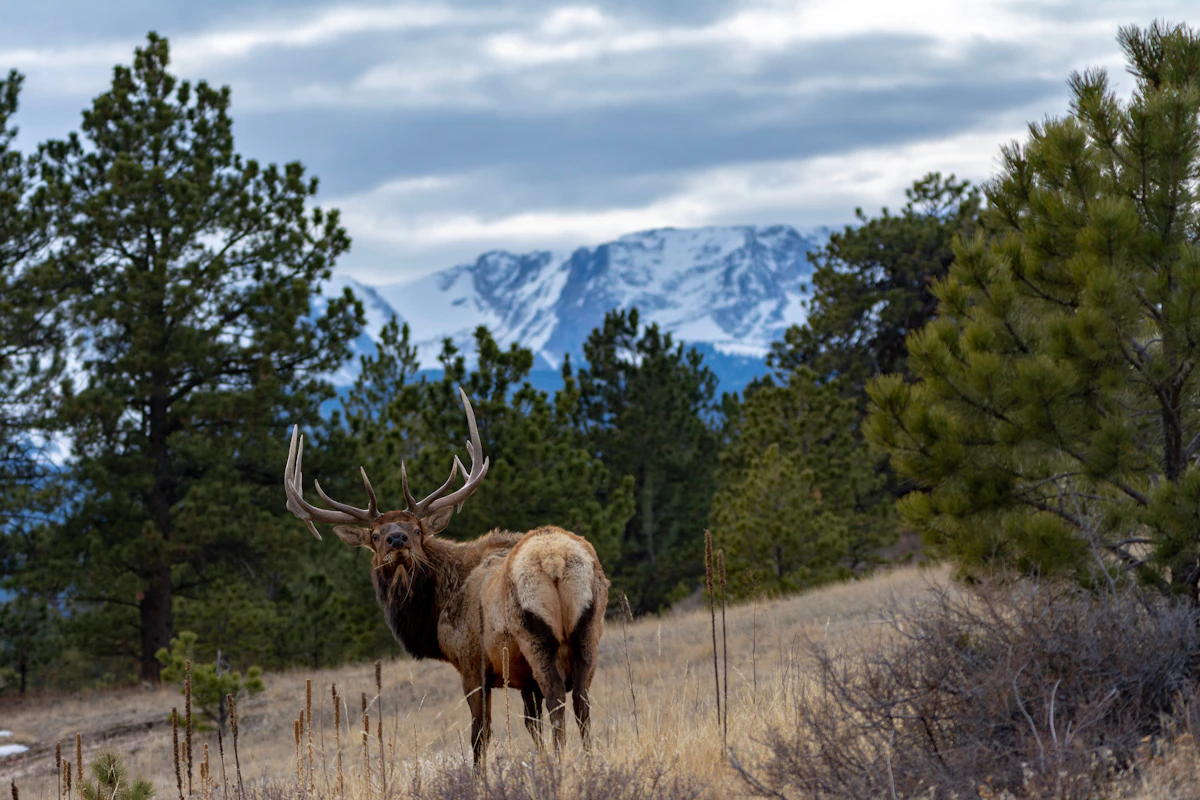
Best Colorado Elk Hunts With Zero Points in 2027
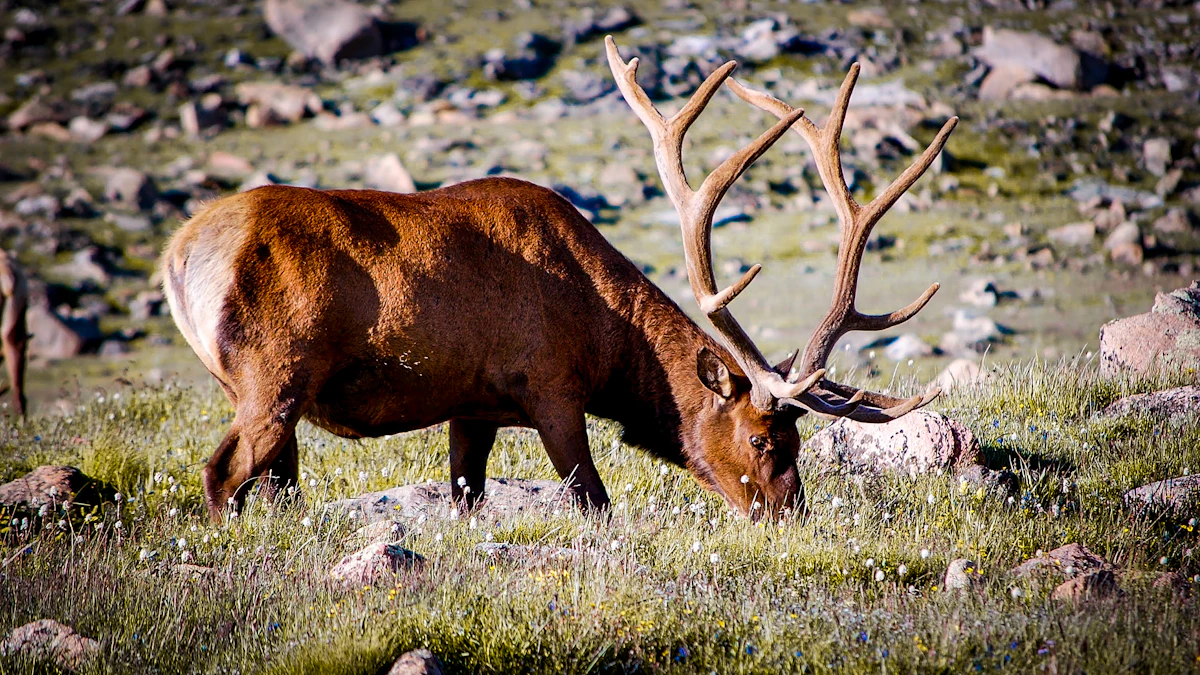
If you're sitting on zero Colorado elk preference points heading into 2027, it's easy to look at the state's famous elk units and think you're years away from having a worthwhile hunt.
That's the wrong way to look at Colorado.
Zero points doesn't mean zero opportunity.
It means you need to stop comparing your application to hunters sitting on a pile of preference points and start looking for opportunities that actually fit where you are in the system.
For a zero-point hunter, the question shouldn't be:
What are the best elk units in Colorado?
It should be:
What are the best Colorado elk hunts I can realistically pursue with zero points?
That's a much more useful question — and exactly where draw-odds research becomes valuable.
Can You Draw Colorado Elk With Zero Preference Points?
Yes, depending on the specific hunt and that year's applicant demand.
Colorado doesn't have one universal point requirement for elk.
Different hunt codes can have dramatically different levels of demand based on:
- Unit
- Season
- Weapon
- License type
- Residency
- Applicant demand
- License availability
- Access
- Hunt reputation
Some limited licenses attract substantially more applicants than others.
That's why a hunter with zero points shouldn't simply search for "Colorado elk."
You need to research the specific hunt you're considering.
What Does "Zero Points" Actually Mean?
When hunters talk about drawing with zero points, the terminology can sometimes create confusion.
For TAGZ's purposes, we're talking about a hunter entering the application process without accumulated Colorado elk preference points available to improve their position in the applicable preference-point portion of the draw.
That doesn't mean a hunt is guaranteed.
And it doesn't mean a hunt that was available to zero-point applicants historically will necessarily remain that way in 2027.
Historical draw results are evidence of what happened previously — not a guarantee of what will happen next.
That's why you need to look at trends.
Why Zero-Point Elk Opportunities Exist
Hunters naturally concentrate around certain hunts.
A famous unit gets talked about online.
Hunters see pictures of big bulls.
More people apply.
Demand rises.
Point requirements can rise with it.
But Colorado contains far more elk country than the handful of units that receive most of the attention.
Other hunts may receive less demand because of:
- Difficult terrain
- More hunting pressure
- Lower trophy expectations
- Challenging public access
- Private-land complications
- Later season dates
- Weather uncertainty
- Lower historical success
- Less name recognition
- Weapon restrictions
- Distance from major population centers
None of those automatically makes a hunt bad.
But you need to understand why the hunt is easier to obtain.
That's the difference between finding an overlooked opportunity and blindly applying for a low-demand hunt.
Don't Confuse Easy to Draw With Easy to Hunt
This is one of the most important lessons for zero-point hunters.
Easy to draw does not mean easy to hunt.
In fact, sometimes it's the opposite.
A license may receive less demand precisely because hunters know the hunt is difficult.
You might be dealing with steep terrain, heavy hunting pressure, difficult access, large amounts of private property, unpredictable elk movement or challenging weather.
So don't evaluate a hunt using draw odds alone.
Draw odds answer:
Can I potentially get the tag?
They don't answer:
What happens after I get it?
That's why your research needs to go beyond the draw.
Start With Hunt Codes, Not Just Unit Numbers
One of the easiest mistakes to make when researching Colorado elk is focusing entirely on GMU numbers.
The unit matters.
But the actual hunting opportunity is more specific than that.
Think in terms of:
Unit + Species + Weapon + Season + Hunt Code + Residency
Two hunters researching the same GMU may be looking at completely different opportunities.
One may be considering archery.
Another may be looking at a rifle season.
Their draw histories and hunting experiences can be very different.
That's why TAGZ is built around comparing actual hunting opportunities rather than simply showing hunters a list of unit numbers.
Best Colorado Elk Strategy With Zero Points
The best zero-point strategy starts with flexibility.
If you insist on one famous unit, one weapon and one particular season, you dramatically reduce the number of opportunities available to you.
Instead, work backward from your position.
Start with:
I have zero points. What can I realistically pursue?
Then filter those opportunities based on what matters to you.
For example:
Zero points → Elk → Colorado → Residency → Weapon → Season → Unit
Now you're researching opportunities that actually make sense for your application.
Look for Historically Lower-Demand Hunts
One of the first places to start is historical applicant demand.
You're looking for hunt codes where previous demand indicates zero-point applicants had some level of opportunity.
But don't stop after one year.
Look at multiple years.
Imagine Hunt A looked like this:
2023 — zero-point applicants successful
2024 — zero-point applicants successful
2025 — zero-point applicants successful
2026 — zero-point applicants successful
Compare that with Hunt B:
2023 — zero-point applicants successful
2024 — zero-point applicants successful
2025 — 1 point
2026 — 2 points
Those two hunts are moving in very different directions.
That's why trend data matters.
Watch for Hunts Becoming More Popular
Today's overlooked opportunity can become tomorrow's point-creep hunt.
Hunters share information.
Podcasts discuss units.
YouTube videos get published.
Articles rank on Google.
Word spreads.
Applicant demand changes.
A hunt that historically required zero points can move upward.
That's why this article isn't telling you that a specific hunt is guaranteed to draw at zero points in 2027.
Nobody knows the final 2027 applicant pool before the draw happens.
Instead, use the latest available historical data to identify hunts worth researching.
Colorado Archery Elk With Zero Points
Archery should be part of the conversation for hunters trying to expand their Colorado options.
September elk hunting appeals to hunters for obvious reasons.
You may experience rutting behavior, calling opportunities and a completely different style of elk hunting than later seasons.
But archery isn't simply a workaround for the draw.
You still need to research the individual opportunity.
And once you have the tag, you have to get close enough to kill an elk with a bow.
Consider:
- Physical conditioning
- Calling ability
- Effective shooting range
- Terrain
- Public access
- Hunting pressure
- Scouting
- Time available to hunt
A tag you can obtain isn't valuable if it doesn't match the way you actually want to hunt.
Colorado Rifle Elk With Zero Points
Rifle hunters should look beyond Colorado's famous limited licenses.
Season timing can have an enormous effect on the experience.
Later hunts may involve colder temperatures, snow, changing elk distribution and different levels of hunting pressure.
The unit also matters.
A rifle opportunity with relatively favorable historical draw results could still be extremely difficult because of access or where elk spend their time during that season.
Research the whole hunt.
Not just the draw percentage.
Colorado Muzzleloader Elk With Zero Points
Muzzleloader hunters should also include their weapon category when comparing potential opportunities.
Different weapon seasons can have very different applicant demand.
That's why hunters willing to consider multiple weapons can sometimes uncover options they wouldn't see if they only researched rifle or archery.
The important part is choosing a hunt you genuinely want.
Don't apply for a muzzleloader hunt solely because historical odds appear favorable if you have no interest in actually hunting with a muzzleloader.
Zero-Point Strategy for Colorado Residents\
Colorado residents should research draw history that applies to their applicant pool.
Your strategy should begin with:
Residency → Points → Species → Weapon → Season
Then compare potential hunts.
Don't assume the numbers you've heard from a nonresident friend apply directly to your application.
The applicant environment can differ.
Zero-Point Strategy for Colorado Nonresidents
Nonresidents need to be especially careful with generalized draw-odds information.
If you're coming from New York, Pennsylvania, Texas or anywhere else outside Colorado, the number you care about is the one relevant to nonresident applicants.
Don't see a hunt described online as "zero points" and immediately assume that's your situation.
Check the historical nonresident results.
Then look at:
- Nonresident applicant demand
- License allocation
- Historical point requirements
- Hunt code
- Season
- Weapon
- Unit
A Colorado resident and a nonresident can research the same hunt and come away with different application strategies.
Should You Buy a Preference Point Instead?
Zero-point hunters face another question:
Should I try to hunt now or start building points?
There's no universal answer.
If your long-term objective is a difficult-to-draw premium hunt, building points may fit your strategy.
But if your main goal is getting into the field, don't assume collecting points is automatically the smartest move.
Ask yourself:
What am I actually saving these points for?
If you don't have an answer, you're building points without a plan.
That's how hunters end up accumulating points for years simply because they started accumulating them.
Hunt Now vs. Build Points
Think about the opportunity cost.
Imagine you spend eight years waiting for one particular hunt.
During those eight years, you might have passed several opportunities to hunt elk.
Maybe that's worth it to you.
Maybe it isn't.
A trophy-focused hunter may gladly wait.
Another hunter may rather hunt three times during that same period.
Neither is automatically right.
Your strategy should reflect what you value.
Don't Ignore Colorado's Less Famous Units
Hunters naturally search for the same units.
That creates an interesting opportunity.
Instead of starting with reputation, start with data.
Find the hunts historically aligned with your point level.
Then research those units.
You may discover opportunities you never would have considered if you'd started by Googling:
"Best Colorado elk units."
This is one of the biggest advantages of approaching the draw from the bottom up.
You're letting your realistic opportunities determine your research rather than allowing internet popularity to determine your application.
Compare Multiple Seasons in the Same Area
Don't assume that because one hunt in a unit is difficult to draw, every opportunity associated with that area has the same demand.
Weapon and season can dramatically alter the application picture.
When researching a GMU, examine the available opportunities separately.
Compare:
Archery
vs.
Muzzleloader
vs.
Rifle
where applicable.
Then compare season timing.
This can uncover opportunities hidden by broad unit-level research.
Public Land Still Matters
Draw odds don't tell you how much practical hunting access you'll have.
A hunt can look attractive statistically and become much less appealing once you study land ownership.
Look at:
- Public-land percentage
- Public-land distribution
- Road access
- Wilderness
- Trailheads
- Private-land boundaries
- Terrain
- Elevation
- Potential access bottlenecks
A unit containing large amounts of public land isn't automatically easy to access.
Likewise, a unit with less public land may still offer useful access depending on how that land is distributed.
Hunting Pressure Matters Too
An attainable tag can come with more hunters.
That's part of the tradeoff.
If your goal is simply getting into elk country, you may be perfectly comfortable hunting a unit with more pressure.
If solitude is one of your biggest priorities, you may want a different strategy.
Know your priorities before applying.
Build a Zero-Point Shortlist
Rather than choosing one hunt immediately, build a shortlist.
I would start with approximately five to ten potential hunt codes that appear historically relevant to your point level.
Then compare them based on:
- Historical draw results
- Applicant trend
- Residency
- Weapon
- Season
- Public access
- Terrain
- Hunting pressure
- Historical success
- Your personal hunting goals
Now narrow the list.
That process is much more useful than blindly applying for the first hunt someone recommends online.
Have a Backup Plan
Western hunting applications involve uncertainty.
Even if historical data looks favorable, don't build your entire year around one assumption.
Have alternatives.
Your backup strategy might involve another Colorado opportunity or another Western state entirely.
That's where multi-state planning becomes important.
Zero Points Can Be an Advantage
This sounds strange, but starting at zero can actually give you freedom.
You aren't emotionally attached to ten years of accumulated points.
You haven't spent a decade chasing one unit.
You can evaluate the West from scratch.
Maybe Colorado makes sense.
Maybe Idaho does.
Maybe New Mexico fits your strategy.
Maybe you start building points in Wyoming or another state while pursuing more attainable opportunities elsewhere.
You can build your strategy intentionally from the beginning.
Build a Multi-State Zero-Point Strategy
Don't think:
How do I draw Colorado elk with zero points?
Think:
How do I create elk hunting opportunities across the West starting with zero points?
That's a much bigger question.
A hunter can potentially pursue different strategies across different draw systems rather than waiting entirely on one preference-point state.
You might:
- Build points in one state
- Apply in a random-draw state
- Pursue a more attainable opportunity elsewhere
- Enter controlled draws
- Research leftover or secondary opportunities where applicable
The objective is creating multiple pathways to hunting.
Don't Chase 100% Draw Odds
A common mistake is searching for a hunt that appears to have perfect historical odds and treating that as the only acceptable option.
Historical draw odds aren't guarantees.
More importantly, draw probability isn't the only measure of a hunt.
A hunt with lower odds but significantly better alignment with your objectives might deserve serious consideration.
You have to balance:
Probability + Quality + Cost + Access + Experience
That's application strategy.
Use Historical Data, Not Internet Hype
Online hunting conversations tend to concentrate around the same units.
Historical draw data gives you another perspective.
Instead of asking strangers where you should apply, start with what the draw actually shows.
Then use hunting reports, maps, state information, scouting resources and local knowledge to evaluate the opportunities you've identified.
Data narrows the field.
Research finishes the decision.
Your 2027 Zero-Point Colorado Elk Checklist
Before applying, confirm:
- Your Colorado elk preference-point total.
- Your residency.
- The exact hunt code.
- Historical draw results.
- Multi-year applicant trends.
- Weapon.
- Season dates.
- Public access.
- Terrain.
- Hunting pressure.
- Your available hunting time.
- Your budget.
- Your backup plan.
And most importantly:
Would you actually be excited to hunt this tag if you drew it?
If not, keep looking.
Use TAGZ to Find Colorado Elk Opportunities
The hardest part of Western hunting isn't always finding information.
It's sorting through enough information to make a decision.
TAGZ was built to help hunters research draw odds, compare opportunities and make sense of Western application systems.
Instead of starting with a famous unit and asking how many years you'll have to wait, turn the process around.
Start with your points.
Find your realistic opportunities.
Compare them.
Then decide where you actually want to hunt.
Zero points doesn't mean zero opportunity.
Your hunt starts with TAGZ.
Continue Planning Your Hunt
Colorado's 2027 elk draw may provide opportunities across different units, weapons and seasons for hunters willing to build their strategy around realistic historical draw data rather than simply chasing Colorado's most famous units.
Use TAGZ to compare Colorado elk opportunities side by side, analyze historical draw odds, filter by weapon type and track application deadlines across multiple Western states.
Explore additional Western hunting strategies, draw updates and unit breakdowns on the TAGZ Insights blog, or review TAGZ pricing options to access additional draw data and hunting-planning tools.
Start researching your 2027 Colorado elk opportunities with the TAGZ platform and make more confident application decisions using historical draw information and unit-level research.
Where should I apply?
Colorado Elk With Zero Points 2027 FAQ
Can you draw a Colorado elk tag with zero preference points? Elk - Statistics | Colorado Parks and Wildlife
Some Colorado elk opportunities have historically been available to zero-point applicants. Availability depends on the specific hunt code, applicant pool, license availability and demand.
Are zero-point Colorado elk hunts guaranteed in 2027?
No. Historical draw results don't guarantee future results. Demand and license availability can change from year to year.
What are the easiest Colorado elk units to draw?
Rather than looking only for an "easy unit," research specific hunt codes by residency, weapon, season and historical demand. Different hunts within or around the same area can have very different draw histories.
Can nonresidents draw Colorado elk with zero points?
There can be opportunities for nonresident hunters, but nonresidents should specifically research historical results applicable to their applicant pool.
Should I build Colorado elk preference points instead?
It depends on your goals. Hunters targeting high-demand licenses may choose to build points, while hunters prioritizing more frequent opportunities may research more attainable hunts.
Is zero points the same as no chance?
No. Your chances depend on the particular license you're applying for and the structure and demand of that draw.
Are archery elk hunts easier to draw than rifle hunts?
Not universally. Applicant demand varies by specific hunt. Compare historical results for each weapon and hunt code you're considering.
Why would a Colorado elk hunt have low demand?
Terrain, access, hunting pressure, season timing, private land, success rates and reputation can all influence applicant demand.
Should I only look at last year's draw odds?
No. Multi-year trends provide much more context than a single year's result.
Where can I compare Colorado elk draw odds?
TAGZ provides Western hunting draw information and tools for comparing opportunities by factors such as state, species and hunting characteristics.
Was this article helpful?
Previous
Colorado Elk Application Strategy 2027: Draw Odds, Points & Units
Build your Colorado elk application strategy for 2027. Learn how preference points, draw odds, hunt codes, seasons and residency affect where to apply.
Next
Colorado Elk Draw Odds 2027: Units, Points & Nonresident Strategy
Colorado elk draw odds, Colorado elk preference points, Colorado nonresident elk draw odds, Colorado elk application 2027, Colorado elk units, Colorado elk hunting 2027, how many points to draw Colorado elk