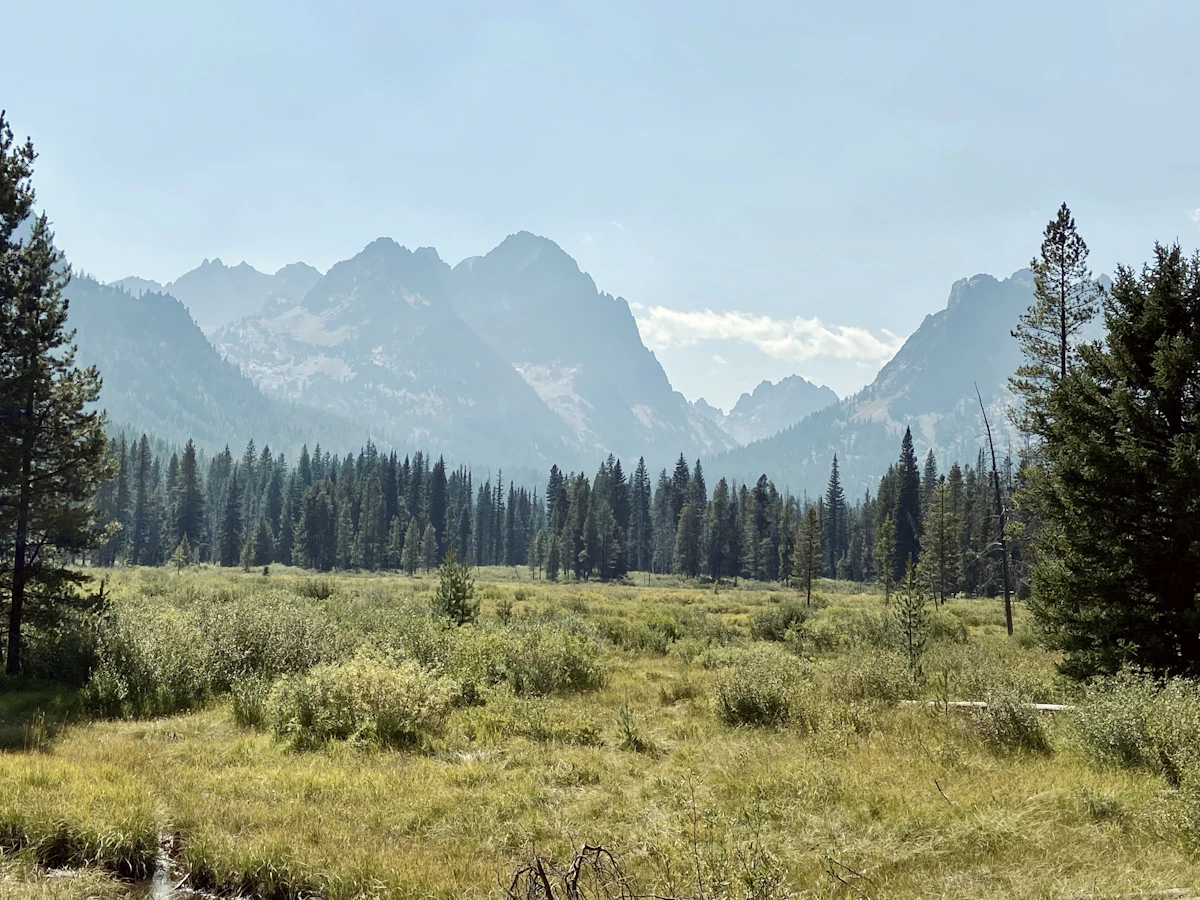
Idaho Nonresident Deer Draw Guide 2027: Tags, Odds & Strategy
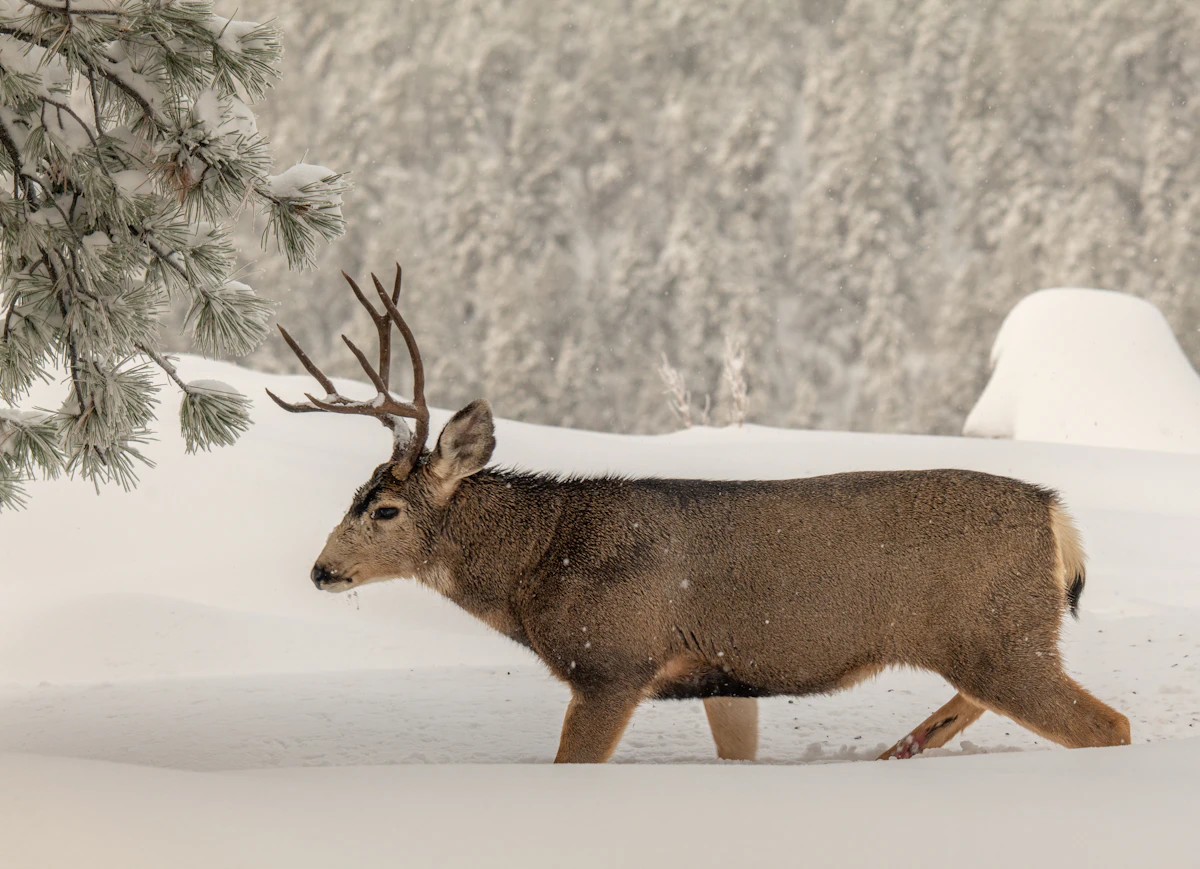
Idaho offers nonresident deer hunters a mix of controlled hunt opportunities and general-season options, but navigating the draw system requires understanding zone structures, quota allocations, and how preference points factor into your odds. The 2027 application season opens in early December 2026, and preparation now determines whether you draw a coveted trophy zone tag or spend another year on the sidelines.
Idaho's Deer Tag Structure for Nonresidents
Idaho divides deer hunting into two categories: controlled hunts and general seasons. Controlled hunts require a draw application and include limited-entry units with better buck-to-doe ratios and age-class structure. General seasons allow over-the-counter tag purchases in specific zones, though quotas can fill quickly for nonresidents.
Nonresidents face a 10 percent quota cap on most controlled hunt tags. This means if a unit allocates 100 deer tags total, only 10 go to nonresident applicants. Trophy zones like the Island Park area (Units 60, 60A, 62, 62A) and the Lemhi region (Units 36, 36A, 37, 37A) see heavy competition because mature buck opportunity is significantly higher than general units.
The general deer season covers Zones 8A through 77, but nonresident quotas vary by zone. Some zones sell out within hours of the license release date, while others remain available through the season. Zone 10 in the Panhandle and Zone 28 near the Salmon River historically fill fast due to access and deer density.
Controlled Hunt Application Deadlines and Process
The 2027 controlled hunt application period runs from the first Monday in December 2026 through December 31, 2026. Applications submitted after 11:59 PM Mountain Time on December 31 are rejected. Idaho uses a two-choice system — you can apply for up to two controlled hunts in order of preference, plus general-season options as backup.
Idaho Fish and Game conducts the draw in early February 2027. Successful applicants receive notification via email and can purchase their deer tag online immediately. Unsuccessful applicants automatically receive a preference point for the species they applied for, as long as they were unsuccessful in all choices.
The application fee is $15.50, and the nonresident deer tag cost is $301.50 for 2027. If you draw, you must purchase the tag by the deadline specified in your draw notification, or the tag is reallocated to the leftover pool.
How Idaho's Preference Point System Works
Idaho awards one preference point per species per year when you apply and do not draw any of your choices. Points are species-specific — deer points apply only to deer controlled hunts, elk points only to elk, and so on. There is no point-banking or cross-species transfer.
Preference points function as a tiebreaker, not a guaranteed draw mechanism. When multiple applicants compete for the same tag, Idaho conducts a random draw among the applicants with the highest point total. If 50 hunters apply for 5 tags and 30 of those hunters have 3 points while the rest have fewer, the draw occurs only among the 30 with 3 points.
You can purchase a preference point without applying for a controlled hunt by buying a deer point during the application period for $8.75. This strategy works if you are building points for a future high-demand unit but do not plan to hunt in 2027. However, if you apply for any controlled deer hunt and draw it, you lose all accumulated deer points.
Idaho caps points at a maximum that varies by species and demand, though deer points have no published cap. Most trophy mule deer units now require 2 to 4 points for nonresidents to draw with reasonable odds, while whitetail units in northern Idaho often draw with 0 to 1 points.
Trophy Mule Deer Units Worth the Wait
Unit 66 in the Snake River Plain near American Falls Reservoir consistently ranks as one of Idaho's top mule deer units for mature bucks. Public land access is limited, and most of the best habitat sits on private ranches, but hunters who secure permission or draw walk-in access areas find bucks in the 160 to 180 Boone and Crockett range. Nonresident draw odds for Unit 66 controlled hunts hover around 5 to 10 percent with maximum points, and most successful applicants have 3 or 4 points.
Unit 73 and Unit 75 in the Owyhee Canyonlands offer remote desert mule deer hunting with minimal pressure. These units require serious physical conditioning and navigation skills, as terrain is steep, water is scarce, and cell service is nonexistent. Bucks here grow heavy-horned and wide, with mature animals scoring 170 to 190 inches. Draw odds are better than Island Park units — typically 15 to 25 percent for nonresidents with 2 points — because terrain and distance filter out casual applicants.
Units 36 and 37 in the Lemhi Mountains produce trophy-class mule deer in high-alpine basins and sagebrush ridges. Public land comprises most of the unit acreage, and access from forest roads is straightforward. Bucks in the 170 to 185 range are realistic for hunters willing to hike above treeline. Nonresident draw odds range from 10 to 20 percent with 2 to 3 points, depending on weapon type and season timing.
Whitetail Opportunities in Northern Idaho
Northern Idaho's Panhandle region holds some of the state's densest whitetail populations, with Units 1, 4, 6, and 10A offering excellent chances at mature bucks. Most whitetail controlled hunts occur during the rut in November, when bucks are most vulnerable to calling and rattling.
Unit 6 near the St. Joe River drainage produces bucks in the 140 to 160 Boone and Crockett class annually. The terrain is heavily forested with thick understory, so success rates are lower than mule deer units, but the quality is high for hunters who can pattern deer near agricultural edges or riparian corridors. Nonresident draw odds for Unit 6 whitetail hunts range from 40 to 60 percent with 0 to 1 points.
Unit 10A along the Canadian border offers a mix of public Kootenai National Forest land and private timber company parcels. Whitetails here are large-bodied due to cold winters and abundant browse, with mature bucks averaging 140 to 150 inches gross score. Draw odds for nonresidents are 50 to 70 percent with 1 point, and the November rifle hunts align perfectly with peak rut activity.
General Season Strategy for Nonresidents
If you miss the controlled hunt draw or want a backup option, Idaho's general deer seasons provide opportunity across multiple zones. Zone 77 in southeastern Idaho near the Utah border offers quality mule deer hunting on public Bureau of Land Management ground, and the nonresident quota does not fill immediately.
Zone 8A in the Panhandle is a solid whitetail option with over-the-counter availability, though competition increases each year as word spreads about mature buck potential. Zone 28 near the Frank Church Wilderness offers backcountry mule deer hunting for those willing to pack in, and tags are often available through late summer.
General season tags go on sale in early July 2027, and nonresidents should plan to purchase immediately when the license system opens. Popular zones like 10 and 28 can sell out within the first week, while less-accessible zones remain available longer.
How TAGZ Simplifies Idaho Draw Planning
TAGZ helps you compare Idaho controlled hunt units side by side using terrain maps, unit boundaries, and historical draw data. Track your preference points and bonus points across multiple states so you never miss a draw deadline. Whether you are chasing OTC tags or planning a trophy limited-entry hunt, TAGZ gives you the tools to make smarter decisions before you ever step into the field.
Filter Idaho deer hunts by weapon, season, and species to see exactly which units match your schedule and skill level. TAGZ shows you public land boundaries, terrain breakdowns, and access points so you can evaluate unit quality before you apply. The platform tracks draw deadlines across all western states, sends reminders, and stores your point totals in one place so you never lose track of where you stand.
Unit Selection Mistakes to Avoid
Applying for a second-choice unit that requires more points than your first choice wastes your application. Idaho processes first-choice applications before moving to second choices, so if you do not draw your first choice, you enter the second-choice pool with everyone else. Your points do not carry extra weight in the second draw.
Another common error is applying for a controlled hunt and purchasing a general tag as a backup without understanding residual tag rules. If you draw your controlled hunt, you cannot return the tag and switch to a general tag later. Plan your applications assuming you will draw, and only purchase a general tag if you are truly willing to hunt that zone.
Ignoring weapon-specific draw odds is a costly mistake. Archery-only controlled hunts in the same unit often have 2 to 3 times better draw odds than rifle hunts because fewer applicants compete. If you are comfortable with a bow, applying for archery seasons in trophy units like 66 or 36 can cut years off your wait time.
FAQ — Idaho Nonresident Deer Draw
How many preference points do I need to draw a trophy mule deer tag in Idaho?
Most trophy units like 66, 36, and 73 require 2 to 4 preference points for nonresidents to draw with realistic odds. Island Park units can take 3 to 5 points depending on weapon type.
Can I apply for both mule deer and whitetail controlled hunts in the same year?
Yes. Mule deer and whitetail are considered the same species for Idaho's draw purposes, so your two controlled hunt choices can include any combination of mule deer or whitetail hunts.
What happens to my points if I draw a controlled hunt?
You lose all accumulated deer preference points the moment you draw any controlled deer hunt, regardless of whether you hunt or cancel the tag later. Points are gone once the draw results are final.
Are leftover controlled hunt tags available after the draw?
Yes. Idaho releases leftover tags from the controlled draw in early March, and they are available on a first-come, first-served basis to both residents and nonresidents. Popular units sell out within minutes.
Do general deer tags require a draw for nonresidents?
No. General deer tags are sold over the counter, but nonresident quotas apply to each zone. Once the nonresident cap is reached, no more tags are sold for that zone.
Can I hunt both a controlled hunt and a general season in the same year?
No. If you draw a controlled deer hunt, you cannot purchase a general deer tag for the same year. You must choose one or the other before applying.
Continue Planning Your Hunt
Idaho's deer draw system rewards preparation and point management. Understanding unit quotas, weapon-specific odds, and deadline timing puts you ahead of applicants who wait until December to research options. Whether you are targeting a trophy mule deer in the desert or a heavy-beamed whitetail in the Panhandle, Idaho offers nonresident opportunities that justify the application effort.
For more insights on western draw strategies and unit breakdowns, explore additional resources on the TAGZ Insights page. Compare draw odds across states, track your points, and build multi-year application plans using the TAGZ platform. Start planning your 2027 Idaho deer hunt today at getmytagz.com.
Was this article helpful?
Previous
Idaho Controlled Elk Draw Odds 2027: Hunt Units, Success Rates & Application Strategy
Idaho's 2027 controlled elk hunt draw offers trophy opportunities across premier units like the Frank Church Wilderness and Island Park. Understanding draw odds, preference points, and unit-specific strategies helps nonresidents and residents maximize their chances at Idaho's best elk tags.
Next
Idaho Controlled Hunt Draw Guide 2027: Application Strategy & Success Tips
Idaho's 2027 controlled hunt draw opens in early January with over 12,000 permits across elk, deer, pronghorn, and moose. Learn how to maximize your odds through smart unit selection, bonus point strategy, and multi-species applications.