Idaho Bighorn Sheep Draw Odds 2027: Best Units & Point Strategy
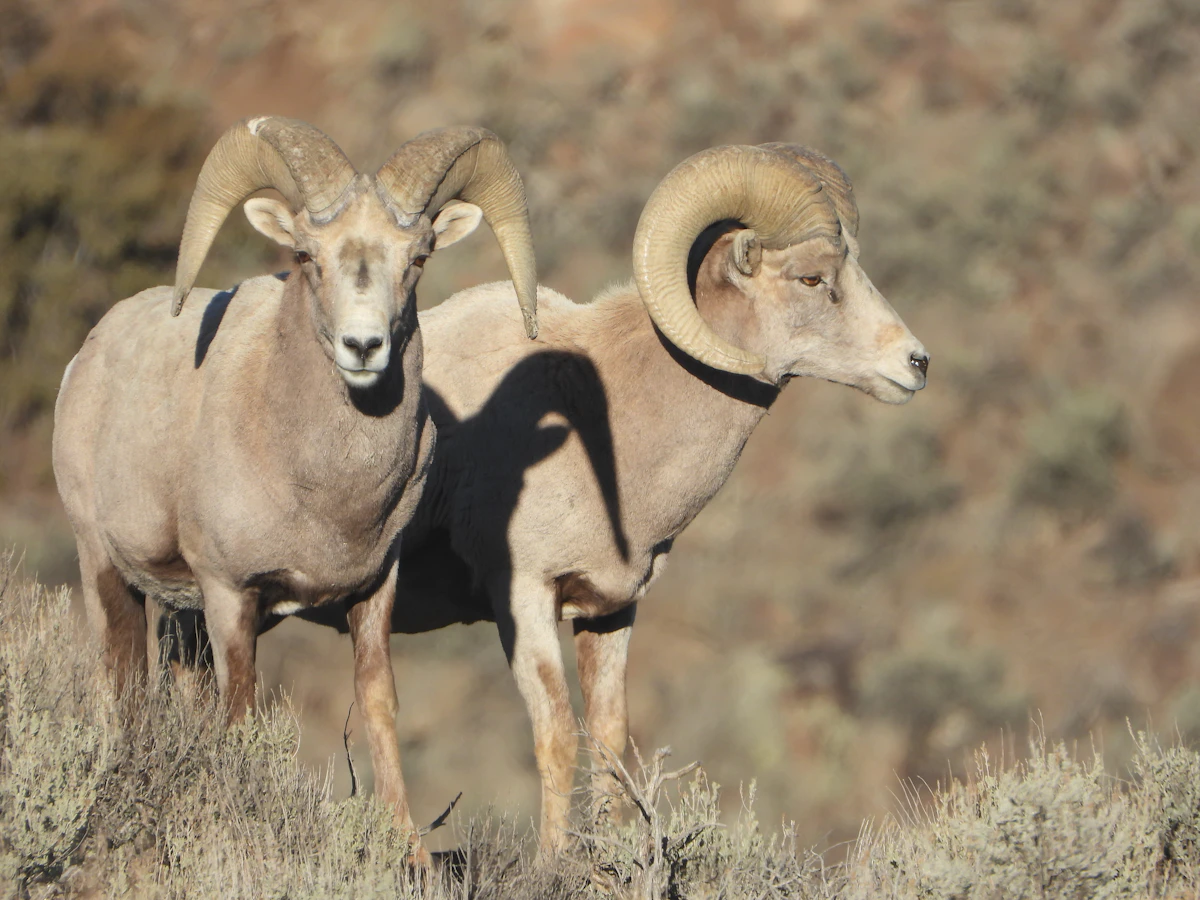
Idaho's bighorn sheep draw is a bucket-list pursuit. Tags are scarce, demand is high, and the odds reflect that reality. For 2027, understanding where to apply and how bonus points work can turn a decade of applications into a realistic shot at a tag.
Idaho's Bighorn Sheep Bonus Point System
Idaho uses a bonus point system for all controlled hunts, including bighorn sheep. Each year you apply without drawing, you earn one bonus point. When your name enters the draw, it goes in once for every point you hold, plus one more for the current application. If you have 10 points, your name enters 11 times.
Bonus points square your odds but do not guarantee anything. A hunter with zero points can still draw on their first try, though the probability is low in high-demand units. Points accumulate separately for residents and nonresidents, and there is no cap on how many you can earn.
Resident vs. Nonresident Allocation
Idaho allocates bighorn sheep tags heavily in favor of residents. Up to 10% of tags in each unit go to nonresidents, with the remainder reserved for residents. In units issuing only one or two tags, nonresidents may receive zero tags in a given year due to rounding.
Residents face tough odds but have a meaningful chance in multiple units. Nonresidents should expect odds worse than 1% in most zones and plan accordingly. Building points over a decade or longer is standard for nonresidents targeting Idaho bighorn sheep.
Best Units for Residents in 2027
Some units offer better draw odds for residents willing to hunt less trophy-focused areas or take on challenging terrain. Here are the top zones to consider:
Unit 11 — Hells Canyon
Unit 11 consistently issues 4–6 tags and draws moderate applicant pools. Recent resident odds hovered around 1.5% to 2% with 10 bonus points. The terrain is steep and access requires boats or long hikes, which filters some applicants. Rams here are solid, with occasional 170-class sheep.
Unit 27 — Lost River Range
Unit 27 offers alpine hunting in spectacular country. With 3–4 tags annually, resident odds run around 1% to 1.5% with 10 points. The sheep are healthy, and the unit produces rams in the 165–175 range. Expect high-elevation glassing and physical hunts.
Unit 10 — Salmon River Breaks
Unit 10 is a workhorse zone for Idaho bighorn sheep. It issues 8–10 tags most years, and resident odds with 10 points sit near 2% to 3%. The Salmon River country is rugged but accessible via jet boats or hiking from road systems. Rams average 160–170, with a few bigger.
Nonresident Draw Odds Reality Check
Nonresident odds for Idaho bighorn sheep are brutal. In most units, fewer than 1 in 100 applicants with maximum points draw tags. Some units see odds below 0.5% even for applicants holding 15 or more points.
The best nonresident strategy is consistency. Apply every year, accumulate points, and recognize that drawing may take 20 years. Focus on units that issue multiple tags rather than trophy zones with one or two permits. Units 10, 11, and 36 give nonresidents slightly better odds due to higher tag numbers.
Application Deadlines and Process
Idaho's controlled hunt application period for bighorn sheep typically runs from late January through early March. The 2027 deadline will likely fall in early March. Applications are submitted through the Idaho Fish and Game licensing portal.
You must hold a valid hunting license to apply. The application fee is nonrefundable, and if you draw, you must purchase the bighorn sheep tag. Resident tags cost around $180, while nonresident tags run approximately $2,200. Check the current fee schedule on the IDFG website before applying.
Horn Curl Restrictions and Season Timing
Idaho requires bighorn rams to meet a three-quarter curl minimum. Most mature rams exceed this standard, but hunters should understand what qualifies before the season. Biologists measure curl by comparing horn length to a full 360-degree circle. A ram with horns extending three-quarters of the way around meets the legal standard.
Seasons typically run from late August through November, depending on the unit. Early seasons target rams during summer patterns before snow pushes them to winter range. Late seasons offer rut activity and more vocal rams but come with colder conditions and potential access challenges.
Preference vs. Bonus Points: What's the Difference?
Idaho uses bonus points, not preference points. The distinction matters. Preference points create a strict hierarchy where applicants with the most points draw first until tags run out. Bonus points give you more chances in a random draw but never guarantee a tag.
In Idaho's system, a first-year applicant with zero points can theoretically draw ahead of someone with 20 points, though the probability is extremely low. Over time, bonus points significantly improve your odds, but they do not lock in a tag after reaching a certain threshold.
How to Research Units Before Applying
Choosing the right unit requires more than looking at draw odds. Consider these factors:
Access and Terrain
Some units require boats, horseback access, or backpacking. Others allow vehicle-based glassing. Match the unit's access requirements to your physical ability and resources.
Ram Quality
Trophy units like 10-1 and 11-1 produce larger rams but come with worse odds. Units issuing more tags often have slightly smaller average horn size but still offer quality rams.
Season Dates
Late-season hunts overlap with the rut, when rams are more visible and vocal. Early hunts avoid weather but require finding rams on summer range, which can mean higher elevations and limited water sources.
TAGZ helps you compare units side by side using terrain maps, unit boundaries, and historical draw data. Track your bonus points across multiple states so you never miss a draw deadline. Whether you are chasing once-in-a-lifetime bighorn tags or planning multi-state sheep strategies, TAGZ gives you the tools to make smarter decisions before you ever step into the field.
Point Averaging for Group Applications
Idaho allows group applications for bighorn sheep, and all applicants' bonus points are averaged. If you apply with a partner who has fewer points, your collective odds drop to the average of your points.
Group applications make sense if you want to hunt with a specific partner and are willing to sacrifice individual odds. Solo applications maximize your personal odds. Most serious sheep applicants go solo unless hunting with a partner is non-negotiable.
Should You Burn Points on a Second-Choice Unit?
Idaho allows second and third choices on controlled hunt applications. If you fail to draw your first choice, your application rolls to your second choice with your bonus points still intact.
However, burning points on a marginal second-choice unit rarely makes sense for bighorn sheep. The point investment required to draw any Idaho sheep tag is significant. Most applicants list only a first choice and reapply next year if they do not draw. Save your points for the unit you genuinely want to hunt.
How TAGZ Simplifies Idaho Bighorn Sheep Applications
Idaho's controlled hunt system spans dozens of species and hundreds of units. Tracking draw odds, managing bonus points, and comparing units manually is tedious. TAGZ consolidates this data into one platform.
You can filter by species, weapon, season, and draw odds, then see unit boundaries on interactive maps with terrain overlays. Track your Idaho bonus points and receive deadline reminders so you never miss an application period. Compare Idaho sheep odds against other western states to decide where to invest your time and money.
For hunters chasing sheep across multiple states, TAGZ tracks preference points and bonus points in one dashboard. You can see at a glance where you stand in Idaho, Nevada, Wyoming, and other sheep states, then prioritize applications based on your total point portfolio.
FAQ — Idaho Bighorn Sheep Draw Odds
What are the odds of drawing an Idaho bighorn sheep tag as a resident?
Resident odds range from 1% to 3% in most units with 10 bonus points, depending on the unit. High-demand trophy zones see odds below 1%, while units issuing more tags improve your chances slightly.
Can nonresidents realistically draw Idaho bighorn sheep tags?
Yes, but expect a long wait. Nonresident odds are typically below 1%, and many applicants wait 15 to 20 years before drawing. Consistency is key — apply every year and accumulate bonus points.
Does Idaho use preference points or bonus points for bighorn sheep?
Idaho uses bonus points. Each point gives you one additional entry in the draw, but points do not create a strict draw order. A hunter with zero points can still draw, though it is unlikely.
When is the Idaho bighorn sheep application deadline?
The deadline typically falls in early March. The 2027 application period will likely run from late January through early March. Check the Idaho Fish and Game website for the exact date.
What do Idaho bighorn sheep tags cost?
Resident tags cost around $180. Nonresident tags run approximately $2,200. Application fees are nonrefundable, and you must purchase the tag if drawn.
Should I apply as part of a group or go solo?
Solo applications maximize your odds. Group applications average all bonus points, which reduces your individual odds if your partner has fewer points. Only apply as a group if hunting with a specific partner is a priority.
Continue Planning Your Hunt
Idaho bighorn sheep hunting represents one of the West's toughest draws, but with the right strategy and point accumulation, success is within reach. Start building points now, research units carefully, and apply consistently.
TAGZ helps you compare draw odds across western states, track bonus points and preference points in one place, and filter units by terrain, weapon, and season. Whether you are targeting Idaho sheep or building a multi-state application strategy, TAGZ simplifies the decision-making process so you can focus on the hunt itself.
Explore more western hunting strategies and draw breakdowns on the TAGZ Insights page. Ready to start planning your next application season? Check out TAGZ pricing or explore the platform to see how it works. Visit the TAGZ home page to get started today.
Was this article helpful?
Previous
Does Idaho Have Preference Points in 2027? Understanding Idaho's Bonus Point System
Idaho does not use preference points. The state operates on a bonus point system where each point gives you an additional entry in the draw, but does not guarantee a tag. Learn how Idaho's system works and how to maximize your odds.
Next
Idaho Draw Strategy Without Preference Points: How to Hunt Elk, Deer, and Pronghorn as a Nonresident
Idaho uses a true random draw for nonresident controlled hunts — no preference points, no waiting in line. This guide breaks down how to maximize your draw odds for elk, mule deer, and pronghorn by choosing the right units, understanding resident priority, and timing your applications strategically.