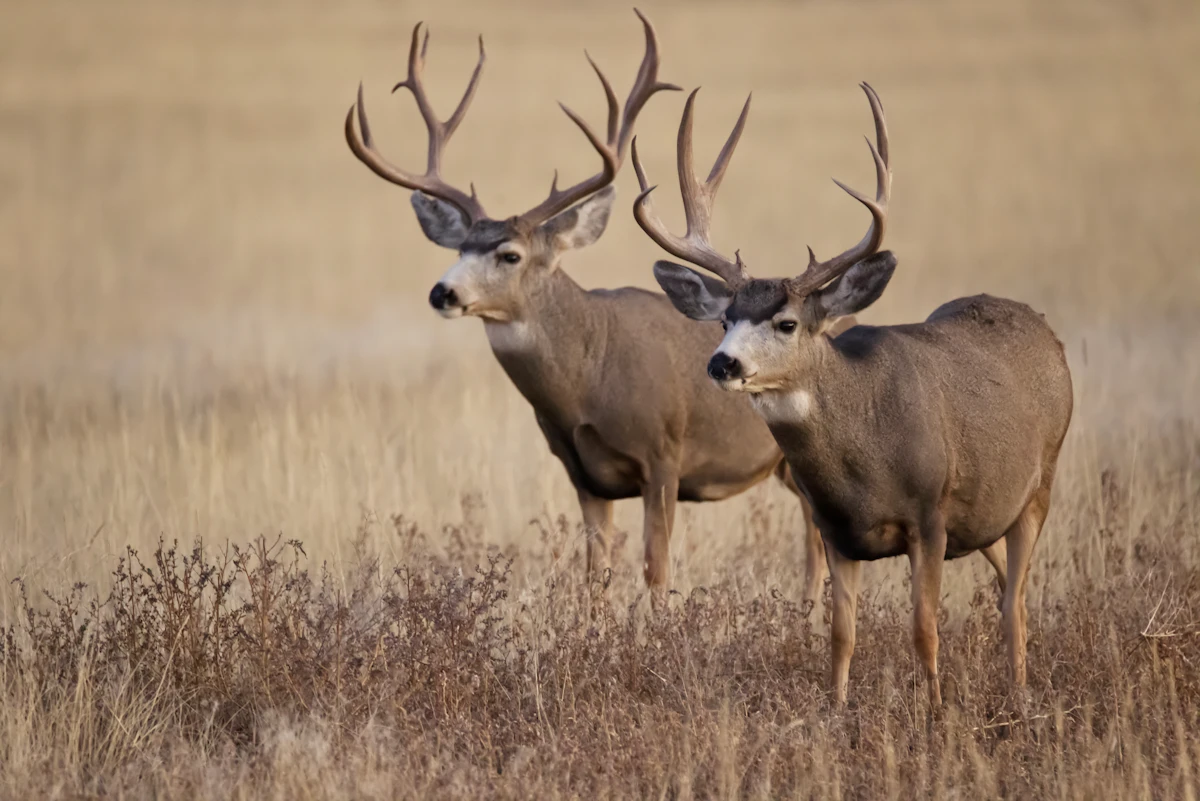
South Dakota Big Game Draw Guide 2027: Draw Odds, Preference Points & Deadlines
South Dakota Big Game Draw 2027: Complete Guide to Elk, Deer, Antelope, Sheep, Preference Points & Application Deadlines
South Dakota offers some of the most distinctive big game hunting opportunities in the Great Plains and Black Hills region. From whitetail and mule deer hunting across the state's prairie landscapes to limited-entry elk and bighorn sheep opportunities, South Dakota attracts hunters interested in both immediate hunting opportunities and long-term application strategies.
However, South Dakota's big game drawing system works differently from many other Western states.
Rather than awarding every limited license strictly to applicants with the most preference points, South Dakota uses a weighted preference-point system for applicable drawings. Hunters with more points receive substantially greater drawing weight, but lower-point applicants may still have an opportunity to draw.
The state also maintains important residency restrictions. Elk and bighorn sheep hunting are currently reserved for eligible South Dakota residents, while nonresidents can participate in certain deer and antelope seasons.
For hunters planning a 2027 application, understanding these differences is essential.
This guide explains South Dakota's preference-point system, species-specific application opportunities, resident and nonresident eligibility, historical deadlines, license fees, draw odds, and strategies for building a successful hunting application plan.
South Dakota Big Game Draw 2027: Quick Facts
QuestionAnswerDoes South Dakota use preference points?YesIs it a highest-points-first system?Not in applicable weighted drawingsPreference-point formula(Points + 1)³Nonresident elk applicationsNot permittedNonresident deer applicationsEligible seasons availableNonresident antelope applicationsEligible seasons availableNonresident bighorn sheep applicationsNot permittedMountain goat huntingCurrently closedCurrent resident preference-point fee$5Current nonresident preference-point fee$20Final 2027 application datesNot all confirmed
Important: This guide uses current rules and historical 2026 application information to help hunters plan for 2027. Final 2027 deadlines, fees, quotas, and regulations must be confirmed through the South Dakota Department of Game, Fish and Parks.
How the South Dakota Big Game Draw Works
South Dakota uses limited-license drawings for many of its big game hunting opportunities.
Depending on the species and season, hunters may need to submit an application, select a specific unit or license type, and compete with other applicants for a limited number of available licenses.
The drawing process can vary according to residency, season, license type, and preference-point balance.
Unlike a traditional preference-point system where licenses are awarded strictly to applicants with the most points, South Dakota uses weighted preference points in applicable drawings.
This means applicants with more points receive more drawing entries, increasing their statistical chances of obtaining a license.
However, accumulating preference points does not automatically guarantee success.
South Dakota Preference Points Explained
South Dakota preference points are associated with applicable hunting seasons rather than one universal point balance.
A hunter may accumulate points toward a particular deer or antelope opportunity without those points transferring to another season.
Under the current rules described by South Dakota GFP, hunters can generally obtain one preference point per year for each applicable season.
Preference points cannot be transferred between hunters.
South Dakota Preference Point Formula
For applicable weighted drawings, South Dakota uses the following formula:
Drawing Entries = (Preference Points + 1)³
Preference PointsDrawing Entries01182273644125521663437512872991,000101,331
For example, a hunter with five preference points receives 216 drawing entries, compared with one entry for a hunter with zero points.
This creates a significant statistical advantage.
However, the actual probability of drawing still depends on the number of available licenses, the number of applicants, the distribution of preference points, and the applicable drawing pool.
Can You Draw a South Dakota Tag With Zero Preference Points?
Yes, potentially.
Because applicable drawings use weighted entries rather than an exclusively highest-points-first system, a first-time applicant may still draw a license.
The likelihood depends on the specific hunting opportunity.
Hunters should research historical drawing results for the exact season, unit, license type, residency, and preference-point level.
How Much Do South Dakota Preference Points Cost?
Current general preference-point fees are:
ApplicantPreference-Point FeeSouth Dakota resident$5Nonresident$20
These fees are planning references and should be verified before purchasing 2027 points.
Hunters can review current licensing information through South Dakota GFP's hunting and fishing license resources.
Do You Automatically Receive a Preference Point After an Unsuccessful Application?
Not always.
Under current rules, unsuccessful eligible applicants for elk, bighorn sheep, and mountain goat receive an applicable preference point.
For other limited-license seasons, including deer and antelope, hunters may need to elect to purchase a preference point when unsuccessful.
Hunters should check their GFP account after each drawing to confirm their point balance.
What Happens to Preference Points When You Draw?
If an applicant uses accumulated preference points and successfully draws the applicable license, those points are generally lost for that season.
However, certain subsequent drawings may allow hunters to apply without using their accumulated points.
If a hunter draws without using preference points, the points may be retained under the applicable rules.
This can create opportunities for hunters who want to build points while pursuing available licenses in later drawings.
South Dakota Elk Draw 2027
South Dakota elk hunting is among the state's most desirable limited-entry big game opportunities.
The Black Hills and surrounding regions provide hunting opportunities for eligible residents pursuing elk through the state's drawing system.
However, South Dakota elk hunting has one major restriction that every applicant must understand.
South Dakota elk licenses are currently available only to eligible residents.
Can Nonresidents Apply for South Dakota Elk?
No.
Under current South Dakota Game, Fish and Parks regulations, nonresidents cannot apply for the state's standard elk licenses.
Hiring an outfitter, booking a guided hunt, or applying with a resident does not override this restriction.
Nonresident hunters interested in elk should research eligible opportunities in states such as Colorado, Wyoming, Montana, Idaho, or New Mexico.
South Dakota Elk Hunting Seasons
Major South Dakota elk opportunities include:
Black Hills Firearms Elk
Black Hills Archery Elk
Prairie Firearms Elk
Custer State Park Elk
Each opportunity may have different units, quotas, license types, and application requirements.
Hunters should evaluate the exact season rather than relying on one statewide elk draw-odds figure.
South Dakota Elk Preference Points
Eligible resident hunters can accumulate preference points for applicable elk drawings.
Those points increase drawing weight but do not guarantee a license.
South Dakota also maintains additional restrictions for certain successful elk applicants.
South Dakota's Nine-Year Elk Waiting Rule
Under the 2026 application rules described in the source material, successful applicants who used preference points in specified elk seasons lost their accumulated points and became ineligible for the first drawing or preference-point purchases for that same season for nine years.
Affected opportunities included:
Archery Elk
Black Hills Firearms Elk
Custer State Park Special Antlerless Elk
Prairie Firearms Elk
This restriction can significantly affect a hunter's long-term elk application strategy.
Hunters should verify the final 2027 regulations before assuming the same waiting period applies without changes.
South Dakota Elk Application Deadline 2027
Final 2027 elk application dates have not been confirmed in the supplied source.
Historical 2026 application dates provide a planning reference.
Application EventHistorical 2026 DateFirst drawing openedApril 15First drawing deadlineMay 19 at 8:00 a.m. CDTFirst drawing resultsMay 27Second drawing openedMay 28Second drawing deadlineJune 11 at 8:00 a.m. CDTSecond drawing resultsJune 15
These are historical dates, not confirmed 2027 deadlines.
Hunters should check the official South Dakota GFP application information for current elk application documents.
South Dakota Elk License Costs
Historical 2026 planning figures included:
License Type2026 Resident FeeApplicable Any Elk license$195Antlerless Elk$127Nonrefundable application fee$10 per elk season
Final 2027 fees should be verified before applying.
South Dakota Deer Draw 2027
South Dakota deer hunting offers broader opportunities than elk because eligible nonresidents can participate in certain deer seasons.
The state supports both whitetail and mule deer hunting across a variety of landscapes, including agricultural regions, prairie habitat, river corridors, and the Black Hills.
However, South Dakota deer hunting is not managed through one universal drawing.
Different seasons have separate application periods, units, quotas, and license types.
South Dakota Deer Hunting Opportunities
Major deer season structures include:
West River Deer
East River Deer
Black Hills Deer
Custer State Park Deer
Muzzleloader Deer
National Wildlife Refuge Deer
Special Buck
Archery Deer
Landowner opportunities
Youth and mentored opportunities
Each season may have different eligibility requirements and application procedures.
Can Nonresidents Apply for South Dakota Deer?
Yes.
Nonresidents can participate in eligible South Dakota deer hunting opportunities.
However, not every resident deer license has an equivalent nonresident option.
Before applying, hunters should verify:
Season eligibility
Unit boundaries
License type
Residency restrictions
Quotas
Preference points
Public and private land requirements
Application deadline
West River Deer Hunting
West River is one of South Dakota's major firearms deer hunting regions.
Depending on the unit and license type, opportunities may include mule deer, whitetail deer, buck licenses, and antlerless licenses.
Drawing difficulty can vary substantially.
A desirable mule deer buck license may have very different historical demand from an antlerless whitetail license.
Hunters should compare exact licenses rather than assuming all West River opportunities have similar draw odds.
East River Deer Hunting
East River is an important region for South Dakota whitetail hunting.
The landscape includes agricultural habitat, river corridors, and other environments that support deer.
Drawing difficulty varies by unit, license type, quota, residency, and applicant demand.
Private-land access should also be considered when researching a hunting opportunity.
Black Hills Deer Hunting
The Black Hills offers a different hunting environment from South Dakota's agricultural regions.
Hunters should evaluate public access, terrain, deer populations, season dates, quotas, and historical drawing results.
A well-known hunting region is not automatically the best opportunity for every hunter.
Custer State Park Deer Hunting
Under current rules, Custer State Park big game opportunities are reserved for eligible South Dakota residents.
Nonresidents should not assume they can apply.
South Dakota Deer Application Deadline 2027
South Dakota does not have one universal deer application deadline.
Historical 2026 information indicates that several major limited deer drawings used June application periods.
Special Buck and nonresident archery deer opportunities followed separate schedules.
Hunters should consult the official South Dakota GFP applications page for the exact 2027 season.


Free to join
Download mobile app
- Detailed draw odds
- Point tracking
- Deadline reminders
- 18 states covered





Free to join
Download mobile app
- Detailed draw odds
- Point tracking
- Deadline reminders
- 18 states covered






Free to join
Download mobile app
- Detailed draw odds
- Point tracking
- Deadline reminders
- 18 states covered

South Dakota Antelope Draw 2027
South Dakota provides limited-license hunting opportunities for pronghorn, commonly referred to as antelope in the state's licensing system.
Eligible residents and nonresidents can participate in certain antelope seasons.
The state offers different hunting structures, including firearms antelope, special antelope, and archery opportunities.
Can Nonresidents Apply for South Dakota Antelope?
Yes.
Nonresidents can apply for eligible South Dakota antelope opportunities.
However, residency restrictions may apply to specific seasons, including Custer State Park opportunities.
Hunters should confirm the exact license before applying.
South Dakota Antelope Preference Points
Antelope is one of the limited-license seasons where applicants may elect to purchase a preference point following an unsuccessful drawing.
Hunters may also have an opportunity to purchase an eligible annual point during a later preference-point period.
Always verify that the point was credited to your account.
South Dakota Antelope Application Deadline 2027
Final 2027 application dates have not been confirmed in the supplied source.
The historical 2026 firearms antelope application period ran from June 23 through July 7.
These dates should be used only as planning references.
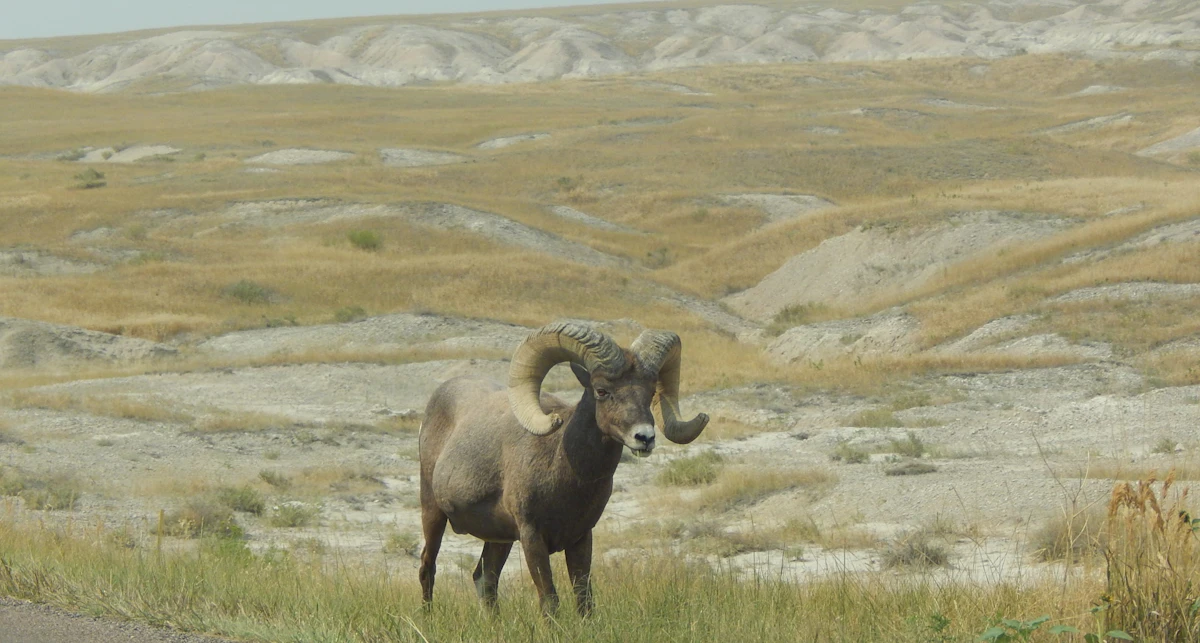
South Dakota Bighorn Sheep Draw 2027
South Dakota bighorn sheep hunting is one of the state's rarest big game opportunities.
Available licenses are extremely limited, and the drawing can be highly competitive.
Under current regulations, South Dakota bighorn sheep hunting is reserved for eligible residents.
Can Nonresidents Apply for South Dakota Bighorn Sheep?
No.
Nonresidents are not currently eligible for the state's standard bighorn sheep drawing.
South Dakota Bighorn Sheep Preference Points
Eligible residents can accumulate preference points for applicable bighorn sheep drawings.
Points increase drawing weight, but extremely small quotas mean that drawing a license is never guaranteed.
Historical 2026 Bighorn Sheep License Quotas
Unit2026 LicensesBlack Hills BH23Black Hills BH42Custer State Park CU12Total7
These are historical 2026 quotas, not confirmed 2027 allocations.
South Dakota Bighorn Sheep Deadline 2027
The final 2027 application deadline has not been confirmed.
The historical 2026 application closed May 19 at 8:00 a.m. Central Time, with results scheduled for May 27.
Hunters should verify current dates through South Dakota GFP.
South Dakota Mountain Goat Hunting 2027
South Dakota has a mountain goat population, but the hunting season is currently closed according to the supplied research.
Hunters should not assume a 2027 mountain goat drawing will be available.
If the state reopens the season, eligibility, quotas, and application procedures must be confirmed through an official announcement.
Under the current regulatory framework, mountain goat hunting is resident-only.
South Dakota Resident vs. Nonresident Big Game Eligibility
Residency is one of the most important factors in South Dakota's big game application system.
Species or OpportunityResidentsNonresidentsElkEligibleNot eligibleDeerEligibleEligible seasonsAntelopeEligibleEligible seasonsBighorn SheepEligibleNot eligibleMountain GoatIf season is offeredNot eligibleMountain LionEligibleNot eligibleCuster State Park Big GameEligibleNot eligible
Hunters should verify current eligibility through the South Dakota GFP big game regulations.
South Dakota Residency Requirements
Under the general rules described in the source material, hunters seeking resident licenses must generally maintain a South Dakota domicile for at least 90 consecutive days immediately before applying or purchasing a resident license.
Additional requirements may include not claiming residency or resident hunting privileges elsewhere and meeting applicable driver's license and vehicle registration requirements.
Exceptions may apply.
Owning property, maintaining a mailing address, or working in South Dakota does not automatically establish resident hunting eligibility.
South Dakota Group Applications
South Dakota permits group applications for many limited-license hunting seasons.
However, group-size limits vary.
Application TypeCurrent Group LimitApplicable limited-license seasonsUp to 6 applicantsElkUp to 2 applicantsBighorn SheepNo group applicationsMountain GoatNo group applications
Group applications require additional planning because preference-point treatment, quotas, residency, and license availability may affect the drawing.
Hunters should verify the rules for their specific season before applying.
Free to join
Download mobile app
- Detailed draw odds
- Point tracking
- Deadline reminders
- 18 states covered
Free to join
Download mobile app
- Detailed draw odds
- Point tracking
- Deadline reminders
- 18 states covered
Free to join
Download mobile app
- Detailed draw odds
- Point tracking
- Deadline reminders
- 18 states covered
South Dakota Landowner Preference
South Dakota provides landowner preference in certain hunting drawings.
However, owning land does not automatically qualify a hunter.
Eligibility can depend on acreage, agricultural operations, residency, unit boundaries, and land use.
Deer and Antelope Landowner Preference
The current general rules described in the source identify 160 acres as an important threshold for applicable deer, antelope, and turkey landowner preference.
Additional eligibility requirements apply.
Elk Landowner Preference
Elk landowner preference has additional requirements.
The source identifies thresholds of at least 240 acres and 500 elk-use days, along with other conditions.
Land leased exclusively for hunting, fishing, or trapping does not qualify.
Historical Elk Landowner Application Period
For 2026, the source reports an elk landowner preference application period of March 12 through April 2.
The source also states that one-half of licenses in each applicable elk unit were available to qualifying landowner preference applicants.
These rules should be reconfirmed for 2027.
South Dakota Habitat Stamp Requirements
South Dakota generally requires hunters age 18 and older to obtain a Habitat Stamp when applying for or purchasing hunting or fishing licenses, unless an exemption applies.
Current Habitat Stamp Costs
ApplicantCurrent FeeResident$10Nonresident$25
Hunters generally need only one Habitat Stamp per license year.
According to the supplied research, purchasing preference points alone does not require a Habitat Stamp.
Review current exemptions and costs through South Dakota GFP's license information.
South Dakota Big Game Application Calendar 2027
South Dakota's application deadlines vary by species and season.
One particularly important detail is that applications generally close at 8:00 a.m. Central Time on the applicable deadline date, according to the supplied research.
Hunters should not assume they have until midnight.
Historical 2026 Application Dates
Species or OpportunityHistorical 2026 Timing2027 StatusElk First DrawingApril 15–May 19Not confirmedElk Second DrawingMay 28–June 11Not confirmedBighorn SheepDeadline May 19Not confirmedMajor Limited Deer DrawingsPrimarily JuneNot confirmedFirearms AntelopeJune 23–July 7Not confirmedElk Landowner PreferenceMarch 12–April 2Not confirmedMountain GoatClosedAwait announcement
These dates are provided only for planning.
Hunters should use the official South Dakota GFP key dates and current season-specific applications for final 2027 deadlines.
How to Understand South Dakota Draw Odds
South Dakota's weighted preference-point system means that statewide draw percentages can be misleading.
A simple calculation of available licenses divided by total applicants does not account for differences in preference-point balances.
For example, imagine a hunting opportunity with 10 licenses and 100 applicants.
A basic calculation produces a 10% license-to-applicant ratio.
However, applicants may have very different drawing weights.
HunterPreference PointsDrawing EntriesHunter A01Hunter B8729
These hunters do not have equivalent drawing weight.
Actual drawing probabilities depend on the complete applicant pool, available licenses, preference-point distribution, and applicable drawing rules.
What Should Hunters Compare?
For meaningful historical draw analysis, research:
Species
Season
Unit
License type
Residency
Preference points
Draw pool
Historical applicants
Successful applicants
Available quotas
Whenever possible, compare multiple completed drawing cycles rather than relying on one year.
Free to join
Download mobile app
- Detailed draw odds
- Point tracking
- Deadline reminders
- 18 states covered
Free to join
Download mobile app
- Detailed draw odds
- Point tracking
- Deadline reminders
- 18 states covered
Free to join
Download mobile app
- Detailed draw odds
- Point tracking
- Deadline reminders
- 18 states covered
South Dakota Preference Point Strategy for 2027
Building an effective South Dakota application strategy requires more than accumulating points.
Hunters should define their goals and research the opportunities that match their eligibility, budget, and preferred hunting experience.
Strategy 1: Identify Eligible Hunting Opportunities
Start with residency.
Nonresidents should eliminate resident-only opportunities and focus on eligible deer and antelope seasons.
Strategy 2: Compare Exact Licenses
Avoid researching only broad categories such as West River Deer or South Dakota Antelope.
Instead, evaluate the exact season, unit, license type, residency, and draw pool.
Strategy 3: Review Multiple Years of Draw Data
Compare historical applicant numbers, quotas, and successful applicants.
One unusual year may not represent the longer-term trend.
Strategy 4: Monitor Quota Changes
A reduction in available licenses can make a hunt more difficult even when applicant demand remains stable.
Likewise, changes in unit boundaries or license structures can affect the usefulness of historical data.
Strategy 5: Consider Later Drawings
Where applicable rules allow hunters to participate without using accumulated preference points, later drawings may offer opportunities to hunt while preserving a point balance.
Strategy 6: Understand Elk Waiting Restrictions
Eligible residents pursuing elk should understand the potential nine-year restriction associated with drawing specified licenses using preference points.
This can change the timing of a long-term application strategy.
Strategy 7: Prioritize Hunt Quality Over Point Accumulation
A difficult-to-draw license is not automatically the best hunting opportunity.
Hunters should also evaluate public access, animal populations, terrain, hunting pressure, season timing, travel expenses, and personal hunting goals.
South Dakota Big Game Application Checklist for 2027
Before submitting an application:
Confirm residency and species eligibility.
Select the exact species, season, and unit.
Identify the license type and drawing pool.
Review your preference-point balance.
Compare historical quotas and applicant demand.
Determine whether the application will use your points.
Verify group or landowner rules if applicable.
Review final 2027 application dates.
Confirm license, application, and Habitat Stamp fees.
Check account and payment information.
Submit before the applicable deadline.
South Dakota Big Game Draw 2027: Frequently Asked Questions
Does South Dakota use preference points?
Yes. South Dakota uses preference points for many limited-license hunting seasons.
How are South Dakota preference points calculated?
For applicable weighted drawings, South Dakota uses (Preference Points + 1)³ to determine drawing weight.
Can you draw a South Dakota tag with zero points?
Potentially, yes. Zero-point applicants can have drawing entries in applicable weighted drawings.
How much does a South Dakota preference point cost?
Current general fees in the supplied source are $5 for residents and $20 for nonresidents. Verify final 2027 prices.
Can you purchase more than one preference point per year?
Under current rules, hunters can generally obtain one point per applicable season each year.
Can nonresidents apply for South Dakota elk?
No. Standard South Dakota elk opportunities are currently resident-only.
Can an outfitter obtain a South Dakota elk tag for a nonresident?
No. Hiring an outfitter does not override resident-only eligibility.
Can nonresidents apply for South Dakota deer?
Yes, in eligible seasons.
Can nonresidents apply for South Dakota antelope?
Yes, in eligible seasons.
Can nonresidents apply for South Dakota bighorn sheep?
No. Current bighorn sheep opportunities are resident-only.
Is South Dakota mountain goat hunting open?
The supplied research identifies the mountain goat season as closed. Hunters should watch for an official announcement regarding 2027.
Do unsuccessful applicants automatically receive preference points?
It depends on the season. Some applicable seasons award points automatically, while others may require the hunter to elect to purchase a point.
What happens to preference points after drawing?
If you successfully draw using accumulated points, those points are generally lost for that season.
Can you draw without losing preference points?
Potentially, in applicable subsequent drawings where point use is optional.
Can you apply for multiple elk seasons?
Eligible residents may apply for multiple qualifying elk seasons, but the supplied source identifies a limit of one elk license per hunter per year.
What is South Dakota's nine-year elk rule?
For specified elk licenses, successful applicants who used preference points may be restricted from the first drawing and point purchases for the same season for nine years. Verify the final 2027 rules.
Can hunters apply as a group?
Yes, for many limited-license seasons. Group-size limits vary.
Does owning South Dakota property make you a resident?
No. Property ownership alone does not establish resident hunting eligibility.
Do you need a Habitat Stamp to purchase preference points?
The current source identifies preference-point purchases as exempt from the Habitat Stamp requirement.
What time do South Dakota applications close?
The supplied research reports 8:00 a.m. Central Time on the applicable deadline date.
When is the South Dakota elk application deadline in 2027?
The final date has not been confirmed in the supplied source. The historical first-drawing deadline was May 19, 2026.
When is the South Dakota deer application deadline in 2027?
It depends on the deer season. There is no single universal deadline.
When is the South Dakota antelope application deadline in 2027?
The final deadline is not confirmed. The historical 2026 firearms antelope application period ran June 23 through July 7.
Are South Dakota's 2027 draw odds available?
Final 2027 drawing results will not be available until the relevant drawings are completed.
Should hunters use 2026 draw results to plan for 2027?
Yes. Historical results can help identify application demand and quota trends, but they do not guarantee future drawing probabilities.
Plan Your South Dakota Big Game Applications With TAGZ
South Dakota's weighted preference-point system makes accurate application planning particularly important.
A hunter with five preference points has substantially more drawing weight than a hunter with zero points in applicable drawings.
However, preference points alone do not determine the quality of a hunting opportunity.
Hunters also need to understand residency restrictions, exact license types, draw pools, historical applicant demand, and available quotas.
TAGZ was built by hunters, guides, and outfitters who experienced firsthand how complicated Western hunting applications can become.
The platform helps hunters research supported draw opportunities, compare available information, track points, and organize multi-state hunting plans.
Whether you're researching South Dakota deer and antelope opportunities or planning applications across the West, TAGZ is designed to help hunters make informed decisions.
Explore TAGZ:
Understand your points. Research your odds. Build a better hunting plan with TAGZ.
Official South Dakota Hunting Resources
South Dakota Game, Fish and Parks
Find season-specific applications, deadlines, and official hunting application documents.
Review licensing, preference-point information, and application resources.
Check the state's published application and hunting calendar.
Review residency restrictions, license eligibility, and current big game requirements.
Find elk-specific regulations, seasons, and eligibility information.
Review current resident and nonresident licensing fees.
TAGZ Editorial Standards
TAGZ is a hunting draw-odds and hunt-planning platform built by hunters, guides, and outfitters with firsthand experience in the hunting industry.
Our content is designed to help hunters navigate hunting regulations, application systems, draw odds, and hunting opportunities across North America.
TAGZ prioritizes information from official state wildlife agencies, published hunting regulations, and available draw data. Our editorial approach emphasizes accuracy, transparency, and practical information that helps hunters make informed decisions.
Hunting regulations, application deadlines, permit availability, and draw odds can change. We encourage hunters to verify all requirements with the appropriate wildlife agency before applying or hunting.
Learn more: About TAGZ
Editorial note: Last updated October 7, 2026. This guide uses supplied South Dakota draw research and historical 2026 application information. Final 2027 dates, fees, quotas, and season-specific requirements should be verified with South Dakota Game, Fish and Parks before application decisions.
Was this article helpful?
Previous
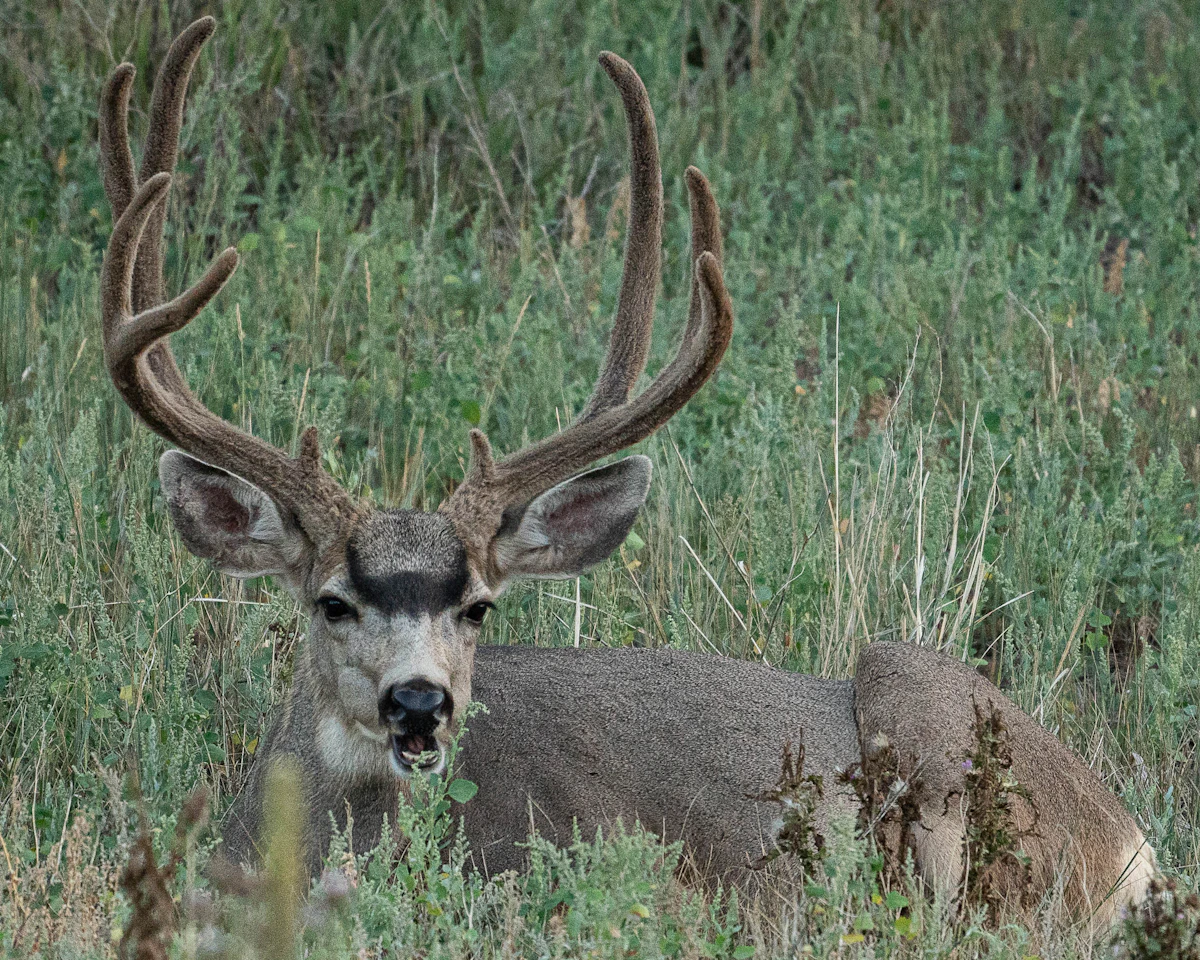
Arizona Mule Deer Draw Odds With Zero Points 2027: What Can You Draw?
Arizona uses bonus points rather than preference points for mule deer. A hunter with zero species bonus points is excluded from Arizona's 20% Bonus Pass, but can still draw a mule deer hunt in the randomized first-and-second-choice pass. This guide explains how zero-point applicants should approach the 2027 Arizona deer draw, why hunt number and season matter more than unit reputation alone, how resident and nonresident rules affect opportunity, and when alternative deer tags may make more sense.
Related
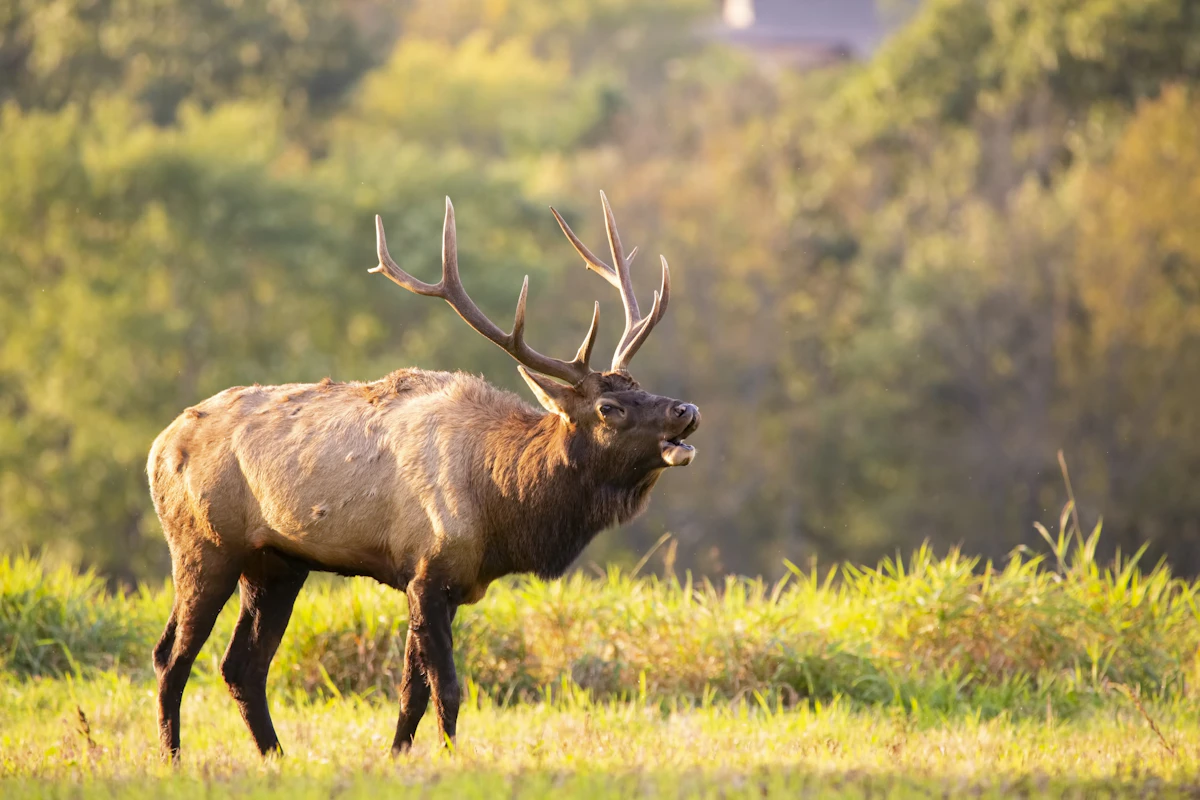
Arizona Nonresident Elk Draw Odds 2027: Points, Units & Tags
Arizona is one of the most sought-after elk hunting states in the country, especially for nonresident hunters pursuing mature bulls. However, Arizona's bonus-point system, 20% Bonus Pass, and 10% nonresident cap make the drawing more complicated than a traditional preference-point system. This guide explains how Arizona's 2027 nonresident elk draw works, whether hunters can draw with zero points, how bonus points influence drawing probability, why early archery and late rifle hunts have different demand, and how to build an application strategy around individual hunt numbers. It also explains application costs, deadlines, group applications, leftover permits, and how to interpret historical draw odds without confusing them with guaranteed future results.
Next
Finding Mature Mule Deer in Early-Season Habitat 2027 | Big Buck Scouting Guide
Finding mature mule deer during the early season requires understanding how older bucks use summer and early-fall habitat. Before the rut and major seasonal migrations, mature bucks often concentrate on reliable forage, secure bedding cover, water, and terrain that allows them to avoid disturbance. This guide explains how to identify productive mule deer habitat, locate bachelor groups, recognize mature-buck bedding areas, use thermals and wind direction, glass effectively, and adjust scouting strategies as hunting pressure and weather change. It also explains why the highest elevations are not always the best places to find mature bucks and how hunters can use maps and historical observations to narrow down large public-land areas.