How to Cow Call Elk Effectively: A Complete Guide for Western Hunters
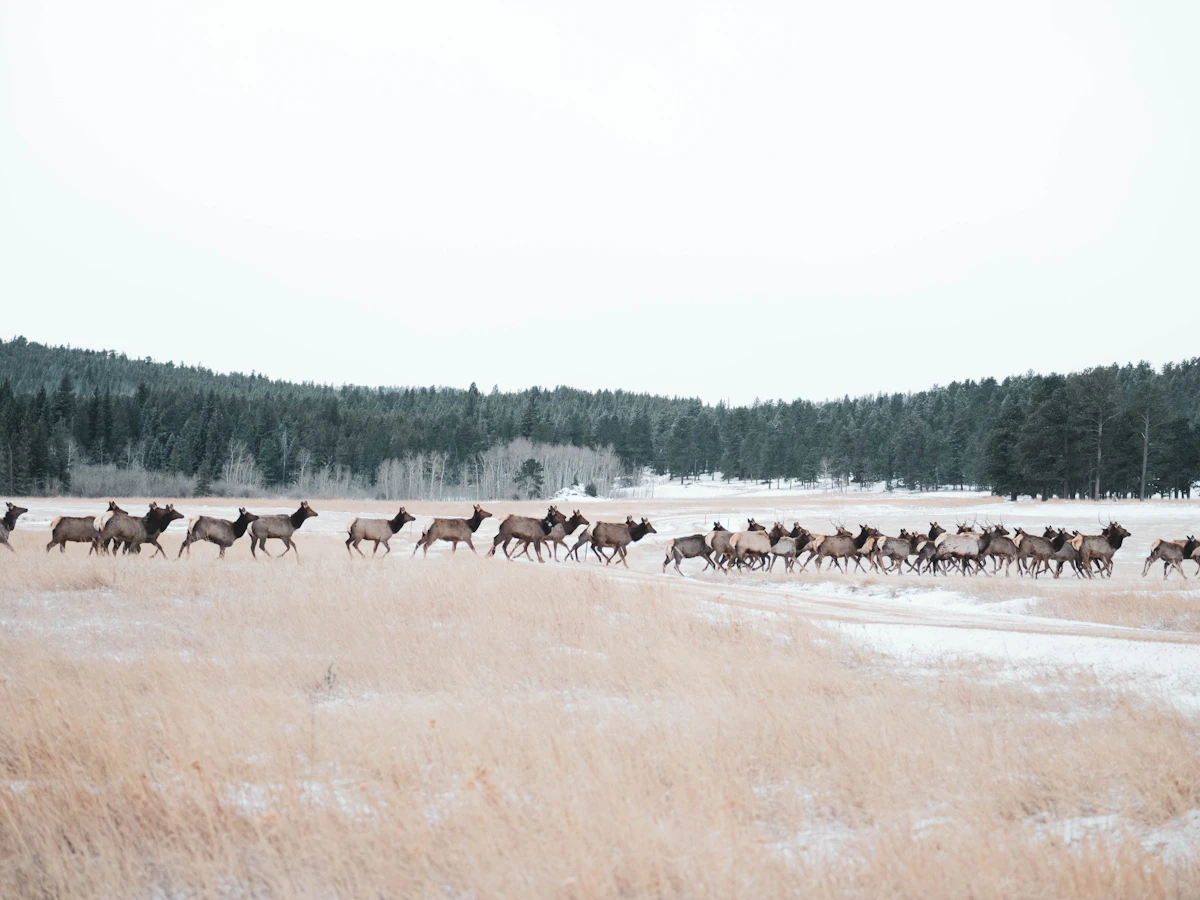
Cow calling works because it speaks elk's native language — the constant social chatter that holds herds together. Unlike aggressive bugling, which can intimidate younger bulls or push pressured elk out of the country, cow calls feel safe. A lonely mew or a confident series of chirps tells nearby elk that other elk are relaxed and feeding. That's an invitation worth accepting.
But here's the catch: elk hear each other every single day. They know exactly what real cows sound like, and they know when something's off. Effective cow calling isn't about volume or frequency — it's about authenticity and timing.
Choosing the Right Cow Call
Three main call types dominate the elk woods: diaphragm calls, external reed calls, and bite-and-blow calls. Each has tradeoffs.
Diaphragm calls sit in the roof of your mouth, leaving both hands free for your bow or rifle. They produce the most realistic range of sounds once you master them, from soft mews to urgent estrus whines. The learning curve is steep — expect weeks of practice before you sound passable.
External reed calls (like the Primos Hoochie Mama or Rocky Mountain Calls' Soul Sister) are forgiving and quick to learn. They're louder than diaphragms, which helps in windy basins or when you need to reach distant elk. Downside: you need a free hand, and the tone can sound "hot" or aggressive if you overblow.
Bite-and-blow calls offer a middle ground. They're easier than diaphragms but still hands-free once positioned. Many hunters carry one as a backup.
Most experienced callers carry at least two types. A diaphragm handles close-range, soft social sounds while an external reed punches through distance when you're trying to get a herd's attention.
The Sounds That Matter
Elk make dozens of vocalizations, but you only need to master three cow sounds to be effective:
The Mew
This is the bread-and-butter vocalization — a short, soft, slightly nasal "mew" or "eeew" that cows make constantly while feeding and moving. It says, "I'm here, everything's fine." Keep it relaxed. One to three mews with irregular pauses mimics a real cow picking through timber.
The Chirp (Location Call)
A sharper, louder "chirp" or "bark" travels farther and gets attention. Cows use this when separated from the herd or trying to locate other elk. It's your go-to when you're prospecting a basin and want to see if anyone answers.
The Estrus Whine
During the rut, cows in heat make a drawn-out, pleading whine that drives bulls crazy. This is a high-reward, high-risk call — it can pull a rutting bull off his feet and send him running, but it can also educate pressured bulls who've heard bad versions all season. Save it for unpressured elk or when you're committed to an aggressive setup.
Cadence and Realism
Here's where most hunters blow it: they call too much, too perfectly, and too rhythmically.
Real elk are messy. They mew once, then nothing for two minutes, then three quick chirps, then silence for five minutes. They don't call every thirty seconds like a metronome.
Rules for realistic cadence:
- Vary your intervals. Call once, wait ninety seconds. Call twice, wait four minutes. Let the elk wonder where you went.
- Mix your sounds. A mew, then a chirp, then silence. Monotony screams "fake."
- Match the mood. If elk are calm and feeding, keep calls soft and sparse. If a bull is already fired up and coming, you can get more aggressive.
- Stop calling when elk are committed. Once a bull is locked on and closing distance, shut up. Extra calls give him something to pinpoint — and potentially hang up at sixty yards scanning for the cow he can't see.
When to Call and When to Stay Silent
Calling is a tool, not a requirement. Some of the best elk hunters call sparingly.
Call when:
- You're prospecting new country and need to locate elk.
- A bull is hung up at distance and needs reassurance to close the gap.
- You're trying to stop a moving elk for a shot.
- The wind or terrain makes ambush hunting impractical.
Stay silent when:
- You already know where the elk are and can cut them off.
- A bull is already coming — let him commit.
- You're hunting heavily pressured public land where elk have heard every bad call imaginable.
- You're in a good ambush spot (wallow, trail, meadow edge) and patience will work.
On pressured units, sometimes the best cow call is no cow call. Use TAGZ draw odds data to find units with lower hunter density where elk still respond to calling.
Setup Strategy: Positioning Matters More Than Calling Skill
A perfectly executed cow call from a bad position still gets you busted. Before you make a sound, think about:
Wind. Non-negotiable. Elk trust their noses over their ears. Set up with the wind in your face or crossing, and accept that some otherwise-perfect spots are unhuntable today.
Shooting lanes. Know where you want the elk to appear and clear any branches or obstacles beforehand. A bull that hangs up at forty-five yards behind a pine thicket is useless.
Escape routes. Elk rarely commit to walking straight into the unknown. Give them a comfortable approach — a finger ridge, a strip of timber, or a meadow edge that lets them feel secure.
Caller and shooter separation. If you're hunting with a partner, put the caller thirty to fifty yards behind the shooter. The elk focuses on the call while the shooter gets a broadside opportunity as the bull searches.
Common Mistakes and How to Fix Them
Overcalling. The number one error. When in doubt, call less. If you've made a good sequence and gotten no response, wait ten full minutes before calling again. Elk often come in silent.
Calling too loud. Match your volume to the situation. If you're working a bull at 150 yards, soft mews are plenty. Blasting a loud chirp at close range sounds unnatural and can spook elk.
Sounding like a recording. Perfect, identical calls repeated at precise intervals sound mechanical. Add imperfection — a cracked note, a trailing-off mew, an awkward pause.
Moving too soon. After calling, elk are looking for the source. Stay still for at least five minutes, longer if you think elk are close. Movement kills more setups than bad calling.
Ignoring the calendar. Cow calls work all season, but the context changes. Early season, soft mews locate elk. Peak rut, estrus whines can be deadly. Late season, pressured elk may ignore calls entirely — shift to ambush tactics.
Practicing Before the Hunt
Don't show up on opening day having never practiced. Spend fifteen minutes a day with your calls starting six weeks before your hunt.
- Record yourself and compare to real elk audio (YouTube has plenty of herd footage with natural vocalizations).
- Practice in the truck, in the shower, on hikes — anywhere you can make noise without alarming neighbors.
- Focus on soft sounds first. Loud calls are easy; subtle, realistic mews take work.
If you're serious about building a calling routine into your hunt prep, pair it with research using TAGZ Insights articles on unit selection and elk behavior.
Calling Pressured Elk on Public Land
Public-land elk hear more bad calling by Labor Day than backcountry elk hear all year. Adjust your approach:
- Go quieter and less frequent. A single mew every five minutes beats aggressive sequences.
- Focus on non-verbal hunting. Use calls only to stop moving elk or confirm location, not to "pull" elk to you.
- Hunt unpressured times. Midday, midweek, and post-frontal weather push other hunters out and give elk's nerves a break.
- Find overlooked units. Use TAGZ's draw odds tools to identify units with better opportunity-to-pressure ratios.
Gear Checklist for Cow Calling
- Primary diaphragm call — carry two in case one gets damaged or waterlogged.
- Backup external reed call — for windy conditions or distance work.
- Call carrying case — keeps diaphragms clean and accessible.
- Rangefinder — know your distances before the bull appears.
- Wind checker — puff bottle or milkweed seeds to verify thermals.
FAQ — Cow Calling Elk
What's the best cow call for beginners?
External reed calls like the Primos Hoochie Mama are easiest to learn. They produce realistic sounds quickly while you develop diaphragm skills on the side.
How often should I cow call when hunting elk?
Less than you think. Start with a short sequence, then wait five to ten minutes. If elk are responding, match their intensity. If nothing's happening, resist the urge to call constantly.
Will cow calls work on bulls outside the rut?
Yes. Bulls are social animals and respond to cow sounds year-round, though less aggressively than during September. Soft mews can pull curious bulls into range even in August or October.
Can you call too much and spook elk?
Absolutely. Overcalling is the most common mistake. Elk that hear constant, perfect calling often hang up or circle downwind rather than committing.
Should I use cow calls or bugles for elk hunting?
Both have their place. Cow calls are lower-risk and work on a wider range of elk. Bugles are higher-reward but can intimidate satellite bulls or push pressured herd bulls out of the area. Most hunters rely primarily on cow calls.
Do elk respond to calls on heavily pressured public land?
Some do, but many become call-shy. On pressured units, call sparingly, focus on realism over volume, and be prepared to hunt silently using ambush tactics instead.
Cow calling isn't magic — it's a skill built through practice and refined through failure. Start simple, stay realistic, and remember that the best callers know when to put the call away and let the elk make the next move. Combine solid calling fundamentals with smart unit selection using TAGZ's planning tools, and you'll stack the odds in your favor this fall. Ready to start building your application strategy? Check out TAGZ pricing to see how the platform can help you find the right hunt.
Was this article helpful?
Previous
Bear Baiting Rules and Legal Methods in Florida
Florida prohibits bear baiting entirely. State law makes it illegal to attract, feed, or bait black bears with food or other attractants, a regulation designed to reduce human-bear conflicts and protect both public safety and bear populations.
Next
Nervous Grunts Explained: Reading Whitetail Body Language Under Pressure
Nervous grunts are short, choppy vocalizations whitetails make when sensing danger but not fully committing to flight. Understanding this sound helps hunters make split-second decisions in the stand.