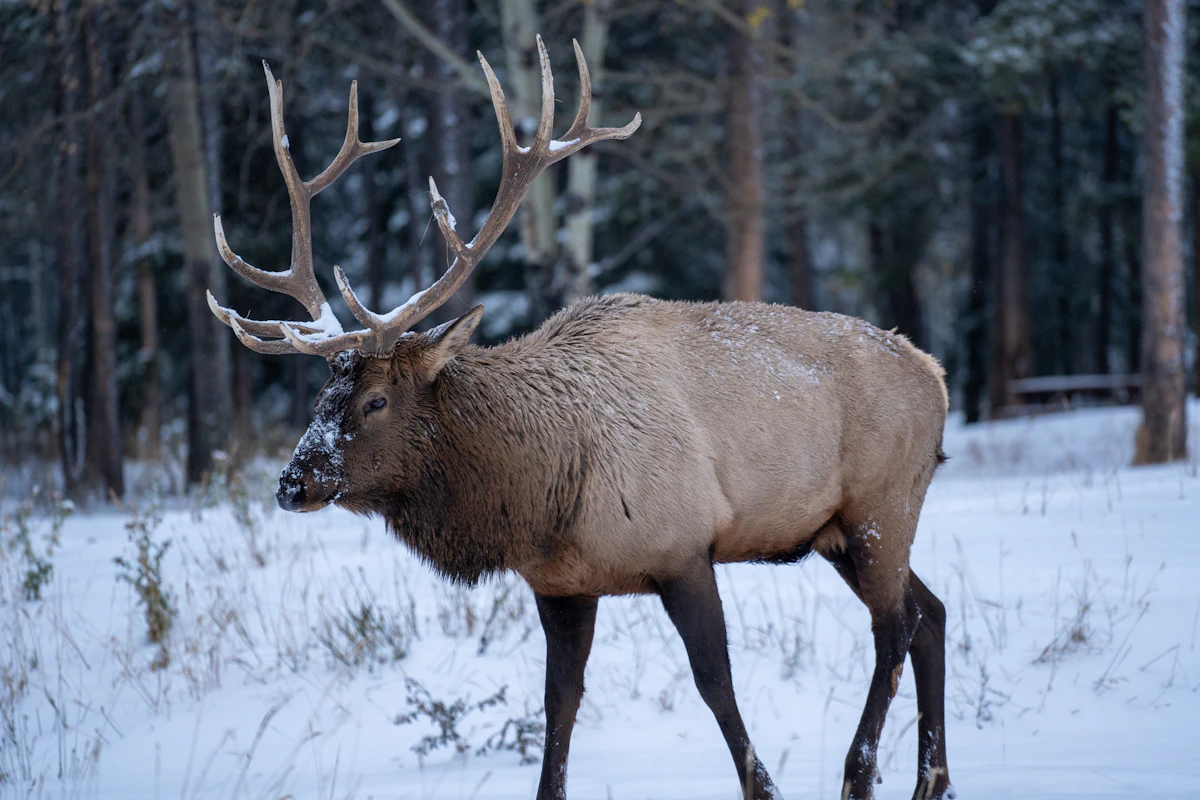
Lost Cow Calls Explained: When and How to Use the Most Effective Elk Call
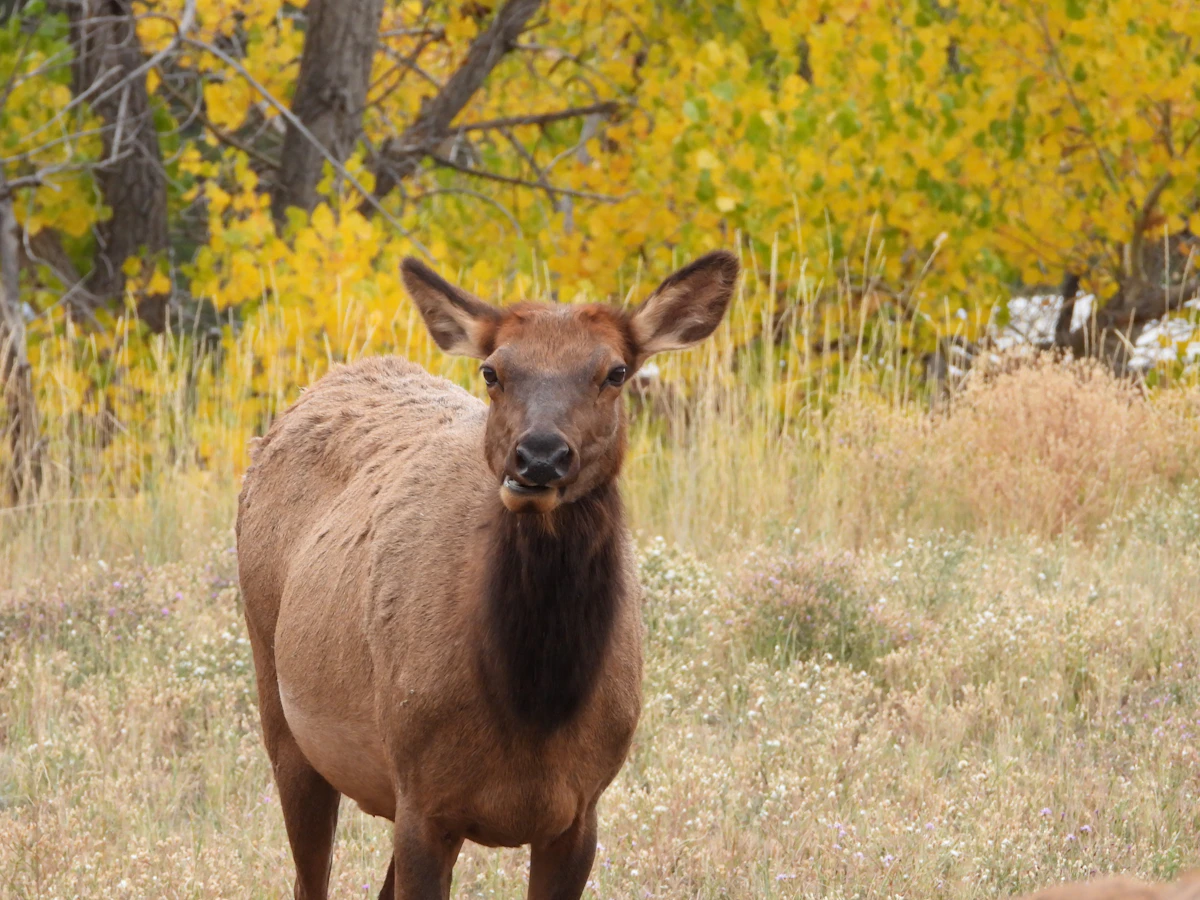
The lost cow call is the single most effective elk vocalization for bringing a rutting bull into bow range, yet many hunters default to bugles and never learn it. This anxious, drawn-out cow sound mimics a separated female searching for her herd, triggering a bull's protective instinct to investigate and gather. Unlike a bugle, which can intimidate subordinate bulls or provoke a dominant herd bull to push his cows away, the lost cow call rarely spooks elk and often pulls bulls directly to your position.
Understanding when and how to use this call can transform your September bow hunts. It works in heavy timber, on dark-timber benches, and in broken country where bugles echo unpredictably. The lost cow is not a challenge — it is an invitation, and bulls respond differently because of it.
What Is a Lost Cow Call?
The lost cow call is a series of drawn-out, anxious cow mews repeated in succession with increasing urgency. It sounds like a cow elk separated from her group, calling out to rejoin the herd. The vocalization rises and falls in pitch, with each mew lasting 2–4 seconds and spaced 3–5 seconds apart. The call conveys distress without alarm — a cow that is confused and vulnerable, not fleeing from danger.
Elk are herd animals, and cows rarely wander alone during the rut. A lost cow represents an opportunity for a bull to add a female to his group or to investigate a potential breeding opportunity. Satellite bulls, especially, respond aggressively because they lack harems and are constantly searching for receptive cows.
This call differs fundamentally from the standard cow mew, which is shorter, softer, and used for herd communication. The lost cow is louder, longer, and more emotional. It is the difference between a casual greeting and a plea for help.
When to Use the Lost Cow Call
The lost cow call works best in three specific hunting scenarios. The first is when you have located a bull but he is not responding to bugles or standard cow calls. Bulls that ignore aggressive vocalizations often investigate the sound of a lost cow because it represents a low-risk, high-reward situation. They can approach quietly without risking a confrontation with another bull.
The second scenario is when hunting thick timber or steep, broken terrain where bugles do not carry well or where bulls are reluctant to bugle back. In heavy cover, bulls rely more on cow vocalizations to locate their harems. A lost cow call cuts through the timber and gives a bull a clear audio target to move toward.
The third scenario is during the mid-to-late rut when herd bulls are worn down and satellite bulls are actively searching for breeding opportunities. By late September, dominant bulls are exhausted from constant bugling, fighting, and herding. They are less likely to respond to challenges but will still investigate the sound of a cow in distress. Satellite bulls, meanwhile, are at peak aggression and will close distance fast.
Avoid using the lost cow call in open parks or meadows where elk can see long distances. If a bull can see your position and does not spot the cow, he will often hang up at 100–200 yards and wait for movement. The call works best when terrain or cover allows the bull to commit to closing distance without visual confirmation.
How to Execute the Lost Cow Call Properly
The mechanics of the lost cow call are simple, but execution requires practice. Start with a single drawn-out mew that rises slightly in pitch and then falls. Hold the note for 3–4 seconds, making it sound anxious but not panicked. Wait 4–5 seconds and repeat. After three or four calls, pause for 30–60 seconds and listen.
The key is variation. No two cow elk sound identical, and no single cow repeats the same vocalization exactly. Change the pitch, duration, and intensity slightly with each call. Some mews should be louder and more urgent, others softer and more questioning. This irregularity makes the sequence sound natural.
Use a diaphragm call or an open-reed tube. Diaphragms allow you to keep your hands free and adjust tone more precisely, but they require practice to master. Open-reed tubes are easier to learn and produce excellent lost cow sounds with minimal effort. Whichever you choose, practice at home until you can produce consistent, realistic cow vocalizations without thinking about mechanics.
Do not overcall. A lost cow is anxious, but she is not in constant distress. Call in short sequences of 3–5 mews, then wait. If you hear a bugle or breaking branches in response, stop calling and prepare for the bull to approach. Many hunters call too much and educate bulls instead of attracting them.
Why the Lost Cow Outperforms Bugles
Bugles are iconic, but they are not always effective. A bugle is a challenge, and elk respond to challenges based on dominance hierarchy and context. A mature herd bull may answer a bugle but then push his cows in the opposite direction to avoid confrontation. A subordinate bull may respond vocally but refuse to close distance because he does not want to fight.
The lost cow call bypasses this dynamic entirely. It does not threaten the bull or require him to make a dominance calculation. It simply presents an opportunity. Bulls of all ages and sizes will investigate a lost cow because the reward — a breeding opportunity or a chance to add a cow to the herd — outweighs the risk.
In pressured areas, bulls become conditioned to bugles and stop responding altogether. Hunters bugle constantly during September, and elk learn to associate the sound with danger. The lost cow call, by contrast, is far less common in heavily hunted units. Bulls that ignore every bugle on the mountain will still respond to a realistic cow sequence because it does not trigger the same alarm.
Another advantage is stealth. Bugles carry for miles and announce your position to every elk and hunter in the drainage. The lost cow call is directional and does not broadcast your location as widely. You can call a bull into close range without alerting distant herds or other hunters to your presence.
Advanced Tactics: Combining the Lost Cow with Other Calls
The lost cow call becomes even more effective when paired with other vocalizations. One proven combination is the lost cow followed by soft estrus chirps. After your initial lost cow sequence, wait 30 seconds and add two or three short, excited chirps. This signals that the cow is not only lost but also receptive to breeding. Bulls that were hesitant often commit immediately when they hear estrus vocalizations.
Another tactic is to combine the lost cow with light raking or breaking branches. After calling, use a stick to scrape bark off a tree or snap a few small branches. This mimics the sound of a cow feeding or moving through timber and adds realism to the setup. Bulls that approach silently often circle downwind to scent-check the source of the calling. Adding movement sounds can pull them in before they get your wind.
If you are hunting with a partner, one hunter can call while the other sets up 30–50 yards downwind. The caller continues the lost cow sequence while the shooter waits in ambush. Bulls that circle to scent-check the caller walk directly past the shooter. This setup is devastatingly effective in broken timber where bulls are reluctant to approach calling positions directly.
Do not mix bugles with lost cow calls unless you are deliberately trying to create the impression of a bull pushing a cow. If you bugle after lost cow calling, the bull may interpret the situation as another bull already tending the cow and lose interest. Stick with cow vocalizations and movement sounds to keep the bull focused on locating the lost female.
Common Mistakes to Avoid
The most common mistake is calling too aggressively. A lost cow is worried, not terrified. If your calls sound panicked or overly loud, bulls may interpret the situation as a predator threat and avoid the area. Keep the tone anxious but controlled, and avoid screaming into the call.
Another mistake is failing to adjust calling volume based on distance. If a bull bugles 400 yards away, your lost cow calls should be loud enough to reach him. If he answers at 150 yards, reduce volume immediately. Bulls that are close do not need loud calling, and excessive volume at short range sounds unnatural.
Many hunters also fail to account for wind direction. Elk have extraordinary noses, and a bull that circles downwind to scent-check your position will leave immediately if he smells human scent. Always set up with the wind in your face or quartering away from the direction you expect the bull to approach. If the wind shifts during the setup, move before you continue calling.
Finally, do not expect instant results. Some bulls respond in minutes, others take 20–30 minutes to work into range. Be patient, stay still, and resist the urge to overcall. The lost cow call works because it sounds real, and real elk do not vocalize constantly.
Lost Cow Calling in Different Rut Phases
The lost cow call performs differently depending on when you use it during the rut. In the pre-rut (early September), bulls are less aggressive and cows are not yet fully receptive. The lost cow can still work, but bulls may respond more slowly or hang up at distance. Combine it with soft cow calls and feeding sounds to create a herd scenario rather than a single lost cow.
During peak rut (mid-September), the lost cow call is at its most effective. Bulls are at maximum aggression, cows are scattering from harems, and the chaos of the rut makes a lost cow scenario entirely believable. Bulls will often charge into range without hesitation, especially satellite bulls that are desperate for breeding opportunities.
In the post-rut (late September into early October), the lost cow call still works but requires more patience. Herd bulls are exhausted and less responsive, but satellite bulls remain active and willing to investigate. Focus on calling in timber or on bedding benches where bulls are resting during the day. The lost cow can pull a bedded bull out of cover when nothing else will.
Gear Recommendations for Lost Cow Calling
You do not need expensive gear to execute the lost cow call, but quality matters. A good diaphragm call like the Phelps Amp or the Primos Hoochie Mama allows for precise tone control and hands-free operation. If you prefer open-reed tubes, the Rocky Mountain Hunting Calls Ranger or the Primos Hyper Lip Single are excellent choices.
Carry a backup call. Diaphragms can shift in your mouth during a stalk, and tubes can crack or get wet. A second call ensures you are never left without options in the middle of a setup.
Practice at home with a recording device. Listening to your own calling exposes mistakes you cannot hear in real time. Compare your vocalizations to real elk recordings and adjust pitch, duration, and rhythm until your calls sound natural.
If you are new to elk calling, consider using a mouth call and a tube together. The diaphragm allows for quick, hands-free calling, while the tube produces louder, more aggressive lost cow sequences when you need to reach distant bulls.
FAQ — Lost Cow Elk Calls
What is a lost cow call in elk hunting?
A lost cow call is a series of anxious, drawn-out cow mews that mimic a cow elk separated from her herd. It triggers a bull's instinct to investigate and gather, making it highly effective for pulling bulls into close range during the rut.
When should I use a lost cow call instead of a bugle?
Use the lost cow call when bulls are not responding to bugles, when hunting thick timber where bugles do not carry well, or when targeting satellite bulls during the mid-to-late rut. It works best in situations where bulls are reluctant to challenge other bulls but will still investigate cow vocalizations.
How do I make a realistic lost cow call?
Produce a drawn-out cow mew lasting 3–4 seconds, rising slightly in pitch and then falling. Repeat every 4–5 seconds for 3–5 calls, then pause and listen. Vary the pitch and intensity with each call to sound natural, and avoid calling too loudly or too frequently.
Can I use the lost cow call on pressured elk?
Yes. Pressured elk often ignore bugles but will still respond to realistic cow vocalizations because they sound less threatening and are used less frequently by hunters. The lost cow call is one of the best options in heavily hunted units.
Does the lost cow call work during the pre-rut?
It can, but bulls respond more slowly during the pre-rut because cows are not yet fully receptive. Combine the lost cow call with soft cow mews and feeding sounds to create a more realistic herd scenario, and be patient.
Should I combine the lost cow call with other sounds?
Yes. Pairing the lost cow call with soft estrus chirps, light raking, or breaking branches adds realism and can trigger bulls that were hesitating to commit. Just avoid mixing bugles with lost cow calls unless you are deliberately creating a bull-tending-cow scenario.
Internal Links and Resources
For hunters planning their elk hunts, understanding draw odds and unit selection is critical. TAGZ provides detailed draw odds analysis, unit comparisons, and hunt planning tools to help you choose the right tags. Explore the Insights blog for more elk hunting strategies, calling tactics, and state-specific regulations. If you are ready to dive deeper into hunt planning, check out the TAGZ product features to see how the platform can simplify your application strategy. Whether you are a first-time applicant or a veteran hunter, TAGZ pricing offers flexible options to fit your needs.
Was this article helpful?
Previous
Estrus Calls: When to Use Them for Elk, Deer, and Antelope
Estrus calls can trigger aggressive responses from mature bulls and bucks during the rut, but timing and context determine success. Learn when estrus vocalizations work, when they backfire, and how to integrate them into your calling sequence.

Next
How to Find Overlooked Elk Hunting Areas That Other Hunters Miss
Most hunters crowd the same trailheads and glassing knobs year after year. Here's how to systematically identify overlooked elk country that holds animals but sees minimal pressure.