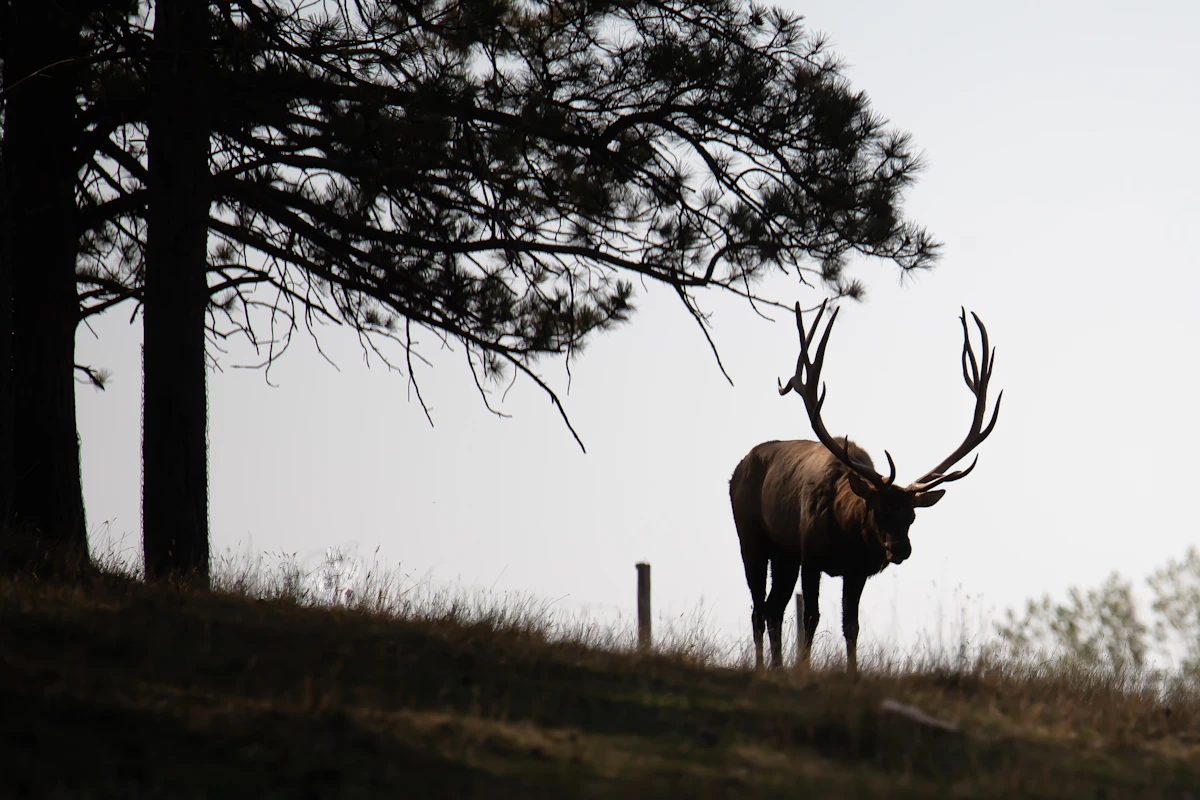
Elk Hunting Close to Roads Without Hunting the Crowd
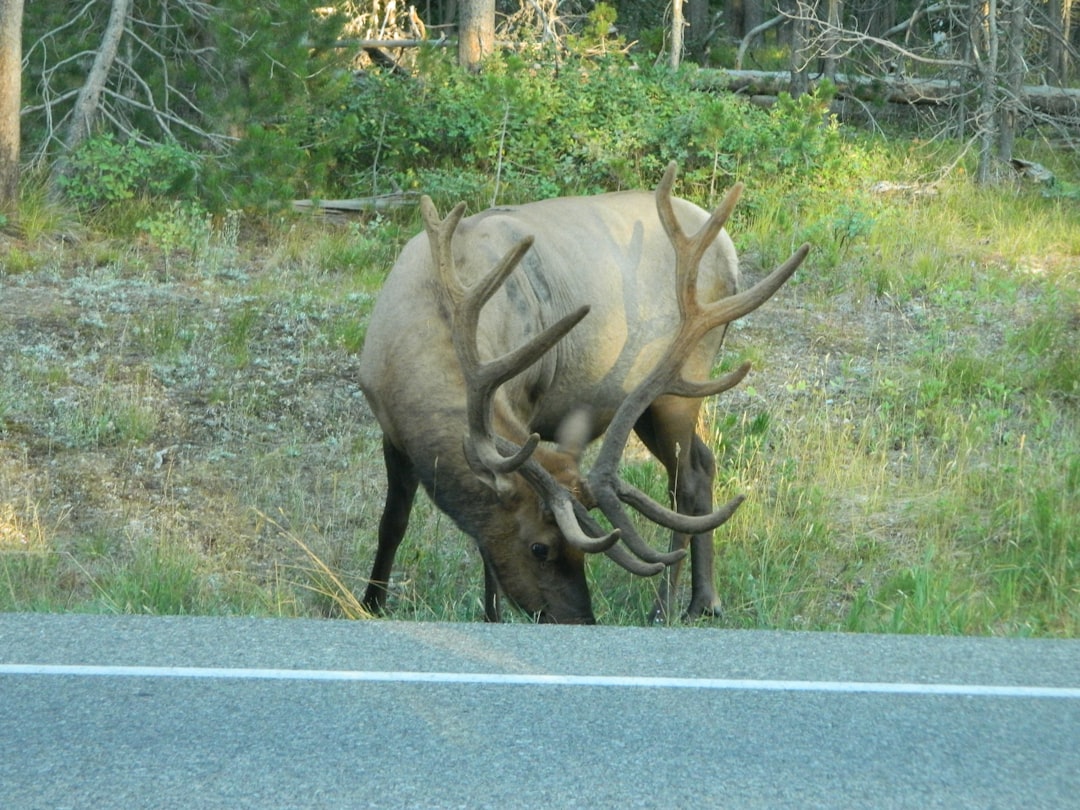
Every September, thousands of hunters march past perfectly good elk habitat in their quest to escape the crowds. They assume elk only live in roadless wilderness, that anything worth hunting requires a pack string or a punishing hike. But veteran hunters know better. Some of the most consistent elk hunting happens within sight of roads, if you know where to look and when to hunt.
The key isn't avoiding roads entirely. It's understanding how elk use roaded terrain differently than hunters expect, and positioning yourself in the overlooked pockets where elk feel secure despite vehicle access nearby.
Why Elk Don't Always Flee Roads
Elk learn patterns, not distances. A bull that tolerates logging trucks all summer won't automatically abandon his home range when hunting season opens. What pushes him out is hunting pressure, and pressure follows predictable human patterns.
Most hunters hit the trail at first light, walk the main paths, and glass from established overlooks. Elk adjust to this rhythm quickly. They bed in thick timber just off the beaten path, feed in hidden pockets at odd hours, and use terrain features that make them invisible from roads even when they're close.
Roaded areas also offer advantages elk need. Gentle terrain near roads often holds better feed than steep wilderness basins. Scattered timber provides security cover without the energy cost of climbing into alpine bowls. Water sources near roads get less fishing pressure, so elk use them freely outside peak human hours.
The contradiction is real: opening weekend in a roaded drainage can be a circus, but by mid-season, those same roads provide access to elk that have adjusted to light, predictable pressure.
Finding the Overlooked Pockets
Not all roadside country holds elk, and not all of it lets you hunt effectively. The goal is identifying specific terrain features that keep elk close while keeping hunters moving past.
Look for benches and finger ridges that branch off main drainages within a half-mile of roads. These features are invisible from the road itself but provide elk with feed, water, and escape routes. Hunters walking valley bottoms or ridgetops miss them entirely.
Small timbered parks surrounded by blowdown or thick regeneration are gold. Elk feed in the openings at dawn and dusk, then bed in the nastiness where hunters won't follow. If you can see the park from a road pullout, it's probably hunted out. If it requires a short bushwhack through deadfall to reach, you might have it to yourself.
North-facing slopes close to roads hold elk longer into the season than south-facing terrain at the same elevation. They stay cooler, hold moisture, and often grow denser cover. Hunters naturally gravitate toward sunny, open country, leaving these dark timber pockets undisturbed.
Pay attention to non-system roads and closed two-tracks. Hunters scan from open roads but rarely explore the spurs that branch off. A gated spur road that penetrates a quarter-mile into timber can be an elk highway, especially if it dead-ends at an old clearcut or stock pond.
Timing Your Hunt to Avoid the Crowd
The same spot that's overrun at dawn can be empty by 10 a.m. Elk near roads have learned to wait out the morning rush, then move and feed during the mid-day lull when hunters are back at camp.
Consider hunting from 10 a.m. to 2 p.m. in roaded country. Set up where morning hunters just left. Elk that bedded tight while boots crunched past will stand and stretch, cows will nurse calves, and bulls will check scrapes. The lack of human movement triggers them to relax.
Evening hunts work, but with a twist. Don't rush to be on stand an hour before dark like everyone else. Arrive earlier, around 3 p.m., and set up in transition zones between bedding and feed. Elk often start moving mid-afternoon in roaded areas because they've learned the evening stampede of hunters is still hours away.
Weekdays in general units are a different game than weekends. If you can hunt Tuesday through Thursday, roaded terrain that was a zoo on Saturday will be nearly empty. Elk return to normal patterns fast when pressure drops.
Weather also shifts the equation. Most hunters won't leave their trucks in heavy rain, dense fog, or unseasonable cold snaps. These are prime times to hunt close to roads. Elk move normally, human pressure vanishes, and you have accessible country to yourself.
Walking Less, Glassing More
The biggest mistake hunters make near roads is treating it like backcountry. They hike deep to "get away from people," often walking right past elk in the process.
Instead, drive slowly, stop often, and glass hard. Spend 20 minutes glassing from each pullout instead of five. Use binoculars to break down every dark pocket, every patch of mahogany, every timbered finger. Elk don't need to be miles from the road; they just need to be invisible from it.
When you spot elk or fresh sign, don't approach directly. Most hunters make a beeline from the road, pushing elk ahead of them. Instead, use the road system to circle around and approach from an unexpected angle. Elk expect pressure from below and from the road side. They don't expect hunters dropping in from above or slipping in from a lateral ridge.
If you're hunting solo, pick a single drainage or basin and learn it completely rather than covering ground. Hunt it morning, mid-day, and evening over multiple days. You'll start recognizing individual animals, daily patterns, and exactly where elk escape when they do get pressured.
Dealing with Other Hunters
You won't always have roaded country to yourself, even with smart timing. The difference between success and frustration is how you handle company.
If you arrive at a trailhead and see other trucks, don't automatically leave. Most hunters take the main trail. If you know a secondary access point or a bushwhack route into the same area, you can hunt nearby terrain without competing.
When you encounter hunters in the field, use it as intel. If they're heading up-canyon at first light, set up on the escape route where elk will filter out. Elk near roads rarely flee far when bumped. They circle into the next pocket of cover and wait.
Don't be the hunter who abandons a spot because someone else is around. If you've done your homework and know elk are using an area, stick with it. Patience wins near roads. The other guy will probably hike past the thick stuff you're willing to sit in.
Also recognize that some hunting pressure is useful. A few hunters moving through a drainage can push elk into ambush positions. The key is being the ambusher, not the pusher. Set up in funnels, saddles, or known bedding areas and let the crowds do the work.
Weapon and Strategy Adjustments
Hunting close to roads changes the game depending on your weapon choice. Rifle hunters have the advantage of long-range shots across canyons, meaning you can hunt from the road itself in some cases. But the best opportunities still come from positioning yourself in the terrain elk use, not just glassing from pullouts.
Bowhunters face a tougher challenge but better odds in one respect: elk near roads are often less spooky about close human presence during the rut. A bugling bull 400 yards from a road might come to a call because he's habituated to vehicle noise as background sound. The same bull five miles back might be call-shy from wilderness bowhunters.
Muzzleloader hunters benefit from the timing. Most muzzleloader seasons occur during or after the rut when elk are transitioning to fall patterns. Roaded country often holds more elk in late September and October because animals drift down from high pressure zones. A mid-elevation drainage accessible by truck can be prime.
Regardless of weapon, scent control matters more near roads. Elk in accessible areas encounter human scent regularly, so they key on it. Hunt into the wind religiously, even if it means waiting for conditions to align. A single whiff of human scent will send roaded elk into the next drainage, and they won't be back for days.
Units and States Where This Works
Not all Western states have the same roaded terrain opportunities. Colorado's front-range units, for example, have extensive forest road systems that provide access to huge chunks of elk habitat. Units with a mix of private and public land, where roads penetrate between parcels, can be ideal. Elk learn to use the public pockets near roads because pressure is light compared to heavily hunted wilderness.
Montana's general units often have good road access into foothill and mid-elevation terrain. The B-license areas and general combo zones see hunters, but much of the pressure is concentrated on a few drainages. Nearby basins with road access but less-known trailheads can fish well.
Idaho's general units are a mixed bag. Some zones have great road access and light pressure because reputation drives hunters elsewhere. Other areas have roads but also intense pressure. TAGZ unit research tools can help you compare hunter density and success rates to identify which roaded units are worth considering.
Wyoming's general areas near wilderness boundaries are worth a look. Elk pushed out of wilderness zones often settle into roaded country on the periphery where hunting pressure is lighter than opening week but heavier than true backcountry. If you're willing to hunt mid-week or later in the season, these zones can produce.
How TAGZ Helps You Find Roaded Elk Habitat
Identifying which units and drainages have the right mix of road access, elk numbers, and manageable pressure requires research most hunters don't have time for. TAGZ simplifies this by letting you filter units by terrain type, public land access, and historical harvest data.
You can use TAGZ to compare hunter density across units, seeing which areas have road access but lower application rates. The platform's unit maps show forest road systems, allowing you to scout digitally for those overlooked finger ridges and secondary drainages before you ever drive out.
TAGZ also tracks unit-specific harvest success rates and age-class data. If a roaded unit is producing mature bulls despite vehicle access, that's a signal the terrain is protecting elk from pressure. You can cross-reference this with preference point requirements to find units where you can draw a tag without waiting years.
For hunters managing points across multiple states, TAGZ's draw deadline tracking ensures you don't miss application windows while you're researching roaded opportunities in different regions. The platform keeps your strategy organized so you can focus on hunting, not spreadsheets.
What Not to Do
Avoid the temptation to post exact locations online or brag publicly about roaded honey holes. These spots work because they're overlooked. Once they show up in forums or Instagram posts, they stop being overlooked.
Don't assume every road equals opportunity. Some drainages have roads but terrible habitat, no water, or elk that migrated out weeks ago. Roads are a tool, not a guarantee. You still need to verify elk presence through e-scouting, trail cameras, or pre-season scouting.
Don't hunt too close to campgrounds or high-traffic recreation areas. Elk tolerate roads, but they don't tolerate sustained human activity. The overlap between popular dispersed camping zones and good elk habitat is smaller than you'd think.
Finally, don't ignore safety. Hunting near roads means hunting near other armed people. Wear blaze orange even in archery-only units if firearms seasons overlap nearby. Be visible, communicate with other hunters when possible, and never assume you have a drainage to yourself.
FAQ — Elk Hunting Near Roads
Can you really find mature bulls close to roads?
Yes. Mature bulls often use roaded terrain during mid-day hours or after the rut when hunting pressure shifts to backcountry. They rely on thick cover and odd-hour movement patterns rather than distance from roads.
How far from a road should I focus my hunt?
Most overlooked elk habitat sits 200 to 800 yards from roads, in terrain features invisible from vehicle pullouts. This is close enough to access quickly but far enough that casual hunters drive past without investigating.
Do elk near roads respond to calling during the rut?
Yes, often better than wilderness elk. Bulls near roads are habituated to vehicle noise and may be less call-shy because they encounter fewer bowhunters than backcountry bulls.
What's the best time of day to hunt roaded areas?
Mid-day (10 a.m. to 2 p.m.) and early afternoon (3 p.m. to 5 p.m.) see the least hunter activity. Elk in roaded terrain often move during these windows after morning pressure fades.
Should I avoid units with high road density?
Not necessarily. High road density can mean high hunter access, but it can also mean more escape terrain and pockets hunters skip. Use TAGZ to compare hunter density and success rates before ruling out roaded units.
How do I know if a roaded drainage actually holds elk?
Look for fresh tracks, droppings, rubs, wallows, and beds during pre-season scouting. Trail cameras on water sources or transition zones provide confirmation. TAGZ unit data can also show harvest trends indicating consistent elk presence.
Was this article helpful?
Previous
How Point Creep Is Changing Western Hunting and What Hunters Can Do About It
Point creep is making once-attainable tags nearly impossible to draw, fundamentally reshaping how hunters must approach Western big-game applications. Understanding this trend is essential for building a realistic long-term strategy.
Next
Complete Elk Calling Guide: Mastering Bugling, Cow Calls, and When to Stay Silent
Learn proven elk calling techniques for every phase of the rut and hunting scenario. This guide covers bugling fundamentals, cow call sequences, common mistakes, and when silence is your best strategy.